
Navigating the complexities of obtaining a liquor license in Texas is a crucial step for any entrepreneur looking to open a business that serves alcoholic beverages. The cost of a liquor license is not a fixed figure; rather, it’s a multifaceted calculation influenced by the specific type of license required, the location of the establishment within Texas, and the associated state and local fees. Understanding these variables is paramount to accurate budgeting and successful business planning.
The Texas Alcoholic Beverage Commission ( TABC ) is the primary regulatory body overseeing the issuance of liquor licenses across the state. They categorize licenses based on the type of alcohol sold and the manner in which it is dispensed. This classification system directly impacts the application process and the associated fees. For instance, a business primarily focused on selling beer and wine for off-premise consumption will have a different licensing requirement and cost structure than a full-service restaurant or a bar serving spirits.
Understanding the Tiers of Texas Liquor Licenses
The TABC offers a diverse array of license types, each tailored to specific business models and the types of alcoholic beverages to be sold. These licenses are broadly divided into permits for on-premise consumption (like bars and restaurants) and off-premise consumption (like liquor stores and grocery stores).
On-Premise Consumption Licenses
For establishments where alcohol is consumed on the premises, the options are varied:
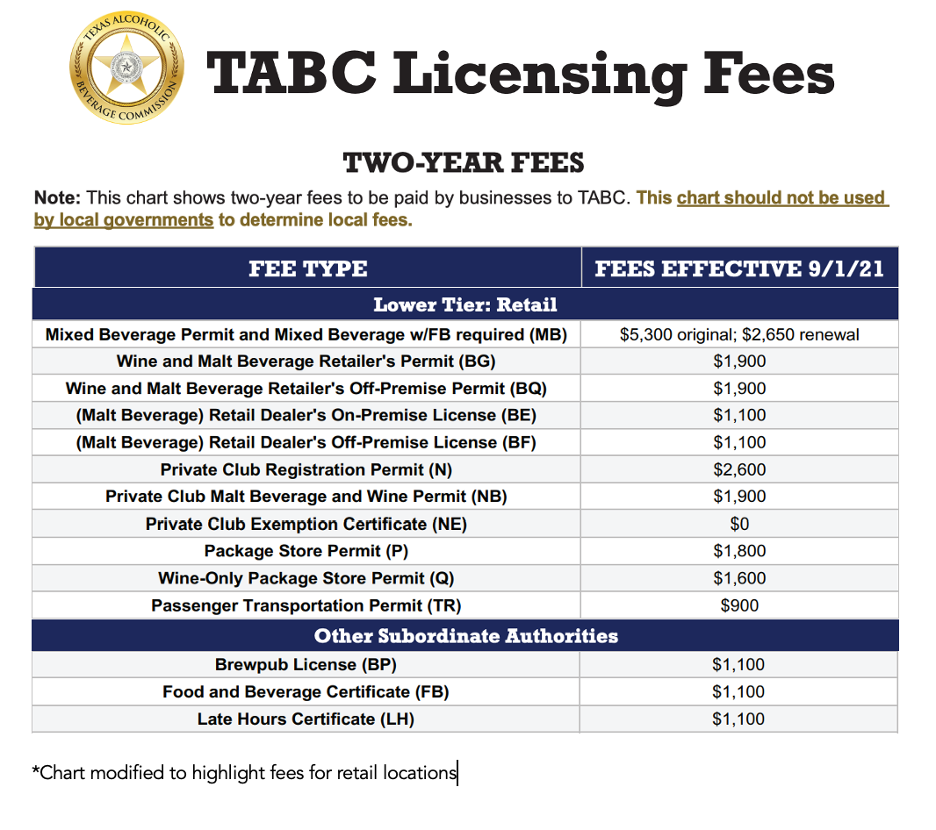
- Mixed Beverage Permit (MB): This is perhaps the most common permit for restaurants and bars that wish to sell all types of alcoholic beverages, including spirits, wine, and beer. The cost of an MB permit can vary significantly.
- Beer and Wine Permit (BG): For businesses that only wish to serve beer and wine on-premise, such as certain types of cafes or bistros, the BG permit is more economical.
- Wine Only Permit (W): This permit allows for the sale of wine for on-premise consumption, often suitable for wineries or specialty wine bars.
- Beer Retailer’s On-Premise License (BQ): This license is specific to establishments that only sell beer for consumption on their premises, such as sports bars that don’t serve liquor or wine.
The fees associated with these on-premise permits are set by the TABC and are subject to change. For an MB permit, the base state fee can be in the range of $1,000 to $1,500 annually, but this is just a starting point.
Off-Premise Consumption Licenses
Businesses selling alcohol for consumption elsewhere also fall under distinct categories:
- Package Store Permit (P): This permit is required for businesses that sell liquor, wine, and beer in sealed containers for off-premise consumption. This is the license associated with traditional liquor stores. The annual fee for a P permit is typically higher than for on-premise licenses, often in the range of $1,500 to $2,000 per year.
- Wine and Beer Retailer’s Off-Premise Permit (S): This permit allows for the sale of beer and wine in sealed containers for off-premise consumption, common for convenience stores and grocery stores. The annual fee for this permit is generally lower than for a P permit, often in the range of $300 to $500 annually.
It is crucial to consult the official TABC fee schedule for the most accurate and up-to-date figures, as these can be adjusted by the legislature.
Additional Fees and Factors Influencing Cost
Beyond the base license fees, several other costs contribute to the overall expense of obtaining a liquor license in Texas. These often include:
Local Option Elections and Fees
Texas operates under a local option system, meaning that the legality and regulation of alcohol sales can vary significantly from county to county and even city to city. Some areas may be “dry” or “moist,” restricting the sale of certain types of alcohol or prohibiting it altogether. Even in “wet” areas, local governments can impose additional permit fees or taxes. These local fees can range from a few hundred dollars to several thousand, depending on the municipality.
For example, a business operating in a major metropolitan area like Dallas or Houston might encounter higher local fees compared to a business in a smaller, rural town. It is imperative for applicants to research the specific ordinances and fee structures of the local jurisdiction where their business will be located.
Background Checks and Fingerprinting
As part of the application process, all individuals seeking a liquor license, including owners and key personnel, are typically required to undergo background checks and provide fingerprints. There are associated fees for these services, which can add a few hundred dollars to the overall cost per applicant.
Advertising and Public Notice Requirements
In some cases, TABC regulations require businesses to publish notices of their intent to obtain a liquor license in local newspapers. The cost of this advertising is borne by the applicant and can vary based on the publication’s rates.
Permits for Additional Services
If a business plans to offer additional services related to alcohol, such as live entertainment, dancing, or catering, separate permits may be required, each with its own associated fee.
State and Local Taxes
While not directly part of the license fee, businesses must also account for the excise taxes levied on alcoholic beverages sold. These taxes are a significant ongoing operational cost and can vary depending on the type of alcohol and volume sold.
The Value of Professional Assistance
The process of applying for a liquor license in Texas can be intricate and time-consuming. The TABC has numerous forms to fill out, specific documentation requirements, and deadlines to meet. Errors or omissions in the application can lead to delays or even denial.
For these reasons, many entrepreneurs choose to engage the services of legal counsel or licensing consultants specializing in TABC regulations. These professionals can provide invaluable guidance, ensuring that the application is complete and accurate, and that all state and local requirements are met. The fees for these services will vary depending on the scope of work and the expertise of the professional, but they can often prevent costly mistakes and expedite the licensing process. These fees can range from a few hundred dollars for consultation to several thousand for full service, depending on the complexity of the license and location.
Estimated Total Costs
To provide a rough estimate, the total cost of obtaining a liquor license in Texas can range from:
- For a basic Beer and Wine Off-Premise Permit (S): Expect costs to start around $500-$1,000, encompassing the annual permit fee, local fees, and background checks.
- For a Mixed Beverage Permit (MB) for a restaurant or bar: The total investment could range from $3,000 to $8,000 or more. This includes the annual state permit fee, potentially higher local fees in popular urban areas like Austin or San Antonio, background checks, and potentially professional consultation fees.
- For a Package Store Permit (P): Costs are likely to be in the range of $2,500 to $6,000, considering the higher annual permit fee, local regulations, and other administrative costs.
These figures are estimates and can fluctuate based on the specific circumstances of each applicant and their chosen location. Thorough research and consultation with the TABC and local authorities are indispensable for accurate financial planning.
Staying Compliant: Beyond the Initial License
Obtaining the license is only the first step. Maintaining compliance with TABC regulations is an ongoing responsibility. This includes adhering to operating hours, responsible serving practices, and renewing licenses and permits on time. Failure to maintain compliance can result in fines, license suspension, or even revocation, which would necessitate a costly and potentially impossible reapplication process.
Understanding the financial commitment involved in obtaining a liquor license is critical for any business owner in Texas. By carefully considering the type of license needed, the location, and all associated fees, entrepreneurs can approach this process with clarity and confidence, setting their businesses up for success.
LifeOutOfTheBox is a participant in the Amazon Services LLC Associates Program, an affiliate advertising program designed to provide a means for sites to earn advertising fees by advertising and linking to Amazon.com. Amazon, the Amazon logo, AmazonSupply, and the AmazonSupply logo are trademarks of Amazon.com, Inc. or its affiliates. As an Amazon Associate we earn affiliate commissions from qualifying purchases.