
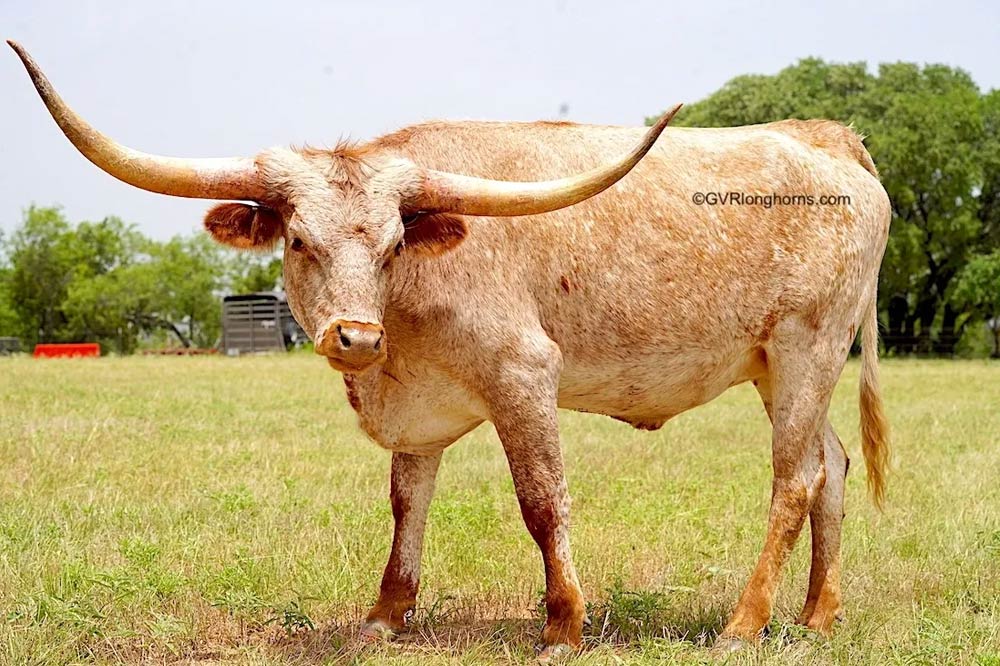
Understanding the value of a bovine in the Lone Star State involves more than just a number; it’s a deep dive into the economic heartbeat of Texas, its rich agricultural heritage, and the dynamic forces that shape livestock markets. While a simple query might expect a single figure, the reality is a complex interplay of breed, age, weight, market demand, and the sheer scale of Texas ranching. For those venturing into the state, whether as a seasoned rancher, a curious tourist, or an investor, grasping this valuation provides a unique window into a cornerstone of Texan identity and economy.
The Genesis of Bovine Value: Factors Influencing Price
The price of a cow in Texas is not static. It’s a fluctuating commodity, influenced by a multitude of interconnected factors. For any potential buyer or seller, understanding these drivers is paramount to making informed decisions.
Breed and Genetics
The genetic makeup of a cow significantly dictates its market value. Different breeds are prized for distinct characteristics, impacting their desirability for various purposes.
Beef Breeds
For beef production, breeds like the Brahman, Angus, Hereford, and Shorthorn are dominant.
- Brahman: Known for its heat tolerance and resistance to parasites, making it ideal for the Texan climate. Brahman crossbred cattle often fetch higher prices due to their adaptability and desirable carcass traits.
- Angus: Renowned for producing high-quality, well-marbled beef. Black Angus and Red Angus are particularly sought after in the premium beef market.
- Hereford and Polled Hereford: These cattle are known for their docile temperament, hardiness, and good maternal instincts, as well as their ability to produce quality beef.
- Crossbreds: Many Texan ranchers utilize crossbreeding to leverage the best traits of different breeds, often resulting in animals with superior growth rates, disease resistance, and meat quality, which can command premium prices.
Dairy Breeds
While beef cattle dominate the Texas landscape, dairy operations also exist, though on a smaller scale compared to major dairy regions. Breeds like Holstein are the workhorses of the dairy industry, valued for their high milk production. The price of a dairy cow is typically based on her milk production history, genetic potential, and reproductive status.
Age and Reproductive Status
The age of a cow is a critical determinant of its value.
- Calves: Young cattle, either weaned or still on the cow, are priced based on their weight and potential for growth. These are the future of the herd.
- Heifers: Young females that have not yet calved are valuable for their potential to join the breeding herd. Open (unbred) heifers are generally worth less than pregnant heifers, as they require an investment of time and resources before producing offspring.
- Cows (Mature Females): The primary value of a mature cow lies in her ability to calve and raise a calf.
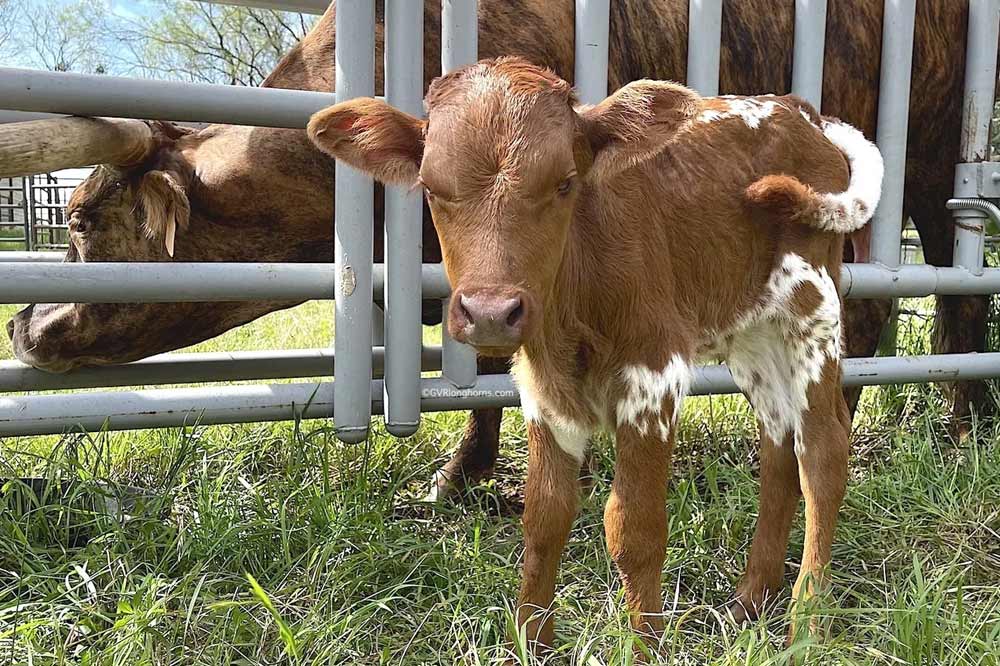
- Pairs: A “pair” refers to a cow and her nursing calf. These are often sold together and command a higher price due to the immediate value of both animals. The calf’s age and the cow’s condition significantly influence the price.
- Pregnant Cows: Cows confirmed to be pregnant are more valuable than open cows, as their reproductive success is already underway. The stage of pregnancy can also play a role.
- Dry Cows: Cows that are not currently lactating and not pregnant are typically valued lower than pregnant or producing cows, often destined for either a breeding program or the beef market.
- Cull Cows: Older cows that are past their prime reproductive years, or those with health issues, are typically sold for their meat value, which is significantly lower than that of prime breeding stock or finished beef animals.
Weight and Condition
Weight is a direct indicator of an animal’s maturity and its potential meat yield. Cattle are often sold by the pound (per hundredweight, or cwt). A heavier animal, assuming good health and breed characteristics, will naturally have a higher price. Body condition score (BCS) is also crucial. A well-conditioned animal, with adequate fat cover but not overfed, indicates good health and efficient feed utilization, making it more desirable. A thin, emaciated animal will fetch a significantly lower price.
Market Demand and Economic Conditions
The broader economic climate and specific market demand for beef and dairy products profoundly impact cow prices.
- Beef Market: When consumer demand for beef is high, and wholesale prices are strong, ranchers can command higher prices for their cattle. Factors like economic prosperity, changing dietary trends, and international trade agreements all play a role.
- Dairy Market: Similarly, the demand for milk and dairy products influences the value of dairy cows. Fluctuations in milk prices, production costs, and quotas can all affect dairy cow valuations.
- Feed Costs: The cost of feed (hay, grain, supplements) is a major input for ranchers. When feed prices are high, the cost of raising a cow increases, which can put upward pressure on the price of live cattle as producers seek to recoup their expenses.
- Drought and Weather: Texas is prone to periods of drought, which can severely impact grazing lands and force ranchers to purchase expensive supplemental feed or reduce herd sizes. Severe droughts often lead to a glut of cattle on the market as ranchers are forced to sell, driving down prices. Conversely, abundant rainfall can lead to strong forage conditions, supporting higher cattle prices.
Location and Local Markets
While Texas is a vast state, regional differences in market activity, transportation costs, and local supply and demand can create price variations. Major livestock auction markets in cities like Fort Worth, San Antonio, and Amarillo serve as key price-setting hubs, but smaller, local auctions can also offer distinct pricing.
Estimating the Monetary Value: A Range of Figures
Given the multitude of influencing factors, providing a single definitive price for “a cow in Texas” is an oversimplification. However, we can establish a general range based on current market trends and typical animal types.
The Working Ranch Cow

A healthy, mature beef cow, ready to be part of a breeding herd in Texas, typically represents a significant investment.
- Replacement Heifers: Young, fertile heifers with good genetics, ready to be bred, might range from $1,500 to $3,000 or more, depending on breed registry, conformation, and pedigree.
- Producing Cows (Pairs): A cow with a healthy calf at her side can command a price from $2,000 to $4,000 or higher. The value is split between the cow’s potential and the calf’s immediate marketability.
- Mature Breeding Cows: Cows in their prime breeding years (roughly 4-8 years old) with a proven track record of calving and raising calves are highly valued. Prices can range from $1,800 to $3,500 per head.
Dairy Cows
Dairy cows, while less common in the overall Texan cattle population, have their own valuation metrics.
- High-Producing Holstein Cows: These are valued based on their milk production records, somatic cell count, butterfat, and protein content. A top-tier dairy cow could fetch $2,000 to $4,000 or more.
- Lower-Production or Older Dairy Cows: Cows nearing the end of their productive life or with lower yields will be significantly less, often sold for beef or to less intensive operations.
Cattle for Meat Production (Feeder Cattle & Cull Cows)
When cows are not kept for breeding purposes, their value shifts to their meat potential.
- Feeder Cattle: These are young cattle, typically weaned and ready to be placed in feedlots to gain weight before slaughter. Their price is heavily influenced by weight and expected daily gain. Prices can fluctuate significantly but often fall in the $1.50 to $2.50 per pound range, meaning a 500-pound steer could be worth $750 to $1,250.
- Cull Cows: Older or non-productive beef cows sold for processing into ground beef or other processed meat products. Their value is determined by their weight and lean meat yield. Prices are considerably lower, often in the $0.80 to $1.50 per pound range, meaning a 1,000-pound cull cow might sell for $800 to $1,500.
Navigating the Texan Livestock Market: Where to Buy and Sell
For those looking to engage with the Texan cattle market, understanding the primary avenues for transactions is essential.
Livestock Auctions
Texas boasts numerous livestock auction markets across the state. These are dynamic environments where cattle are brought, inspected, and sold by competitive bidding.
- Major Markets: Cities like Fort Worth have historically been significant livestock hubs, with large-scale auctions.
- Regional Auctions: Smaller, community-based auctions are prevalent throughout rural Texas, offering opportunities for local buyers and sellers. Attending these auctions provides firsthand insight into current market prices and animal quality.
Private Treaty Sales
Many transactions occur through private treaty, where ranchers sell directly to buyers, often at their ranches or through established relationships. This method can sometimes offer more stable pricing and the opportunity to inspect the animals in their home environment.
Online Marketplaces and Brokers
The digital age has expanded the reach of the livestock market. Online platforms and livestock brokers facilitate sales, connecting buyers and sellers across greater distances. These platforms often provide detailed information, photos, and videos of the animals, streamlining the selection process.
Beyond the Price Tag: The Cultural and Economic Significance
The value of a cow in Texas extends far beyond its monetary worth. Cattle ranching is deeply woven into the fabric of Texan culture and economy.
Heritage and Tradition
For generations, cattle ranching has been synonymous with the Texan identity. The image of the cowboy, the open range, and the hardworking rancher are iconic. Understanding the price of a cow is, in part, understanding the value placed on this enduring heritage.
Economic Impact
The beef industry is a multi-billion dollar enterprise in Texas, supporting countless jobs in ranching, feedlots, processing plants, transportation, and retail. The decisions made by ranchers, influenced by the market value of their livestock, ripple throughout the state’s economy. From the feed stores in small towns to the major meatpacking facilities, the cattle industry is a powerful economic engine.
Tourism and Experiences
While not a direct monetary valuation of the cow itself, the cattle industry also fuels a segment of Texas tourism. Visitors interested in experiencing the authentic Texan lifestyle might seek out guest ranches, cattle drives, or agricultural fairs, all of which are made possible by the thriving livestock sector. These experiences, while not directly answering “how much is a cow,” contribute to the overall appreciation and understanding of this vital industry.
In conclusion, the question “How Much Is A Cow In Texas?” opens a portal into a complex world of agriculture, economics, and culture. It’s a question answered not with a single number, but with an appreciation for the intricate web of factors that determine the value of these magnificent animals, the lifeblood of the Lone Star State.
LifeOutOfTheBox is a participant in the Amazon Services LLC Associates Program, an affiliate advertising program designed to provide a means for sites to earn advertising fees by advertising and linking to Amazon.com. Amazon, the Amazon logo, AmazonSupply, and the AmazonSupply logo are trademarks of Amazon.com, Inc. or its affiliates. As an Amazon Associate we earn affiliate commissions from qualifying purchases.