
Navigating the complexities of vehicle registration is an essential part of owning and operating a vehicle in Texas. While most drivers diligently renew their registration before it expires, oversight or unforeseen circumstances can lead to driving with an expired tag. This situation, common as it may seem, carries specific legal and financial ramifications for residents. Understanding these consequences is crucial for maintaining compliance with state laws and avoiding unnecessary penalties. The primary concern for drivers in this scenario is the potential for a traffic citation, often referred to as a “ticket,” and the associated fines.

In Texas, operating a motor vehicle with expired registration is a violation of state law. The Texas Transportation Code mandates that all vehicles registered in the state must have current registration. Failure to comply can result in a traffic stop, followed by the issuance of a citation. The severity of the penalty is not a fixed amount but rather a range determined by several factors, including the discretion of the issuing officer and the specific court handling the case. However, a general understanding of the potential costs and consequences can help drivers prepare and avoid further complications.
Understanding the Texas Citation System
The legal framework governing traffic violations in Texas assigns a point system and a monetary value to various infractions. Driving with expired registration falls under this purview. When a law enforcement officer issues a citation for this offense, it is typically classified as a traffic misdemeanor. The fine amounts can vary significantly, but it’s important to recognize that the initial fine is not the only financial burden a driver might face.
Fine Structures and Surcharges
The base fine for expired registration in Texas can range anywhere from $50 to $200. However, this figure often represents only a portion of the total amount due. Many traffic tickets come with additional court costs, administrative fees, and state-mandated surcharges. These added costs can quickly escalate the total amount owed, sometimes doubling or tripling the initial base fine. For instance, a seemingly modest $100 ticket could end up costing upwards of $200 to $300 once all associated fees are factored in.
Moreover, the length of time the registration has been expired can influence the severity of the penalty. While a vehicle with registration expired by only a few days might receive a warning or a lower fine, a vehicle with registration expired for several months or longer could face a more substantial penalty. In some cases, repeated offenses or particularly egregious lapses in registration compliance could lead to more severe consequences, including potential vehicle impoundment, though this is less common for simple expired registration unless other offenses are also present.
Court Discretion and Mitigation
It is important to note that the final penalty is often determined by the court where the citation is adjudicated. Drivers have the right to contest a ticket or appear before a judge to explain their circumstances. In certain situations, a judge may offer leniency, especially if the driver can demonstrate a commitment to rectifying the situation by immediately renewing their registration. Some courts may also offer defensive driving courses as an option to potentially reduce the fine or keep the violation off the driver’s record, though this is not always applicable to expired registration offenses.
For drivers who promptly renew their registration after receiving a citation, presenting proof of renewal to the court can sometimes lead to a reduced fine. This proactive approach demonstrates responsibility and a willingness to comply with the law, which judges and prosecutors may consider favorably. The key takeaway is that the quoted fine on the ticket is often a starting point, and the final financial obligation can be influenced by individual actions and court proceedings.
The Grace Period and Its Nuances
A common misconception among drivers is the existence of a grace period for expired vehicle registration in Texas. While there isn’t a legally defined grace period that exempts drivers from penalties, there is a practical leniency often exercised by law enforcement officers. Generally, if a vehicle’s registration has only recently expired, for instance, within a few days or weeks, an officer might issue a warning instead of a citation. This is not a guaranteed exemption, however, and relies heavily on the officer’s discretion and the specific circumstances.
Official Stance vs. Practical Enforcement
Officially, the law requires registration to be current at all times. The renewal process itself allows for a period of validity, and once that period ends, the registration is considered expired. The period between the expiration date and the renewal date is where the ambiguity lies. Some sources suggest that the state of Texas allows for a “grace period” of up to 90 days after the expiration date before a vehicle is considered significantly out of compliance. However, this is often misinterpreted. The 90-day window is more related to the administrative processing of renewals and the potential for a vehicle to become eligible for re-titling if not registered within that timeframe, rather than a grace period for operating an unregistered vehicle.
Law enforcement officers often use their judgment in the field. If a driver is pulled over and the registration expired just a few days ago, and the driver can show they are on their way to renew it or have already scheduled an appointment, they might be let off with a warning. This practical approach aims to avoid penalizing minor oversights that are quickly corrected. However, relying on this informal grace period is risky, as officers are within their rights to issue a citation regardless of how recently the registration expired.
The Cost of a Warning vs. a Ticket
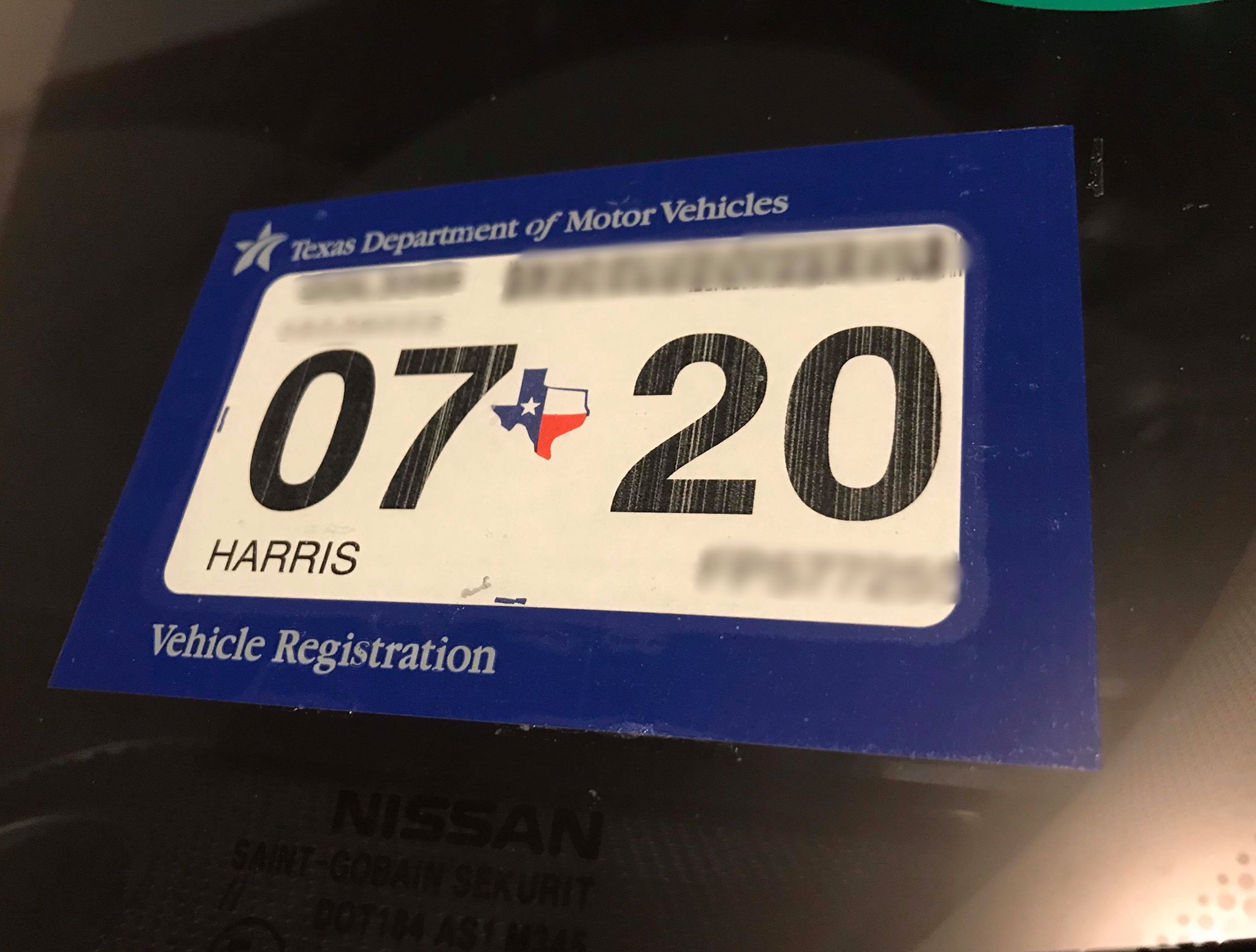
A warning, while not a financial penalty, serves as an official notice that the driver is not in compliance. It’s a valuable opportunity to correct the oversight immediately. A ticket, on the other hand, involves fines and potential points on a driving record, which can lead to increased insurance premiums. Therefore, even if an officer is lenient, it is always advisable to renew the registration as soon as possible to avoid any potential penalties. The moment a vehicle’s registration expires, it is technically operating illegally, and any interaction with law enforcement could result in a citation.
Consequences Beyond Fines
The ramifications of driving with expired registration in Texas extend beyond the immediate financial cost of a ticket. While fines and fees are the most direct consequence, there are other potential impacts that drivers should be aware of.
Insurance Implications
Insurers consider driving a vehicle with expired registration a significant risk. If you are involved in an accident while your registration is expired, your insurance policy could be invalidated. This means that your insurance company may refuse to cover the damages to your vehicle or the medical expenses for yourself and any passengers. Furthermore, the infraction could lead to higher insurance premiums in the future, as it indicates a disregard for legal requirements. Some insurance policies may even have clauses that allow for cancellation of coverage if the vehicle is not legally registered.
Vehicle Impoundment
While less common for a simple expired registration offense, there is a possibility of the vehicle being impounded. This typically occurs if the expired registration is combined with other serious violations, or if the driver is unable to prove current registration and the vehicle is deemed an immediate safety hazard or an unregistered vehicle operating on public roads. The costs associated with impoundment – towing fees, daily storage fees, and administrative charges – can quickly accumulate, often amounting to hundreds or even thousands of dollars, in addition to the original citation fines.
Impact on Driving Record
A ticket for expired registration typically results in points being added to a driver’s record. Accumulating too many points can lead to a suspended driver’s license, which would then impose even more severe restrictions on your ability to travel and conduct daily life. Furthermore, a conviction for a traffic violation can affect your ability to obtain or maintain certain employment, particularly if your job requires driving.
How to Avoid Expired Registration Tickets
The most effective way to deal with expired registration is to prevent it from happening in the first place. Staying organized and aware of renewal deadlines is paramount.
Setting Reminders and Renewing Promptly
Many states, including Texas, offer renewal reminders through mail, email, or text messages. Ensure your contact information is up-to-date with the Texas Department of Motor Vehicles (TxDMV). Consider setting digital calendar reminders for yourself a month or two before the expiration date. Renewal can typically be done online, by mail, or in person at a local county tax assessor-collector’s office. The online renewal portal is often the most convenient option.
Understanding the Renewal Process
In Texas, vehicle registration renewal typically requires a vehicle inspection (safety and/or emissions, depending on the county) and proof of financial responsibility (auto insurance). Once these requirements are met, the registration can be renewed. It’s important to complete these steps well in advance of the expiration date to avoid last-minute rushes and potential issues. If you plan to renew by mail, allow ample time for postage.

Renewing After Expiration
If your registration has already expired, the immediate priority should be to renew it as soon as possible. Visit your local county tax assessor-collector’s office or access the TxDMV’s online services. Be prepared to pay the renewal fees, which may include late penalties. Presenting proof of renewal to the court, if you have already received a citation, can often help mitigate the penalties. Acting swiftly demonstrates responsibility and can minimize the overall cost and inconvenience associated with expired registration.
LifeOutOfTheBox is a participant in the Amazon Services LLC Associates Program, an affiliate advertising program designed to provide a means for sites to earn advertising fees by advertising and linking to Amazon.com. Amazon, the Amazon logo, AmazonSupply, and the AmazonSupply logo are trademarks of Amazon.com, Inc. or its affiliates. As an Amazon Associate we earn affiliate commissions from qualifying purchases.