
Understanding the intricacies of alimony, known as spousal maintenance in Texas, is a crucial aspect of divorce proceedings. Unlike child support, which has relatively standardized guidelines, alimony calculations can be more subjective and depend on a variety of factors. This guide aims to demystify how alimony is determined in Texas, providing insights into the eligibility requirements, statutory guidelines, and the judicial discretion involved.
Eligibility for Spousal Maintenance in Texas
In Texas, not everyone is automatically entitled to spousal maintenance. The law sets forth specific criteria that must be met before a court will even consider ordering it. These criteria are designed to ensure that maintenance is awarded only when truly necessary to support a spouse who is unable to meet their basic needs after a divorce.

The “Fault” and “Duration” Requirements
One of the primary hurdles for a party seeking spousal maintenance is demonstrating that they meet the statutory requirements for its award. Under the Texas Family Code, a spouse may be awarded court-ordered maintenance if they meet all of the following conditions:
- Financial Need: The spouse seeking maintenance must prove that they lack sufficient property, including separate property, to meet their minimum reasonable needs after the division of the marital estate. This is a fundamental requirement.
- Inability to Earn: The spouse must also demonstrate that they cannot support themselves through appropriate employment because of:
- A physical or mental disability.
- Having been a homemaker for a significant period, making it difficult to find employment.
- The present or future need of a child of the marriage, requiring the spouse’s presence in the home.
- Duration of Marriage: The marriage must have lasted for at least 10 years, unless the respondent spouse was convicted of a felony or adjudicated guilty of family violence during the marriage. For marriages lasting 10 years or more, the court may order maintenance.
- Earned Income: The spouse seeking maintenance must not have been convicted of a crime or public offense that resulted in a felony conviction, or been adjudicated guilty of family violence against the other spouse or a child of the marriage.
It is important to note that even if these conditions are met, the court retains discretion in determining whether to award maintenance and in what amount.
Agreements and Waivers
Parties can also agree to spousal maintenance in a written agreement signed by both spouses. These agreements are often negotiated as part of a broader divorce settlement. It is also possible for a spouse to waive their right to spousal maintenance, though this is typically done with careful consideration and legal counsel.
Statutory Guidelines for Spousal Maintenance Amounts and Duration
When a court determines that spousal maintenance is appropriate, Texas law provides specific guidelines to cap the amount and duration of the payments. These guidelines are intended to provide a framework for fairness and predictability.
Maximum Amount
The maximum amount of court-ordered spousal maintenance is generally the lesser of:
- $5,000 per month, or
- 20% of the respondent’s average monthly net income from all sources.
It is crucial to understand that “net income” is not simply gross salary. It is calculated after deducting federal income tax, state income tax, Social Security taxes, Medicare taxes, and the cost of the spouse’s own health insurance. This calculation can significantly impact the final maintenance award.
Maximum Duration
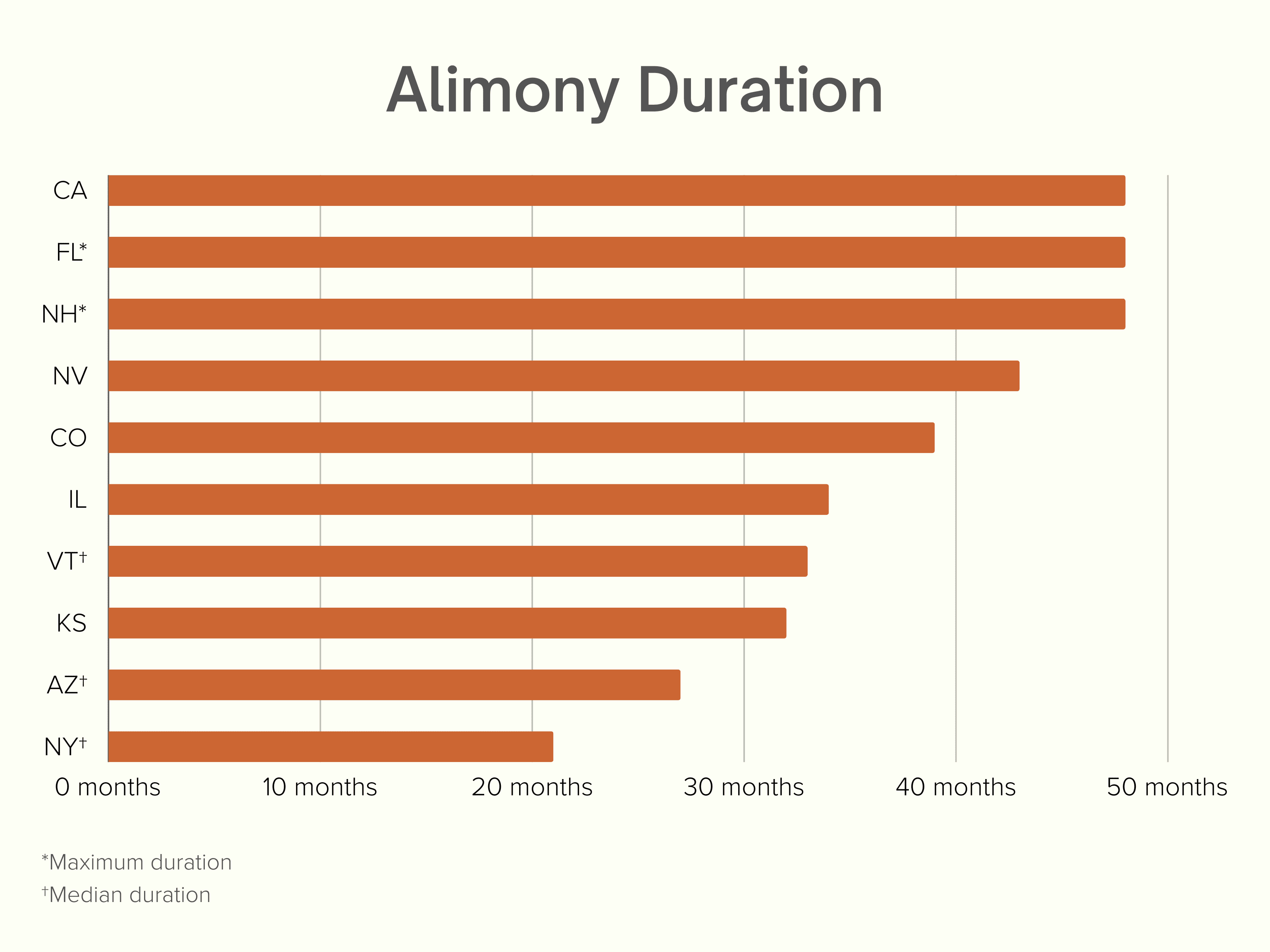
The duration of court-ordered spousal maintenance is also capped by statute, with the general rule being:
- For marriages lasting 10 to 20 years: Maintenance may be ordered for a period not to exceed 5 years.
- For marriages lasting 20 to 30 years: Maintenance may be ordered for a period not to exceed 7 years.
- For marriages lasting 30 years or more: Maintenance may be ordered for a period not to exceed 10 years.
However, these durational limits can be extended if the spouse seeking maintenance is unable to meet their minimum reasonable needs due to a disabling condition or if the child requires care due to a disability.
Factors Influencing Alimony Decisions Beyond the Guidelines
While statutory guidelines provide a framework, courts in Texas are not strictly bound by them when determining the specific amount and duration of spousal maintenance. Judges have considerable discretion and will consider a wide range of factors to ensure a just and equitable outcome.
The Court’s Considerations
When deciding whether to award spousal maintenance and in what amount, a court will examine various circumstances, including:
- The applicant spouse’s earning potential: This includes their education, skills, employability, and the time and cost required to acquire necessary education or training to find suitable employment.
- The financial resources of both spouses: This encompasses all property awarded to each spouse in the divorce, their income, and their ability to earn income.
- The age, health, and physical condition of each spouse: This is a significant factor, especially if one spouse is unable to work due to age or disability.
- The duration of the marriage: As mentioned, this is a key factor in eligibility and duration.
- The contributions of each spouse to the marriage: This includes not only financial contributions but also non-monetary contributions such as homemaking, childcare, and supporting the other spouse’s career or education.
- The conduct of the parties during the marriage: While not always a primary driver, egregious behavior by one spouse could influence the court’s decision.
- Any other relevant factor: This catch-all allows the court to consider unique circumstances of the case.
The Role of Net Income and Earning Capacity
A critical element in alimony determinations is the net income of the paying spouse and the earning capacity of both spouses. The court will meticulously review financial documentation to ascertain the actual income available for maintenance payments. Similarly, if a spouse has the ability to earn income but is voluntarily unemployed or underemployed, the court may impute income to them, meaning they will calculate maintenance based on what that spouse could be earning.
Types of Alimony Arrangements in Texas
Spousal maintenance in Texas can take various forms, offering flexibility to address the unique needs of divorcing couples. The court will consider the most appropriate arrangement based on the specific circumstances of the case.
Periodic Payments
The most common form of spousal maintenance is periodic payments, typically made on a monthly basis. These payments are designed to provide ongoing financial support to the receiving spouse.
Lump Sum Payments
In some instances, a court may order a lump sum payment of alimony. This can occur when a specific asset is awarded to one spouse in the divorce, and that spouse agrees to pay a portion of its value to the other spouse as alimony. This can provide a clean break and avoid ongoing financial entanglements.
Fixed-Term vs. Indefinite Duration
As discussed, the duration of court-ordered maintenance is generally limited by statute. However, in cases involving long-term marriages or severe disability, maintenance may be ordered for an indefinite period. Parties can also agree to different payment schedules or durations than those mandated by statute.
Modification and Termination
Court-ordered spousal maintenance can be modified or terminated under certain circumstances. Typically, modification requires a showing of a substantial and material change in circumstances of either party. Termination usually occurs upon the death of either party, the remarriage of the recipient spouse, or cohabitation of the recipient spouse with another person in a romantic relationship. Parties can agree to different terms regarding modification and termination in their settlement agreements.
Navigating Alimony in Your Texas Divorce
The determination of spousal maintenance in Texas is a complex process that requires careful consideration of legal statutes, judicial discretion, and individual circumstances. Whether you are seeking or defending against a spousal maintenance claim, understanding these factors is paramount.
The Importance of Legal Counsel
Given the nuances and potential for significant financial impact, seeking advice from an experienced Texas divorce attorney is highly recommended. An attorney can help you:
- Assess your eligibility: Determine if you meet the statutory requirements for seeking or opposing spousal maintenance.
- Gather necessary documentation: Collect financial records, employment history, and other evidence to support your claims.
- Negotiate a settlement: Work towards a mutually agreeable spousal maintenance arrangement.
- Represent you in court: Advocate for your best interests if the matter proceeds to trial.
- Understand tax implications: Alimony payments have specific tax consequences that an attorney can explain.

Planning for Your Future
Divorce is a life-altering event, and understanding spousal maintenance is a critical part of financial planning for your future. By arming yourself with knowledge and seeking professional guidance, you can navigate this aspect of your divorce with greater confidence and work towards a secure financial future.
LifeOutOfTheBox is a participant in the Amazon Services LLC Associates Program, an affiliate advertising program designed to provide a means for sites to earn advertising fees by advertising and linking to Amazon.com. Amazon, the Amazon logo, AmazonSupply, and the AmazonSupply logo are trademarks of Amazon.com, Inc. or its affiliates. As an Amazon Associate we earn affiliate commissions from qualifying purchases.