
Understanding the fluctuating market price of copper is crucial for anyone involved in its trade, from large-scale industrial operations to individual scrap collectors. Texas, with its significant industrial base and robust recycling infrastructure, plays a notable role in the domestic copper market. This guide delves into the factors influencing copper prices within the state and provides insights into how to ascertain its current value.
Understanding the Dynamics of Copper Pricing
The price of copper is not static; it’s a dynamic figure influenced by a complex interplay of global and local economic forces. While the foundational price is often set by international commodity markets, regional factors in Texas can introduce subtle variations and affect the ease of selling or buying copper.
Global Market Influences
The London Metal Exchange (LME) and the Commodity Exchange Inc. (COMEX) are key global marketplaces where copper prices are benchmarked. These prices reflect the worldwide supply and demand for copper, which is a vital industrial metal used in everything from electronics and construction to transportation and renewable energy infrastructure.
- Supply and Demand: Major copper-producing nations like Chile and Peru significantly impact global supply. Disruptions due to strikes, political instability, or natural disasters in these regions can lead to price spikes. Conversely, increased mining output or the discovery of new deposits can depress prices. Demand is driven by manufacturing output, economic growth, and the adoption of new technologies that require copper, such as electric vehicles and advanced electronics.
- Economic Indicators: Global economic health is a primary driver. A booming global economy typically translates to higher demand for manufactured goods, thus increasing copper consumption and its price. During economic downturns, industrial production slows, leading to decreased demand and lower prices.
- Geopolitical Events: Wars, trade disputes, and international sanctions can disrupt supply chains and influence investor sentiment, indirectly affecting copper prices.
Texas-Specific Market Factors
While global trends set the baseline, several factors specific to Texas can influence the actual price an individual or business might receive or pay for copper within the state.
- Regional Demand: Texas has a diverse industrial landscape. Its significant presence in sectors like oil and gas, manufacturing, construction, and a growing technology sector means there’s a consistent demand for copper. Areas with higher industrial activity may see slightly more competitive pricing from buyers looking to secure local supply.
- Scrap Metal Recycling Infrastructure: The availability and competitiveness of scrap metal yards across Texas play a crucial role. A higher concentration of recycling facilities in a particular region can lead to more competition among buyers, potentially resulting in better prices for sellers. Conversely, in more rural or less industrialized areas, options may be limited, leading to lower offers.
- Transportation Costs: For larger quantities of copper, transportation costs from the point of sale or collection to the buyer’s facility can impact the net price. Sellers located closer to major industrial centers or processing plants might realize a slightly higher price due to reduced logistical expenses for the buyer.
- Local Regulations and Environmental Policies: State and local regulations regarding scrap metal handling and environmental compliance can influence operational costs for recycling businesses, which may be factored into the prices they offer.
Types of Copper and Their Impact on Price
Not all copper is valued equally. The form and purity of the copper material directly correlate with its market price. Scrap metal yards typically categorize copper into different grades, each commanding a distinct price point.
Common Copper Grades and Their Characteristics
Understanding these grades is essential for anyone looking to sell copper in Texas. The higher the purity and the easier the material is to process, the higher the price it will fetch.
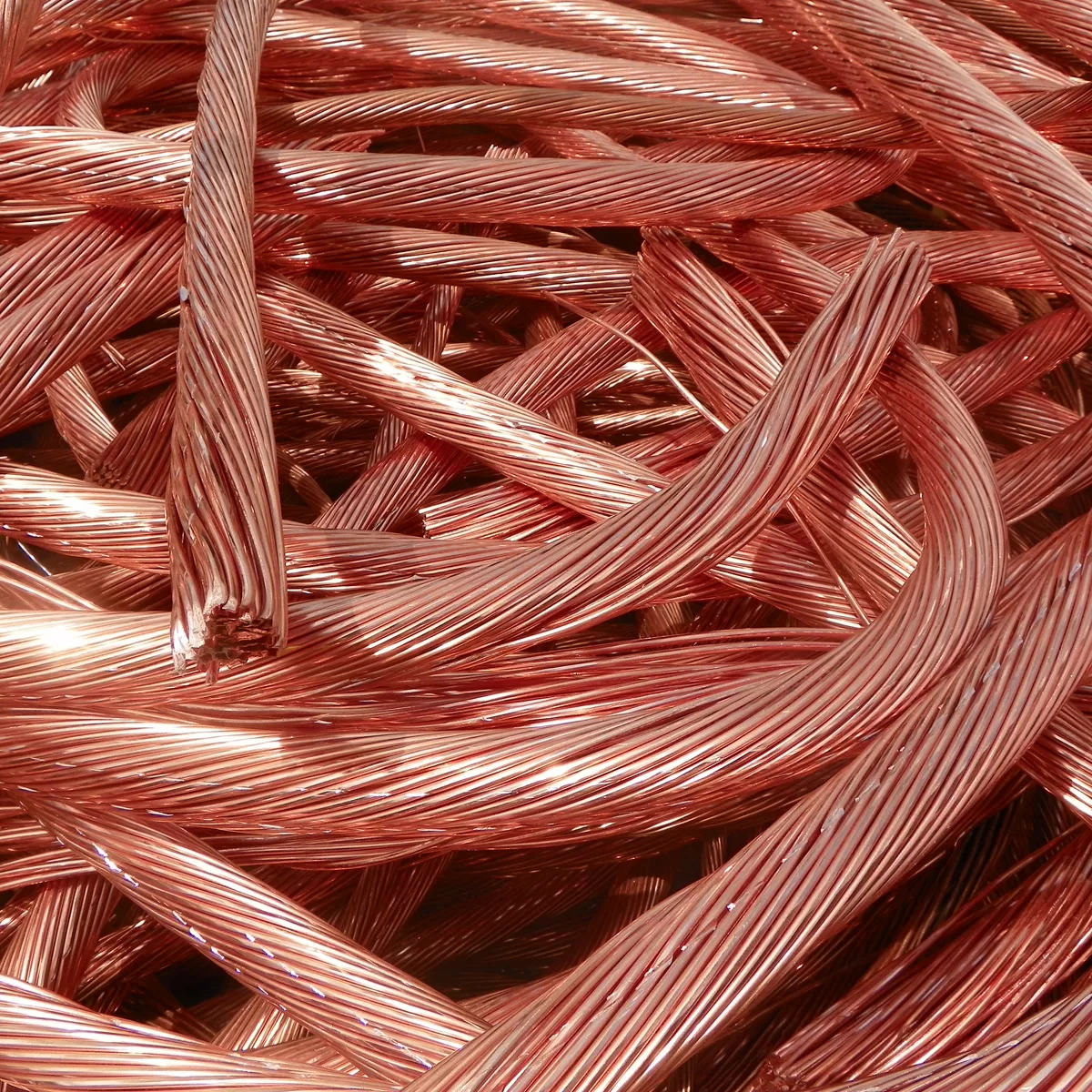
- Bright and Shiny Copper (99%+ Purity): This is the most valuable grade. It includes items like new copper wire (stripped of insulation), new copper tubing, and copper pipes that are clean and free from oxidation, solder, or paint. This is often referred to as “millberry” copper in the industry due to its bright, unblemished appearance.
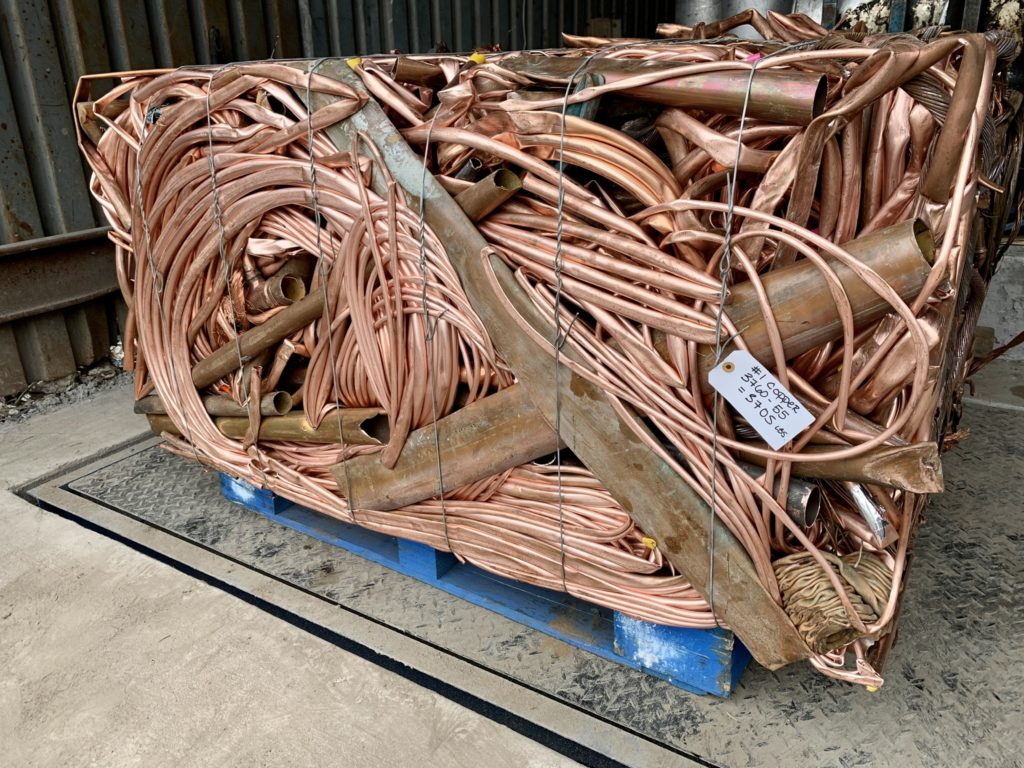
- #1 Copper (95%+ Purity): This grade includes heavier copper pipes and tubing that are still relatively clean but may have some minor oxidation or remnants of solder. Items like clean copper sheeting and copper radiators (without the steel tanks) often fall into this category.
- #2 Copper (90%-95% Purity): This grade is typically a mix of copper and other metals like brass or steel. It includes insulated copper wire (where the insulation needs to be removed), copper with significant oxidation, and plumbing fixtures that contain brass fittings. The presence of impurities lowers its value.
- Copper Wire (Insulated): This is a common form of copper scrap. However, the price offered for insulated copper wire is significantly lower than for bare copper. Scrap yards must incur the cost and effort of stripping the insulation to recover the copper, which is factored into their pricing. The type of insulation and the copper content within the wire also influence its value.
- #3 Copper / Heavy Copper: This is a broader category that can include lighter gauge copper and items that might have more contaminants. It is generally the lowest grade of copper scrap and fetches the lowest price.
Factors Affecting Grade Value
- Purity: As highlighted, the percentage of pure copper is the primary determinant of value.
- Contamination: The presence of other metals, plastic, rubber, paint, oil, or excessive oxidation significantly reduces the price. Buyers need to incur costs to clean or process contaminated copper.
- Form: Clean, easily processed forms like new tubing or wire are more valuable than intricate or heavily constructed items.
How to Determine Current Copper Prices in Texas
Ascertaining the exact price of copper per pound in Texas requires looking at real-time market data and understanding how local buyers operate.
Real-Time Pricing Resources
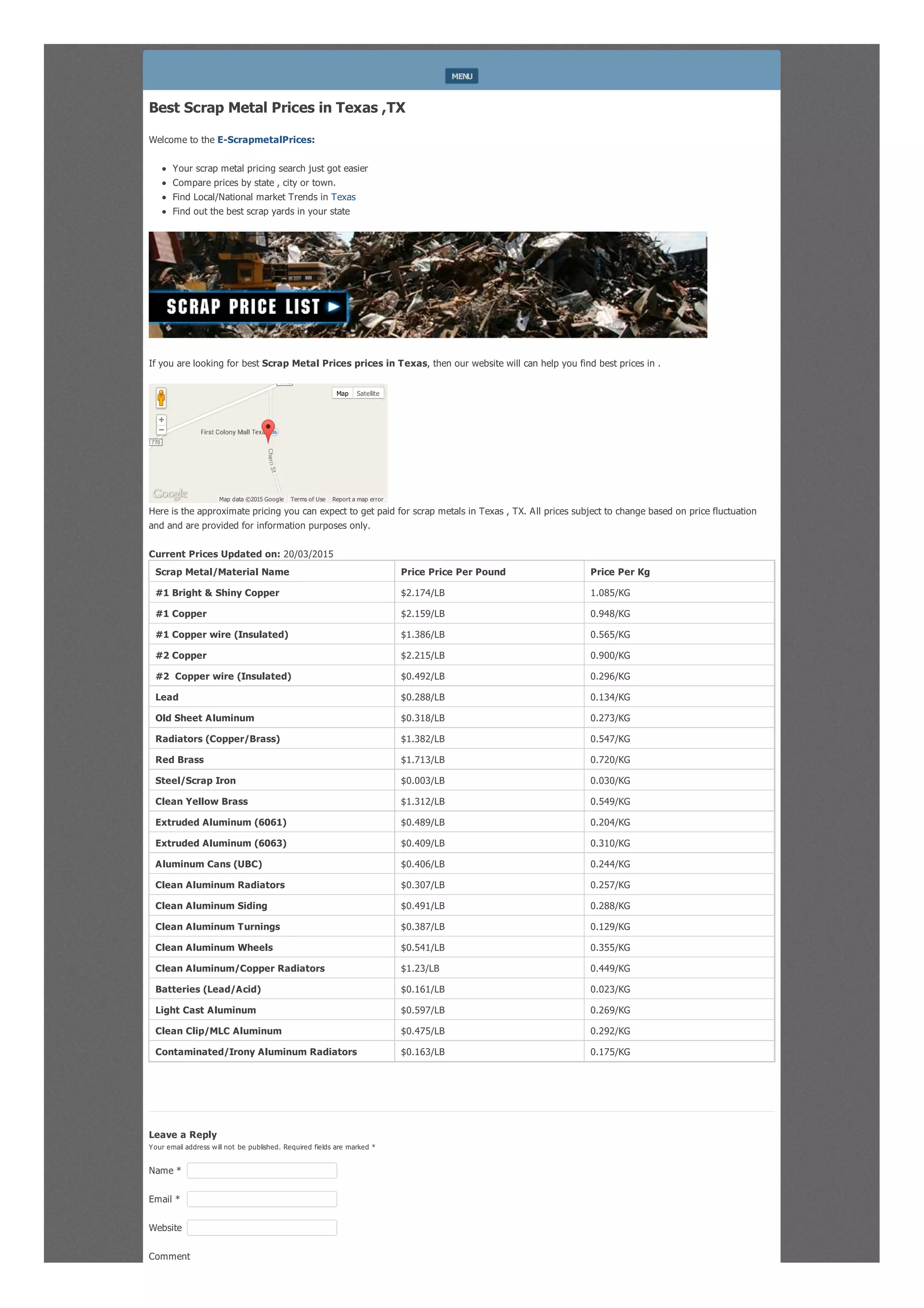
- Local Scrap Metal Yards: The most direct way to find current prices is to contact scrap metal recycling facilities in your area. Most yards will provide daily or even hourly price updates for different grades of copper. It’s advisable to call multiple yards to compare offers.
- Online Metal Marketplaces and Forums: Some websites and online forums dedicated to scrap metal trading may offer price indices or discussions about current market rates. However, these can sometimes be less granular than local yard prices.
- Commodity Market Data: While global commodity prices are a benchmark, they don’t reflect the specific buying prices at local Texas yards. Nevertheless, monitoring LME or COMEX copper futures can provide an overarching sense of market direction.
Factors Influencing Yard Prices
When you contact a Texas scrap yard, remember that their offered price will be influenced by:
- Their Current Inventory: If a yard has a surplus of a particular grade of copper, they might offer a slightly lower price. Conversely, if they are in high demand, they may offer more.
- Their Processing Costs: Yards have operational costs, including labor, machinery, transportation, and environmental compliance. These costs are factored into the price they offer sellers.
- Their Sales Price: The price a yard offers you is based on what they can sell the processed copper for to larger smelters or manufacturers.
- Quantity: For very large quantities, you may be able to negotiate a better price per pound.
Practical Tips for Selling Copper in Texas
- Sort and Clean: Before taking your copper to a scrap yard, sort it by grade as best as you can. Remove any non-copper materials like plastic, steel, or excessive solder. The cleaner and more pure your copper, the higher the price you’ll receive.
- Strip Insulation: If you have insulated copper wire, consider stripping the insulation if you have the means. Many yards offer a lower price for insulated wire because they have to do the stripping themselves.
- Call Ahead: Always call your local scrap yard before you go to get the most up-to-date pricing. Prices can change daily.
- Compare Offers: Don’t settle for the first price you’re offered. Visit or call several yards in your vicinity to ensure you’re getting the best deal.
- Know Your Weights: If selling a significant amount, be prepared to weigh your materials accurately. Some yards may allow you to witness the weighing process.
- Understand the Grades: Familiarize yourself with the different grades of copper so you know what to expect when selling.
Economic Significance of Copper in Texas
Copper’s role in Texas extends beyond its commodity value. It underpins key industries and contributes to the state’s economic vitality.
Copper’s Role in Texas Industries
- Construction: New construction projects, from residential homes in areas like Austin and Dallas to large commercial developments in Houston, require substantial amounts of copper wiring and plumbing.
- Energy Sector: The oil and gas industry, a cornerstone of the Texas economy, uses copper in various electrical and control systems. Furthermore, the state’s burgeoning renewable energy sector, particularly solar and wind power, relies heavily on copper for conductors, turbines, and transmission lines.
- Manufacturing and Technology: Texas hosts a diverse manufacturing base, including electronics and automotive components, all of which utilize copper. The growing tech hubs in cities like Austin are also significant consumers.
- Recycling and Waste Management: The robust scrap metal recycling industry in Texas provides economic opportunities through collection, processing, and reselling of copper, contributing to a circular economy and reducing landfill waste.
Contribution to Local Economies
The trade of copper, both new and recycled, supports jobs within the state. Scrap metal yards, transportation companies, and the industries that purchase copper all contribute to local tax revenues and economic activity. The efficiency and competitiveness of the copper market in Texas, from the individual collector to the industrial buyer, are vital for the smooth operation of these interconnected economic sectors. While the price per pound is a direct financial indicator, the broader economic implications of copper availability and trade are substantial for the Lone Star State.
LifeOutOfTheBox is a participant in the Amazon Services LLC Associates Program, an affiliate advertising program designed to provide a means for sites to earn advertising fees by advertising and linking to Amazon.com. Amazon, the Amazon logo, AmazonSupply, and the AmazonSupply logo are trademarks of Amazon.com, Inc. or its affiliates. As an Amazon Associate we earn affiliate commissions from qualifying purchases.