
Understanding the cost of driver education in Texas is a crucial first step for any aspiring young driver and their family. The financial investment in a comprehensive driver education program goes beyond just the sticker price; it encompasses the quality of instruction, the time commitment, and the ultimate goal of producing a safe, confident, and responsible driver. While the state of Texas mandates certain aspects of driver education, the specific costs can vary significantly based on the type of program, the driving school chosen, and the additional services offered.
Factors Influencing Driver Education Costs in Texas
Several key elements contribute to the overall price tag of driver education programs in Texas. Prospective students and parents should familiarize themselves with these variables to make an informed decision and budget accordingly.
Program Type and Duration
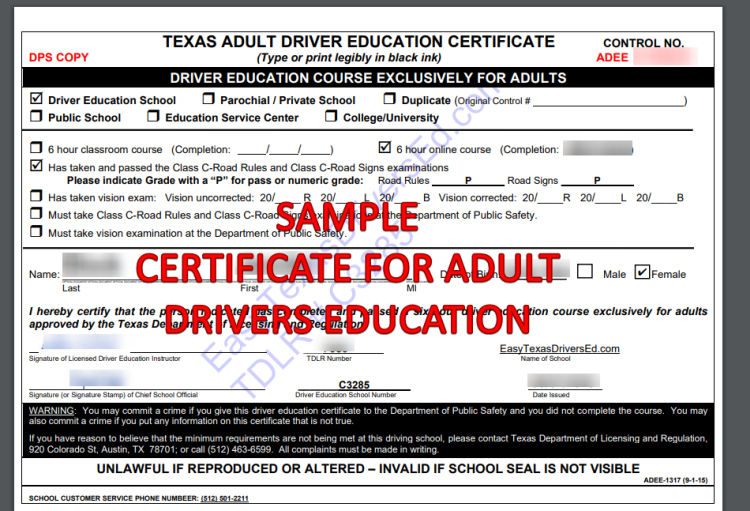
Driver education in Texas is typically divided into two main components: the classroom instruction and the behind-the-wheel training. The state requires a minimum of 32 hours of classroom instruction for teens aged 14-17 to be eligible for a learner’s permit. This is often referred to as the “30-Hour Classroom Course.” Following this, a minimum of 7 hours of in-car observation and 7 hours of actual behind-the-wheel driving practice are required.
Many driving schools offer integrated programs that bundle both classroom and behind-the-wheel components. These comprehensive packages are generally more cost-effective than enrolling in separate courses. The duration of these programs can also influence cost, with more intensive or extended training sessions potentially commanding higher fees.
Driving School Reputation and Location
The reputation and perceived quality of a driving school can also play a significant role in its pricing. Established schools with a long history of success, highly qualified instructors, and a strong track record of producing safe drivers may charge a premium for their services. Conversely, newer or less established schools might offer more competitive pricing to attract students.
Geographic location within Texas can also be a factor. Driving schools in major metropolitan areas like Houston, Dallas, San Antonio, or Austin may have higher overhead costs (rent, utilities, etc.), which can translate into slightly higher tuition fees compared to schools in smaller towns or rural areas.
Additional Services and Packages
Beyond the core curriculum, many driving schools offer a range of optional services that can add to the overall cost. These might include:
- Individualized Instruction: One-on-one behind-the-wheel sessions offer more focused attention and personalized feedback, but at a higher hourly rate.
- Exam Scheduling and Administration: Some schools may assist with scheduling the Texas driving test at the Department of Public Safety (DPS) driver license office, which can be a convenience for busy families.
- Defensive Driving Courses: While not always part of the initial driver education, many individuals opt for a separate defensive driving course later to potentially reduce insurance premiums or dismiss traffic tickets. Some schools offer these as add-ons.
- Online vs. In-Person: The mode of instruction can also affect pricing. Fully online or hybrid driver education courses might be priced differently than traditional in-person classroom settings. Online courses often offer flexibility but may lack the immediate interaction of a physical classroom.
- Practice Vehicle Access: Some schools provide their own vehicles for behind-the-wheel training, which is included in the overall package. Others may expect students to use their own vehicles, though this is less common for formal driver education.
Typical Cost Ranges for Driver Education in Texas
Based on the factors outlined above, the cost of driver education in Texas can vary. It’s essential to get specific quotes from multiple schools in your area to accurately gauge the pricing. However, a general range can be provided to set expectations.
Comprehensive Programs (Classroom & Behind-the-Wheel)
For a complete driver education package that includes both the required classroom hours and the minimum behind-the-wheel training, most driving schools in Texas typically charge between $400 and $700. This range represents the most common offering for teenagers seeking their provisional driver’s license.

- Lower End ($400 – $500): Schools in this bracket might be in less expensive areas, offer slightly less personalized behind-the-wheel instruction, or have larger class sizes. They will still meet all state-mandated requirements.
- Mid-Range ($500 – $600): This is a very common price point for reputable driving schools offering a solid balance of classroom and practical training.
- Higher End ($600 – $700+): Schools at this price point often boast superior instructor qualifications, smaller student-to-instructor ratios for behind-the-wheel sessions, more modern facilities, or a stronger emphasis on advanced driving techniques. Some may also include additional practice sessions or offer more flexible scheduling options.
Standalone Classroom Instruction
If a family opts for a school that only offers the 32-hour classroom component, the cost typically falls between $100 and $250. This is more common for families who may have a relative or friend who can provide the required behind-the-wheel practice. However, it’s crucial to ensure that the chosen classroom provider is state-approved.
Standalone Behind-the-Wheel Instruction
When families seek only behind-the-wheel training, perhaps because the classroom portion was completed elsewhere or online, the costs are usually charged on an hourly basis. For the required minimum of 7 hours, this could range from $50 to $100 per hour, bringing the total for this component to $350 to $700. Some schools offer package deals for a set number of behind-the-wheel hours, which can offer a slight discount compared to paying per hour.
Additional Behind-the-Wheel Hours
Many parents find that their teenager benefits from more than the minimum required behind-the-wheel practice. Driving schools often offer additional driving sessions at rates typically ranging from $60 to $120 per hour. Purchasing these in blocks or packages can sometimes lead to a reduced per-hour cost.
Beyond the Sticker Price: Maximizing Value
While cost is a significant consideration, it’s vital to look beyond the immediate financial outlay and focus on the value provided by a driver education program. Investing in quality instruction can lead to long-term benefits for the new driver’s safety and confidence.
Instructor Qualifications and Training Methodology
The quality of the instructors is paramount. Ensure that the driving school employs certified instructors who are not only knowledgeable about traffic laws and safe driving practices but are also skilled communicators and patient educators. A good instructor can demystify the driving process, build confidence, and instill crucial defensive driving habits.
Curriculum and Practice Opportunities
A comprehensive curriculum should cover not only the rules of the road but also hazard perception, risk assessment, and emergency maneuvers. The quality and frequency of behind-the-wheel practice are equally important. Look for programs that offer varied driving environments (city, highway, rural roads) and provide constructive feedback to the student.
Parent Involvement and Support
Some driving schools offer resources or guidance for parents who will be providing the majority of the behind-the-wheel practice. This can be invaluable in ensuring consistency and reinforcing the skills taught by the professional instructor.
Is Driver Education an Investment?
Absolutely. The cost of driver education in Texas should be viewed as an investment in a teenager’s safety and independence. A well-trained driver is less likely to be involved in accidents, reducing the risk of injury, property damage, and associated costs such as higher insurance premiums or legal fees. Furthermore, the confidence gained from mastering driving skills contributes to a young person’s overall development and ability to participate fully in societal activities, from commuting to work or school to enjoying recreational trips.
When comparing prices, always ask for a detailed breakdown of what is included in the tuition fee. Understanding the hours of instruction, the types of vehicles used, the qualifications of the instructors, and any additional services will help you make the most informed decision for your family and ensure that you are getting the best possible value for your money. The goal is to equip your new driver with the skills and knowledge to navigate Texas roads safely and responsibly for years to come.
LifeOutOfTheBox is a participant in the Amazon Services LLC Associates Program, an affiliate advertising program designed to provide a means for sites to earn advertising fees by advertising and linking to Amazon.com. Amazon, the Amazon logo, AmazonSupply, and the AmazonSupply logo are trademarks of Amazon.com, Inc. or its affiliates. As an Amazon Associate we earn affiliate commissions from qualifying purchases.