
While the question of minimum wage in Texas might seem straightforward, its implications ripple far beyond simple arithmetic, touching upon the very fabric of the state’s economic landscape and influencing various facets of travel, hospitality, and lifestyle within its borders. Understanding the minimum wage is not just about checking a box; it’s about comprehending the economic underpinnings that shape visitor experiences, the viability of local businesses, and the affordability of different lifestyle choices for residents and travelers alike.
The Federal Floor and State Specifics
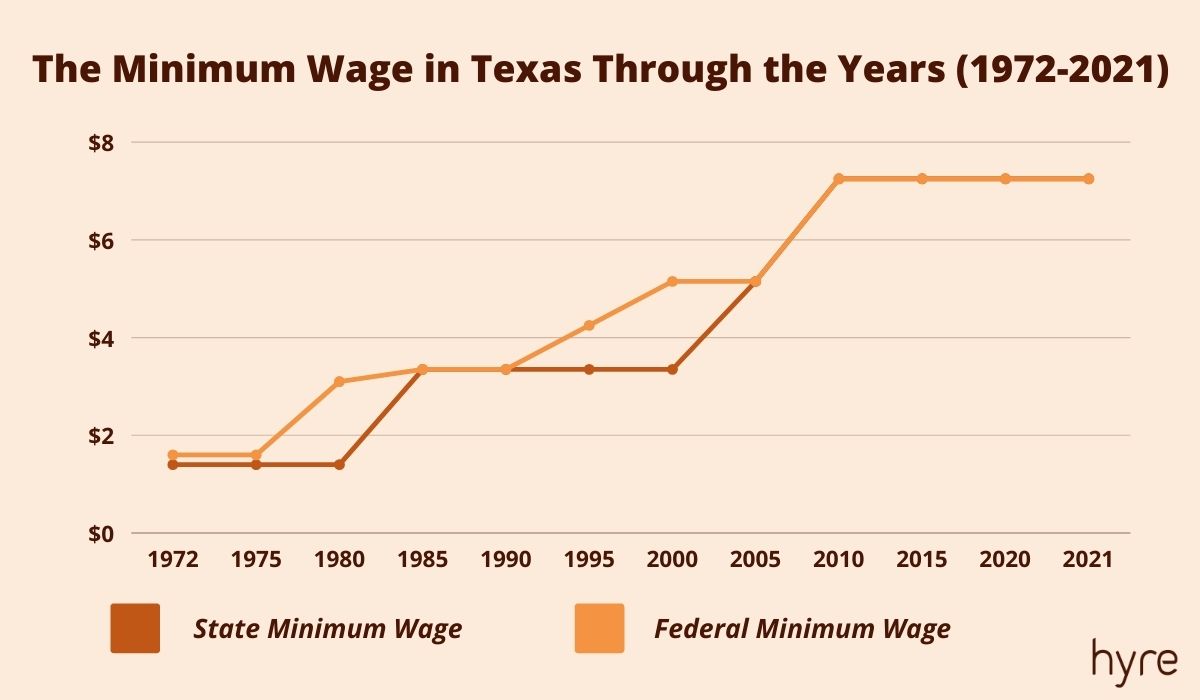
The United States operates under a federal minimum wage, established by the Fair Labor Standards Act (FLSA). This federal rate serves as a baseline, ensuring a minimum hourly compensation for most employees across the nation. However, states are permitted to set their own minimum wage rates, provided they are higher than the federal standard. If a state’s minimum wage is lower than the federal rate, then the federal rate applies. Conversely, if a state’s minimum wage is higher, employers must adhere to the state’s higher rate.
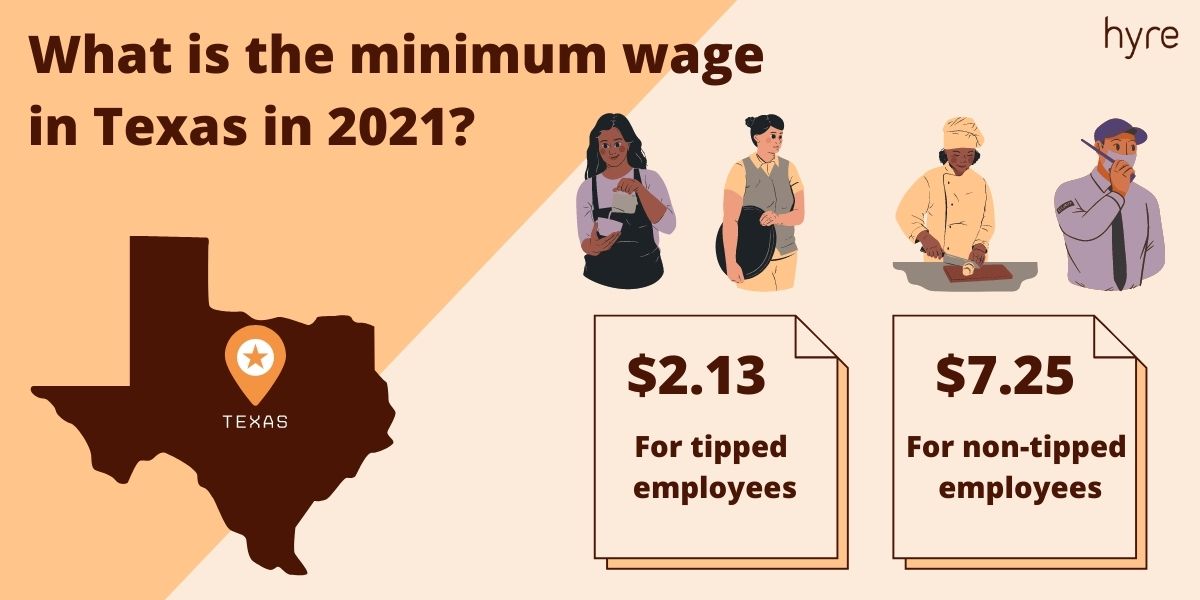
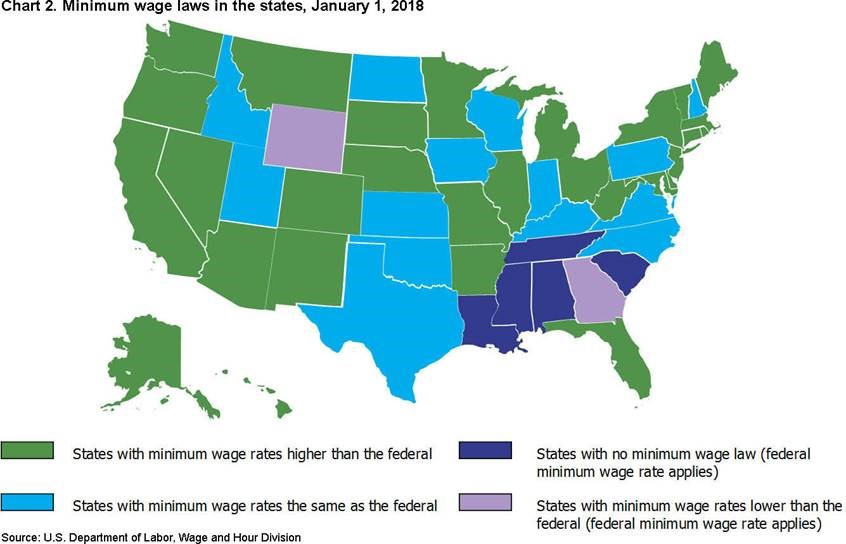
In the case of Texas, the state has historically chosen not to establish a minimum wage higher than the federal minimum wage. This means that for the vast majority of employers in Texas, the federal minimum wage is the legally mandated minimum they must pay their employees. This decision has significant ramifications for businesses operating in the state, particularly those in labor-intensive sectors such as hospitality and retail, which are cornerstones of the Texas tourism industry.
Federal Minimum Wage Overview
The current federal minimum wage in the United States stands at $7.25 per hour. This rate has been in effect since July 24, 2009. This figure is a critical benchmark for businesses across the country, including those in popular Texas destinations like Austin, Dallas, and Houston. For many service industry jobs, which are abundant in the hospitality sector, this wage floor dictates the starting pay.
Texas’s Approach to Minimum Wage
Texas, by not enacting a state-specific minimum wage that exceeds the federal level, effectively adopts the $7.25 per hour rate as its minimum. This contrasts with many other states that have set higher minimum wages, often adjusted annually for inflation or through legislative action. This deliberate choice by the Texas legislature has been a subject of ongoing debate, with proponents arguing it fosters business growth and job creation by reducing labor costs, while critics contend it contributes to low wages, income inequality, and increased reliance on public assistance programs.
Impact on the Hospitality and Tourism Sectors
The minimum wage, whether federal or state-set, has a profound and multifaceted impact on the hospitality and tourism industries, which are vital to the Texas economy. These sectors are often characterized by a significant number of entry-level positions and a reliance on service staff, from hotel housekeepers and restaurant servers to tour guides and front desk agents.
Wages for Service Staff
For countless individuals working in hotels, restaurants, and attractions across Texas, the minimum wage of $7.25 per hour represents their base earnings. This directly affects their cost of living and discretionary spending, which in turn influences their participation in local activities and their ability to afford accommodations or dining experiences. For tourists, the wages paid to service staff can indirectly affect prices, as businesses may adjust pricing to offset labor costs or to attract and retain qualified employees in a competitive market.
Business Operations and Pricing Strategies
Businesses in Texas’s tourism sector must operate within the existing wage laws. A lower minimum wage can potentially allow businesses to offer more competitive pricing for their services, which can be attractive to budget-conscious travelers. However, it can also lead to challenges in recruiting and retaining staff, especially in areas with a high cost of living or strong competition for labor. This delicate balance forces businesses to consider various strategies, from offering performance-based incentives and benefits to investing in employee training and development, to ensure quality of service and customer satisfaction.
The Role of Tipped Employees
A significant aspect of minimum wage considerations in the hospitality industry pertains to tipped employees, such as waitstaff and bartenders. The FLSA allows employers to pay tipped employees a lower cash wage, provided that the employee’s tips, when added to the cash wage, equal at least the federal minimum wage. In Texas, as the state does not have a higher minimum wage, this federal provision often applies. The cash wage for tipped employees can be as low as $2.13 per hour, with the expectation that tips will bridge the gap to at least $7.25 per hour. This practice, while legal, is frequently debated, with concerns raised about wage stability and potential exploitation. Understanding this nuance is crucial for both employers seeking to comply with labor laws and employees navigating their compensation.
Implications for Lifestyle and Budget Travel in Texas
The prevailing minimum wage in Texas has tangible effects on the lifestyle choices available to its residents and the budgeting strategies employed by visitors. For individuals earning at or near the minimum wage, their purchasing power is directly impacted, influencing their ability to afford basic necessities, recreational activities, and travel experiences within the state.
Affordability for Residents
For Texans earning minimum wage, the cost of living in various cities and towns across the state becomes a significant consideration. Whether it’s renting an apartment in San Antonio or covering transportation costs to reach popular attractions, the $7.25 per hour wage sets a challenging threshold. This reality often means that leisure activities, dining out, and even short weekend getaways within Texas might be less accessible, pushing many towards more frugal lifestyle choices or reliance on community resources.
Budget Travel Considerations for Visitors
For visitors to Texas, understanding the general economic conditions, including wage levels, can offer insights into local pricing and the overall cost of a trip. While major tourist hubs might have pricing structures that reflect national averages, understanding the base wage can provide context. For budget travelers, this might mean seeking out more affordable accommodation options, exploring free attractions like state parks, or dining at casual eateries where labor costs might be more closely aligned with the prevailing minimum wage. Popular destinations like Galveston or the Texas Hill Country offer a range of experiences, and awareness of local economic factors can help travelers optimize their budgets.
The Influence on Local Economies
The spending habits of individuals earning minimum wage have a direct impact on local economies. When a significant portion of the population has limited discretionary income, the demand for non-essential goods and services, including tourism-related activities, can be lower. This can create a cycle where businesses that rely on local patronage may struggle, potentially affecting the vibrancy of certain communities and the diversity of experiences available to visitors. Conversely, any increase in minimum wage could theoretically boost consumer spending, leading to greater demand for local products and services, including those offered by hotels, restaurants, and tour operators.
The Broader Economic Conversation
The minimum wage in Texas is not merely a regulatory detail; it is a focal point in a larger, ongoing conversation about economic policy, social equity, and the future prosperity of the state. Debates around its sufficiency and potential adjustments involve a wide array of stakeholders, from policymakers and business owners to labor advocates and everyday citizens.
Calls for an Increase and Counterarguments
Advocates for increasing the minimum wage in Texas often point to the rising cost of living and the argument that a wage of $7.25 per hour is insufficient to support a basic standard of living. They highlight studies that suggest higher minimum wages can reduce poverty, decrease employee turnover, and stimulate economic activity through increased consumer spending. On the other hand, opponents frequently raise concerns about potential negative impacts on employment, particularly for small businesses. They argue that mandated wage increases could force businesses to cut jobs, reduce hours, or raise prices, potentially harming the very individuals they aim to help.
Impact on Specific Industries and Regions
Different industries and regions within Texas can experience the effects of the minimum wage differently. Urban centers with a higher cost of living, such as Houston or Austin, might feel the pressure of the current minimum wage more acutely than more rural areas. Similarly, industries heavily reliant on low-wage labor, like agriculture and parts of the service sector, face more direct consequences from wage policies than those with higher average wages or more automated processes. The tourism sector, which spans many of these areas and industries, is thus intricately linked to these economic discussions.
The Long-Term Outlook
The question of minimum wage in Texas remains a dynamic issue. Legislative sessions often bring proposals to raise the wage, though these have historically not gained sufficient traction to be enacted. The ongoing economic development of the state, coupled with national trends and evolving social priorities, will likely continue to shape this debate. For anyone involved in or planning to engage with the Texas economy, whether as a business owner, employee, or visitor, staying informed about potential changes to minimum wage laws and their broader economic implications is essential for making informed decisions. This includes understanding how such policies can affect everything from the cost of a hotel room in San Antonio to the wages earned by the staff providing services at popular attractions throughout the Lone Star State.
LifeOutOfTheBox is a participant in the Amazon Services LLC Associates Program, an affiliate advertising program designed to provide a means for sites to earn advertising fees by advertising and linking to Amazon.com. Amazon, the Amazon logo, AmazonSupply, and the AmazonSupply logo are trademarks of Amazon.com, Inc. or its affiliates. As an Amazon Associate we earn affiliate commissions from qualifying purchases.