
Understanding the minimum wage in Texas is crucial for anyone planning a trip, considering a lifestyle shift, or simply wishing to grasp the economic landscape of the Lone Star State. While the federal minimum wage stands at $7.25 per hour, Texas aligns with this figure. This seemingly straightforward number, however, carries significant implications for various aspects of life and tourism within the state. From the cost of accommodation to the affordability of dining out at local eateries, the minimum wage sets a foundational economic tone that impacts both residents and visitors alike.
The Foundation: Federal vs. State Minimum Wage
The minimum wage is a legally mandated price floor on the hourly wages that employers must pay their workers. In the United States, the Fair Labor Standards Act (FLSA) establishes the federal minimum wage. This federal standard serves as a baseline, meaning that no state can mandate a minimum wage lower than this amount.
Texas’s Alignment with Federal Law
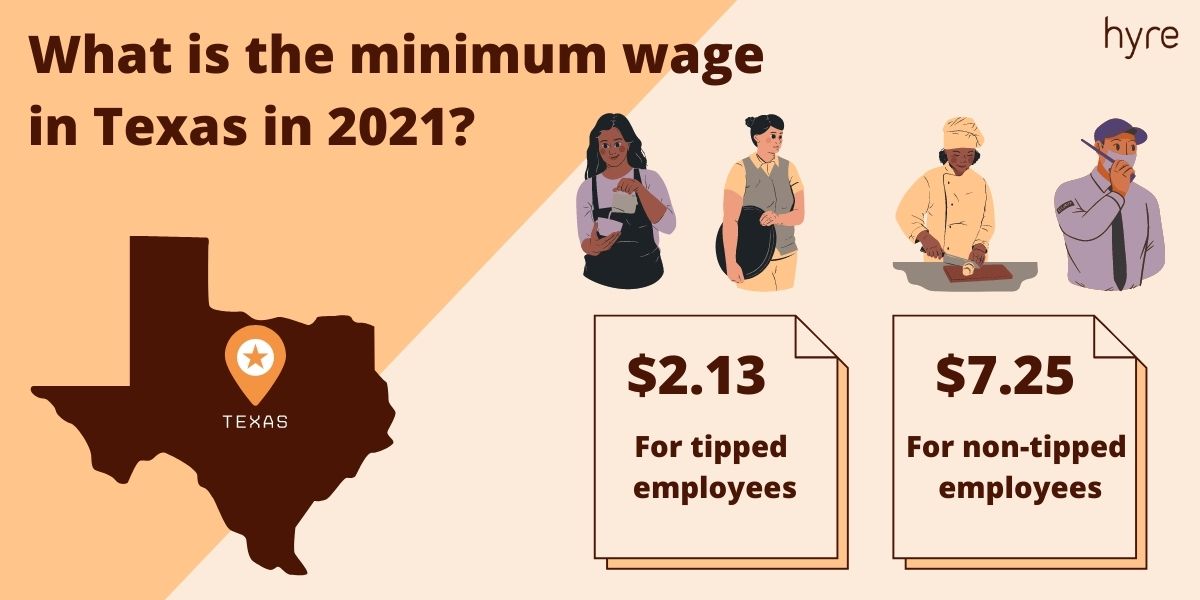
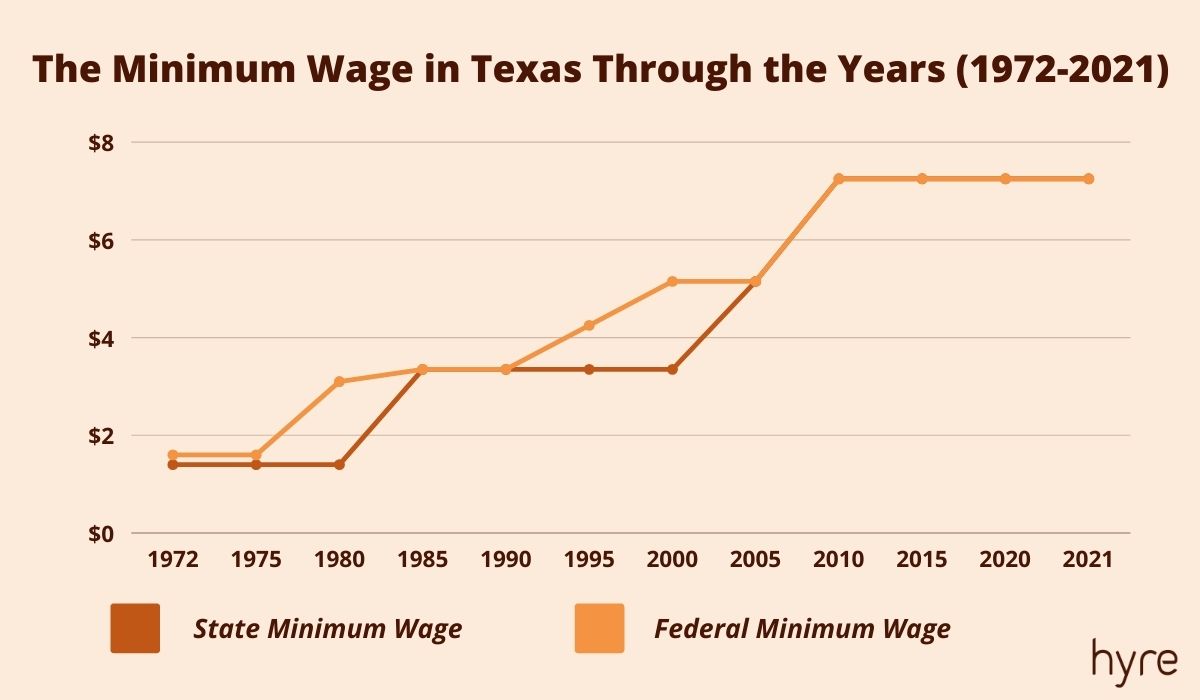
Unlike some states that have opted to set their minimum wage higher than the federal standard, Texas has not enacted its own state-specific minimum wage law that differs from the federal rate. Consequently, the minimum wage in Texas is $7.25 per hour. This rate has been in effect since the last federal increase in 2009.
It is important to note that certain categories of workers may be exempt from minimum wage laws, or subject to different rates. These often include tipped employees, certain student workers, and individuals with disabilities. For tipped employees, Texas follows the federal structure, allowing employers to pay a lower cash wage if the tips received bring the total hourly earnings up to at least the federal minimum wage. Specifically, the federal minimum cash wage for tipped employees is $2.13 per hour. If an employee’s tips combined with this cash wage do not equal the federal minimum wage of $7.25 per hour, the employer must make up the difference.
Implications for Travelers and Tourists
The minimum wage in Texas has a tangible impact on the experience of travelers and tourists exploring the state’s diverse offerings, from the bustling streets of Houston to the historic charm of San Antonio.
Cost of Services and Goods
A lower minimum wage can contribute to a lower cost of labor for businesses. This can translate into more affordable prices for goods and services, which can be beneficial for tourists. For instance, dining at local diners, exploring smaller boutiques, or engaging in certain activities might be more budget-friendly when the cost of labor is kept lower due to the prevailing minimum wage. This is particularly relevant when considering budget travel strategies within Texas.
However, it’s a complex economic equation. While lower labor costs might suggest lower prices, other factors such as demand, supply chains, and operational overhead also play significant roles in determining the final price consumers pay. The perception of affordability is also influenced by the overall cost of living in specific Texas cities or regions. For instance, the cost of accommodation in major metropolitan areas like Dallas or Austin may be higher than in smaller towns, irrespective of the minimum wage.
The Service Industry and Visitor Experience
The majority of jobs directly impacted by minimum wage laws are within the service industry, which is heavily involved in catering to tourists. This includes hospitality workers at hotels and resorts, restaurant staff, retail employees, and those working in attractions.
A minimum wage of $7.25 per hour means that many individuals in these roles earn a modest income. This can affect the number of staff available during peak hours or the level of service provided, though it is important to avoid generalizations. Many Texans working in these fields are dedicated and provide excellent service. However, in areas with a high cost of living or during periods of high tourism, businesses may face challenges in attracting and retaining staff at this wage level, potentially impacting the overall visitor experience.
For travelers, understanding this economic backdrop can foster a greater appreciation for the service they receive. It also highlights the importance of tipping, particularly for tipped employees, as tips often supplement a low base wage and are crucial for their overall income.
Economic Considerations and Lifestyle in Texas
The minimum wage is a cornerstone of discussions around economic fairness, poverty reduction, and the overall lifestyle of residents. For those living in Texas, particularly in areas with a higher cost of living such as major cities like Austin or the affluent suburbs of Dallas, earning the minimum wage can present significant financial challenges.
Affordability and Cost of Living
The $7.25 per hour minimum wage translates to an annual income of approximately $15,080 for a full-time worker (40 hours per week, 52 weeks per year). This figure can be considerably below the poverty line for an individual or a family, making it difficult to cover essential expenses like housing, food, healthcare, and transportation.
This economic reality influences the types of neighborhoods travelers might find themselves in, the cost of local transportation, and even the availability of certain amenities in more budget-conscious areas. While Texas boasts luxurious resorts and high-end dining, the lower minimum wage also means that a substantial portion of the population operates on a much tighter budget. This dichotomy is a key characteristic of the Texas economy.
Impact on Local Economies and Small Businesses
For small businesses in Texas, the minimum wage is a significant operational cost. While the current rate may help keep overhead low, it also impacts consumer spending power. When a large segment of the population earns at or near the minimum wage, their ability to spend on discretionary items, such as travel experiences or dining out, is limited.
Conversely, an increase in the minimum wage could potentially boost local economies by putting more money into the hands of low-wage workers, who are likely to spend it within their communities. This could lead to increased demand for local goods and services, including those that attract tourism. However, businesses might respond to higher labor costs by increasing prices, reducing staff, or cutting back on other expenses, creating a complex ripple effect.
The debate around raising the minimum wage is ongoing, with proponents arguing for improved living standards and economic stimulus, and opponents raising concerns about job losses and increased business costs. This discussion is central to understanding the economic well-being of Texas and its implications for both residents and visitors.
Beyond the Hourly Rate: Nuances and Exceptions
While the headline figure of $7.25 per hour is the most commonly cited minimum wage in Texas, it’s essential to acknowledge that the reality for some workers can be more nuanced. Several factors and exceptions can influence the actual wages earned.
Tipped Employees and Tip Credits
As previously mentioned, the situation for tipped employees is distinct. In Texas, employers can pay tipped workers a cash wage as low as $2.13 per hour, provided that the employee’s tips, when combined with this cash wage, reach at least the federal minimum wage of $7.25 per hour. This system is prevalent in the food service industry, a significant sector for tourism in cities like Austin with its vibrant culinary scene, or New Orleans (though technically in Louisiana, the concept applies broadly to Southern states). The effectiveness and fairness of this tip credit system are subjects of continuous debate.
Youth Minimum Wage
The FLSA allows employers to pay a “youth wage” of not less than $4.25 per hour to employees under 20 years of age during their first 90 calendar days of employment. After 90 days, these employees must be paid the full federal minimum wage. This provision is intended to provide entry-level opportunities for young workers gaining experience.
Minimum Wage for Individuals with Disabilities
Under Section 14(c) of the FLSA, employers can obtain special certificates that allow them to pay wages lower than the federal minimum wage to individuals with disabilities whose earning or productive capacity is impaired by their physical or mental disability. This provision aims to promote employment opportunities for individuals with disabilities, though it is also a point of contention regarding fair compensation.
Local Ordinances and Future Possibilities
While Texas currently adheres strictly to the federal minimum wage, it’s worth noting that some cities or counties in other states have attempted to establish their own local minimum wage ordinances. These efforts have faced legal challenges. However, the landscape of labor laws can evolve. Federal and state governments continually review and debate minimum wage policies, and future changes could impact the minimum wage in Texas. Travelers planning extended stays or considering relocation for work might wish to monitor any potential legislative developments.
In conclusion, the minimum wage in Texas is $7.25 per hour, aligning with the federal standard. This figure, while simple on the surface, has a profound and multifaceted impact on the economy, the lifestyle of residents, and the experience of visitors exploring the vast and diverse attractions the state has to offer, from the historic Alamo in San Antonio to the modern marvels of Houston.
LifeOutOfTheBox is a participant in the Amazon Services LLC Associates Program, an affiliate advertising program designed to provide a means for sites to earn advertising fees by advertising and linking to Amazon.com. Amazon, the Amazon logo, AmazonSupply, and the AmazonSupply logo are trademarks of Amazon.com, Inc. or its affiliates. As an Amazon Associate we earn affiliate commissions from qualifying purchases.