
Navigating the intricacies of sales tax in Texas is a crucial element for both residents and visitors planning their expenditures. While Texas is famously known for its lack of a state income tax, this often leads to a higher reliance on sales tax to fund state and local services. Understanding these rates, how they are applied, and where to find specific local variations can significantly impact travel budgets, shopping excursions, and even the cost of services within the Lone Star State. This guide delves into the structure of Texas sales tax, providing clarity for anyone engaging in commerce across its diverse cities and counties.
The Foundation: State Sales Tax Rate
The foundation of sales tax in Texas is its statewide rate. This is the base rate that applies to most taxable goods and services sold within the state.
The Base Rate and Its Application
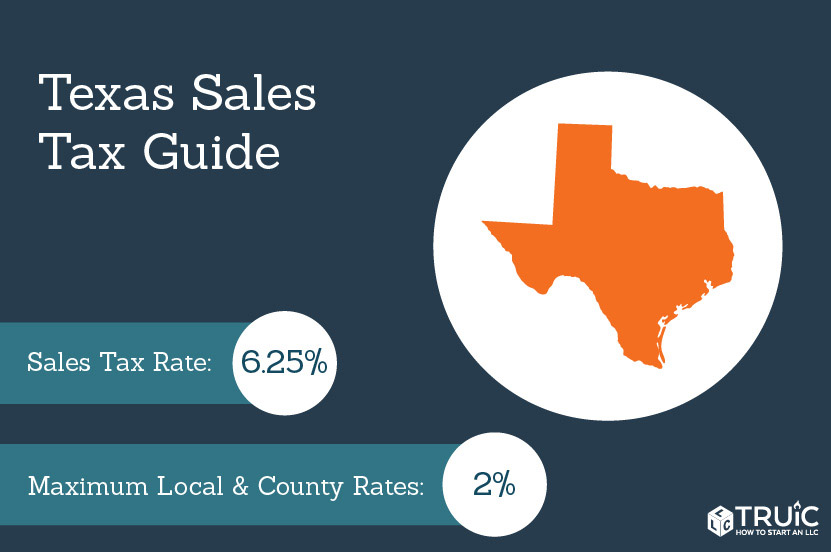
The current statewide sales tax rate in Texas is 6.25%. This rate is applied to the retail sale of tangible personal property and certain taxable services. When you purchase an item or a service that falls under the purview of Texas sales tax law, this 6.25% is the initial amount added to the sticker price.
What is Taxable?
Texas law specifies which goods and services are subject to sales tax. Generally, most tangible personal property, such as clothing, electronics, furniture, and vehicles, is taxable. Many services are also taxable, including:
- Admissions to amusement, entertainment, and recreational facilities
- Services provided by hotels and other lodging establishments
- Repairs and renovations to real property
- Information services
- Various business and personal services
It’s important to note that not everything is taxed. Essential items like most groceries, prescription drugs, and certain agricultural products are typically exempt from sales tax. The Texas Comptroller of Public Accounts provides comprehensive lists of taxable and exempt items and services, which are invaluable resources for consumers.
Exemptions and Special Cases
While the 6.25% is the baseline, several exemptions and special cases can affect the final amount paid. For instance, certain organizations, like religious and charitable institutions, may be exempt from paying sales tax on their purchases. Similarly, direct sales of qualifying agricultural products to consumers are often exempt. Understanding these specific exemptions can lead to significant savings, especially for frequent shoppers or businesses operating within the state.
Local Additions: City and County Taxes
Beyond the state’s 6.25%, a significant portion of the sales tax burden comes from local entities. Cities, counties, and special districts have the authority to impose their own local sales taxes, which are added on top of the state rate. This is where the variation in overall sales tax rates across Texas becomes most apparent.
Understanding the Combined Rate
The combined sales tax rate in any given Texas locality is the sum of the state rate (6.25%) and any applicable local taxes. These local taxes can include:
- City Sales Tax: Imposed by incorporated cities.
- County Sales Tax: Imposed by counties for general revenue or specific purposes like road and bridge maintenance.
- Metropolitan Transit Authority (MTA) Tax: In major metropolitan areas, an MTA tax may be added to fund public transportation systems.
- Special District Taxes: These can include taxes for school districts or economic development corporations.
The maximum combined state and local sales tax rate in Texas is capped at 8.25%. However, this cap applies only to sales within a city or town and does not include taxes imposed by special districts that are not considered “local” for the purpose of the cap. For most everyday purchases, the 8.25% cap serves as a practical upper limit in urban areas.
Examples of Local Variations
The cumulative effect of these local taxes leads to significant differences in the total sales tax paid depending on where you are in Texas. For example:
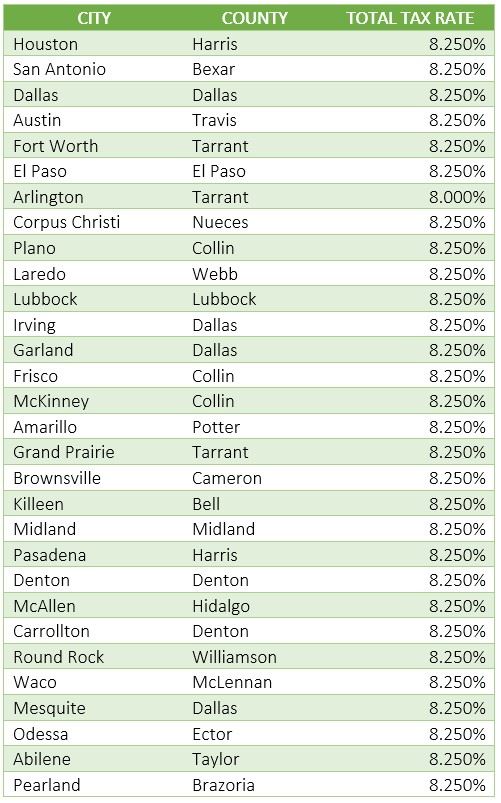
- Houston: In Houston, Texas, the combined sales tax rate typically reaches the 8.25% cap. This rate applies to most purchases made within the city limits, contributing to the funding of city services and the Metropolitan Transit Authority of Harris County.
- Austin: Similarly, Austin, the vibrant capital of Texas, also generally has a combined rate of 8.25%, reflecting the state rate plus local city and transit authority taxes that bring it to the maximum.
- Dallas: Dallas, another major economic hub, also sees a combined sales tax rate of 8.25% in most areas, supporting its various municipal functions.
- Smaller Towns and Rural Areas: In contrast, smaller towns and more rural counties may have lower combined rates. If a city or county has not imposed additional local taxes, the rate might remain at the state level of 6.25%, or only have a small county tax added. This can make shopping in these areas more appealing for tax-conscious consumers.
It is essential for shoppers to be aware of the specific sales tax rate in the city or county where a transaction takes place, as this can influence purchasing decisions, especially for larger items.
Specialized Taxes and Rate Adjustments
Beyond the general state and local sales tax, Texas has other specialized taxes and adjustments that affect specific industries and transactions. These are designed to generate revenue for particular state programs or to regulate certain activities.
Motor Vehicle Sales Tax
The sale of new and used motor vehicles in Texas is subject to a specific sales tax, which is generally 6.25% of the sales price or the assigned market value, whichever is greater. This tax is collected by the county tax assessor-collector when the vehicle is registered. In addition to this base rate, local jurisdictions may impose additional taxes, bringing the total rate on vehicles in some areas up to the 8.25% cap or higher if special district taxes apply. This tax is crucial for funding state and local transportation infrastructure.
Mixed Beverage Tax
For establishments that sell mixed beverages (alcoholic drinks containing liquor, wine, or beer mixed with other ingredients), Texas imposes a Mixed Beverage Tax. This tax is levied at a rate of 14% on the gross receipts from the sale of mixed beverages. This is in addition to the state and local general sales tax that may apply to food and non-alcoholic beverages sold by the establishment. This higher rate aims to generate revenue from the sale of alcoholic beverages and is a significant consideration for restaurants and bars.
Franchise Tax vs. Sales Tax
It is important to distinguish sales tax from the Texas Franchise Tax. The Franchise Tax is a tax on businesses operating in Texas, based on their taxable margin. It is not a tax collected from consumers at the point of sale. Consumers only encounter and pay sales tax on their purchases.
Economic Development Districts
Certain areas within Texas may have special economic development districts that are authorized to impose a portion of the state sales tax, often up to 1.5%. These taxes are specifically earmarked for local economic development projects. When these districts exist, the combined sales tax rate can exceed the general 8.25% cap. For instance, a shopping destination within such a district might have a total sales tax rate of 9.75% (6.25% state + 1.5% EDC + 2% local). These rates are typically clearly posted or communicated by retailers within these designated zones.
Planning Your Texas Expenditures: Tips for Travelers and Shoppers
Understanding the sales tax structure in Texas is particularly beneficial for travelers and frequent shoppers. Being aware of the rates can help you budget more effectively and make informed purchasing decisions.
Budgeting for Purchases
When planning a trip to Texas or making significant purchases, always factor in the sales tax. The difference between a 6.25% rate and an 8.25% rate can add up, especially on electronics, clothing, or furniture. For major purchases, consider researching the sales tax rates in different cities or counties you might be visiting. You might find that shopping in a neighboring town or a less populated area could result in a noticeable saving.
Utilizing Online Resources
The Texas Comptroller of Public Accounts is an excellent resource for detailed information on sales tax. Their website provides searchable databases of sales tax rates by address, lists of taxable and exempt goods and services, and publications explaining the nuances of the tax code. For travelers, using these online tools before or during your trip can save you money and potential confusion. Many online retailers that ship to Texas will also automatically calculate and apply the correct sales tax based on your delivery address.
Differentiating Between Retail and Services
Remember that sales tax applies to both goods and many services. When booking accommodations, such as a hotel in San Antonio or a resort near Galveston, the room rate will likely include state and local sales tax. Similarly, when engaging in activities like visiting amusement parks or attending events, the ticket price will reflect the applicable sales tax. Understanding this can help you better estimate the total cost of your travel experiences.

The Impact on Local Tourism
For the tourism industry in Texas, sales tax plays a dual role. It provides a vital source of funding for local infrastructure, attractions, and services that enhance the visitor experience. However, high sales tax rates can also influence where tourists choose to spend their money. Destinations that offer value beyond just the price point, such as unique cultural experiences in Fort Worth, world-class dining in Dallas, or historical landmarks like the Alamo in San Antonio, often attract visitors regardless of the sales tax. The state and local governments continually balance the need for revenue with the desire to remain competitive as a tourist destination.
In conclusion, while Texas may not have a state income tax, its sales tax system is comprehensive and multifaceted. From the foundational state rate to the myriad of local additions and specialized taxes, understanding “How Much Is Sales Tax In Texas?” is key to smart spending and informed commerce across the vast and diverse Lone Star State.
LifeOutOfTheBox is a participant in the Amazon Services LLC Associates Program, an affiliate advertising program designed to provide a means for sites to earn advertising fees by advertising and linking to Amazon.com. Amazon, the Amazon logo, AmazonSupply, and the AmazonSupply logo are trademarks of Amazon.com, Inc. or its affiliates. As an Amazon Associate we earn affiliate commissions from qualifying purchases.