
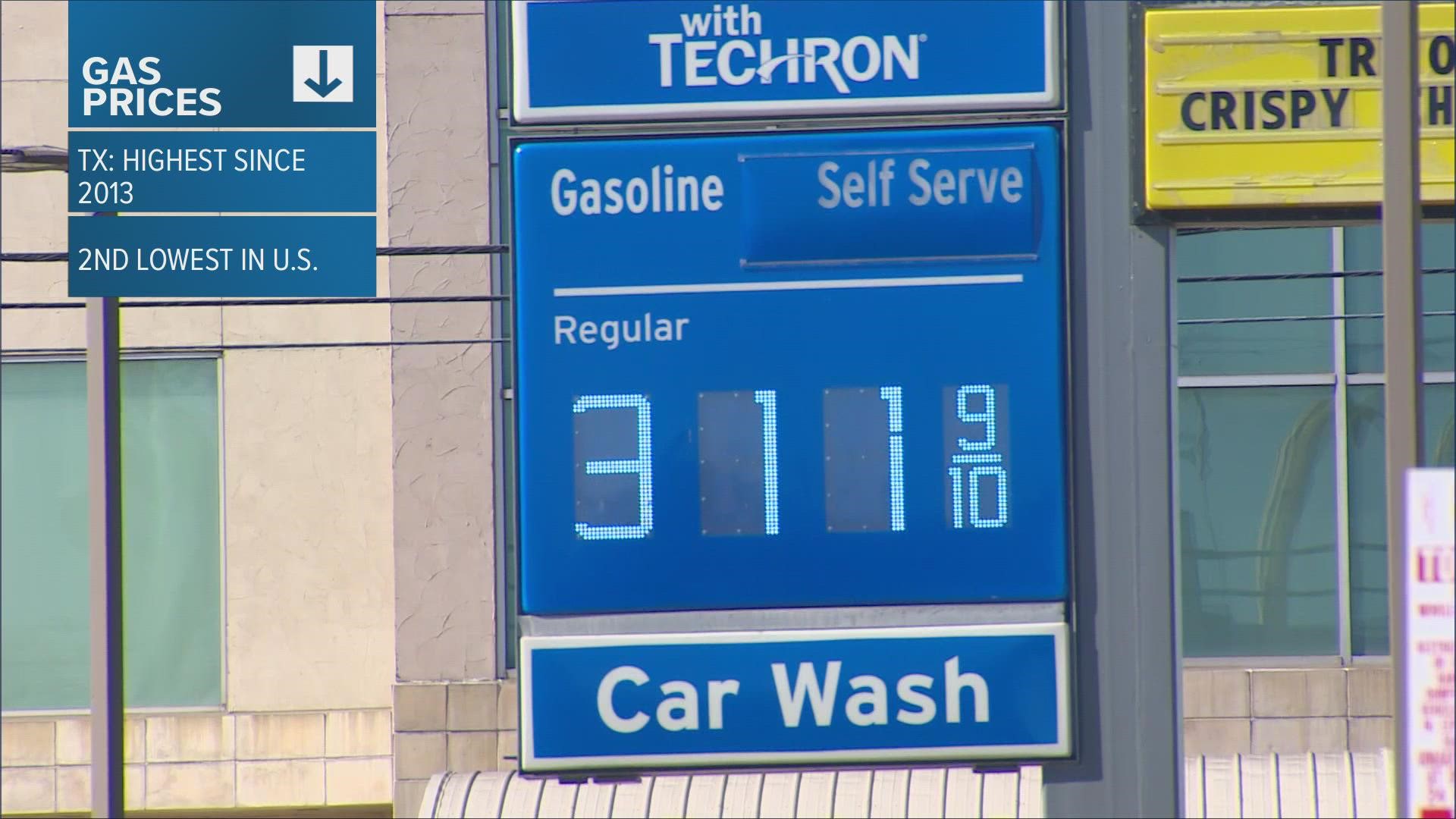
The Lone Star State, renowned for its vast landscapes, rich history, and burgeoning economy, is also a major hub for the petroleum industry. Consequently, understanding the fluctuations in gas prices across Texas is not just a local concern but a topic of interest for travelers, businesses, and residents alike. This exploration delves into the intricate factors influencing fuel costs in Texas, from regional variations to broader economic forces, and offers insights for navigating these dynamics.
The Landscape of Texas Gas Prices: A Regional Breakdown
Texas, a state of immense geographical diversity, naturally exhibits considerable variation in its gasoline prices. These differences are not random but are rooted in a complex interplay of local supply and demand, transportation costs, and competitive market forces.

Major Metropolitan Areas: A Tale of Two Cities (and More)
- Houston: As a global energy capital and a major refining center, Houston often sees some of the most competitive gas prices in the state. Proximity to refineries and a robust distribution network can contribute to lower prices. However, demand, especially during peak travel seasons, can also exert upward pressure.
- Dallas-Fort Worth Metroplex: This expansive urban area, a significant economic engine for Texas, experiences its own unique price dynamics. While it benefits from major transportation arteries, the sheer volume of vehicles and consumer demand can lead to prices that may differ slightly from Houston. Factors like local tax rates and the specific mix of gas stations in different sub-regions can play a role.
- San Antonio: Situated in Central Texas, San Antonio is influenced by its position relative to both the Gulf Coast refining complex and the West Texas oil fields. Its prices can reflect a blend of these influences, often sitting somewhere in the middle of the state’s spectrum.
- El Paso: Located far from the primary refining centers and at the westernmost tip of Texas, El Paso often faces higher transportation costs for gasoline. This can translate into slightly elevated prices compared to cities closer to the coast. The proximity to the Mexican border can also introduce unique market dynamics.
Rural vs. Urban Divide
Beyond the major metropolitan areas, a noticeable trend emerges: rural areas often experience higher gas prices than their urban counterparts. This is primarily due to increased transportation costs. Gasoline has to be trucked longer distances from refineries or distribution terminals to reach these more remote communities. Furthermore, rural areas may have fewer gas stations, leading to less direct competition and potentially higher profit margins for the stations that do exist.
The Influence of Infrastructure and Local Competition
The density of pipelines and distribution networks plays a crucial role. Regions with more direct access to pipelines from refineries tend to have lower distribution costs. Similarly, areas with a high concentration of gas stations, such as along major interstate highways, often see more aggressive pricing due to intense competition. A single new station opening can sometimes trigger price wars, benefiting consumers.
Unpacking the Factors Driving Texas Gas Prices
The price displayed at the pump is the culmination of numerous interconnected factors, extending far beyond local supply and demand. Understanding these broader influences provides a more comprehensive picture of why gas prices move the way they do in Texas.
Crude Oil Prices: The Primary Determinant
The most significant factor influencing gasoline prices is the cost of crude oil, the raw material from which gasoline is refined. Texas is a major producer of crude oil, and its price is heavily influenced by global supply and demand dynamics.
- Global Supply: Events such as geopolitical instability in oil-producing regions (e.g., the Middle East, Russia), production cuts by major oil cartels like OPEC+, and the discovery of new oil reserves all impact global supply.
- Global Demand: Economic growth in major consuming nations (e.g., China, the United States), seasonal demand patterns for travel, and the adoption of more fuel-efficient vehicles all affect global demand.
- Futures Markets: The price of crude oil is also heavily influenced by speculation and trading on futures markets, which can create price volatility even without immediate changes in physical supply or demand.
Refining Costs and Capacity
Once crude oil is extracted, it must be refined into gasoline. The costs associated with this process, including labor, energy, and maintenance of refinery equipment, contribute to the final price.
- Refinery Operations: The operational status of Texas refineries is critical. Unexpected outages due to maintenance, mechanical failures, or severe weather events (like hurricanes along the Gulf Coast) can reduce the supply of gasoline, leading to price spikes.
- Refinery Utilization Rates: When refineries operate at high utilization rates, they are more efficient. However, exceeding certain thresholds can increase the risk of breakdowns. Conversely, low utilization rates can indicate oversupply or reduced demand, which might lower prices initially but can lead to future supply constraints.
- Seasonal Blends: Refineries switch to producing different gasoline blends based on the season. Summer-blend gasoline, designed to reduce evaporative emissions in warmer weather, is typically more expensive to produce than winter-blend gasoline. This seasonal change contributes to predictable price increases in the spring.
Taxes and Regulations
Government taxes and environmental regulations add a substantial layer to the final price of gasoline.
- Federal and State Taxes: Both the federal government and the state of Texas impose excise taxes on gasoline. These taxes are a significant portion of the pump price and are subject to change based on legislative decisions.
- Environmental Regulations: Regulations concerning fuel additives, emissions standards, and the composition of gasoline (e.g., the addition of ethanol) can increase production costs for refiners, which are then passed on to consumers.
Distribution and Marketing Costs
Getting gasoline from the refinery to the consumer’s vehicle involves a complex distribution and marketing chain.
- Transportation: Gasoline is transported via pipelines, barges, trains, and tanker trucks. The cost of this transportation, including fuel for the trucks and maintenance of pipelines, is factored into the price.
- Terminal Operations: Gasoline is stored at distribution terminals before being loaded onto trucks. The costs associated with operating these terminals contribute to the overall price.
- Retailer Markups: Gas station owners add their own markup to cover operational costs (rent, utilities, labor, insurance), desired profit margins, and the cost of credit card processing. The competitive landscape in a particular area significantly influences these markups.
Navigating the Texas Gas Market: Tips for Travelers and Residents
While you cannot directly control the price of gasoline, understanding the market dynamics can empower you to make more informed decisions and potentially save money.
Staying Informed About Price Trends
- Utilize Gas Price Apps and Websites: Numerous mobile applications and websites track real-time gas prices in specific areas. These tools allow you to compare prices at different stations nearby and plan your refueling stops accordingly. Examples include GasBuddy, Google Maps, and AAA.
- Monitor News and Market Reports: Keeping an eye on news related to crude oil markets, refinery operations, and economic indicators can provide advance warning of potential price changes. Major news outlets and energy-focused publications often report on these trends.
Strategic Refueling Habits
- Avoid Peak Demand Times: Prices can sometimes be higher during peak commuting hours or on weekends when demand is at its highest. If your schedule allows, refueling during off-peak times might offer a slight advantage.
- Consider Station Location: Gas stations located directly off major highways or at busy intersections might charge a premium due to convenience and high traffic. Exploring stations a few blocks away from these prime spots can sometimes reveal lower prices.
- Loyalty Programs and Discounts: Many gas station chains offer loyalty programs or credit cards that provide discounts or rewards on fuel purchases. If you are a regular customer at a particular brand, these programs can lead to significant savings over time.
- Fuel Efficiency: While not directly related to the price per gallon, improving your vehicle’s fuel efficiency is one of the most effective ways to reduce your overall fuel expenditure. Regular maintenance, proper tire inflation, and driving habits such as avoiding rapid acceleration and braking can all contribute to better mileage.

Understanding Different Fuel Grades
- Regular vs. Premium: Most vehicles do not require premium gasoline. Unless your vehicle manufacturer specifically recommends or requires it (as indicated in your owner’s manual), using regular unleaded fuel is generally the most cost-effective option and will not harm your engine. Premium gasoline is formulated for higher octane ratings to prevent knocking in high-compression engines, but it offers no performance benefit for vehicles designed for regular unleaded.
By staying informed and adopting strategic refueling habits, both residents and visitors to Texas can better manage the costs associated with gasoline, ensuring smoother and more budget-friendly journeys across this expansive and dynamic state.
LifeOutOfTheBox is a participant in the Amazon Services LLC Associates Program, an affiliate advertising program designed to provide a means for sites to earn advertising fees by advertising and linking to Amazon.com. Amazon, the Amazon logo, AmazonSupply, and the AmazonSupply logo are trademarks of Amazon.com, Inc. or its affiliates. As an Amazon Associate we earn affiliate commissions from qualifying purchases.