
Navigating the healthcare landscape in a state as vast and diverse as Texas can be a complex undertaking, particularly when it comes to accessing essential health insurance. For adults in Texas, Medicaid represents a crucial lifeline, offering comprehensive medical coverage to those who meet specific eligibility criteria. This guide is designed to demystify the application process for adults in the Lone Star State, providing clear, actionable steps to help you secure the healthcare you deserve. Understanding the nuances of Medicaid eligibility and the application procedures is the first step towards peace of mind and consistent access to medical care.
Understanding Medicaid Eligibility for Adults in Texas
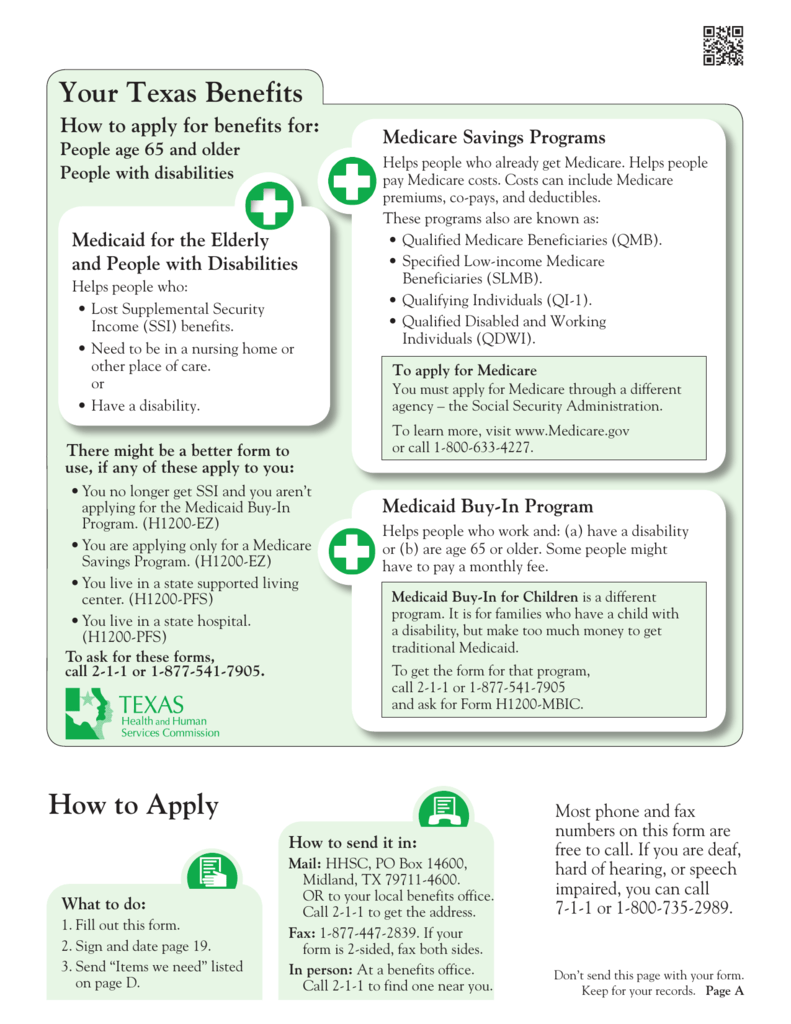
Medicaid in Texas operates under federal guidelines but is administered by the state’s Health and Human Services Commission (HHSC). Eligibility is primarily determined by income, household size, and specific life circumstances. For adults, the pathways to eligibility can be more limited compared to children, pregnant women, or individuals with disabilities, especially in states that have not expanded their Medicaid programs. Texas has not expanded its Medicaid program to cover all low-income adults. This means that many childless adults or adults without a qualifying disability may not be eligible even if their income is very low.
Key Eligibility Groups for Adults
While the general expansion of Medicaid for low-income adults is not in place in Texas, several specific groups of adults can still qualify. Understanding these categories is vital for determining your potential eligibility.
Pregnant Women
Pregnant women are a key group eligible for Medicaid in Texas, regardless of their income in some cases, or at higher income levels than non-pregnant adults. The program covers prenatal care, delivery, and postpartum care for a period after birth. This ensures that both mother and child receive necessary medical attention during a critical time. The specific income thresholds can vary, so it is important to check the latest guidelines from the HHSC.
Parents or Caregivers of Dependent Children
Adults who are the primary caregivers for dependent children under 18 years of age can be eligible for Medicaid. The eligibility is often based on the income of the household relative to the number of children. This is a significant pathway for many families to access healthcare. The children themselves must meet the income requirements for Medicaid or the Children’s Health Insurance Program (CHIP).
Individuals Aged 65 or Older
Seniors aged 65 and older are eligible for Medicaid in Texas if they meet the income and asset limits. This often complements Medicare, covering services that Medicare does not, or helping with Medicare premiums and cost-sharing. Medicaid for seniors can also provide long-term care services, which are typically not covered by Medicare.
Individuals with Disabilities
Adults who have been determined to have a disability by the Social Security Administration or through the state’s disability determination process may be eligible for Medicaid. This eligibility is based on the disability determination, not necessarily on income alone, though income and asset limits still apply. This coverage is crucial for individuals who require ongoing medical care and support services due to their condition.
Other Limited Pathways
Beyond these primary groups, there are a few other, more limited pathways to Medicaid eligibility for adults in Texas. These can include individuals receiving certain types of cash assistance and those who are gravely disabled and require institutional care. It is essential to consult the official HHSC guidelines or speak with a caseworker to understand if any of these specific circumstances apply to you.
Income and Asset Limits
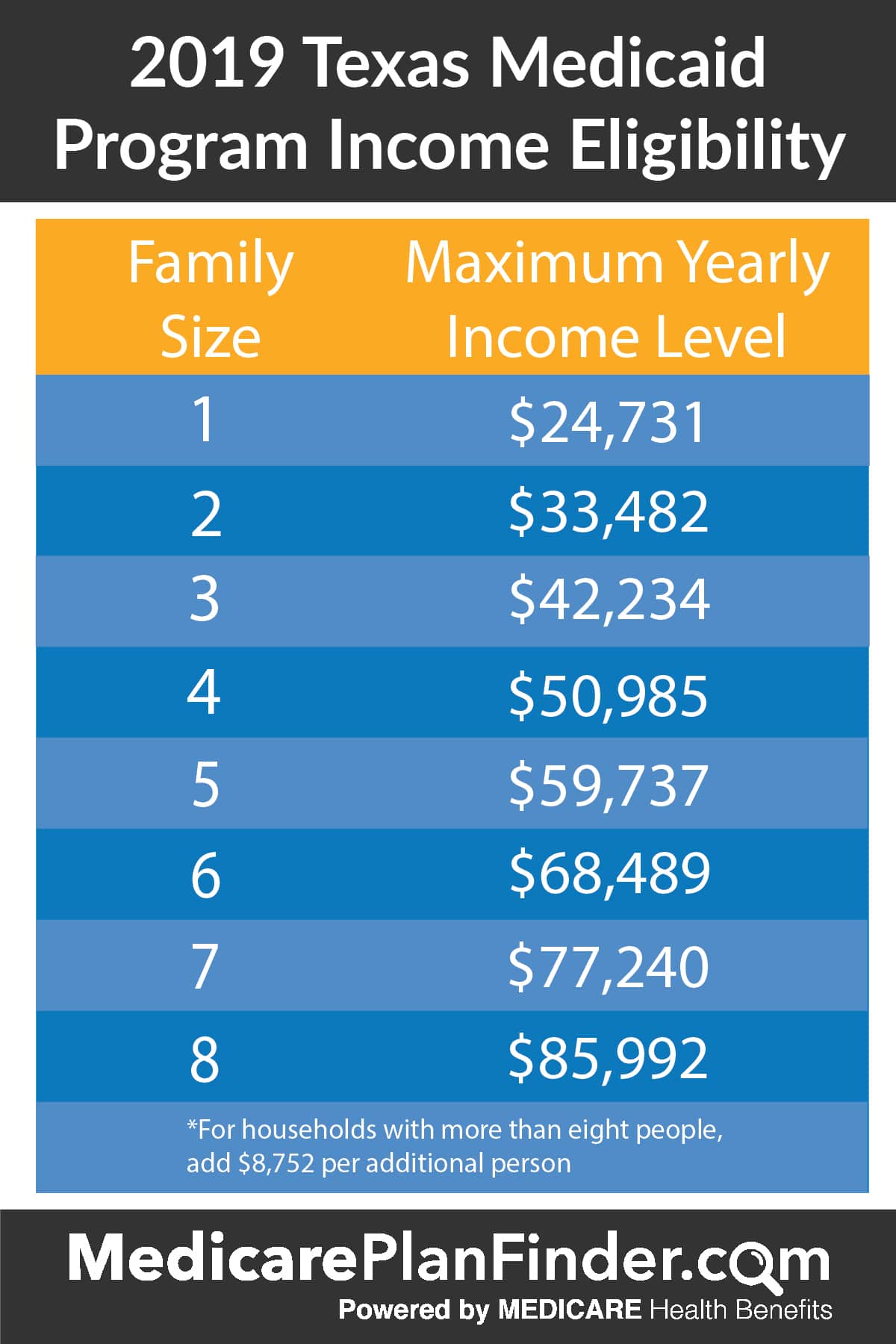
Medicaid eligibility is strictly tied to income and, for certain categories like seniors and individuals with disabilities, asset limits. The income limits are often expressed as a percentage of the Federal Poverty Level (FPL). For adults who are not pregnant, elderly, or disabled, and not caring for dependent children, Texas does not have a pathway to Medicaid coverage based solely on income under 138% of the FPL, which is the standard for expanded Medicaid in other states.
- Income Calculation: HHSC typically looks at your Modified Adjusted Gross Income (MAGI). Certain deductions and exclusions may apply.
- Asset Limits: For categories like seniors and individuals with disabilities, assets such as savings accounts, stocks, bonds, and property (excluding a primary residence in most cases) are considered. The limits are generally quite low.
It is crucial to have the most up-to-date information on these limits, as they can be adjusted annually. The HHSC website is the most reliable source for this data.
The Application Process: Step-by-Step Guide
Applying for Medicaid in Texas for adults involves several key steps. The process is managed by the Texas Health and Human Services Commission (HHSC), and applications can be submitted through various channels.
Step 1: Gather Necessary Information and Documents
Before you begin your application, it’s essential to collect all the required information and documents. Having these readily available will streamline the process and help avoid delays.
- Personal Identification: Social Security numbers for all household members applying, proof of U.S. citizenship or immigration status, and Texas residency.
- Income Information: Pay stubs, unemployment benefits statements, pension or retirement income details, and any other proof of income for the past 30 days. If self-employed, documentation of business income and expenses.
- Household Information: Names, dates of birth, and Social Security numbers for all individuals living in your household and applying for Medicaid.
- Medical Information: Information about any current health insurance you or household members may have. For those applying based on disability, documentation from the Social Security Administration or medical records. For pregnant women, the expected due date.
- Asset Information (if applicable): Bank statements, stock and bond certificates, and information on any other significant assets if you are applying under a category with asset limits.
- Other Relevant Documents: Proof of pregnancy, divorce decrees, or legal guardianship papers if applicable to your situation.
Step 2: Choose Your Application Method
Texas HHSC offers several convenient ways to apply for Medicaid.
Online Application (Recommended)
The most efficient method for most applicants is to apply online through the Your Texas Benefits website. This portal is designed to guide you through the application process step-by-step.
- Create an Account: If you don’t already have one, you’ll need to create an account on the Your Texas Benefits portal.
- Start a New Application: Once logged in, select the option to start a new application for health benefits.
- Complete the Application: Fill out all sections accurately and completely, providing the information gathered in Step 1. The system will prompt you for details about your household, income, and other relevant factors.
- Upload Documents: You will have the opportunity to upload scanned copies or clear photos of your supporting documents directly through the portal.
- Submit: After reviewing your application for accuracy, submit it electronically. You will receive a confirmation that your application has been received.
By Phone
You can also apply for Medicaid by calling the HHSC Benefits Program at 2-1-1 or 1-877-541-7905. Operators can assist you with filling out an application over the phone. This can be a helpful option for individuals who are not comfortable with online applications or require assistance with language barriers.
In Person
Applications can also be submitted in person at a local HHSC Benefits Office. You can find the nearest office by visiting the HHSC website or by calling 2-1-1. Bringing all your documentation with you is highly recommended.
By Mail
While less common, you can download an application form from the HHSC website, complete it, and mail it to the appropriate HHSC processing center. The address for mailing will be provided on the application form.
Step 3: Application Review and Verification
Once your application is submitted, the HHSC will review it to determine your eligibility. This process involves verifying the information you have provided.
- Document Review: HHSC caseworkers will examine your submitted documents to confirm your income, residency, household composition, and other eligibility factors.
- Information Verification: They may also verify information through electronic databases, such as wage and tax records.
- Interviews: In some cases, you may be contacted for a brief interview, either by phone or in person, to clarify information or provide additional details.
- Disability Determination: If you are applying based on disability, this part of the process can take longer as it involves medical reviews by the state’s disability determination services.
Step 4: Notification of Decision
After your application has been reviewed and all necessary verifications are complete, HHSC will send you a decision letter. This letter will inform you whether you are eligible for Medicaid and, if so, which program you qualify for.
- Approval: If approved, the letter will contain details about your coverage, including the start date and any specific program information. You may also receive information about selecting a health plan if applicable to your Medicaid category in Texas.
- Denial: If your application is denied, the letter will explain the reasons for the denial and provide instructions on how to appeal the decision if you believe it was made in error.
Step 5: Enrollment and Ongoing Requirements
If your application is approved, you will need to take steps to activate your coverage and maintain it.
- Enrollment in a Managed Care Plan: Many Texas Medicaid recipients are enrolled in a managed care plan. You will likely have a choice of health plans available in your area. You will need to select a plan within a specified timeframe. These plans offer a network of doctors and hospitals.
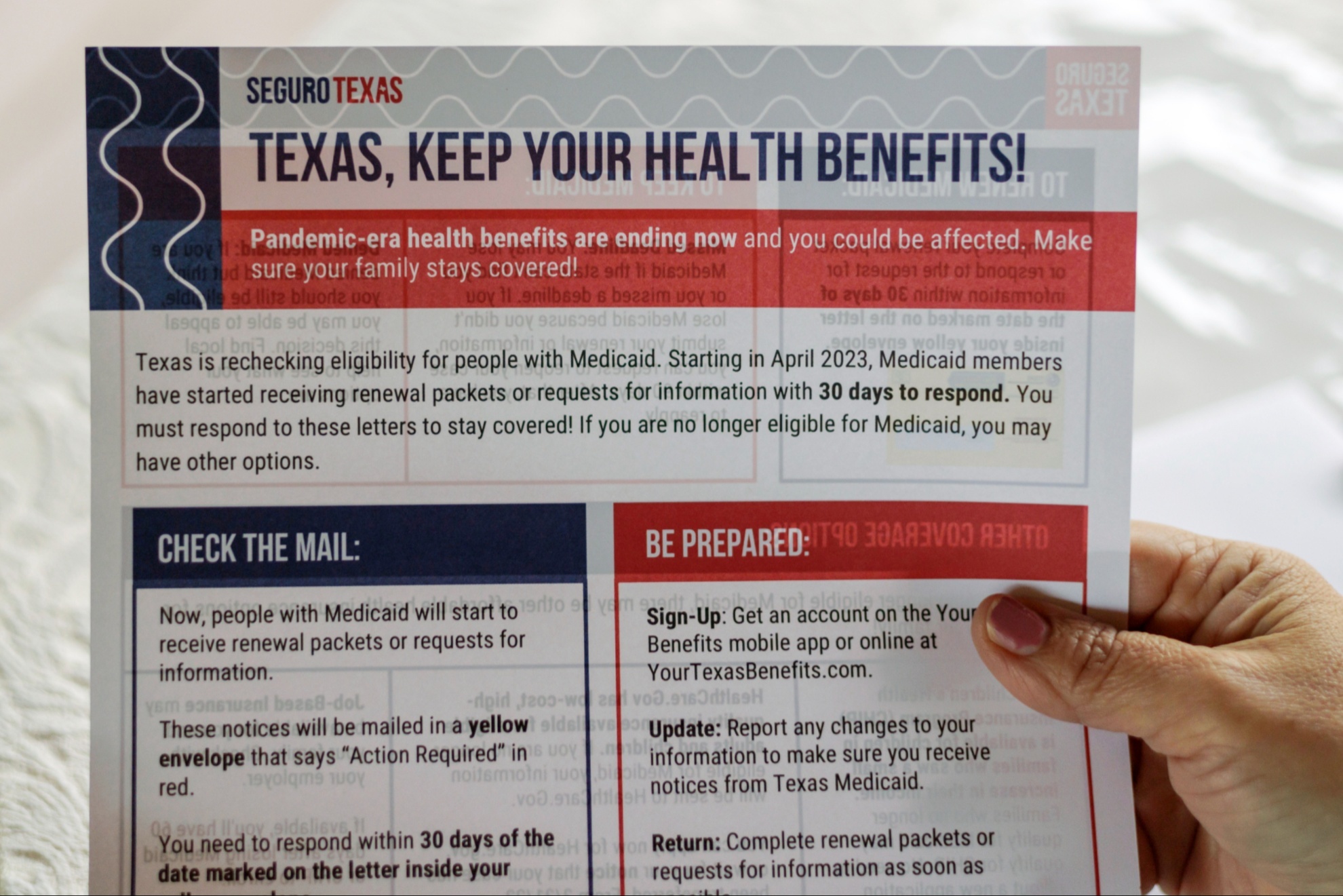
- Renewals: Medicaid eligibility is not permanent. You will need to renew your coverage periodically, typically annually. HHSC will send you a renewal packet with instructions on how to update your information. It is critical to respond to these renewal notices promptly to avoid losing your coverage. Changes in income, household size, or other eligibility factors must be reported to HHSC to ensure you continue to receive the correct benefits.
Common Challenges and Tips for a Smooth Application
The Medicaid application process can sometimes present challenges. Being aware of these and employing a few strategic tips can significantly increase your chances of a successful and smooth experience.
Navigating Documentation Requirements
One of the most common hurdles is gathering and submitting the correct documentation.
- Be Thorough: Ensure you have every requested document. Missing items are a primary reason for application delays or denials.
- Clarity is Key: When uploading documents, make sure they are clear, legible, and complete. Blurry or cut-off documents may be rejected.
- Keep Copies: Always keep copies of everything you submit for your own records.
Understanding Income and Household Definitions
Medicaid has specific definitions for income and household that might differ from your everyday understanding.
- MAGI vs. Other Income: Understand that Medicaid eligibility for many groups is based on Modified Adjusted Gross Income (MAGI). This is not the same as your gross income or your take-home pay. Consult the HHSC guidelines or a benefits specialist to understand how MAGI is calculated.
- Counting Household Members: Be precise about who is considered part of your household for application purposes. This typically includes individuals living with you and whom you support, and who are also applying.
Dealing with Delays and Inquiries
The application process can sometimes take time.
- Be Patient: Understand that HHSC processes a high volume of applications.
- Follow Up Appropriately: If you haven’t heard back within the expected timeframe, contact HHSC for an update. Have your application reference number ready.
- Respond Promptly: If HHSC requests additional information or clarification, respond as quickly as possible to avoid further delays.
Seeking Assistance
You are not alone in this process. Several resources can offer help.
- HHSC Website and Staff: The Your Texas Benefits website is a comprehensive resource. The HHSC customer service lines can also provide assistance.
- Community Partners: Many non-profit organizations and community outreach programs in Texas offer free assistance with Medicaid applications. Searching for local “Medicaid application assistance” can yield helpful contacts. These partners can guide you through the forms, help you gather documents, and advocate on your behalf.
- Legal Aid: For complex cases, or if you are facing a denial and wish to appeal, legal aid organizations can provide invaluable support.
By approaching the Medicaid application process in Texas with preparation, diligence, and an awareness of available resources, adults can successfully navigate the system and secure vital healthcare coverage.
LifeOutOfTheBox is a participant in the Amazon Services LLC Associates Program, an affiliate advertising program designed to provide a means for sites to earn advertising fees by advertising and linking to Amazon.com. Amazon, the Amazon logo, AmazonSupply, and the AmazonSupply logo are trademarks of Amazon.com, Inc. or its affiliates. As an Amazon Associate we earn affiliate commissions from qualifying purchases.