
TheLone Star State offers a rich tapestry of educational opportunities, from bustling urban centers to sprawling rural communities. For aspiring educators, understanding the pathways to becoming a certified teacher in Texas is the crucial first step in a rewarding career. This guide delves into the essential requirements, certification processes, and vital considerations for embarking on a teaching journey within the diverse educational landscape of Texas.
Understanding Texas Teacher Certification
The journey to becoming a certified teacher in Texas is overseen by the Texas Education Agency (TEA). The TEA establishes the standards and procedures that all individuals must meet to be eligible for a teaching certificate. This process is designed to ensure that all educators possess the necessary knowledge, skills, and ethical grounding to provide high-quality instruction to Texas students.
Eligibility Requirements
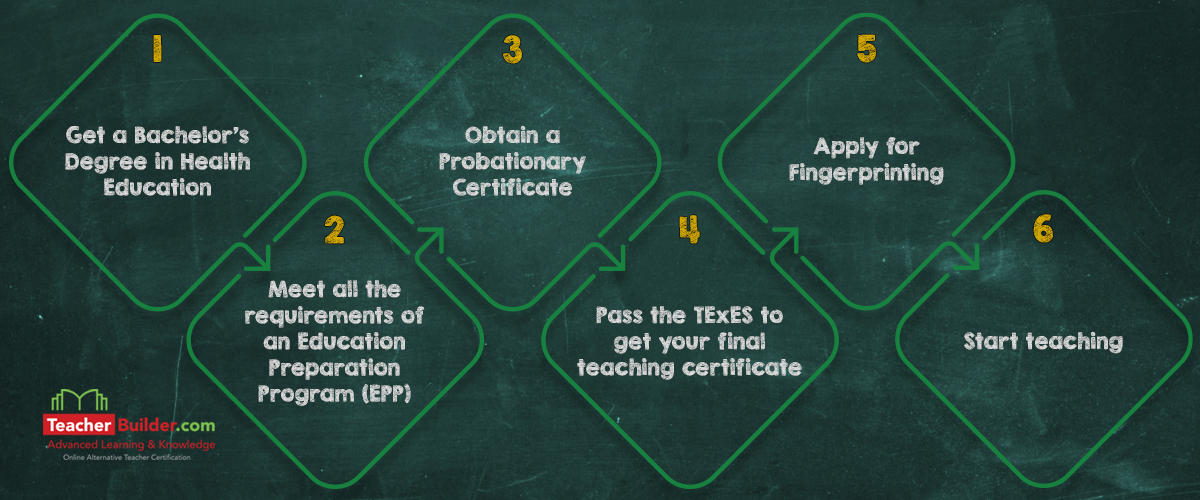
Before embarking on the certification process, candidates must meet several fundamental eligibility requirements. These typically include:
- Bachelor’s Degree: A minimum of a bachelor’s degree from an accredited institution is a prerequisite. The degree does not necessarily need to be in education, but it must be from an approved program.
- Academic Performance: A satisfactory GPA is generally required, though specific thresholds can vary depending on the certification program and pathway.
- Background Check: All prospective teachers must undergo a comprehensive criminal background check. This involves fingerprinting and a review of any criminal history. The TEA uses this information to ensure the safety of students.
- Content Knowledge: Candidates must demonstrate proficiency in the subject matter they intend to teach. This is typically achieved through coursework and standardized exams.
- Pedagogical Knowledge: This refers to the understanding of teaching methodologies, classroom management, child development, and instructional strategies. This knowledge is assessed through specific exams and coursework.
Types of Texas Teacher Certificates
Texas offers various types of teaching certificates, catering to different career stages and educational roles. Understanding these distinctions can help aspiring teachers identify the most suitable certification for their goals.
- Intern Certificate: This is a temporary certificate issued to individuals who are pursuing a traditional certification program while actively teaching under the supervision of an experienced educator. It’s a pathway for those who have secured a teaching position before completing all certification requirements.
- Probationary Certificate: This certificate is typically issued to individuals who have completed an alternative certification program and are in the process of gaining full certification. It allows them to teach while fulfilling any remaining requirements.
- Standard Certificate: This is the most common type of teaching certificate in Texas. It signifies that an individual has met all the requirements for entry-level teaching and is fully certified to teach in the state.
- Professional Certificate: This is an advanced-level certificate awarded to teachers who have demonstrated a higher level of experience and professional development. It signifies a commitment to ongoing learning and excellence in the classroom.
- Mid-Management and Superintendent Certificates: These are specialized certificates for individuals seeking leadership roles within school districts, such as principals or superintendents.
Pathways to Certification
Texas provides several distinct pathways for individuals to obtain their teaching certification, accommodating a variety of backgrounds and experiences.
Traditional Certification Programs
For those pursuing a career in education immediately after completing their undergraduate studies, traditional university-based certification programs are a common route.
- University Programs: Many Texas universities offer Bachelor of Education degrees or undergraduate programs that integrate teacher preparation coursework and field experiences. These programs are designed to meet TEA standards and typically include student teaching opportunities.
- Student Teaching: A critical component of traditional programs is student teaching, where candidates gain hands-on experience in a real classroom setting under the mentorship of an experienced teacher and a university supervisor. This immersive experience is invaluable for developing practical teaching skills.
Alternative Certification Programs (ACPs)
Alternative Certification Programs offer a streamlined and flexible route for individuals who already hold a bachelor’s degree and wish to transition into teaching without completing a traditional education degree. These programs are particularly attractive to career changers.
- Eligibility for ACPs: Candidates for ACPs typically need to meet specific academic criteria, often including a minimum GPA and passing scores on content-specific exams.
- Program Structure: ACPs are offered by various providers, including non-profit organizations and universities, and can be completed online, in-person, or through a hybrid model. They often involve intensive coursework in pedagogy and classroom management, followed by supervised teaching experience.
- Approved Providers: It is essential to choose an ACP that is approved by the TEA. The TEA website provides a list of approved providers.
Emergency or Provisional Certificates
In situations where school districts face critical teacher shortages, emergency or provisional certificates may be issued. These are temporary measures designed to ensure that classrooms are staffed.

- District Sponsorship: These certificates are typically issued at the request of a school district that has been unable to find a fully certified teacher for a specific position.
- Limited Duration: Emergency certificates are temporary and usually require the individual to work towards obtaining a standard certification within a specified timeframe.
The Certification Examination Process
A cornerstone of the Texas teacher certification process is the successful completion of standardized examinations designed to assess a candidate’s knowledge and skills.
State-Mandated Exams
The TEA requires candidates to pass specific examinations administered by Educational Testing Service (ETS).
- Core Subjects EC-6: This exam is for individuals seeking certification to teach elementary grades (early childhood through sixth grade) and covers subjects like reading, writing, mathematics, science, and social studies.
- TExES Subject Area Exams: For secondary education (grades 7-12) or special education certifications, candidates must pass a TExES (Texas Examinations of Educator Standards) exam specific to their chosen subject area. Examples include English Language Arts and Reading, Mathematics, Science, History, and various special education areas.
- Pedagogy Exams: In addition to content-specific exams, candidates must also demonstrate their understanding of teaching principles and practices. The TExES Pedagogy and Professional Responsibilities (PPR) exam is a common requirement, assessing knowledge of classroom management, assessment, instructional strategies, and professional ethics.
Preparation and Resources
Adequate preparation is key to success on the TExES exams. Numerous resources are available to assist candidates.
- Study Guides and Practice Tests: ETS and various third-party providers offer comprehensive study guides, practice tests, and online preparation courses.
- Certification Program Resources: Many traditional and alternative certification programs incorporate exam preparation into their curriculum.
- TEA Resources: The TEA website provides detailed information about the exams, including content outlines, study materials, and registration procedures.
Navigating the Job Market in Texas
Once certified, the next step is to secure a teaching position. Texas has a robust and diverse job market for educators, with opportunities in various educational settings.
School Districts and Educational Service Centers
Texas is home to numerous independent school districts, ranging from large urban districts like Houston Independent School District and Dallas Independent School District to smaller rural districts. Additionally, there are 20 Educational Service Centers (ESCs) across the state that provide support services to school districts and can be valuable resources for job seekers.
- District Websites: The most direct way to find job openings is to visit the employment sections of individual school district websites.
- Online Job Boards: Several online platforms specialize in education job postings, including the TEA’s website, SchoolSpring, and others.
- Job Fairs: School districts often host job fairs at the beginning of the hiring season. These events provide an opportunity to meet with hiring administrators and learn about available positions.
Charter Schools and Private Schools
Beyond traditional public school districts, charter schools and private schools in Texas also employ certified teachers. These institutions may offer different educational philosophies and work environments.
- Charter School Networks: Many charter schools operate as networks or organizations. Researching these entities can lead to employment opportunities.
- Private School Associations: Private schools may be affiliated with religious organizations or operate independently. Their hiring processes can vary.
Special Considerations for New Teachers
New teachers may find it beneficial to consider positions that offer strong mentorship and professional development support. Many districts actively recruit and support first-year teachers, recognizing the unique challenges they face. Exploring positions in districts with established new teacher induction programs can significantly ease the transition into the profession.
Becoming a teacher in Texas is a journey that requires dedication, careful planning, and a commitment to meeting state standards. By understanding the certification requirements, exploring the available pathways, and preparing thoroughly for the examinations, aspiring educators can successfully embark on a fulfilling career shaping the future of students across the Lone Star State.
LifeOutOfTheBox is a participant in the Amazon Services LLC Associates Program, an affiliate advertising program designed to provide a means for sites to earn advertising fees by advertising and linking to Amazon.com. Amazon, the Amazon logo, AmazonSupply, and the AmazonSupply logo are trademarks of Amazon.com, Inc. or its affiliates. As an Amazon Associate we earn affiliate commissions from qualifying purchases.