
Becoming a delegate in Texas is a multifaceted process, deeply intertwined with the state’s political landscape and the machinery of its major parties. Whether your aspiration is to represent your community at a local convention or to influence policy at the national level, understanding the pathways, requirements, and strategic considerations is paramount. This guide will navigate you through the journey, offering insights into how to effectively participate in the delegate selection process within the Lone Star State.
Understanding the Delegate System in Texas
In Texas, delegates are individuals chosen to represent their fellow party members at various levels of political conventions. These conventions serve as crucial platforms for shaping party platforms, nominating candidates for various offices, and conducting party business. The selection process varies slightly between the Democratic Party and the Republican Party, but the core principle remains the same: delegates are elected or appointed based on their support and involvement within their local party structures.
Party Structures and Hierarchies
Both major parties in Texas operate with a hierarchical structure that cascades from the precinct level up to the state and national levels.
- Precinct Conventions: These are the foundational gatherings of party members within a specific geographic area. Held shortly after the primary elections, precinct conventions are where the initial selection of delegates to county or senatorial district conventions takes place. This is often the first and most accessible entry point for aspiring delegates.
- County/Senatorial District Conventions: Delegates from precinct conventions convene at this level to elect delegates to the state convention. This stage requires a more organized approach and often involves campaigning and building support among fellow attendees.
- State Conventions: The culmination of the state-level delegate selection process, state conventions are where the party’s platform is finalized, and delegates to the national convention are formally chosen. For the Republican Party, this is where delegates to the Republican National Convention are selected. For the Democratic Party, delegates to the Democratic National Convention are also chosen here.
Role of Delegates
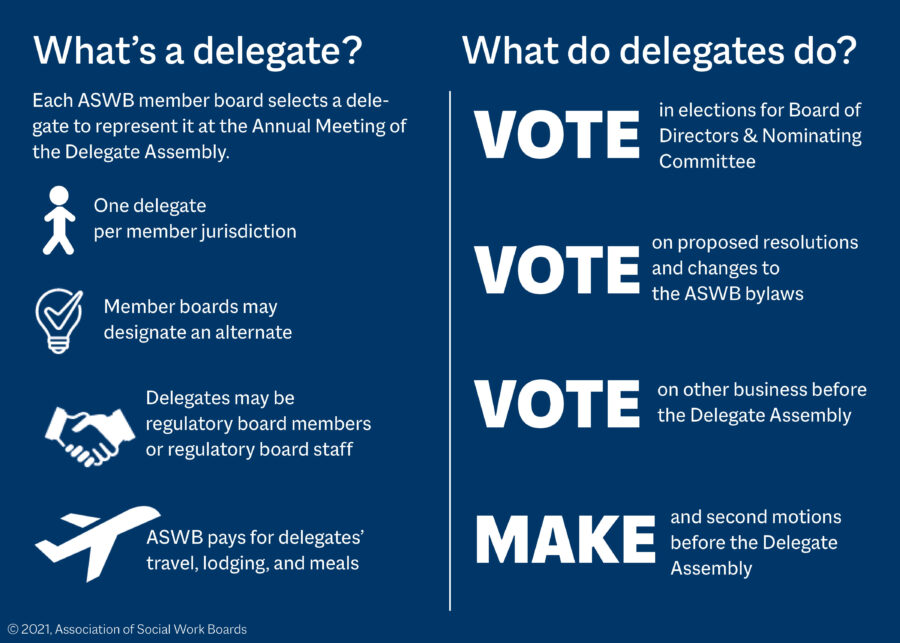
Delegates are not merely passive attendees; they are active participants with voting power at their respective conventions. Their responsibilities can include:
- Voting on Resolutions: Shaping the party’s stance on key issues by voting on proposed resolutions and platform planks.
- Nominating Candidates: In some instances, delegates may have a role in nominating or endorsing candidates for specific offices.
- Electing Party Officials: Selecting members for state party committees and other leadership positions.
- Representing Constituents: Articulating the views and concerns of the party members in their local area.
Pathways to Becoming a Delegate
The journey to becoming a delegate in Texas is primarily driven by active participation and strategic engagement within your chosen political party. There are several common pathways to achieving this goal.
Active Precinct Involvement
The most direct route begins at the precinct level. To be considered for delegate positions, you must first be an active and engaged member of your local party.
- Attend Precinct Meetings: Regularly attend your local party’s meetings and events. This demonstrates your commitment and allows you to build relationships with other party members and local leaders.
- Vote in Primaries: Participating in primary elections is a fundamental way to show your allegiance and involvement.
- Volunteer for Campaigns: Assisting with local campaigns provides invaluable experience and visibility within the party.
- Register as a Party Member: Ensure you are registered with your desired party. While Texas has a closed primary system, this registration status is crucial for participating in party conventions.
Securing a Delegate Slot
Once you are actively involved, there are several ways to secure a delegate slot:
- Election at Precinct Conventions: This is the most common method. At the precinct convention, party members present will nominate and elect delegates to the next level of convention. To be elected, you typically need to be nominated by another attendee and gain the support of a majority of those present.
- Appointment by Party Leadership: In some cases, party chairs or influential figures at the county or state level may appoint delegates, particularly if there are vacancies or specific strategic needs. This often rewards long-standing service and loyalty.
- Running for Delegate: You can formally declare your intention to run for delegate at the precinct convention. This involves making your case to attendees, explaining your commitment to the party and your qualifications.
The Delegate Election Process
The election of delegates is usually a straightforward process at the precinct convention.
- Nominations: Individuals are nominated from the floor by other attendees.
- Speeches (Optional but Recommended): Nominees may be given a brief opportunity to speak about why they wish to be a delegate and what they hope to achieve.
- Voting: Depending on the number of nominees and the convention’s rules, voting can occur through a show of hands, a standing vote, or a written ballot. The candidates who receive the most votes are elected as delegates.
- Alternates: Often, alternate delegates are also selected. These individuals will fill in if a primary delegate is unable to attend.
Strategic Considerations for Aspiring Delegates

Beyond simply attending meetings, becoming an effective delegate requires strategic thinking and a proactive approach. Understanding the political dynamics and making informed decisions can significantly increase your chances of success and your impact as a delegate.
Building Relationships and Networking
Politics, especially at the grassroots level, is heavily influenced by relationships.
- Connect with Local Party Officials: Introduce yourself to your county party chair, precinct chairs, and other active members. Building rapport with these individuals can provide valuable insights and potential support.
- Engage with Fellow Attendees: At conventions and meetings, make an effort to speak with as many people as possible. Understand their perspectives and build alliances.
- Identify Influencers: Recognize and connect with individuals who have a strong voice or influence within the local party.
Understanding Party Platforms and Issues
To effectively represent your constituents and contribute to the party’s direction, a deep understanding of the party’s platform and current issues is essential.
- Study the Party Platform: Familiarize yourself with the existing party platform at the state and national levels. Identify areas where you agree and where you believe improvements can be made.
- Research Key Issues: Stay informed about the critical issues facing Texas and the nation. Understand the different perspectives within your party on these matters.
- Prepare Talking Points: Have clear and concise talking points on key issues that you can articulate if you are selected as a delegate.
Campaigning for Delegate Slots
If you decide to actively campaign for a delegate position, consider the following:
- Personal Outreach: Reach out to individuals you know within the party and ask for their support.
- Campaign Materials (Simple): For higher-level conventions, a simple flyer or business card with your name, contact information, and a brief statement of your intentions can be helpful.
- Clear Message: Articulate why you want to be a delegate and what you hope to accomplish. Focus on your commitment to the party and your willingness to represent your community.
The Delegate Experience at Conventions
Once you have successfully become a delegate, the experience of attending a convention is both rewarding and demanding. It offers a unique opportunity to engage in the core of party politics.
Preparing for the Convention
Thorough preparation is key to maximizing your effectiveness and enjoyment.
- Review Convention Rules and Agenda: Familiarize yourself with the specific rules governing the convention, including voting procedures, debate limits, and the order of business.
- Understand Delegate Assignments: You may be assigned to specific committees based on your interests or the needs of the party. Understand these assignments in advance.
- Pack Appropriately: Conventions can be long and demanding. Pack comfortable clothing, business attire for formal sessions, and any necessary personal items.
- Delegate Credentials: Ensure you have your delegate credentials and know where and when to check in.
Participating in Convention Activities
At the convention, your role as a delegate comes into play.
- Attend Caucus and Committee Meetings: These are where much of the detailed work happens. Engage in discussions, offer amendments, and vote on resolutions.
- Vote on the Convention Floor: Participate in all floor votes, casting your ballot according to your convictions and the consensus of your delegation or party faction.
- Network and Mingle: Continue to build relationships with other delegates and party leaders. These connections can be vital for future political endeavors.
- Observe and Learn: Pay attention to the proceedings, the strategies employed by different factions, and the overall political dynamics.

Post-Convention Engagement
Your role doesn’t end when the convention adjourns.
- Report Back to Your Precinct: Share your experiences and the outcomes of the convention with the members of your local party.
- Stay Involved: Continue your participation in party activities and consider running for delegate again in future cycles or for other party positions.
- Implement Decisions: Work to implement the decisions and platform planks adopted at the convention within your local community.
Becoming a delegate in Texas is a journey that rewards dedication, engagement, and a genuine desire to participate in the democratic process. By understanding the system, actively participating at the grassroots level, and strategically preparing for convention activities, you can successfully navigate this path and contribute meaningfully to your party’s future. Whether you are aiming for the Republican State Convention or the Texas Democratic Party Convention, the principles of involvement and strategy remain the cornerstone of success.
LifeOutOfTheBox is a participant in the Amazon Services LLC Associates Program, an affiliate advertising program designed to provide a means for sites to earn advertising fees by advertising and linking to Amazon.com. Amazon, the Amazon logo, AmazonSupply, and the AmazonSupply logo are trademarks of Amazon.com, Inc. or its affiliates. As an Amazon Associate we earn affiliate commissions from qualifying purchases.