
Becoming a field inspector in Texas offers a dynamic career path for individuals who enjoy independence, problem-solving, and exploring different locations across the Lone Star State. This profession is crucial for various industries, from insurance and construction to real estate and environmental services, ensuring compliance, assessing damage, and verifying conditions. If you’re drawn to a role that takes you out of the traditional office setting and into the heart of Texas’s diverse landscapes, understanding the pathway to becoming a field inspector is your first step.
Understanding the Field Inspector Role
A field inspector, in its broadest sense, is a professional who conducts on-site examinations to gather information, verify facts, and assess the condition of assets, properties, or compliance with regulations. The specific duties and requirements vary significantly depending on the industry and the type of inspection. For instance, an insurance field inspector might assess property damage after a storm, while a construction field inspector ensures building projects adhere to blueprints and safety codes. A real estate field inspector might evaluate a property’s condition for a potential buyer or lender.

Types of Field Inspection Roles in Texas
Texas’s vast and varied economy supports a wide array of field inspection specializations. Each requires a unique skill set and often specific certifications or licenses.
- Insurance Adjusters/Inspectors: These professionals are vital after natural disasters or accidents. They assess damage to homes, businesses, and vehicles for insurance claims. This role is particularly active in a state prone to severe weather events like hurricanes, hail storms, and tornadoes.
- Construction Inspectors: These individuals ensure that buildings and infrastructure projects meet safety standards, building codes, and project specifications. They work closely with contractors and developers throughout the construction lifecycle.
- Real Estate Inspectors: Often referred to as home inspectors, they provide detailed reports on the condition of residential or commercial properties for potential buyers, sellers, or investors. This involves examining structural integrity, plumbing, electrical systems, HVAC, and other critical components.
- Environmental Inspectors: Focusing on compliance with environmental regulations, these inspectors may assess sites for pollution, hazardous materials, or compliance with conservation laws. This can involve inspecting industrial facilities, construction sites, or natural areas.
- Appliance/Equipment Inspectors: These inspectors examine machinery, vehicles, or appliances for functionality, defects, or compliance with manufacturer standards and warranties.
- Government/Code Enforcement Inspectors: Working for local or state government agencies, these inspectors ensure compliance with zoning laws, health and safety regulations, and building codes.
Essential Skills for Success
Regardless of the specific niche, successful field inspectors share a common set of core competencies:
- Observation and Detail Orientation: The ability to meticulously examine a situation and identify critical details is paramount. Missed details can lead to inaccurate reports and significant consequences.
- Analytical and Problem-Solving Skills: Inspectors must be able to interpret their findings, identify underlying issues, and often suggest solutions or recommend further action.
- Communication Skills: Clear, concise, and professional communication, both written and verbal, is essential. Inspectors must effectively document their findings in detailed reports and communicate with clients, property owners, and other stakeholders.
- Time Management and Organization: Field inspectors often manage a demanding schedule, coordinating appointments, planning routes, and ensuring reports are filed promptly.
- Technical Proficiency: Depending on the specialty, inspectors may need knowledge of construction, engineering, environmental science, or specific industry standards. Familiarity with reporting software and digital tools is also increasingly important.
- Independence and Self-Discipline: A significant portion of a field inspector’s job is performed independently, requiring strong self-motivation and the ability to work without constant supervision.
- Physical Stamina and Dexterity: The role often involves walking, climbing, crawling, and working in various weather conditions and environments, which can sometimes be physically demanding.
The Path to Becoming a Field Inspector in Texas
The journey to becoming a field inspector in Texas involves a combination of education, training, and licensure or certification, depending on the chosen specialization. While some entry-level positions might not require extensive prior experience, most roles benefit from or necessitate specific qualifications.
Educational Foundations
A foundational understanding in a relevant field can be highly advantageous. While a four-year degree is not always mandatory, it can open more doors and lead to higher-level positions.
- High School Diploma or GED: This is the minimum educational requirement for most entry-level positions and training programs.
- Associate’s or Bachelor’s Degree: Degrees in fields such as construction management, engineering technology, architecture, environmental science, business, or a related technical area can provide a strong knowledge base and make you a more competitive candidate.
- Vocational or Trade School Programs: Many community colleges and trade schools offer certificate programs in areas like building inspection technology, HVAC, electrical systems, or construction trades, which are directly applicable to field inspection roles.
Licensing and Certification Requirements
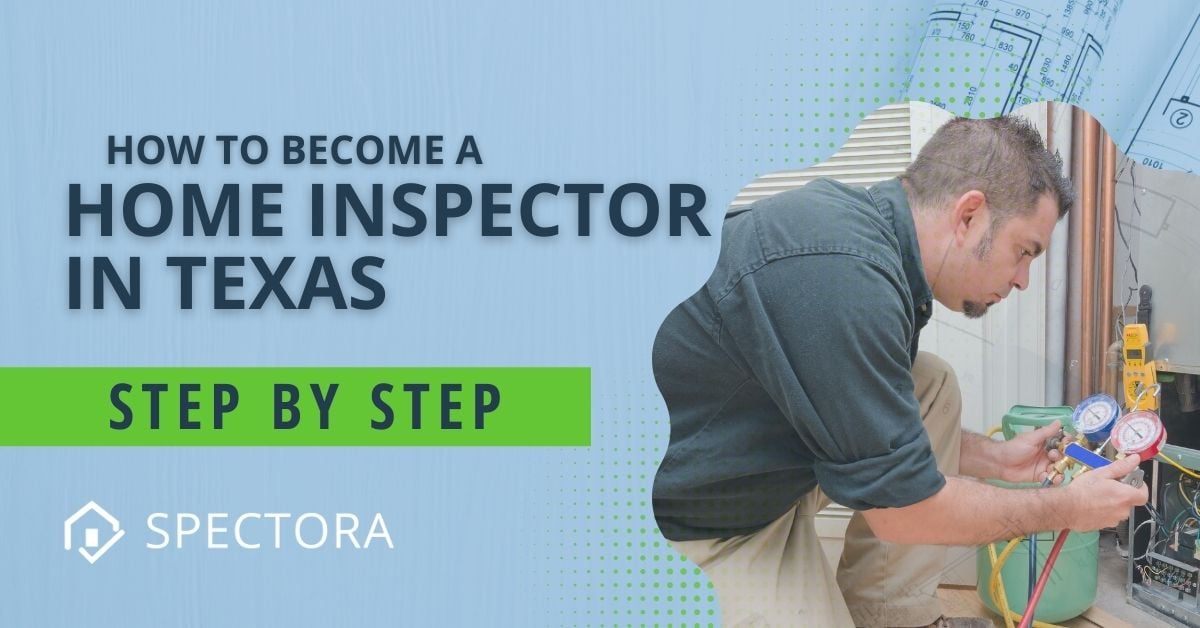
This is arguably the most critical aspect of becoming a qualified field inspector in Texas, as many roles are regulated by state licensing or require specific certifications to ensure competency and public safety.
- Insurance Adjusters: To work as an independent insurance adjuster in Texas, you generally need a license issued by the Texas Department of Insurance (TDI). The TDI offers various adjuster licenses, including staff, independent, and public adjusters. Obtaining a license typically involves completing a pre-licensing course, passing an exam, and submitting an application. Catastrophe adjusters, who often work on a contract basis during large-scale events, may have additional training requirements.
- Professional Home Inspectors: In Texas, professional real estate inspectors must be licensed by the Texas Real Estate Commission (TREC). To obtain a license, applicants must meet specific education and experience requirements, pass a TREC-approved examination, and submit to a background check. TREC offers different levels of inspector licenses, including apprentice and professional inspector. Apprentice inspectors must work under the direct supervision of a licensed professional inspector.
- Building Code Inspectors: While Texas does not have a statewide mandatory licensing for all building code inspectors, many municipalities and counties require inspectors to be certified by recognized organizations such as the International Code Council (ICC). The ICC offers numerous certifications for various building disciplines, including building, plumbing, electrical, mechanical, and fire code inspection. Achieving these certifications often involves passing rigorous exams based on adopted model codes.
- Other Specializations: For other fields like environmental inspection, specific certifications from environmental organizations or adherence to federal standards (e.g., EPA) might be necessary. Roles in specialized equipment inspection may require certifications from manufacturers or industry-specific bodies.
Gaining Experience and Training
Hands-on experience is invaluable. Many aspiring inspectors start their careers in related fields or through entry-level positions that provide on-the-job training.
- Apprenticeships and Internships: Many professional home inspectors and construction companies offer apprenticeship or internship programs that allow individuals to learn the trade under experienced professionals. This is an excellent way to gain practical skills and understand the day-to-day realities of the job.
- Entry-Level Positions: Working as an assistant to an inspector, a construction laborer, an insurance claims processor, or in a related administrative role can provide foundational knowledge and a pathway into inspection roles.
- On-the-Job Training: Most companies provide their own internal training programs to familiarize new hires with their specific procedures, reporting systems, and industry standards.
- Continuing Education: Many licenses and certifications require ongoing continuing education to stay current with evolving codes, regulations, and best practices. This commitment to lifelong learning is crucial for maintaining professional credibility.
Building Your Career as a Field Inspector in Texas
Once you’ve met the educational and licensing requirements, establishing yourself as a competent and reliable field inspector involves strategic career building.
Choosing Your Niche and Setting Up Your Business
Deciding which type of inspection you want to specialize in is a crucial first step. Consider your interests, existing skills, and the market demand in your target geographic area within Texas.
- Independent vs. Employment: You can choose to work as an employee for an inspection company, an insurance firm, a construction company, or a government agency. Alternatively, you can establish your own independent inspection business. Each has its advantages: employment offers stability and benefits, while self-employment provides greater autonomy and potential for higher earnings, albeit with greater responsibility and risk.
- Business Formation and Registration: If starting your own business, you’ll need to decide on a business structure (e.g., sole proprietorship, LLC), register your business name, obtain necessary local business permits, and secure appropriate business insurance (liability insurance is highly recommended).
- Tools and Technology: Invest in essential equipment, which may include a reliable vehicle, inspection tools (e.g., moisture meters, thermal cameras, measuring tapes), safety gear, a professional camera, and a laptop or tablet for reporting. Familiarize yourself with inspection reporting software, as digital reporting is now standard practice.
Marketing and Client Acquisition
For independent inspectors, marketing and client acquisition are key to success.
- Networking: Build relationships with real estate agents, mortgage brokers, contractors, builders, property managers, and insurance agents. Referrals from these professionals are a significant source of business for home inspectors and insurance adjusters.
- Online Presence: Create a professional website that clearly outlines your services, qualifications, service area, and contact information. Utilize social media platforms to share valuable content and engage with potential clients.
- Professional Associations: Joining professional organizations such as the American Society of Home Inspectors (ASHI) or the National Association of Independent Insurance Adjusters (NAIIA) can provide networking opportunities, continuing education, and credibility.
- Client Testimonials: Encourage satisfied clients to leave reviews on your website or relevant online platforms. Positive testimonials build trust and attract new business.
Maintaining Professional Standards and Growth
Long-term success as a field inspector in Texas hinges on maintaining high professional standards and a commitment to continuous improvement.
- Upholding Ethical Standards: Always act with integrity and professionalism. Maintain client confidentiality and avoid conflicts of interest. Adherence to industry codes of ethics is paramount.
- Staying Current: Regularly update your knowledge of building codes, safety regulations, and industry best practices through continuing education and professional development. Attend workshops, seminars, and conferences.
- Customer Service: Provide excellent customer service to build a strong reputation and foster repeat business and referrals. Be punctual, thorough, and communicate effectively.
- Adaptability: The inspection landscape is constantly evolving with new technologies, materials, and regulations. Being adaptable and willing to learn new skills will ensure your long-term relevance and success in the field.
Becoming a field inspector in Texas is a rewarding career choice that offers autonomy, continuous learning, and the opportunity to contribute to the safety and integrity of the state’s built environment and its many valuable assets. By understanding the requirements, pursuing the necessary qualifications, and committing to professionalism, you can build a successful and fulfilling career in this essential profession.
LifeOutOfTheBox is a participant in the Amazon Services LLC Associates Program, an affiliate advertising program designed to provide a means for sites to earn advertising fees by advertising and linking to Amazon.com. Amazon, the Amazon logo, AmazonSupply, and the AmazonSupply logo are trademarks of Amazon.com, Inc. or its affiliates. As an Amazon Associate we earn affiliate commissions from qualifying purchases.