
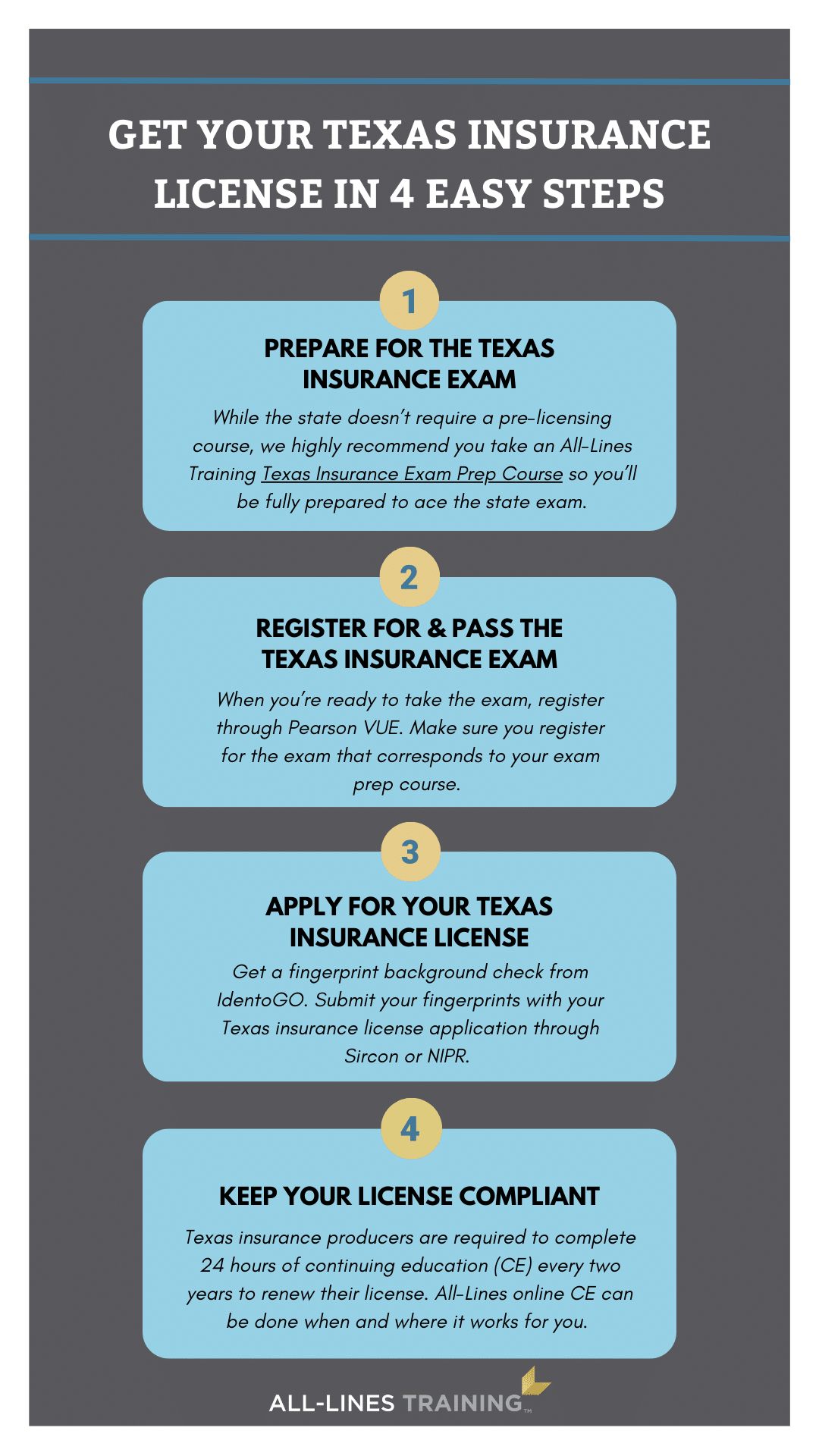
Navigating the path to becoming a licensed insurance agent in Texas involves a structured process designed to ensure agents possess the necessary knowledge and ethical standards to serve the public. This guide outlines the key steps, from initial qualifications to obtaining your license and embarking on a fulfilling career in the insurance industry within the Lone Star State.
Understanding the Requirements and Pre-Licensing Education
Before diving into the application process, it’s crucial to understand the foundational requirements set forth by the Texas Department of Insurance (TDI). These prerequisites ensure that aspiring agents are prepared for the responsibilities that come with this profession.
Age and Residency
To obtain an insurance license in Texas, you must be at least 18 years old. While not strictly required to be a resident of Texas to apply for a license, you will need to meet residency requirements if you plan to establish your primary place of business within the state and obtain a resident license. Non-residents can obtain a non-resident license if they hold a resident license in another state.
Pre-Licensing Education
A mandatory component of becoming a licensed insurance agent in Texas is completing a state-approved pre-licensing education course. The number of hours required varies depending on the specific line of authority you are seeking.
- Property and Casualty (P&C) Agent: Requires 200 hours of approved pre-licensing education. This license allows you to sell insurance for vehicles, homes, businesses, and other property-related risks.
- Life, Accident, and Health (LAH) Agent: Requires 200 hours of approved pre-licensing education. This license enables you to sell life insurance, health insurance, disability insurance, and annuities.
- Personal Lines Agent: Requires 40 hours of approved pre-licensing education. This license is for individuals who wish to sell insurance policies for personal risks, such as auto and homeowners insurance.
- Other Lines of Authority: Specialized licenses, such as for adjusters or bail bondsmen, will have their own specific hour requirements and potentially different course content.
These courses are designed to cover essential insurance principles, state laws, ethics, and product knowledge relevant to the license type. Reputable pre-licensing education providers offer various formats, including classroom-based, online, and self-study options, allowing flexibility for learners. It is imperative to choose a provider that is officially recognized by the Texas Department of Insurance. Successful completion typically involves passing an end-of-course examination.
The Licensing Examination Process
Once you have successfully completed your pre-licensing education, the next critical step is to pass the state licensing examination administered by a third-party testing provider, typically Pearson VUE. This exam rigorously assesses your understanding of insurance concepts and Texas insurance laws and regulations.
Scheduling Your Exam
After completing your pre-licensing course, you will receive information on how to register and schedule your examination. It is advisable to schedule your exam relatively soon after completing your course while the material is still fresh in your mind. You will need to provide proof of course completion during the registration process.
Understanding the Exam Format and Content
The licensing examination is typically a multiple-choice test. The specific content and number of questions will depend on the type of license you are pursuing. The exam will cover general insurance principles, ethical conduct, and specific information pertaining to the lines of authority you are seeking. For instance, a Property and Casualty exam will focus on topics like auto insurance policies, homeowners coverage, commercial insurance, and claims handling. A Life, Accident, and Health exam will delve into life insurance products, health insurance regulations, annuities, and disability coverage.
To prepare effectively, thoroughly review your pre-licensing course materials. Many testing providers offer practice exams, which can be invaluable for familiarizing yourself with the question format and identifying areas where you need further study. It is essential to aim for a high score on the practice exams to build confidence for the actual test.
Passing Score and Retakes
A specific passing score is required for each examination. If you do not achieve the passing score on your first attempt, you will have the opportunity to retake the exam. However, there are usually limitations on the number of times you can retake the exam within a certain period, and each retake may incur an additional fee. It is crucial to understand the retake policy of the testing provider and the Texas Department of Insurance. If you fail multiple times, you may be required to repeat some or all of your pre-licensing education.

Applying for Your Insurance License
With your pre-licensing education completed and the licensing examination successfully passed, you are ready to submit your official license application to the Texas Department of Insurance. This is a formal process that requires accurate and complete information.
The Application Submission
Applications are typically submitted online through the Texas Department of Insurance website or through the designated licensing platform. You will need to provide personal information, details about your education and examination, and potentially other identifying documents.
Background Check and Fingerprinting
As part of the licensing process, all applicants are required to undergo a criminal background check and submit fingerprints. This is a standard procedure for professions involving public trust and financial responsibility. The Texas Department of Insurance utilizes this information to ensure that licensees meet ethical and legal standards. You will be provided with instructions on how to schedule your fingerprinting appointment. Any past criminal convictions or disciplinary actions could potentially impact your eligibility for a license, so it is important to be transparent and forthcoming on your application.
Fees and Processing Time
There are fees associated with the license application and examination. These fees help cover the administrative costs of processing applications, maintaining licensing systems, and regulating the insurance industry. The total cost will depend on the type of license you are seeking.
The processing time for a license application can vary. Once all required documentation and background checks are completed satisfactorily, the Texas Department of Insurance will review your application. If approved, your insurance license will be issued. You can typically track the status of your application online.
Maintaining Your License and Continuing Education
Obtaining your insurance license is a significant achievement, but it is not the end of your journey. To maintain an active license and continue practicing as an insurance agent in Texas, you must adhere to ongoing requirements, primarily focused on continuing education.
Continuing Education Requirements
The Texas Department of Insurance mandates that licensed agents complete a certain number of hours of approved continuing education (CE) every two years. The specific number of hours, currently 24 hours, including at least 2 hours of ethics, ensures that agents stay current with changes in insurance laws, regulations, and product offerings. Failing to complete your CE requirements on time will result in your license lapsing.
- Approved CE Courses: You must complete CE courses from providers accredited by the Texas Department of Insurance. These courses cover a wide range of topics, including specific product lines, ethics, law updates, and sales practices.
- Tracking Your CE: It is your responsibility to track your completed CE hours and ensure they meet the state’s requirements. Most CE providers report your completion to the Texas Department of Insurance electronically.
License Renewal
Your insurance license in Texas is valid for a period of two years. Prior to your license expiration date, you must submit a renewal application and pay the renewal fee. This process also requires that you have completed all of your continuing education requirements for the current licensing period. Timely renewal is critical to avoid lapses in your license and potential penalties.

Ethical Conduct and Compliance
Beyond formal education and renewal processes, licensed insurance agents are held to a high standard of ethical conduct and compliance with Texas insurance laws. This includes honesty, integrity, and acting in the best interest of your clients. The Texas Department of Insurance enforces these standards, and violations can lead to disciplinary actions, including fines, license suspension, or revocation. Staying informed about industry best practices and regulatory updates is essential for long-term success and maintaining public trust.
By diligently following these steps and committing to ongoing professional development, you can successfully become a licensed insurance agent in Texas and build a rewarding career serving the insurance needs of individuals and businesses across the state.
LifeOutOfTheBox is a participant in the Amazon Services LLC Associates Program, an affiliate advertising program designed to provide a means for sites to earn advertising fees by advertising and linking to Amazon.com. Amazon, the Amazon logo, AmazonSupply, and the AmazonSupply logo are trademarks of Amazon.com, Inc. or its affiliates. As an Amazon Associate we earn affiliate commissions from qualifying purchases.