
Becoming a nail technician in Texas offers a vibrant and rewarding career path within the booming beauty industry. The Lone Star State boasts a diverse population and a strong demand for skilled professionals who can offer everything from intricate nail art to meticulous manicures and pedicures. This guide will navigate you through the essential steps, requirements, and considerations for launching your career as a nail technician in Texas, ensuring you are well-prepared to enter this creative and client-focused field.
Understanding the Landscape of Nail Technology in Texas
The role of a nail technician extends far beyond simple polish application. It encompasses a deep understanding of nail health, sanitation, product knowledge, and client consultation. In Texas, nail technicians are integral to the beauty and wellness sector, serving clients in various settings, from high-end salons and spas to independent studios and mobile services. The profession demands both artistic flair and a commitment to client safety and satisfaction.
The Evolving Industry and Career Opportunities
The nail industry is continuously evolving, with new trends, techniques, and products emerging regularly. This dynamic nature means that continuous learning and adaptation are key. Opportunities for nail technicians in Texas are plentiful, driven by consumer demand for aesthetic enhancement, relaxation, and self-care. Graduates can find employment in:
- Nail Salons: These range from local neighborhood establishments to larger, more luxurious nail bars.
- Full-Service Salons and Spas: Offering a broader range of beauty treatments, these establishments often feature dedicated nail services.
- Barbershops: Increasingly, barbershops are incorporating nail services for men.
- Day Spas: Focusing on relaxation and rejuvenation, day spas often have extensive nail care offerings.
- Resorts and Hotels: Many hospitality establishments in cities like Austin or Dallas offer spa services, including professional nail treatments.
- Independent Studios: For those with entrepreneurial ambitions, opening a personal nail studio is a viable option.
- Mobile Nail Services: Providing convenience for clients, mobile technicians travel to homes or offices.
- Freelance Work: This can include working at events, photoshoots, or for celebrity clients.
Essential Skills and Qualities
Beyond technical proficiency, several soft skills and qualities are crucial for success as a nail technician in Texas:
- Artistic and Creative Aptitude: The ability to design and execute intricate nail art, match colors, and create aesthetically pleasing looks.
- Attention to Detail: Precision is paramount in nail services, from cuticle care to polish application and design.
- Customer Service Skills: Building rapport with clients, understanding their needs, and providing a positive and relaxing experience.
- Communication Skills: Effectively consulting with clients about their desired services, discussing nail health, and providing aftercare advice.
- Professionalism and Hygiene: Maintaining impeccable cleanliness in your workspace and personal presentation is non-negotiable.
- Business Acumen (for independent operators): Skills in marketing, client management, and financial planning.
- Physical Stamina: Standing for long periods and performing intricate hand movements requires endurance.
- Adaptability: Keeping up with trends and being willing to learn new techniques.
The Educational and Licensing Pathway in Texas
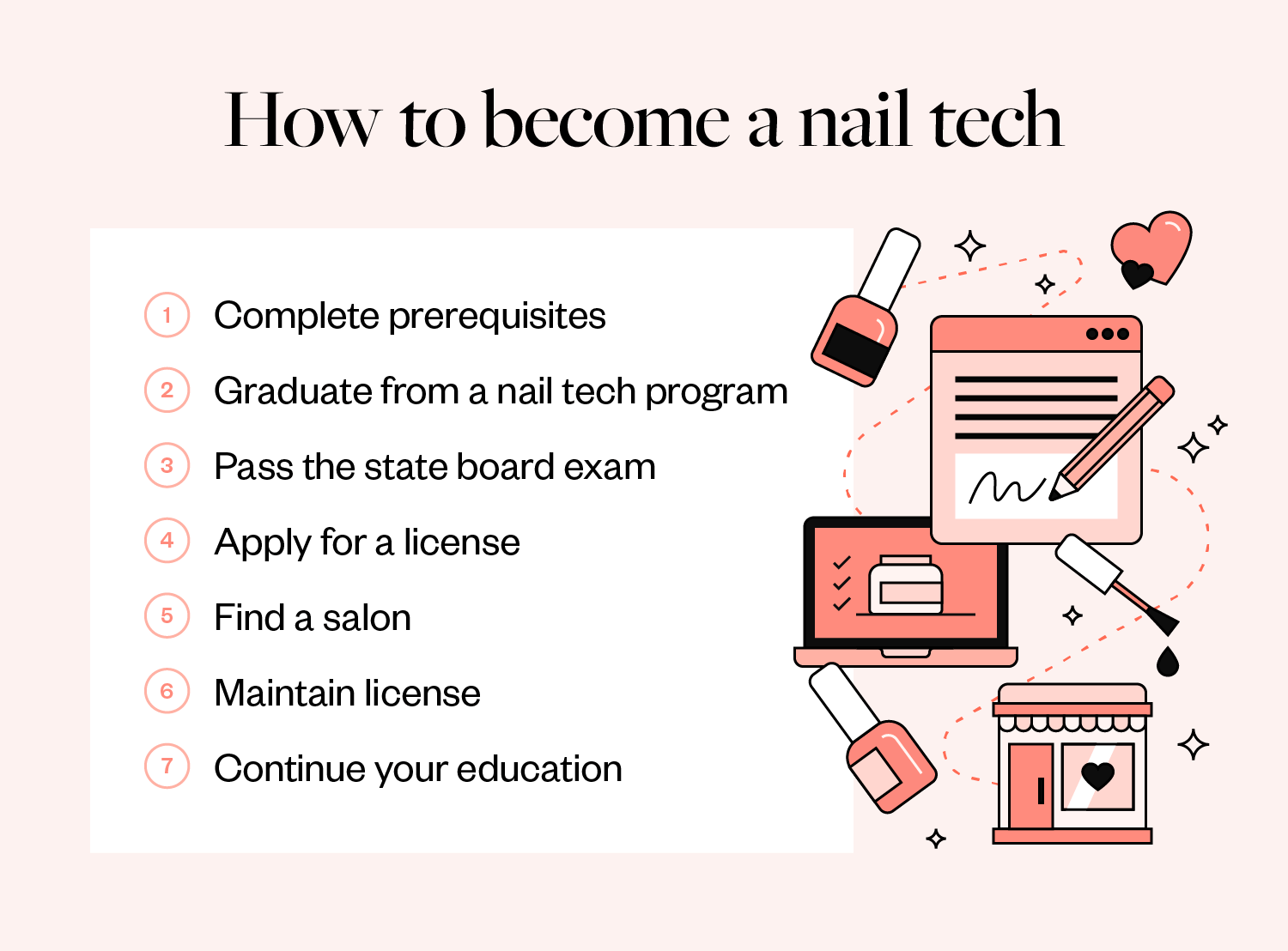
To legally practice as a nail technician in Texas, you must meet specific educational and licensing requirements set forth by the Texas Department of Licensing and Regulation (TDLR). This ensures that all professionals adhere to safety standards and possess the necessary knowledge to perform services competently.
Educational Requirements
The primary step is completing a state-approved nail technician training program. These programs are designed to equip aspiring technicians with the fundamental knowledge and practical skills needed to excel in the field.
Approved Training Programs
- Curriculum: Approved programs typically cover a comprehensive curriculum that includes:
- Nail Anatomy and Physiology: Understanding the structure and health of nails and skin.
- Sanitation and Sterilization: Crucial for preventing the spread of infections and ensuring client safety. This includes learning about disinfection, sterilization, and proper disposal of materials.
- Manicures and Pedicures: Techniques for both basic and advanced treatments, including cuticle care, exfoliation, massage, and polish application.
- Artificial Nail Application: Training in various types of artificial nails, such as acrylics, gels, and dip powder, including application, maintenance, and removal.
- Nail Art and Design: Exploring different techniques for decorative nail enhancements.
- Product Knowledge: Understanding the properties and uses of various nail products, including polishes, treatments, and artificial nail materials.
- Client Consultation: Learning how to effectively communicate with clients to understand their needs, assess nail conditions, and recommend appropriate services.
- Business Practices and Ethics: Basic principles of running a professional service, including client relations and ethical conduct.
- Texas State Laws and Rules: Specific regulations governing the practice of nail technology in Texas.
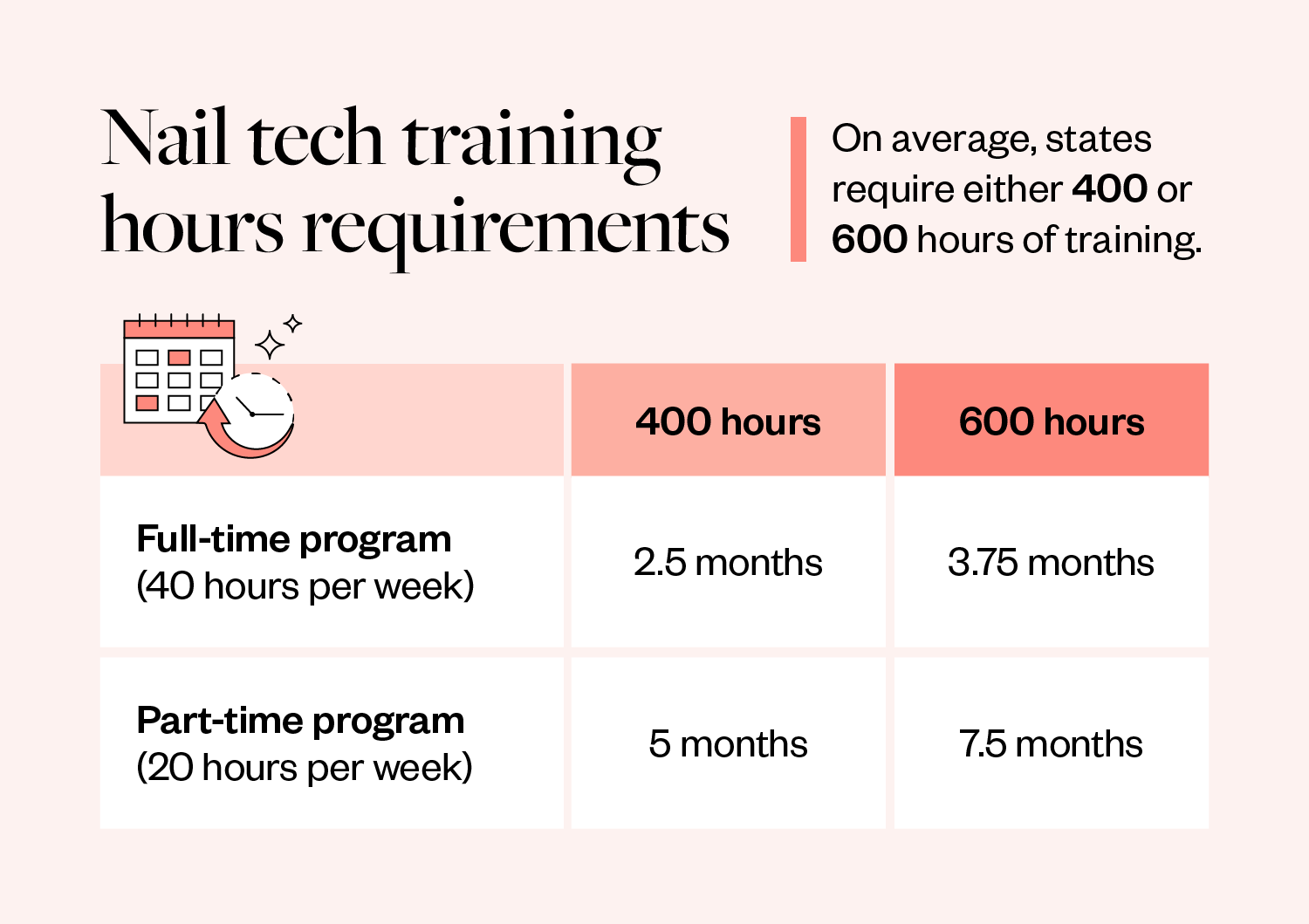
- Clock Hours: The TDLR mandates a minimum number of clock hours for nail technician training. Currently, this requirement is 600 hours. It is essential to verify the most up-to-date hour requirements directly with the TDLR as these can be subject to change.
- Choosing a School: When selecting a cosmetology school or nail technician program, ensure it is accredited and approved by the TDLR. Research schools in your area, read reviews, and consider visiting campuses to assess their facilities and instructors. Popular cities like Houston and San Antonio offer numerous reputable options.
Licensing Examination and Application
Upon successful completion of your approved training program, you will be eligible to apply for your nail technician license. This process involves several steps:

- Application for Examination: Submit an application to the TDLR to take the licensing examination. This application typically requires proof of your completed training hours, personal identification, and payment of fees.
- The Licensing Exam: The examination is administered by a contracted testing service and consists of two parts:
- Written Exam: This assesses your theoretical knowledge of nail technology, including anatomy, sanitation, product safety, and state regulations.
- Practical Exam: This evaluates your hands-on skills in performing various nail services, demonstrating proper techniques, sanitation protocols, and client interaction. You will likely need to bring your own supplies for the practical portion.
- Passing Scores: You must achieve a passing score on both the written and practical portions of the examination.
- Issuance of License: Once you have successfully passed both exams and met all other requirements, the TDLR will issue your official nail technician license.
Key Considerations for the Licensing Process:
- Eligibility: Ensure you meet the basic eligibility criteria, which generally include being at least 16 years of age and having a high school diploma or GED.
- Fees: Be prepared for various fees associated with the application, examination, and licensing process. These fees are set by the TDLR.
- Background Check: In some cases, a background check may be required as part of the licensing application.
- Renewal: Nail technician licenses in Texas are typically valid for two years and require renewal, which usually involves completing continuing education hours and paying a renewal fee.
Launching Your Career and Thriving as a Nail Tech
Once licensed, the excitement of starting your career begins. Whether you aim to work in an established salon or build your own clientele, thoughtful planning and execution are key to success.
Gaining Experience and Building a Portfolio
- Entry-Level Positions: Many new nail technicians start by working in salons to gain practical experience, hone their skills, and learn from seasoned professionals. This is an invaluable period for client interaction and understanding salon operations.
- Continuing Education: The beauty industry is constantly innovating. Regularly attend workshops, seminars, and online courses to stay abreast of new techniques, products, and trends like gel extensions, e-file mastery, and advanced nail art. Consider specialized certifications in areas that interest you.
- Building a Portfolio: A strong portfolio is essential for showcasing your skills to potential employers and clients. This can be a physical book of photos or a digital portfolio accessible online. Document your best work, including various styles of manicures, pedicures, and intricate nail art.
- Networking: Attend industry events, connect with other beauty professionals, and engage with clients. Building relationships can lead to referrals and career opportunities.
Setting Up Your Workspace
- Salon Employment: If you choose to work in a salon, understand their commission structures, booth rental policies, and client base. This is often the most straightforward way to begin, providing a steady stream of clients and a supportive environment.
- Independent Studio: For those seeking more autonomy, opening your own studio offers control over your brand, services, and pricing. This requires significant planning, including securing a location, obtaining necessary permits, investing in equipment, and marketing your business. Consider the cost of rent, utilities, insurance, and supplies.
- Mobile Services: Offering mobile nail services provides flexibility and allows you to serve clients in their homes or offices. This requires investing in a portable toolkit and establishing a reliable transportation method. You’ll need to factor in travel time and costs.
Marketing and Client Retention
- Online Presence: Establish a professional online presence through social media platforms like Instagram and Facebook, showcasing your work and engaging with potential clients. A website can also serve as a central hub for your services, portfolio, and booking information.
- Client Experience: Exceptional customer service is paramount. Create a welcoming and comfortable environment, listen attentively to client requests, and deliver consistent, high-quality results.
- Referral Programs: Encourage word-of-mouth marketing by offering incentives for client referrals.
- Loyalty Programs: Reward repeat clients with discounts or special offers to foster loyalty.
- Special Offers and Packages: Introduce seasonal promotions, package deals, or introductory offers to attract new clients and encourage bookings.
Staying Compliant and Continuing Your Growth
The journey as a nail technician in Texas is one of continuous learning and adherence to regulations. Staying informed and committed to professional development will ensure a sustainable and fulfilling career.
Maintaining Your License and Professional Standards
- License Renewal: Keep track of your license expiration date and complete the required continuing education hours before renewal. The TDLR provides guidelines on approved continuing education courses.
- Adhering to Regulations: Always operate in compliance with the rules and regulations set by the TDLR. This includes maintaining sanitary practices, proper labeling of products, and accurate record-keeping.
- Insurance: Consider obtaining professional liability insurance to protect yourself against potential claims.
Embracing Trends and Specializations
- Advanced Techniques: Explore areas like Japanese gel art, encapsulation, 3D nail art, or the use of specific tools and technologies that enhance your service offerings.
- Nail Health Focus: As awareness of holistic wellness grows, specializing in natural nail health, organic products, or therapeutic treatments can be a significant differentiator.
- Product Innovation: Stay informed about new product lines, sustainable options, and innovative tools that can improve efficiency and client satisfaction.
Becoming a nail technician in Texas is a path that combines artistic talent with a passion for client care. By diligently following the educational and licensing requirements, continuously honing your skills, and committing to exceptional service, you can build a successful and prosperous career in this dynamic and rewarding profession.
LifeOutOfTheBox is a participant in the Amazon Services LLC Associates Program, an affiliate advertising program designed to provide a means for sites to earn advertising fees by advertising and linking to Amazon.com. Amazon, the Amazon logo, AmazonSupply, and the AmazonSupply logo are trademarks of Amazon.com, Inc. or its affiliates. As an Amazon Associate we earn affiliate commissions from qualifying purchases.