
The homestead exemption is a cornerstone of property ownership in Texas, offering significant property tax relief to homeowners. Understanding your exemption status is crucial for managing your finances and ensuring you are receiving the full benefit of this protection. Whether you’ve recently purchased a home, are curious about your current status, or need to verify details, this guide will walk you through the straightforward process of checking your homestead exemption status in the Lone Star State.
Understanding Texas Homestead Exemptions
In Texas, a homestead exemption is a legal provision that protects a portion of a homeowner’s property value from property taxes. This exemption is not automatically applied; homeowners must actively apply for it. Once granted, it significantly reduces the taxable value of your primary residence, leading to lower annual property tax bills. There are several types of homestead exemptions available in Texas, each offering a different level of tax reduction.

Types of Texas Homestead Exemptions
- General Homestead Exemption: This is the most common type, providing a basic reduction in your property’s appraised value. The state mandates a minimum of $25,000 off the appraised value for all homesteads.
- Additional Homestead Exemption for School District Taxes: Many taxing units, particularly school districts, offer an additional exemption. In Texas, homeowners aged 65 or older, or those with a disability, can qualify for an additional $10,000 exemption on their homestead. This exemption is often applied to school taxes specifically.
- Optional Additional Homestead Exemption for School District Taxes: Taxing units can, at their discretion, offer a further optional exemption for school district taxes. The amount varies by district, but it can provide an additional reduction in taxable value for those who qualify.
- Homestead Exemption for Surviving Spouses: This exemption allows a surviving spouse to continue to claim the homestead exemption on their deceased spouse’s property, provided they continue to occupy the property as their primary residence and do not remarry. The exemption amount remains the same as what the deceased spouse was entitled to.
Eligibility Requirements
To qualify for a homestead exemption in Texas, you must meet specific criteria:
- Ownership: You must own the home.
- Occupancy: The property must be your primary residence. You can only claim one homestead exemption at a time.
- Application: You must file an application with your local county appraisal district.
Step-by-Step Guide to Checking Your Homestead Exemption Status
Checking your homestead exemption status in Texas primarily involves interacting with your local county appraisal district. Each county operates its own appraisal district, responsible for appraising all property within its boundaries.
Step 1: Identify Your County Appraisal District
The first step is to determine which county appraisal district serves your property. If you own a home in Dallas, for instance, you would need to find the Dallas Central Appraisal District. Similarly, if you live in Houston, you’ll be looking for the Harris County Appraisal District.
You can usually find this information by:
- Searching Online: A quick internet search for “[Your County Name] Appraisal District” will typically lead you to the correct website.
- Property Tax Bills: Your annual property tax bill will always clearly state the name of your county appraisal district.
- County Clerk’s Office: If you’re unsure, the county clerk’s office can direct you to the appropriate appraisal district.
Step 2: Navigate the Appraisal District Website
Once you’ve identified your county appraisal district, visit their official website. Most appraisal districts in Texas have user-friendly websites that offer a wealth of information and online services.
Look for sections such as:
- Property Search: This is usually the primary tool for homeowners. You’ll need to enter your property’s address or your unique property identification number (often found on your tax bill).
- Exemptions: This section will detail the types of exemptions available and how to apply.
- Forms: Here you can often download application forms or other relevant documents.
- FAQ (Frequently Asked Questions): This section can often answer common queries about homestead exemptions.
Step 3: Utilize the Online Property Search Tool
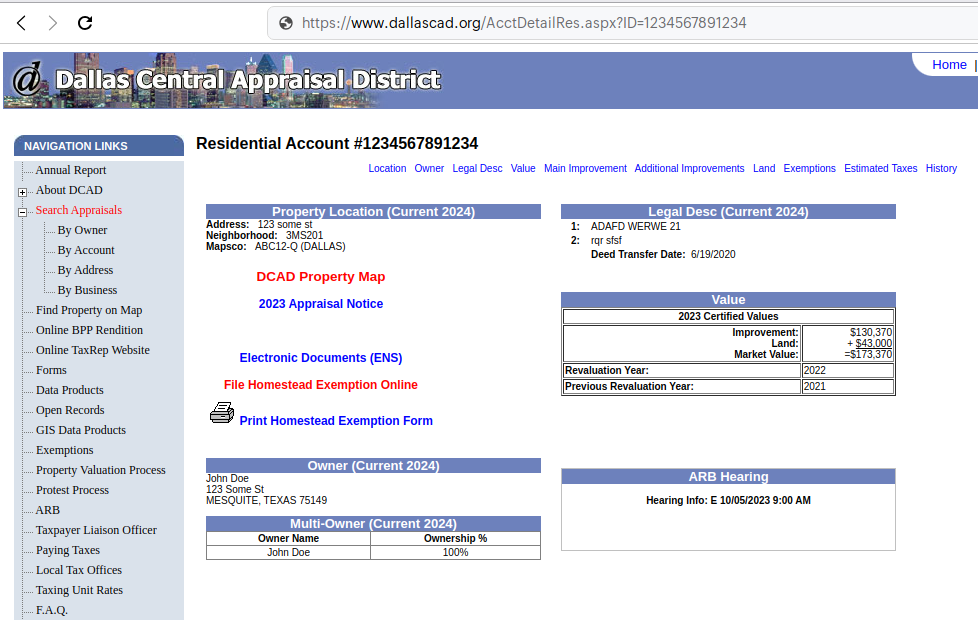
The most efficient way to check your homestead exemption status is through the online property search tool.
- Enter Your Information: Input your property address or your parcel ID into the search bar. The parcel ID is a unique identifier assigned to your property by the appraisal district.
- Review Property Details: After submitting your information, you will typically see a summary of your property’s details. This will include its appraised value, market value, and critically, the exemptions that have been applied.
- Locate Exemption Information: Within the property details, look for a section specifically listing “Exemptions” or “Homestead Exemptions.” This will indicate whether a homestead exemption has been granted and, in some cases, the amount of the exemption. You should see entries for “General Homestead Exemption,” “School Homestead Exemption,” and potentially others if applicable.
Step 4: Contact the Appraisal District Directly
If you cannot find the information online, or if you have specific questions or concerns, contacting your county appraisal district directly is the next best step.

- Phone: Most appraisal districts have a customer service phone number listed on their website. Be prepared to provide your property address and/or parcel ID.
- Email: Some districts offer email support for inquiries.
- In-Person: You can visit the appraisal district office in person to speak with a representative. This can be particularly helpful if you need to submit documents or have complex questions.
When contacting them, be ready to provide:
- Your full name.
- The property address.
- Your parcel ID (Account Number).
- The tax year for which you are inquiring.
Step 5: Reviewing Your Property Tax Bill
Your annual property tax bill is another valuable resource for verifying your homestead exemption status. While the appraisal district determines the exemption, the tax bill is issued by the taxing entities (like your city, county, or school district).
On your tax bill, you should see:
- The total appraised value of your property.
- The total taxable value of your property.
- A breakdown of the exemptions applied, often showing the dollar amount deducted from the appraised value for each exemption.
The difference between the appraised value and the taxable value is largely due to the homestead exemptions. If you believe the exemptions on your tax bill do not match what you expect, this is a strong indicator that you should investigate further with your appraisal district.
Common Scenarios and Troubleshooting
Understanding how to check your status also involves knowing what to do if you encounter issues.
Newly Purchased Property
If you have recently purchased a home in Texas, you will need to file for your homestead exemption. The application deadline is typically April 30th of the tax year for which you are claiming the exemption. For example, if you purchased your home in 2023 and want to claim the exemption for the 2023 tax year, you must file by April 30, 2024.
- Action: Download the homestead application form from your county appraisal district’s website and submit it by the deadline. Once submitted and approved, your status will reflect this on subsequent searches and tax bills.
Application Not Applied or Incorrectly Applied
Sometimes, even after applying, an exemption may not appear on your records or may be applied incorrectly.
- Action: Contact your county appraisal district immediately. Provide proof of your application submission (if you have a confirmation number or copy of the form) and your property details. They will investigate why the exemption was not processed or if there was an error.
Moving to a New Primary Residence
If you move to a new primary residence within Texas, you must file a new homestead application for your new home and formally remove your homestead exemption from your previous property.
- Action: File a new homestead exemption application for your new address. To remove the exemption from your old property, contact the appraisal district where the old property is located. Some districts may require a “Cancellation of Homestead Exemption” form.
Proving Eligibility
In rare cases, the appraisal district might request additional documentation to verify your eligibility, especially for certain additional exemptions (like those for disability or age).
- Action: Be prepared to provide supporting documents such as a doctor’s letter for disability claims, or proof of age for senior exemptions.
The Importance of Homestead Exemptions for Homeowners
Beyond the obvious financial benefit of reduced property taxes, understanding and securing your homestead exemption offers peace of mind. It ensures that a portion of your home’s value is protected, making homeownership more affordable and sustainable. For seniors and individuals with disabilities, these exemptions can be critical in allowing them to remain in their homes.
The process of checking your homestead exemption status in Texas is designed to be accessible through your local county appraisal district. By utilizing their online resources or contacting them directly, you can confirm your exemption status, ensure you are receiving the maximum tax benefit, and maintain a clear understanding of your property tax obligations. Regularly verifying this information, especially after significant life events like purchasing a home or moving, is a prudent step for any Texas homeowner.
LifeOutOfTheBox is a participant in the Amazon Services LLC Associates Program, an affiliate advertising program designed to provide a means for sites to earn advertising fees by advertising and linking to Amazon.com. Amazon, the Amazon logo, AmazonSupply, and the AmazonSupply logo are trademarks of Amazon.com, Inc. or its affiliates. As an Amazon Associate we earn affiliate commissions from qualifying purchases.