
Navigating the intricate world of business and taxation can often feel like traversing a dense, uncharted territory. For entrepreneurs and businesses operating within the vibrant economic landscape of Texas, understanding and securing the necessary identification numbers is a foundational step toward lawful and efficient operation. Among these crucial identifiers is the Tax Identification Number (TIN), often referred to as an Employer Identification Number (EIN) when issued by the Internal Revenue Service (IRS). While the article title focuses on filing for a “Tax ID Number,” in the context of Texas and federal business operations, this primarily refers to obtaining an EIN. This guide aims to demystify the process of acquiring this essential number, ensuring Texas businesses can establish a strong foundation for growth and compliance.
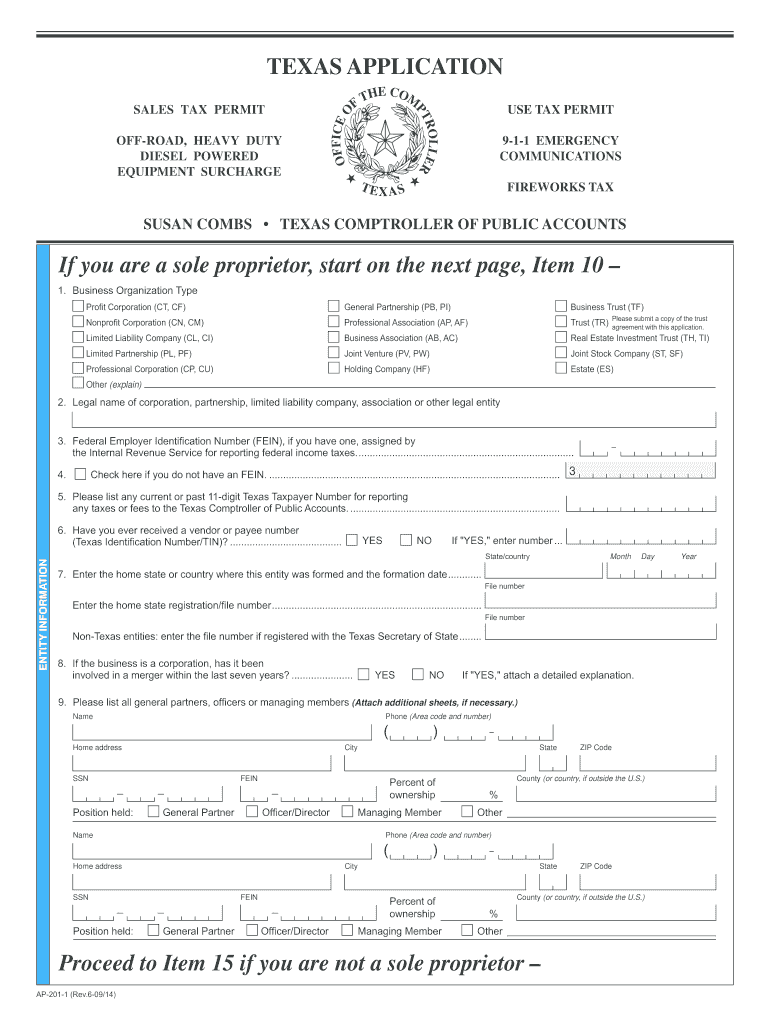
Understanding the Tax Identification Number (EIN)
A Tax Identification Number, or TIN, is a unique nine-digit number assigned to business entities operating in the United States. The most common type of TIN for businesses is the Employer Identification Number (EIN), also known as a Federal Tax Identification Number (FTIN). This number is issued by the Internal Revenue Service and serves a purpose akin to a Social Security Number for individuals, but for businesses.
Why is an EIN Crucial for Texas Businesses?
Obtaining an EIN is not merely a bureaucratic formality; it is a critical requirement for a multitude of business activities. For businesses established or operating in Texas, an EIN is essential for several key reasons:
- Opening a Business Bank Account: Financial institutions require an EIN to open business checking and savings accounts. This separation of personal and business finances is vital for accounting, legal protection, and clear financial management.
- Hiring Employees: If a business plans to hire employees in Texas or anywhere else, an EIN is mandatory for reporting wages paid to the IRS and for issuing W-2 forms.
- Filing Business Tax Returns: All business tax returns, whether for sole proprietorships operating under a different business name, partnerships, corporations, or Limited Liability Companies (LLC), must be filed with the IRS using the business’s EIN.
- Operating as a Corporation or Partnership: Entities structured as corporations or partnerships inherently require an EIN from their inception.
- Operating Certain Types of Businesses: Businesses involved in specific industries, such as agriculture, or those that deal with certain excise taxes, may also need an EIN.
- Establishing Business Credit: An EIN is a cornerstone in building a business’s credit profile, separate from the personal credit of its owners. This is crucial for securing loans, lines of credit, and favorable terms with suppliers.
- Fulfilling Regulatory Requirements: Various state and federal regulations necessitate the use of an EIN for reporting purposes, ensuring transparency and compliance.
Who Needs an EIN in Texas?
Virtually any business entity operating in Texas that is not a sole proprietorship or an independent contractor with no employees and no need to file excise tax returns will likely need an EIN. This includes:
- Corporations: All types of corporations, whether S-corporations or C-corporations, are required to have an EIN.
- Partnerships: General partnerships, limited partnerships, and limited liability partnerships (LLPs) must obtain an EIN.
- Limited Liability Companies (LLCs): While a single-member LLC may elect to be treated as a disregarded entity (using the owner’s Social Security Number), if the LLC has multiple members or chooses to be taxed as a corporation, it will need an EIN.
- Sole Proprietorships with Employees: If a sole proprietor in Texas hires employees, they must obtain an EIN to report payroll taxes.
- Sole Proprietorships Filing Specific Tax Returns: Sole proprietors who are required to file certain excise tax returns or have filed for bankruptcy also need an EIN.
- Estates and Trusts: These entities also require an EIN.
The Application Process for an EIN in Texas
Fortunately, the Internal Revenue Service provides a straightforward and largely free method for obtaining an EIN. The primary and most efficient way to apply is through the IRS online application.
Applying Online via the IRS Website
The IRS offers an electronic EIN application that is available 24/7. This is the fastest and most recommended method.
Eligibility for Online Application
To apply online, the principal business officer or owner must have a valid Taxpayer Identification Number (SSN, ITIN, or EIN) and be applying for an EIN for a business located in the United States or U.S. possessions. The applicant must also be an individual who exercises ultimate control over the entity, such as a sole proprietor, a partner in a partnership, a grantor of a trust, or a principal officer of a corporation.
Steps for Online Application:
- Visit the Official IRS Website: Navigate to the IRS website and locate the section for EIN applications. The direct link to the online application is usually found under “Apply for an Employer Identification Number (EIN) Online.”
- Start the Application: Click on the “Apply Online Now” button. You will be guided through a series of steps.
- Provide Business Information: You will be prompted to enter detailed information about your business, including:
- Legal Name of Business: This must match the name registered with the state of Texas.
- Trade Name (DBA): If your business operates under a “Doing Business As” name, you will need to provide this as well.
- Business Address: This should be the physical address of your business in Texas. A P.O. Box is generally not acceptable as the primary business address, though it can be used for mailing.
- Mailing Address: Where the IRS can send correspondence.
- Type of Entity: Select from options like Corporation, Partnership, LLC, Sole Proprietorship, etc.
- Reason for Applying: Common reasons include starting a new business, hiring employees, or changing business structure.
- Responsible Party Information: This is the individual who ultimately owns or controls the business entity. This person’s Social Security Number (SSN), Individual Taxpayer Identification Number (ITIN), or existing EIN is required. The responsible party must be an individual (not an entity) and must have a U.S. presence.
- Number of Employees: An estimate of full-time and part-time employees you plan to hire in Texas.
- First Date of Business Operation: The date when your business activities actually began.
- Principal Activity: Briefly describe the primary business activity.
- Banking Information: While not always mandatory, having information about your business bank account can sometimes be helpful for verification.
- Review and Submit: Carefully review all entered information for accuracy before submitting the application.
- Receive Your EIN: Upon successful submission and verification, you will immediately receive your EIN on screen. It is crucial to print or save this confirmation page, as it contains your official EIN. The IRS will also mail a confirmation letter to your business address within a few business days.

Alternative Application Methods
While online application is the most efficient, the IRS offers other methods for those who cannot or prefer not to apply online.
By Phone
- Eligibility: This method is available for businesses located in the United States and its territories.
- Process: You can call the IRS toll-free at 800-829-4933 between 7 a.m. and 7 p.m. local time, Monday through Friday. An IRS assistor will guide you through the application process over the phone. Be prepared to provide all the same information as required for the online application. Your EIN will be issued immediately over the phone.
By Fax or Mail
- Form: Download Form SS-4, Application for Employer Identification Number, from the IRS website.
- Process: Complete the form thoroughly and accurately.
- Fax: Fax the completed Form SS-4 to the appropriate IRS fax number for your state. These numbers can be found in the instructions for Form SS-4.
- Mail: Mail the completed Form SS-4 to the IRS address specified in the Form SS-4 instructions.
- Processing Time: Applications submitted by fax are typically processed within four business days, while mail applications can take four to five weeks. This makes fax and mail significantly slower than online or phone applications.
Important Considerations for Texas Businesses
When applying for your EIN, it is essential to be aware of a few key points to ensure a smooth process and maintain compliance.
The Responsible Party
The “responsible party” is a critical component of the EIN application. This individual is the one who ultimately owns or controls the business. The IRS requires the SSN, ITIN, or EIN of this person. This individual must also be an individual, not another business entity, and generally must have a U.S. presence. Accurately identifying and providing the information for the responsible party is vital for the application’s approval.
Sole Proprietorships and EINs
As mentioned, sole proprietors in Texas generally do not need an EIN unless they hire employees or have specific tax filing requirements. If a sole proprietor operates under a business name different from their legal name, they may obtain an EIN to establish a separate business identity for banking and credit purposes, but it is not strictly mandatory for tax filing purposes if they are the only owner and have no employees. In such cases, their SSN can be used for business tax filings.
Cost of an EIN
It is imperative to note that obtaining an EIN directly from the Internal Revenue Service is free. Be wary of third-party websites or services that charge a fee to help you obtain an EIN. While some services may offer convenience, the core application process with the IRS is entirely free of charge. Always use the official IRS website or direct contact methods to avoid unnecessary expenses.
Keeping Your EIN Information Up-to-Date
Once you have your EIN, it is important to keep your business information current with the IRS. If your business name, address, or the responsible party changes, you may need to update your records with the IRS by filing specific forms or notifying them of the changes.

State of Texas Requirements
While the EIN is a federal identification number issued by the IRS, Texas businesses must also comply with state-level registration requirements. This typically involves registering your business with the Texas Secretary of State and obtaining any necessary state licenses or permits. The EIN is often a prerequisite for these state-level registrations. For example, to register a new business entity like an LLC or corporation with the Texas Secretary of State, you will generally need an EIN.
Securing an EIN is a foundational step for any business looking to operate legitimately and effectively in Texas. By understanding the requirements and following the straightforward application process outlined by the IRS, entrepreneurs can confidently establish their business identity and lay the groundwork for future success in the dynamic Texas economy.
LifeOutOfTheBox is a participant in the Amazon Services LLC Associates Program, an affiliate advertising program designed to provide a means for sites to earn advertising fees by advertising and linking to Amazon.com. Amazon, the Amazon logo, AmazonSupply, and the AmazonSupply logo are trademarks of Amazon.com, Inc. or its affiliates. As an Amazon Associate we earn affiliate commissions from qualifying purchases.