
Navigating the waters of Texas, whether on the vast expanse of the Gulf of Mexico or the tranquil surfaces of its numerous lakes and rivers, offers an unparalleled sense of freedom and adventure. From exhilarating water sports to peaceful fishing excursions, the Lone Star State’s waterways are a treasure trove of recreational opportunities. However, to fully and legally enjoy these experiences, particularly when operating a motorboat, obtaining a boating license, or more accurately, a Texas Boater Education Certificate, is a crucial step. This guide will walk you through the entire process, ensuring you can confidently and safely take the helm.
Understanding Texas Boating Regulations
The Texas Parks and Wildlife Department (TPWD) is the governing body responsible for regulating boating activities within the state. Their primary objective is to ensure the safety of all watercraft users and to protect the natural resources of Texas. While the term “boating license” is commonly used, it’s important to understand that Texas requires proof of boater education for certain operators, rather than a traditional license that needs renewal.
Who Needs a Boater Education Certificate?
In Texas, individuals born on or after September 1, 1993, are required to have a valid Boater Education Certificate when operating a boat or personal watercraft (PWC) powered by a motor of 15 horsepower or more. This requirement applies regardless of whether you own the vessel or are renting it. Even if you were born before this date, completing a boater education course is highly recommended for all boat operators. It provides essential knowledge about safe boating practices, navigation rules, emergency procedures, and the unique challenges of operating a vessel on Texas waters.
Key Definitions and Requirements
- Motorboat: Any vessel propelled by machinery, whether inboard or outboard, of more than 15 horsepower.
- Personal Watercraft (PWC): A small, steerable boat that the rider sits or stands on, as opposed to inside, and is propelled by a jet pump. Examples include jet skis.
- Operator: The person in control of the vessel at any given time.
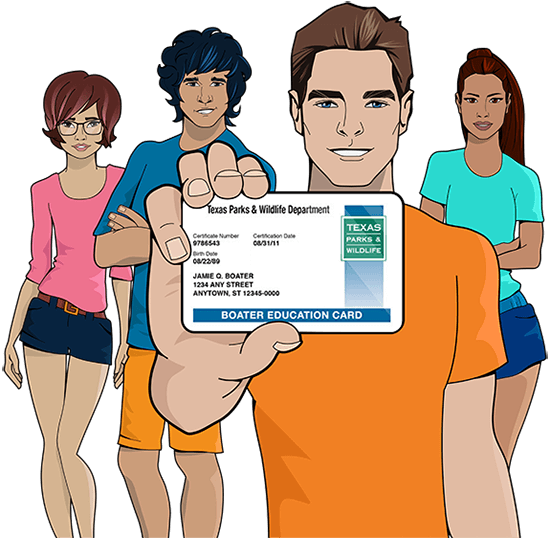
- Boater Education Certificate: A document issued by the TPWD upon successful completion of an approved boater education course. This certificate serves as proof of your knowledge of safe boating practices.
It is also important to note that any individual under 13 years of age may not operate a motorboat or PWC powered by a motor of more than 15 horsepower, even if they have a Boater Education Certificate. Those aged 13-17 must have the certificate to operate such vessels.
The Path to Your Texas Boater Education Certificate
The process of obtaining your Texas Boater Education Certificate is straightforward and designed to be accessible. It primarily involves completing an approved education course and passing a final exam.
Course Options: Online vs. In-Person
The TPWD offers flexibility in how you acquire your boater education. You can choose between two primary formats:
- Online Courses: This is often the most popular and convenient option for many Texans. Several TPWD-approved online providers offer comprehensive courses covering all necessary boating safety topics. These courses can typically be completed at your own pace, fitting around your schedule. You can access them from any device with internet connectivity, allowing you to learn from the comfort of your home or even while on vacation.
- In-Person Classroom Courses: For those who prefer a more traditional learning environment or enjoy interactive instruction, in-person classroom courses are available. These courses are typically offered by certified instructors through various organizations, such as the U.S. Coast Guard Auxiliary or local boating safety groups. Classroom courses provide an opportunity to ask direct questions and engage with other aspiring boaters.
Selecting an Approved Course Provider
Regardless of whether you choose an online or in-person format, it is essential to ensure that the course provider is officially approved by the Texas Parks and Wildlife Department. The TPWD maintains a list of approved course providers on its official website. Using an unapproved provider will result in a certificate that is not recognized by the state, requiring you to retake the course. When selecting an online course, look for clear indications of TPWD approval.
Course Content and Structure
TPWD-approved boater education courses are designed to equip you with a solid understanding of boating safety principles. While the specific modules and emphasis may vary slightly between providers, common topics covered include:
- Introduction to Boating: Basic terminology, types of boats, and their operation.
- Navigation Rules: Understanding the “Rules of the Road” for waterways, including right-of-way, buoy systems, and safe passing techniques. This is crucial for avoiding collisions on busy waterways like Lake Conroe or the Intracoastal Waterway.
- Safety Equipment: Identifying and understanding the proper use of life jackets (PFDs), fire extinguishers, visual distress signals, and sound-producing devices.
- Emergency Procedures: What to do in case of capsizing, man overboard situations, engine failure, or fires.
- Environmental Considerations: Responsible boating practices to protect aquatic ecosystems and prevent pollution.
- Personal Watercraft Operation: Specific safety guidelines for operating PWCs.
- Legal Requirements: Understanding Texas boating laws and regulations, including those related to alcohol and drugs.
The Boater Education Exam
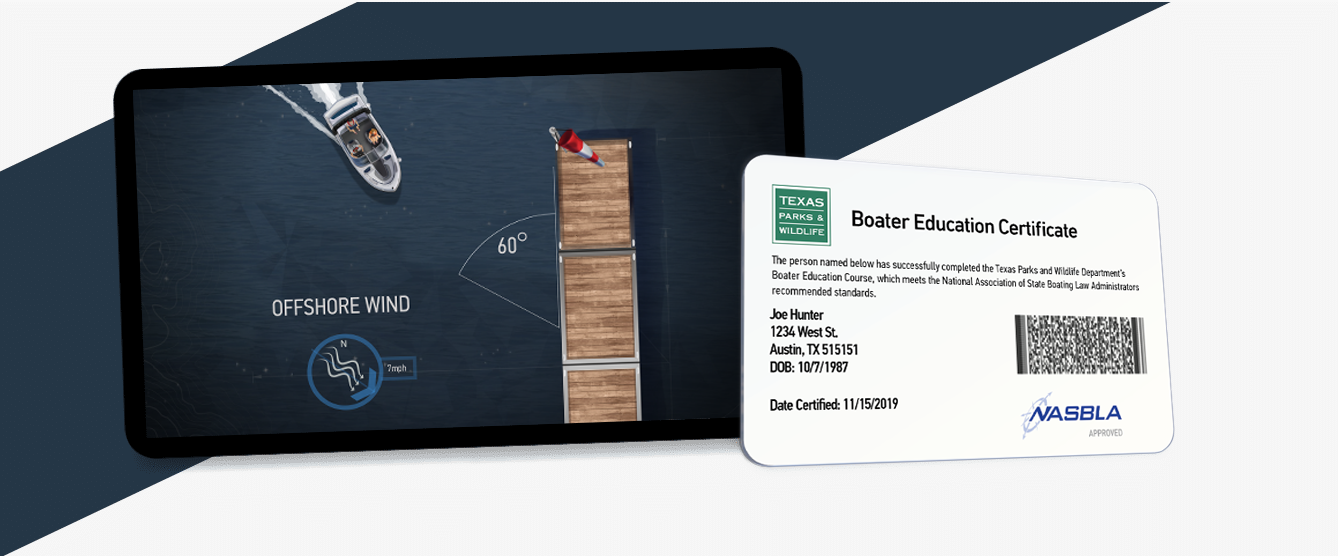
Upon completion of the course material, you will be required to pass a final exam. This exam tests your comprehension of the safety principles and regulations covered.
- Online Exam: If you take an online course, the exam will typically be administered online as well. Many providers allow you to take the exam multiple times if needed, though there may be a waiting period between attempts.
- In-Person Exam: For classroom courses, the exam is usually administered at the end of the final session by the instructor.
The passing score for the exam is set by the TPWD. Once you achieve a passing score, you will be issued your official Texas Boater Education Certificate.
After You Get Your Certificate: Maintaining and Using It
Congratulations! You’ve successfully completed your boater education and earned your certificate. Now, it’s time to understand how to use it and what to do if you misplace it.
Carrying Your Certificate
It is a legal requirement to have your valid Boater Education Certificate on your person, or readily available on the vessel you are operating, whenever you are in command of a motorboat or PWC powered by a motor of 15 horsepower or more. Law enforcement officers, such as TPWD game wardens, may ask to see your certificate during a routine safety inspection. Failure to produce it can result in a citation.
Replacing a Lost Certificate
Misplacing your Boater Education Certificate is not the end of the world. If you have lost your original certificate, you can typically obtain a replacement from the provider through whom you originally took the course. Most TPWD-approved providers have a process in place for issuing duplicate certificates, often for a small administrative fee. Keep the contact information of your course provider handy for such situations.
The Value of Lifelong Learning
While the Boater Education Certificate fulfills the legal requirement for those born after September 1, 1993, the knowledge gained is invaluable for every boater. The marine environment is dynamic, and staying informed about best practices, new regulations, and advanced safety techniques is crucial. Consider taking advanced boating courses or refreshing your knowledge periodically to enhance your skills and ensure a safe and enjoyable time on the water, whether you’re exploring the bays of Corpus Christi or cruising down the Colorado River.
Enhancing Your Boating Experience in Texas
Obtaining your Texas Boater Education Certificate is more than just a legal obligation; it’s a commitment to safe and responsible boating. This knowledge will not only keep you and your passengers safe but also contribute to the preservation of Texas’s beautiful waterways for generations to come.
Popular Texas Boating Destinations
Texas boasts an incredible diversity of boating opportunities:
- Coastal Waters: The Gulf of Mexico and the Texas coast offer opportunities for deep-sea fishing, sailing, and cruising. Popular spots include Galveston Bay, the area around Port Aransas, and the waters near South Padre Island.
- Inland Lakes: Texas is dotted with numerous reservoirs that are ideal for a variety of water activities. Notable examples include Lake Travis near Austin, known for its party cove culture and stunning scenery; Lake Livingston, a popular spot for fishing and camping; and Sam Rayburn Reservoir, a paradise for bass fishing enthusiasts.
- Rivers and Bayous: Navigating the intricate network of Texas rivers and bayous, such as the Trinity River or the bayous around Houston, offers a more serene and natural experience, often teeming with wildlife.

Safety First, Always
Remember that your Boater Education Certificate is a foundation for safe practices. Always check weather forecasts before heading out, ensure your vessel is properly equipped with safety gear, and never operate a boat under the influence of alcohol or drugs. Respect other boaters and adhere to posted speed limits and no-wake zones. By prioritizing safety, you can ensure your Texas boating adventures are memorable for all the right reasons. From the thrill of a fast-moving PWC on Lake Lewisville to a leisurely sunset cruise on Caddo Lake, Texas offers a lifetime of exploration on its diverse waterways.
LifeOutOfTheBox is a participant in the Amazon Services LLC Associates Program, an affiliate advertising program designed to provide a means for sites to earn advertising fees by advertising and linking to Amazon.com. Amazon, the Amazon logo, AmazonSupply, and the AmazonSupply logo are trademarks of Amazon.com, Inc. or its affiliates. As an Amazon Associate we earn affiliate commissions from qualifying purchases.