
The Lone Star State, known for its vast landscapes and independent spirit, has a unique approach to medical cannabis. While Texas has legalized low-THC cannabis for a specific set of medical conditions, the process for obtaining a prescription and, by extension, accessing these products, is distinct from many other states. For residents seeking relief through this regulated avenue, understanding the specific requirements and steps involved is paramount. This guide navigates the intricacies of acquiring access to low-THC medical cannabis in Texas.
Understanding Texas’s Low-THC Cannabis Program
Texas’s approach to medical marijuana is intentionally restrictive. The Texas Compassionate Use Program (TCUP), established in 2015, permits registered physicians to prescribe low-THC cannabis to patients with specific, qualifying medical conditions. It is crucial to understand that this program does not permit the recreational use of marijuana, nor does it allow for high-THC products. The focus is strictly on therapeutic applications for a narrowly defined set of ailments.
Qualifying Medical Conditions
The list of conditions that qualify for low-THC cannabis under TCUP has expanded since its inception, but it remains specific. As of recent legislative updates, these conditions typically include:
- Epilepsy and other seizure disorders
- Multiple sclerosis
- Spasticity
- Amyotrophic lateral sclerosis (ALS)
- Autism
- Terminal cancer
- Incurable neurological disease
- Post-traumatic stress disorder (PTSD)
It is essential to consult with a registered physician to determine if your specific condition qualifies under the current regulations. The Texas Department of Public Safety (DPS) oversees the registry of physicians and the overall program.
What Constitutes “Low-THC” Cannabis?
In Texas, “low-THC” cannabis refers to cannabis with a tetrahydrocannabinol (THC) content of no more than 0.5% by weight. The program also permits a cannabidiol (CBD) content of no less than 10% by weight. This distinction is fundamental to understanding the legal framework and the types of products available to patients. The emphasis is on the non-psychoactive or minimally psychoactive properties of CBD, while offering a very limited amount of THC for its potential therapeutic benefits.
The Path to Obtaining Low-THC Cannabis in Texas
The process for accessing low-THC cannabis in Texas is a multi-step journey that requires patient engagement and adherence to regulatory guidelines. It’s not a simple over-the-counter purchase; rather, it involves a physician’s prescription and registration within the state’s Compassionate Use Registry.
Step 1: Confirming Eligibility and Consulting a Registered Physician
The first and most critical step is to determine if your medical condition is recognized by TCUP. This involves consulting with a physician who is registered with the Compassionate Use Program. Not all doctors in Texas are authorized to prescribe low-THC cannabis. You can often find lists of registered physicians through the Texas Department of Public Safety or reputable medical cannabis patient advocacy groups.
During your consultation, the physician will:
- Review your medical history.
- Conduct a thorough examination.
- Verify that your diagnosed condition is one of the approved qualifying conditions for TCUP.
- Discuss the potential benefits and risks of low-THC cannabis treatment.
- If deemed appropriate, they will authorize a prescription for low-THC cannabis.
It is vital to be open and honest with your physician about your symptoms and medical history to ensure the most accurate assessment.
Step 2: Physician Prescription and Entry into the Compassionate Use Registry

Once a physician determines you are a candidate for low-THC cannabis, they will enter your prescription into the Compassionate Use Registry of Texas (CURT). This is an online database managed by the Texas Department of Public Safety.
- Patient Information: Your personal and medical information will be securely recorded in the registry.
- Physician Authorization: The physician’s authorization for the prescription is digitally logged.
- Prescription Details: Information about the prescribed medication, including dosage and form, will be included.
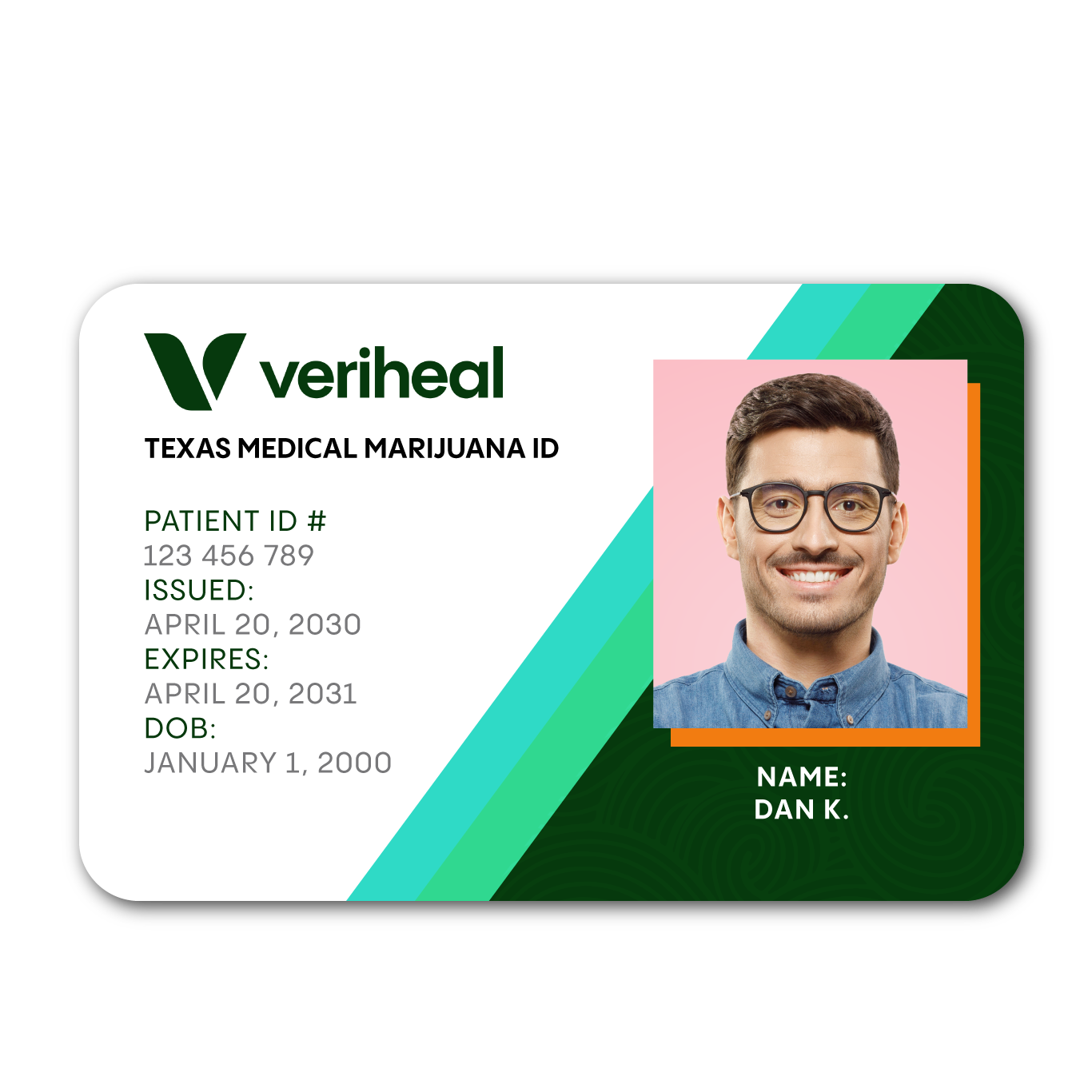
Crucially, there is no physical “card” issued to patients in Texas. Unlike many other states where a physical or digital medical marijuana card serves as proof of authorization, Texas relies solely on the CURT system. Licensed dispensing organizations will access this registry to verify a patient’s prescription before dispensing.
Step 3: Obtaining Your Prescription from a Licensed Dispensing Organization
With your prescription registered in CURT, you can then visit a licensed dispensing organization in Texas. These are the only facilities legally permitted to sell low-THC cannabis products to registered patients.
- Finding a Dispensing Organization: Texas has a limited number of licensed dispensing organizations. It is advisable to research their locations and product offerings in advance. Some well-known dispensing organizations include Surterra Texas, Trulieve Texas, and Curaleaf Texas.
- Verification Process: When you visit a dispensing organization, you will need to provide your identification. The dispensary staff will then access the CURT system using your information to confirm your prescription and eligibility.
- Product Selection: Based on your physician’s prescription and the available products at the dispensary, you can select your low-THC cannabis medication. Products typically come in various forms, such as tinctures, capsules, and vape cartridges, designed for specific modes of administration.
It’s important to note that the availability of specific products can vary between dispensing organizations.
Navigating the Legal and Practical Landscape
Beyond the procedural steps, understanding the nuances of Texas’s medical cannabis laws is vital for a smooth experience. This includes awareness of possession limits, travel restrictions, and ongoing legislative changes.
Possession Limits and Legal Use
TCUP strictly governs the amount of low-THC cannabis a patient can possess. These limits are typically based on the physician’s prescription and are designed to align with therapeutic use rather than recreational consumption.
- Prescription-Based Limits: The physician will specify the appropriate dosage and duration for your prescription, which translates into possession limits.
- Legal Protection: Possession of low-THC cannabis by a registered patient, within the prescribed limits and purchased from a licensed dispensary, is legal in Texas. However, possessing cannabis outside these parameters or from unlicensed sources can lead to severe legal consequences.
Travel and Interstate Considerations
Traveling with low-THC cannabis, even within Texas, requires careful consideration. Due to varying laws across state lines, transporting medical cannabis across state borders is generally illegal and carries significant risks.
- Within Texas: While generally permissible for registered patients to possess within the state, be aware of local ordinances or specific venue policies that may restrict consumption or possession, even of low-THC products.
- Crossing State Lines: Never attempt to transport low-THC cannabis into another state. Even if the adjacent state has a medical marijuana program, federal law still classifies cannabis as a Schedule I controlled substance. This can result in federal charges, severe penalties, and potential travel bans. Always consume your prescribed medication in Texas and purchase from licensed dispensaries within the state.
Staying Informed About Legislative Changes
The legal landscape for cannabis is constantly evolving. Texas, like many states, sees legislative sessions that can introduce changes to the Compassionate Use Program. These changes might include expanding the list of qualifying conditions, altering THC limits, or modifying the dispensing process.
- Official Sources: Keep an eye on announcements from the Texas Department of Public Safety and the Texas Legislature for the most accurate and up-to-date information.
- Advocacy Groups: Patient advocacy organizations often provide valuable insights and summaries of legislative actions affecting medical cannabis patients in Texas.
By staying informed, patients can ensure they are always compliant with current laws and can take advantage of any beneficial program updates. The journey to access low-THC cannabis in Texas is a testament to the state’s deliberate and regulated approach to medical cannabis, prioritizing patient well-being within a carefully constructed legal framework.
LifeOutOfTheBox is a participant in the Amazon Services LLC Associates Program, an affiliate advertising program designed to provide a means for sites to earn advertising fees by advertising and linking to Amazon.com. Amazon, the Amazon logo, AmazonSupply, and the AmazonSupply logo are trademarks of Amazon.com, Inc. or its affiliates. As an Amazon Associate we earn affiliate commissions from qualifying purchases.