
Navigating the process of obtaining new license plates in Texas is a crucial step for any new resident or vehicle owner. Whether you’ve just purchased a new vehicle, moved to the Lone Star State, or your existing plates are nearing expiration, understanding the requirements and procedures will ensure a smooth and efficient experience. This guide breaks down the essential steps, necessary documentation, and common scenarios to help you acquire your Texas license plates with confidence.
Understanding the Texas License Plate System
The Texas Department of Motor Vehicles (TxDMV) oversees the issuance of all vehicle registration and license plates within the state. This system ensures that all vehicles operating on Texas roads are properly identified and that owners are compliant with state laws. Unlike some states where you might visit a general Department of Motor Vehicles office, Texas vehicle registration services are primarily handled by county tax assessor-collectors.

Key Components of Your Registration
When you register a vehicle in Texas, you will receive a set of license plates and a registration certificate. The license plates are the physical identifier for your vehicle, displaying a unique alphanumeric combination. The registration certificate is a legal document that serves as proof of your vehicle’s valid registration. It’s important to keep this document in your vehicle at all times, as law enforcement may request it during traffic stops. The registration also includes a sticker that must be affixed to your license plate, indicating the expiration month and year.
Types of License Plates Available
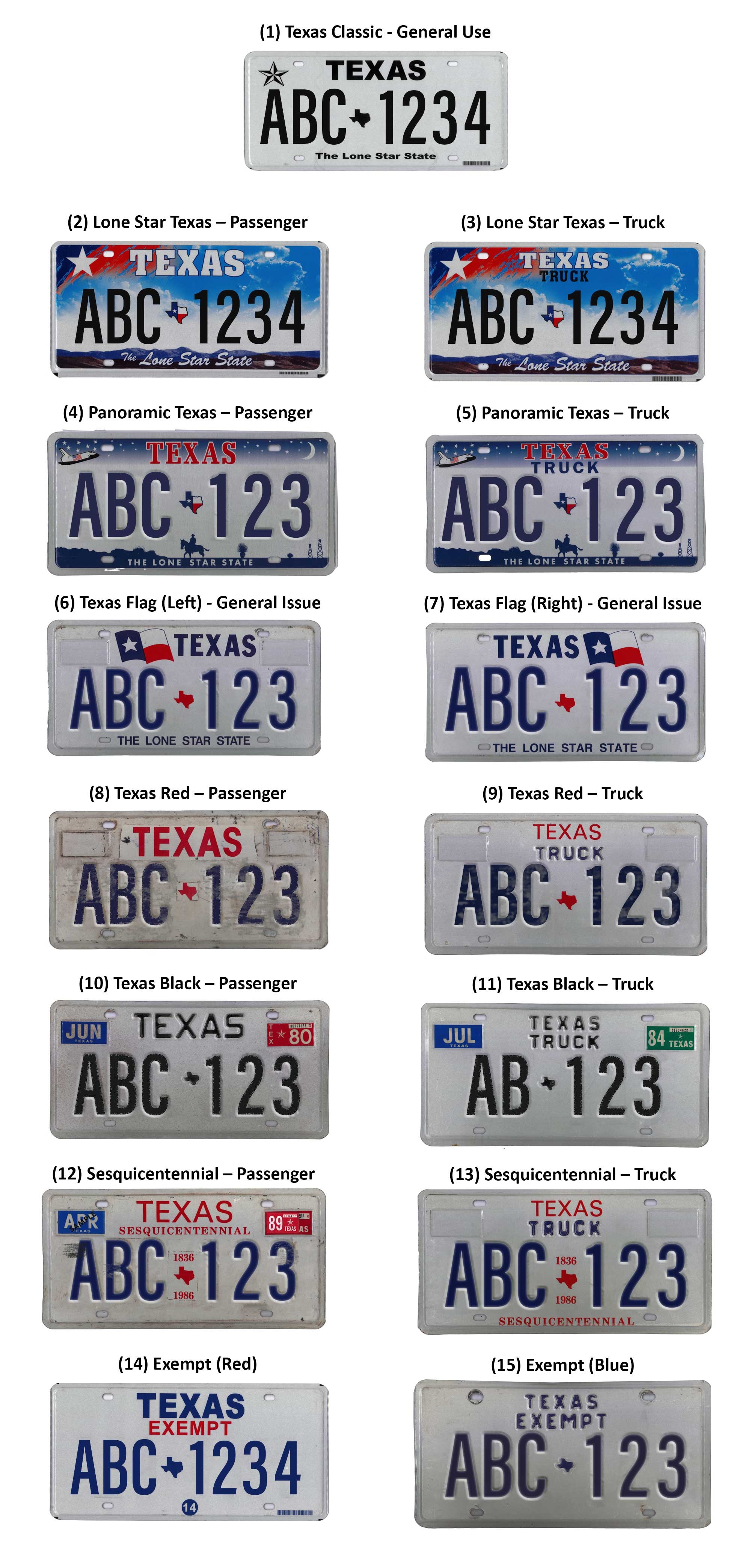
Texas offers a variety of license plate designs to cater to different preferences and affiliations. While standard plates are the most common, specialty plates are available for a wide range of interests, including:
- Organizational Plates: Supporting various non-profit organizations, universities, and athletic teams.
- Special Interest Plates: Featuring designs related to environmental causes, hobbies, or specific causes.
- Military Plates: Honoring veterans and active-duty service members.
Choosing a specialty plate often involves an additional fee beyond the standard registration cost. You can explore the full catalog of available plates on the TxDMV website.
Initial Vehicle Registration for New Residents
If you are new to Texas and have brought a vehicle with you, you have a limited time to register it. Texas law requires new residents to obtain a Texas driver’s license and register their out-of-state vehicles within 30 days of establishing residency. This ensures your vehicle is legally operating on Texas roads and that you are compliant with state insurance requirements.
Essential Documentation for New Residents
To register your out-of-state vehicle, you will need several key documents. These are typically required by your local county tax assessor-collector’s office:
- Proof of Texas Vehicle Insurance: Texas requires liability insurance. Your policy must meet the state’s minimum coverage requirements. An insurance binder is generally not acceptable; a valid insurance card or policy declaration page is needed.
- Proof of Ownership: This is usually your vehicle’s title. If you have a loan on the vehicle, you may have a temporary document from your lender, but the ultimate proof of ownership is the title.
- Current Vehicle Inspection Certificate: Texas is a “two-step” state for vehicle registration. This means you must first pass a state vehicle inspection and then proceed to registration. The inspection verifies that your vehicle meets safety and emissions standards. You will need the inspection report.
- Proof of Identity and Residency: A valid Texas driver’s license or identification card is generally required. You may also need proof of your Texas address, such as a utility bill or lease agreement.
- Application for Texas Title and/or Registration (Form 130-U): This form is available from the TxDMV or your county tax assessor-collector’s office. It must be completed accurately.
- Odometer Disclosure Statement: This is typically part of Form 130-U or a separate disclosure, especially for vehicles less than 10 years old.
The Out-of-State Title Transfer
For vehicles previously registered in another state, you will need to surrender your out-of-state title. The TxDMV will then issue a new Texas title for your vehicle. If you financed your vehicle, your lienholder may hold the title. In such cases, you will need to provide documentation from your lienholder authorizing the transfer and registration process. Be aware that there may be title transfer fees associated with this process.
Registering a New Vehicle Purchase
When you purchase a new vehicle from a dealership in Texas, the process is often streamlined. Dealerships are required by law to handle the initial title and registration paperwork on your behalf.
Dealership Responsibilities
Typically, a dealership will collect the necessary fees, including sales tax, title fees, and registration fees, at the time of purchase. They will then submit these documents and fees to the county tax assessor-collector’s office. You will usually be issued temporary plates and a registration receipt, with your permanent plates and registration certificate mailed to you shortly after.
What to Expect
If you purchased your vehicle from a dealership, confirm with them what the timeline is for receiving your permanent plates and registration. If you haven’t received them within a reasonable period (usually a few weeks), contact the dealership. If the dealership is unresponsive, you can reach out to the TxDMV for assistance.
Renewing Your Texas Vehicle Registration

Vehicle registration in Texas is typically valid for one or two years, depending on the option you choose during registration. The state sends out renewal notices in the mail, but it is your responsibility to ensure your registration is up-to-date, even if you don’t receive a notice.
The Two-Step Renewal Process
Similar to initial registration, renewing your Texas vehicle registration also involves a two-step process:
- Vehicle Inspection: Before you can renew your registration, your vehicle must pass a state vehicle inspection. This inspection verifies that your vehicle meets safety and emissions standards. You can find certified inspection stations throughout the state. Keep your inspection report, as you will need it for renewal.
- Registration Renewal: Once your vehicle has passed inspection, you can proceed with renewing your registration.
Renewal Methods
Texas offers several convenient ways to renew your vehicle registration:
- Online: The most popular and often fastest method is to renew online through the Texas Department of Motor Vehicles’ official website or through authorized third-party providers. You will need your license plate number and Renewal Identification Number (RIN) from your registration renewal notice. Online renewals typically require payment by credit or debit card.
- By Mail: You can mail your renewal application and payment to your local county tax assessor-collector’s office. Ensure you include all required documentation, such as proof of inspection and insurance. It is advisable to send payment via certified mail to have proof of delivery.
- In Person: You can visit your local county tax assessor-collector’s office. Be prepared for potentially longer wait times, especially during peak periods. You can find a list of county tax assessor-collector offices on the TxDMV website.
- At a Certified Station: Some private businesses are certified to process renewals on behalf of the state. These are often auto service centers or other businesses that also perform vehicle inspections. A convenience fee may apply for this service.
What Happens After Renewal?
Upon successful renewal, you will receive your new registration certificate and sticker. The sticker should be affixed to your license plate in the designated area. Keep the registration certificate in your vehicle. If you renew online or by mail, your new sticker and certificate will be mailed to you.
Common Issues and Frequently Asked Questions
Understanding potential roadblocks and having answers to common questions can save you time and frustration when dealing with license plates and registration in Texas.
My License Plates Are Lost or Stolen. What Do I Do?
If your license plates are lost or stolen, you must report it to your local law enforcement agency immediately. You will need to obtain a police report. Then, you will need to apply for replacement plates at your county tax assessor-collector’s office. You will likely need to complete an application, provide proof of insurance, and pay a replacement fee. You will be issued a new set of license plates with a new number.
My Registration Sticker is Damaged or Fallen Off.
If your registration sticker is damaged or has fallen off, you will need to obtain a replacement sticker from your county tax assessor-collector’s office. You will need to provide proof of current registration and your vehicle information. There will be a fee for the replacement sticker.
What if My Vehicle Fails Inspection?
If your vehicle fails the state inspection, you will have a limited time to make the necessary repairs and have it reinspected. You will typically have 30 days to correct the identified issues and have the vehicle re-inspected at an official inspection station. If you do not pass the reinspection within that timeframe, you will need to pay for a new inspection. You cannot renew your registration if your vehicle has not passed inspection.
Do I Need to Register My Trailer?
Yes, most types of trailers in Texas require registration and license plates. This includes utility trailers, boat trailers, and RV trailers. The requirements and fees vary based on the trailer’s gross weight. Small trailers, like utility trailers with a gross weight of 7,500 pounds or less, may have simpler registration requirements. Larger or heavier trailers may require a heavier-duty registration and potentially a different type of plate.
Can I Transfer My License Plates to a New Vehicle?
In Texas, license plates are generally transferable to a new vehicle if the owner remains the same. You will need to visit your county tax assessor-collector’s office with proof of ownership for both the old and new vehicles, proof of insurance for the new vehicle, and pay any applicable transfer fees and title/registration fees for the new vehicle. The existing plates will be assigned to your new car.
How Do I Handle Out-of-State Temporary Tags?
If you purchased a vehicle out-of-state and it came with temporary tags, you will need to register your vehicle in Texas before those temporary tags expire. The process will be similar to registering any other out-of-state vehicle, requiring proof of Texas insurance, the out-of-state title, and the temporary tag information.
By familiarizing yourself with these procedures and requirements, you can ensure that your vehicle is legally registered and that you are compliant with all Texas motor vehicle laws, allowing you to enjoy your travels across the vast and diverse landscapes of the Lone Star State.
LifeOutOfTheBox is a participant in the Amazon Services LLC Associates Program, an affiliate advertising program designed to provide a means for sites to earn advertising fees by advertising and linking to Amazon.com. Amazon, the Amazon logo, AmazonSupply, and the AmazonSupply logo are trademarks of Amazon.com, Inc. or its affiliates. As an Amazon Associate we earn affiliate commissions from qualifying purchases.