
Navigating the process of obtaining a replacement car title in Texas can seem daunting, but with a clear understanding of the steps involved and the necessary documentation, it can be a straightforward procedure. This guide aims to demystify the process, ensuring that Texans can quickly and efficiently secure a duplicate title for their vehicles. Whether your original title has been lost, stolen, or damaged, the Texas Department of Motor Vehicles (TxDMV) provides a clear pathway to a replacement.
Understanding the Replacement Title Process
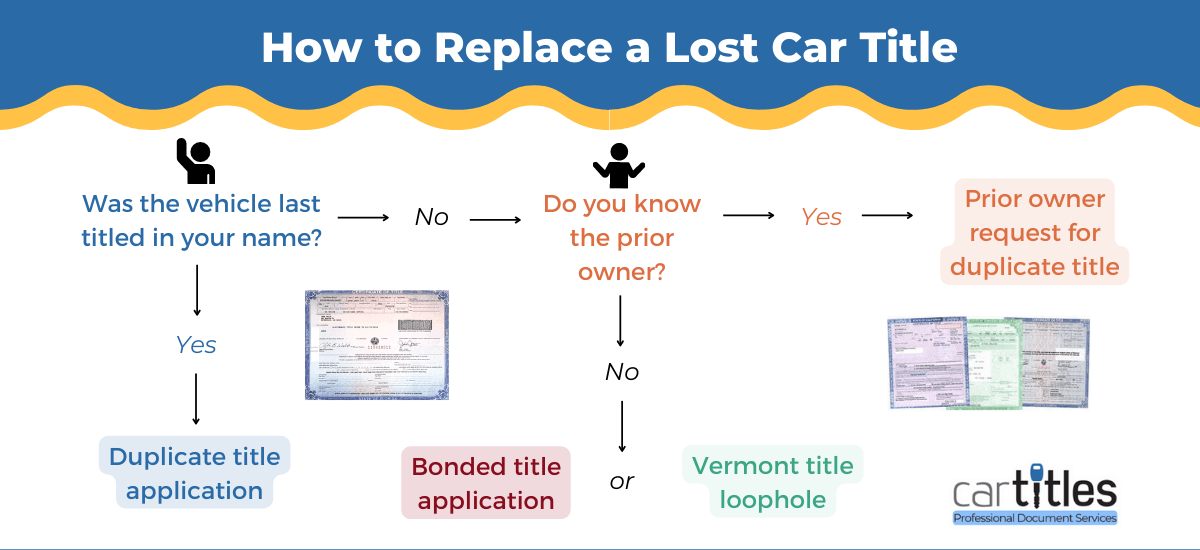
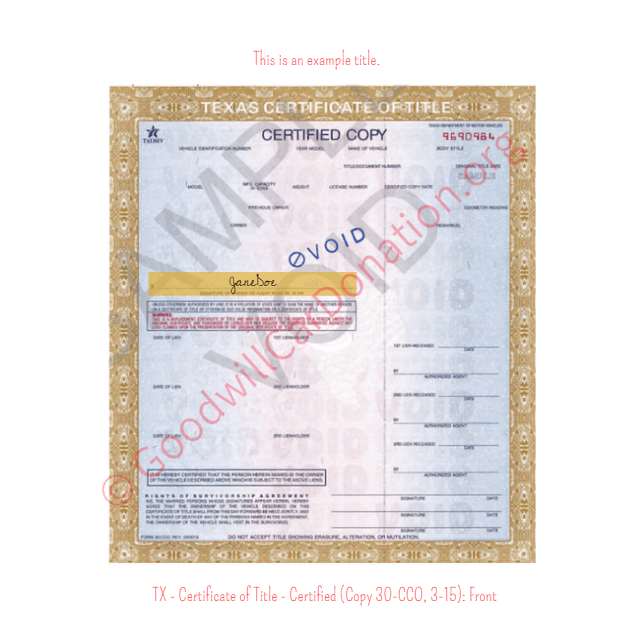
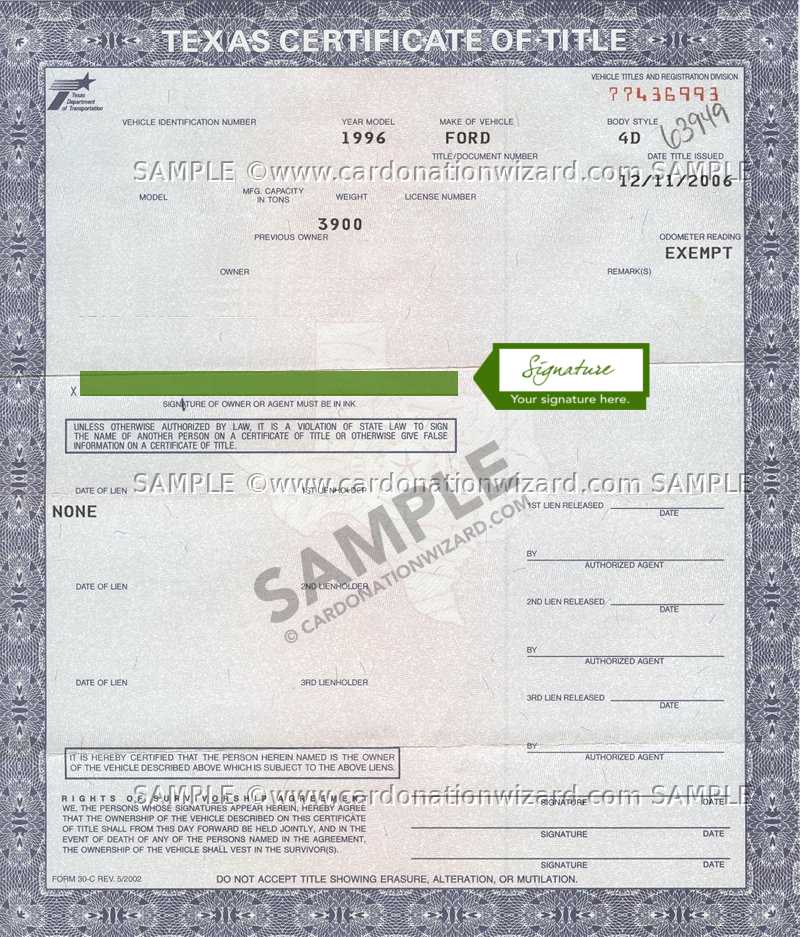
A vehicle title is a crucial legal document that proves ownership. Losing it can cause significant inconvenience, especially when you need to sell your car, register it, or transfer ownership. Fortunately, the TxDMV has established procedures to issue replacement titles. The primary form you’ll need is the Application for a Certified Copy of Title (Form VTR-82). This application is available online on the TxDMV website, allowing for convenient access and completion.
Eligibility and Requirements
Before embarking on the application process, it’s essential to confirm your eligibility and gather all necessary documents. Generally, the registered owner of the vehicle or a lienholder can apply for a replacement title.
- Proof of Identity: You will need to present a valid government-issued photo identification, such as a driver’s license or ID card.
- Vehicle Information: Accurate details about the vehicle are critical. This includes the Vehicle Identification Number (VIN), make, model, and year of the vehicle. This information is usually found on your current vehicle registration or insurance documents.
- Ownership Documentation: While you are applying for a replacement, having any existing proof of ownership can be helpful, though not strictly required if you are the registered owner.
- Lienholder Information (if applicable): If there is an active lien on the vehicle, the lienholder’s information will be required. In many cases, the lienholder might need to sign off on the application.
It’s important to note that if your vehicle has a lien, the replacement title will typically be issued to the lienholder. Once the lien is satisfied, the lienholder will then transfer the title to you.
Fees and Processing Times
There is a fee associated with obtaining a certified copy of a vehicle title. As of the latest information, this fee is typically $5, but it is always advisable to check the TxDMV website for the most current fee schedule. Processing times can vary depending on the volume of applications the TxDMV is handling. Generally, you can expect to receive your replacement title within a few weeks. Expedited processing is sometimes available for an additional fee, which can significantly reduce the waiting period.
Steps to Apply for a Replacement Title
The application process for a replacement car title in Texas can be completed through several convenient methods: in person, by mail, or through an authorized county tax assessor-collector’s office. Each method has specific requirements and submission protocols.
Method 1: Applying by Mail
This is a common and convenient method for many Texans.
- Download the Application: Obtain the Application for a Certified Copy of Title (Form VTR-82) from the TxDMV website.
- Complete the Form: Fill out the form accurately and completely. Ensure all fields are legible and that your signature is present where required.
- Include Payment: Attach a check or money order for the required fee, made payable to the TxDMV. Do not send cash.
- Submit Supporting Documents: If you are not the registered owner or if there are specific circumstances (e.g., deceased owner, inherited vehicle), you may need to include additional supporting documentation. Refer to the form instructions for details.
- Mail the Application: Send the completed application, payment, and any supporting documents to the address specified on the form, which is typically the TxDMV title processing center.
Method 2: Applying In Person at a County Tax Assessor-Collector’s Office
Many Texans prefer the in-person approach for immediate assistance and faster processing.
- Locate Your Local Office: Find the nearest county tax assessor-collector’s office in your county. These offices are authorized to process title applications.
- Bring Required Documents: Carry your completed Application for a Certified Copy of Title (Form VTR-82), valid photo identification, and the required fee. Payment methods accepted may vary by county, so it’s best to check with the specific office in advance.
- Submit Application and Payment: Present your documents to the county clerk. They will review your application and process your payment.
- Receive Confirmation: In many cases, the county office can provide you with a temporary receipt or confirmation of your application submission, and they may be able to provide an estimated timeframe for receiving the official title.
Method 3: Applying Directly to the TxDMV (Less Common)
While county offices are the primary points of contact, direct applications to the TxDMV headquarters might be an option for specific situations or if advised by the department. However, for the standard replacement title process, utilizing the county tax assessor-collector’s office is usually the most efficient route.
Special Circumstances and Considerations
While the general process applies to most situations, there are specific scenarios that require additional steps or documentation when applying for a replacement car title in Texas. Understanding these nuances can prevent delays and ensure a smoother application experience.
Dealing with a Lost or Stolen Title
If your title was lost or stolen, the process remains largely the same. You will still need to complete the Application for a Certified Copy of Title (Form VTR-82). It is advisable to report the theft to your local law enforcement agency, though a police report is not always a mandatory requirement for obtaining a replacement title from the TxDMV. However, reporting it can protect you in case the stolen title is misused.
Handling Titles with Active Liens
When a vehicle has an active lien, the replacement title is generally issued to the lienholder. This is because the lienholder has a legal interest in the vehicle until the loan is fully repaid. If you are the owner and the lienholder is a financial institution (e.g., a bank or credit union), they will typically handle the process of obtaining the duplicate title for their records. Once the lien is satisfied, they will then endorse the title over to you. If you are applying for a replacement title and there is an active lien, you will need to provide the lienholder’s name and address on the application.
Inherited Vehicles
The process for obtaining a replacement title for an inherited vehicle involves additional documentation. You will likely need to provide a death certificate for the deceased owner and legal documentation proving your inheritance, such as a will or a court order. The specific requirements can vary, so it’s crucial to consult the TxDMV website or a county tax assessor-collector’s office for precise guidance on the necessary paperwork for inherited vehicles. This might include forms like the Affidavit of Inheritance and Motor Vehicle Transfer (Form VTR-256).
Salvaged or Rebuilt Titles
If your vehicle has a salvaged or rebuilt title, obtaining a replacement may involve a slightly different procedure, especially if the original salvage certificate is lost. You will still need to apply for a replacement, but the TxDMV will need to verify the vehicle’s history and compliance with state regulations for rebuilt vehicles. It’s recommended to contact the TxDMV directly for specific instructions related to salvaged or rebuilt vehicle titles.
Tips for a Smooth Replacement Title Application
To ensure your application for a replacement car title in Texas is processed as smoothly and efficiently as possible, follow these helpful tips:
- Double-Check All Information: Accuracy is paramount. Carefully review your completed application for any typos, missing information, or incorrect vehicle details. Even minor errors can lead to significant delays.
- Verify Fees: Confirm the current fee for a replacement title on the TxDMV website or by contacting a county tax assessor-collector’s office. Ensure your payment method is acceptable and the amount is correct.
- Keep Copies: Make copies of your completed application and all submitted documents for your records. This is good practice for any official application.
- Understand Processing Times: Be aware that processing can take several weeks. Plan accordingly, especially if you intend to sell your vehicle or need to complete a transaction that requires the title.
- Utilize Online Resources: The TxDMV website is an invaluable resource. It provides access to all necessary forms, fee schedules, and contact information.
- Contact for Clarification: If you have any doubts or encounter a complex situation, do not hesitate to contact the TxDMV customer service or your local county tax assessor-collector’s office. Their assistance can save you considerable time and frustration.
- Consider Expedited Services (if available): If you are in a time crunch, inquire about any expedited processing options. While these may incur additional fees, they can significantly speed up the delivery of your replacement title.
By following these guidelines and approaching the process with diligence, you can successfully obtain a replacement car title in Texas and regain full control over your vehicle’s documentation.
LifeOutOfTheBox is a participant in the Amazon Services LLC Associates Program, an affiliate advertising program designed to provide a means for sites to earn advertising fees by advertising and linking to Amazon.com. Amazon, the Amazon logo, AmazonSupply, and the AmazonSupply logo are trademarks of Amazon.com, Inc. or its affiliates. As an Amazon Associate we earn affiliate commissions from qualifying purchases.