
Texas Toast, a beloved staple in diners and home kitchens across the United States and beyond, is more than just bread; it’s an experience. Its signature thick-cut slices, often garlic-infused and perfectly toasted to a golden crisp, offer a comforting and satisfying bite. While many associate this delightful creation with restaurants, mastering the art of making authentic Texas Toast at home is surprisingly achievable. This guide will delve into the nuances of crafting this iconic dish, focusing on the ingredients, techniques, and variations that make it a culinary triumph, all within the vibrant context of Texas cuisine.

The Essence of Authentic Texas Toast
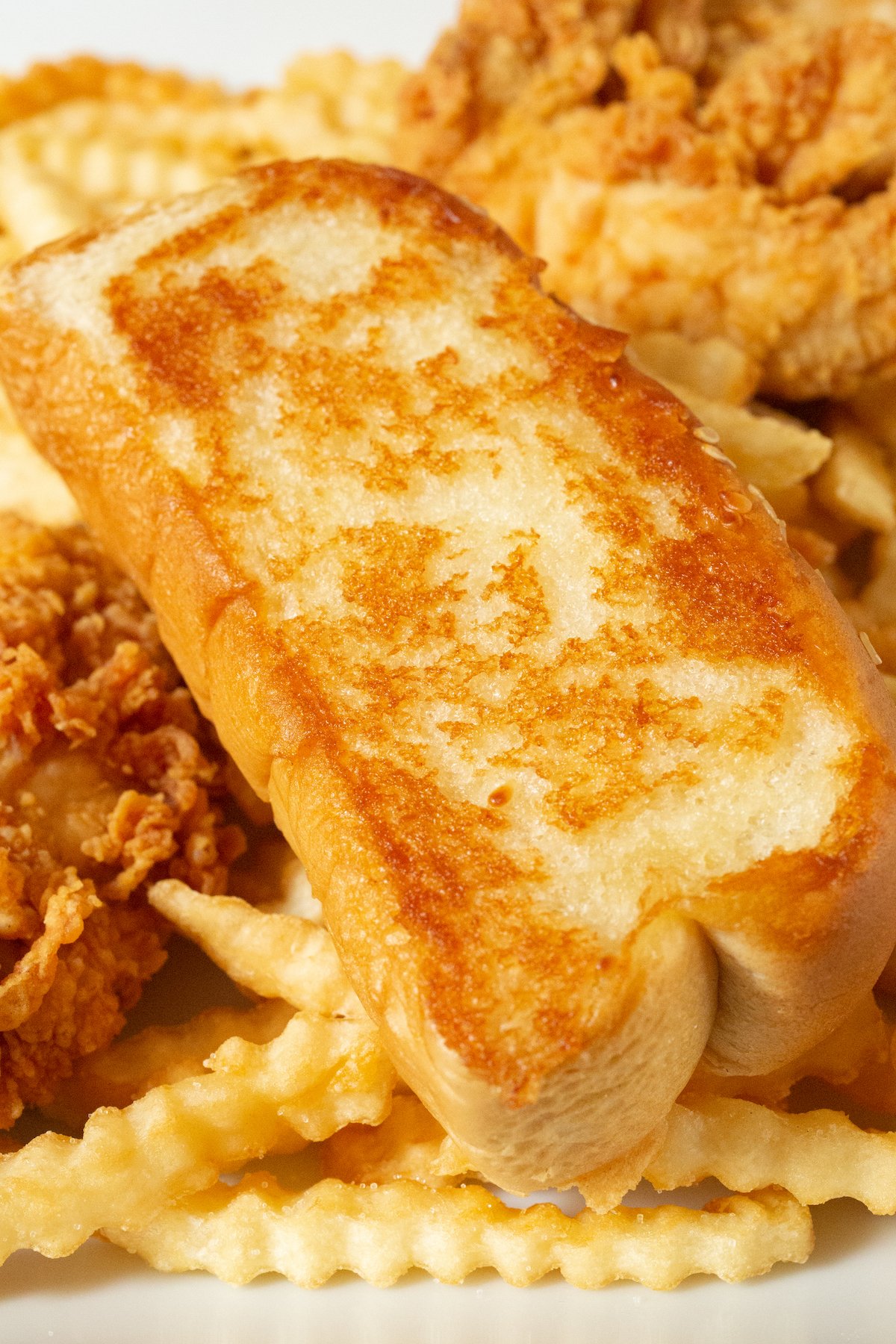
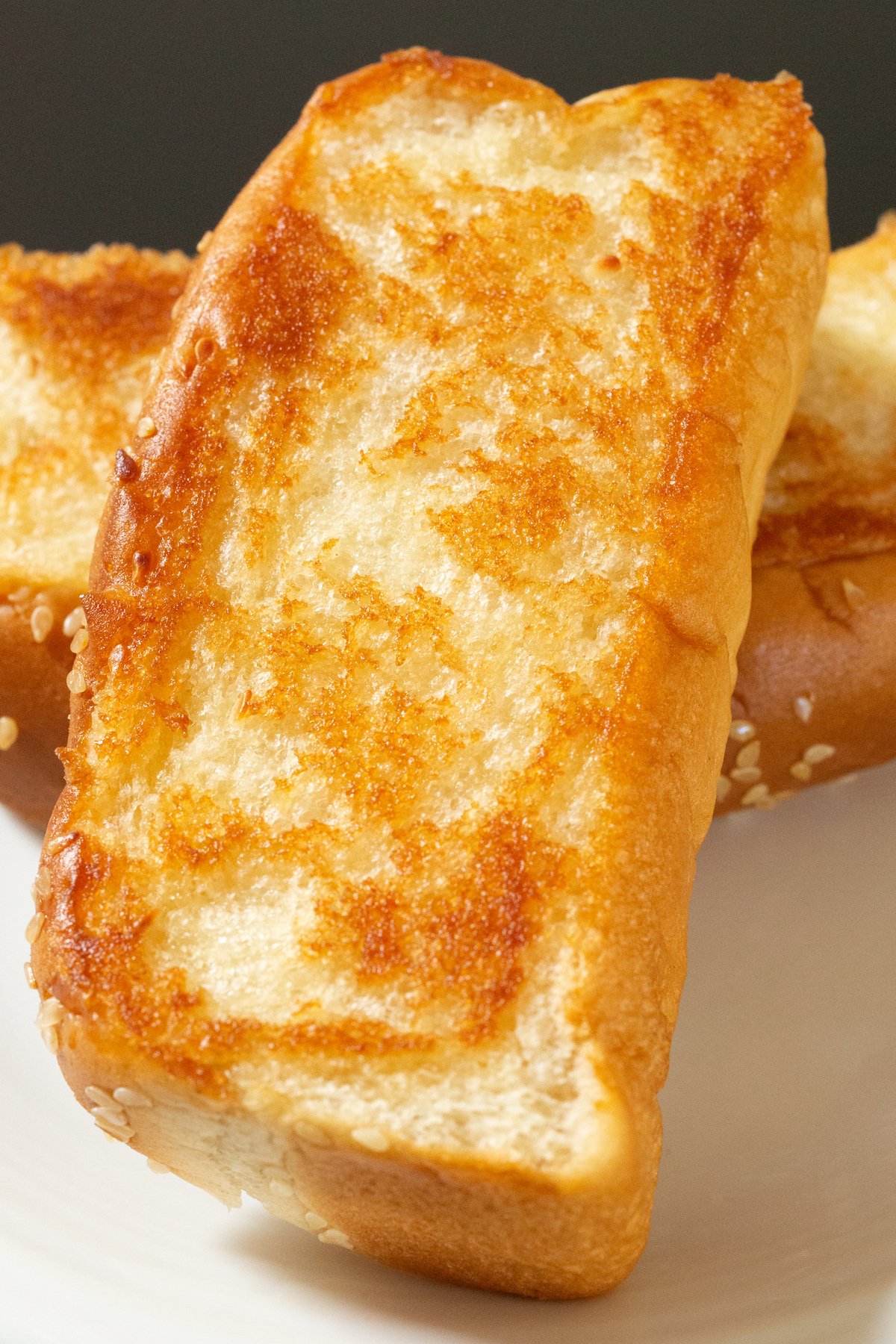
At its core, Texas Toast is defined by its substantial bread base and its preparation method. Unlike thinner slices of bread that can become uniformly hard when toasted, the thickness of Texas Toast allows for a delightful textural contrast: a crunchy exterior giving way to a still-soft, slightly chewy interior. This unique characteristic is paramount to its appeal.
The Bread: The Foundation of Flavor
The choice of bread is the single most important factor in achieving genuine Texas Toast. Traditionally, this means using a high-quality white bread, often referred to as “pullman loaf” or “sandwich bread,” that is sliced generously thick.
- Slice Thickness: Aim for slices that are at least 1 inch thick. Any thinner and you risk over-toasting the entire slice into a cracker. This substantial thickness is what allows the butter and garlic to penetrate while maintaining a desirable chew.
- Bread Type: While white bread is classic, experimentation can lead to delicious variations. A slightly enriched bread, like a brioche or challah, can add a subtle sweetness and a richer texture, though it deviates from the purist’s approach. For a more rustic feel, a hearty sourdough can offer a tangy counterpoint. However, for the quintessential Texas Toast experience, a good quality, slightly dense white bread is unparalleled.
- Freshness: Using fresh bread is crucial. Stale bread can become brittle and difficult to work with, and it won’t absorb the butter and garlic mixture as effectively.
The Flavor Infusion: Garlic and Butter
The soul of Texas Toast lies in its rich, savory flavor. This is achieved through a generous application of a garlic-butter mixture.
- Butter Choice: Unsalted butter is generally preferred, allowing you to control the salt content of the final product. For an extra layer of flavor, consider using clarified butter or even a blend of butter and olive oil for a slightly different smoky note.
- Garlic: Freshly minced garlic is non-negotiable. Pre-minced jarred garlic can lack the pungent aroma and sharp bite of fresh cloves. The quantity of garlic can be adjusted to personal preference, but a robust flavor is key.
- Seasonings: Beyond garlic, a pinch of salt and black pepper are essential. For a more sophisticated profile, consider adding a dash of dried Italian herbs (like oregano and basil), a sprinkle of Parmesan cheese, or even a touch of paprika for color and a subtle warmth.
Mastering the Toasting Process
The method of toasting is as critical as the ingredients. The goal is to achieve an evenly golden-brown crust that is crispy to the touch, while the inside remains tender. Several methods can be employed, each offering slightly different results.
Oven Baking: The Classic Approach
The oven is the most popular and perhaps the most reliable method for making large batches of Texas Toast.
- Preparation: Preheat your oven to a moderate temperature, typically around 375°F (190°C). Arrange the thick bread slices on a baking sheet.
- Butter Application: Generously spread the prepared garlic-butter mixture onto one side of each bread slice. Ensure even coverage, allowing the mixture to seep into the bread’s pores.
- Baking Time: Bake for approximately 8-12 minutes, or until the edges are golden brown and the butter is bubbling. For a crispier finish on both sides, you can flip the toast halfway through the baking process or broil it for the last minute or two, watching very carefully to prevent burning.
- Rack Placement: Placing the baking sheet on the middle rack of the oven ensures even heat distribution.
Broiler Method: For Quick Crispiness
If speed is of the essence, the broiler can be an effective tool, but it requires constant vigilance.
- Preparation: Arrange bread slices on a baking sheet.
- Butter Application: Apply the garlic-butter mixture generously.
- Broiling: Place the baking sheet about 4-6 inches from the broiler element. Broil for 1-3 minutes per side, watching incessantly. The sugars in the butter can burn very quickly, so constant monitoring is crucial to avoid charring. This method yields an exceptionally crispy exterior.
Pan-Frying: A Richer, Deeper Flavor
Pan-frying offers a unique richness and a deeply satisfying crunch, akin to the best grilled cheese.
- Preparation: Heat a skillet over medium heat. A cast-iron skillet works exceptionally well for achieving an even crisp.
- Butter Application: Butter the skillet lightly, or use a generous amount of the garlic-butter mixture.
- Frying: Place the bread slices, butter-side down, into the hot skillet. Cook for 3-5 minutes per side, until golden brown and crisp. You can also spread the garlic-butter mixture on the top side of the bread as it cooks on the first side. This method allows the butter to render and caramelize, creating a beautiful crust.
Elevating Your Texas Toast Game: Variations and Pairings
While the classic garlic Texas Toast is a crowd-pleaser, there are numerous ways to adapt and enhance this dish to suit different tastes and occasions.
Savory Twists
- Cheese: A sprinkle of grated Parmesan, shredded cheddar, or Monterey Jack cheese added during the last few minutes of baking takes Texas Toast to a new level of indulgence. It creates a gooey, cheesy crust that is utterly irresistible.
- Herbacious Infusion: Incorporate finely chopped fresh herbs like parsley, chives, or rosemary into the garlic-butter mixture for added complexity and freshness.
- Spicy Kick: A pinch of red pepper flakes or a dash of your favorite hot sauce mixed into the butter can provide a pleasant warmth that complements the rich garlic flavor.
Sweet Surrender
While less traditional, a sweeter version of Texas Toast can be a delightful breakfast or dessert option.
- Cinnamon Sugar: Instead of garlic and butter, spread a mixture of softened butter, granulated sugar, and cinnamon on thick slices of bread. Bake until golden and fragrant.
- Fruit Compote: Serve sweet Texas Toast with a side of warm berry compote, sliced fresh fruit, or a drizzle of honey for a truly decadent treat.
Perfect Pairings: What to Serve with Texas Toast
Texas Toast is a versatile accompaniment that shines alongside a variety of dishes.
- Soups: Its sturdy structure makes it the ideal companion for hearty soups like French Onion Soup or a creamy tomato bisque. The toast soaks up the broth beautifully.
- Stews and Chili: The robust flavors of Texas Chili or slow-cooked stews are perfectly balanced by the savory crispness of Texas Toast.
- Barbecue: No Texas barbecue spread is complete without it. It’s the perfect vehicle for sopping up delicious barbecue sauces and juices.
- Steak Dinners: A perfectly grilled steak finds its ideal counterpart in a slice of golden, buttery Texas Toast, providing a satisfying textural contrast.
- Breakfast: As a breakfast item, it pairs wonderfully with eggs, bacon, and sausages, offering a more substantial and flavorful alternative to regular toast.
Tips for Perfecting Your Texas Toast
- Don’t Overcrowd the Pan/Baking Sheet: Ensure each slice has adequate space for even toasting and browning.
- Watch for Burning: Especially when broiling or pan-frying, constant attention is key. Toasting is a delicate balance.
- Taste and Adjust: The garlic and butter mixture is highly personal. Taste it before applying to ensure it meets your flavor preferences.
- Serve Immediately: Texas Toast is best enjoyed fresh off the heat when it is at its crispiest. Reheating can sometimes result in a less desirable texture.
Making Texas Toast at home is a simple yet profoundly rewarding culinary endeavor. By understanding the importance of quality ingredients, mastering the toasting techniques, and exploring various flavor combinations, you can recreate this beloved classic and elevate your home dining experience, bringing a true taste of Texas hospitality to your table.
LifeOutOfTheBox is a participant in the Amazon Services LLC Associates Program, an affiliate advertising program designed to provide a means for sites to earn advertising fees by advertising and linking to Amazon.com. Amazon, the Amazon logo, AmazonSupply, and the AmazonSupply logo are trademarks of Amazon.com, Inc. or its affiliates. As an Amazon Associate we earn affiliate commissions from qualifying purchases.