
Obtaining a DOT number is a critical step for any commercial entity involved in the transportation of goods or passengers across state lines or engaging in specific types of intrastate commerce within Texas. This unique identification number, issued by the U.S. Department of Transportation (USDOT), is essential for regulatory compliance and signifies that a business meets certain safety and operational standards. For businesses operating within the vast and dynamic landscape of Texas, understanding the process and requirements for securing a DOT number is paramount. This guide will navigate you through the necessary steps, from determining eligibility to completing the application and maintaining compliance.
Understanding the Necessity of a DOT Number
Before embarking on the application process, it’s crucial to ascertain if your operations actually require a DOT number. The USDOT mandates these numbers for businesses involved in interstate commerce, meaning those transporting goods or passengers between different states. However, certain intrastate operations within Texas also necessitate a DOT number, particularly those exceeding specific weight thresholds or carrying particular types of hazardous materials.
Who Needs a DOT Number?
The primary categories of businesses requiring a DOT number include:
- Interstate Carriers: Any entity transporting goods or passengers across state lines, regardless of the vehicle’s size or weight, typically needs a DOT number. This is fundamental for interstate commerce regulation.
- Intrastate Carriers with Specific Operations: In Texas, intrastate carriers (those operating solely within the state) may require a DOT number if they engage in one or more of the following:
- Transporting property in a vehicle with a Gross Vehicle Weight Rating (GVWR) of 10,001 pounds or more.
- Transporting passengers for compensation in a vehicle with a GVWR of 10,001 pounds or more.
- Operating as a manufacturer, distributor, or dealer of vehicles.
- Transporting 15 or more passengers, including the driver, for any purpose.
- Transporting hazardous materials requiring placarding.
Distinguishing Between DOT Numbers and MC Numbers
It’s common for businesses to confuse DOT numbers with Motor Carrier (MC) numbers. While both are issued by the Federal Motor Carrier Safety Administration (FMCSA), they serve different purposes. A DOT number identifies a carrier for U.S. DOT registration and safety monitoring. An MC number, on the other hand, is required for carriers engaged in for-hire interstate transportation of passengers or property. If you are a for-hire carrier operating across state lines, you will likely need both a DOT number and an MC number. This guide focuses specifically on obtaining the DOT number.
Texas-Specific Considerations
While federal regulations form the basis for DOT number requirements, Texas has its own nuances. The Texas Department of Public Safety (TxDPS) often plays a role in enforcing these regulations. Understanding these state-level requirements, in conjunction with federal mandates, ensures full compliance. For example, carriers operating exclusively within Texas may still need a DOT number if their operations meet the criteria mentioned above, even if they don’t cross state borders.
The Application Process: Step-by-Step
The process of obtaining a DOT number is primarily managed by the FMCSA. The application can be completed online, by mail, or through a designated third-party service. The online method is generally the most efficient and recommended for its speed and ease of use.
Step 1: Gather Necessary Information
Before starting the application, ensure you have all the required information readily available. This will streamline the process and prevent delays. Key information includes:
- Legal Business Name: The official name of your company as registered with the state of Texas.
- Doing Business As (DBA) Name (if applicable): If your business operates under a trade name different from its legal name.
- Business Mailing Address: The primary physical address where official correspondence can be sent.
- Physical Business Address: The location where your operations are physically conducted.
- Contact Information: Phone numbers and email addresses for key personnel.
- Number of Commercial Vehicles: An estimate of the number of vehicles used in your operations, categorized by type (e.g., trucks, buses, trailers).
- Primary Type of Cargo: A description of the goods or passengers you transport.
- Proof of Texas Registration: Your business must be legally registered to operate in Texas.
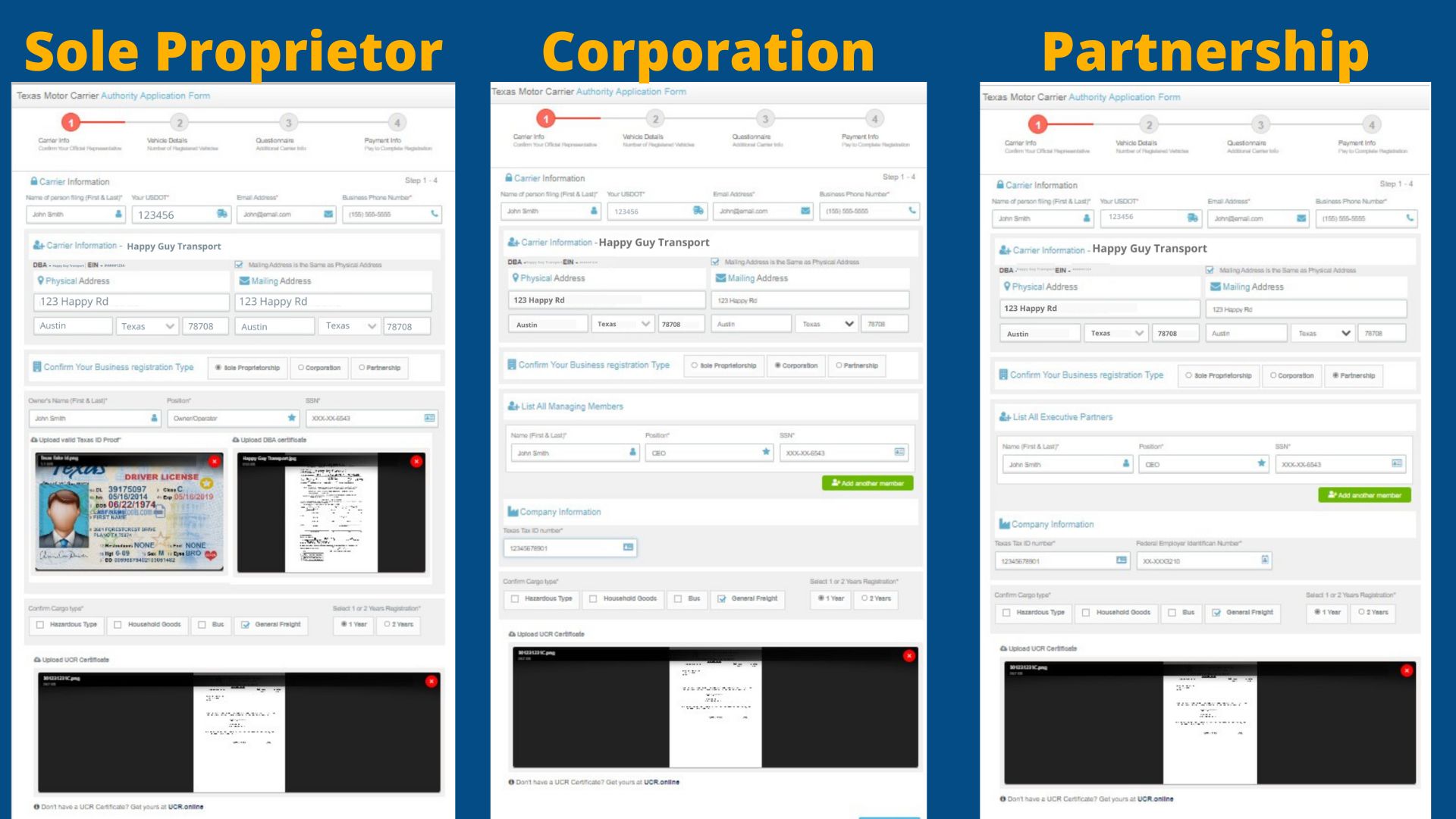
- Social Security Number (for sole proprietors) or Employer Identification Number (EIN) (for corporations/partnerships): This is used for identification purposes.
Step 2: Access the FMCSA Registration System
The primary portal for applying for a DOT number is the FMCSA’s online registration system. You can access this system through the official FMCSA website. Look for sections related to “New Entrant Registration” or “Operating Authority.”
Step 3: Complete the Online Application
Navigate through the online application form. You will be prompted to enter all the information gathered in Step 1. Be accurate and thorough, as any discrepancies can lead to processing delays or rejection.
- Business Structure: Select the appropriate business structure (sole proprietorship, partnership, corporation, LLC, etc.).
- Vehicle Information: Provide details about your fleet, including the number of vehicles and their GVWR.
- Cargo Type: Clearly define the type of cargo you haul. This helps the FMCSA classify your operations for safety oversight.
- Operating Authority: Depending on your operations, you may need to indicate if you are seeking operating authority (MC number) concurrently, although this guide focuses on the DOT number.
Step 4: Review and Submit
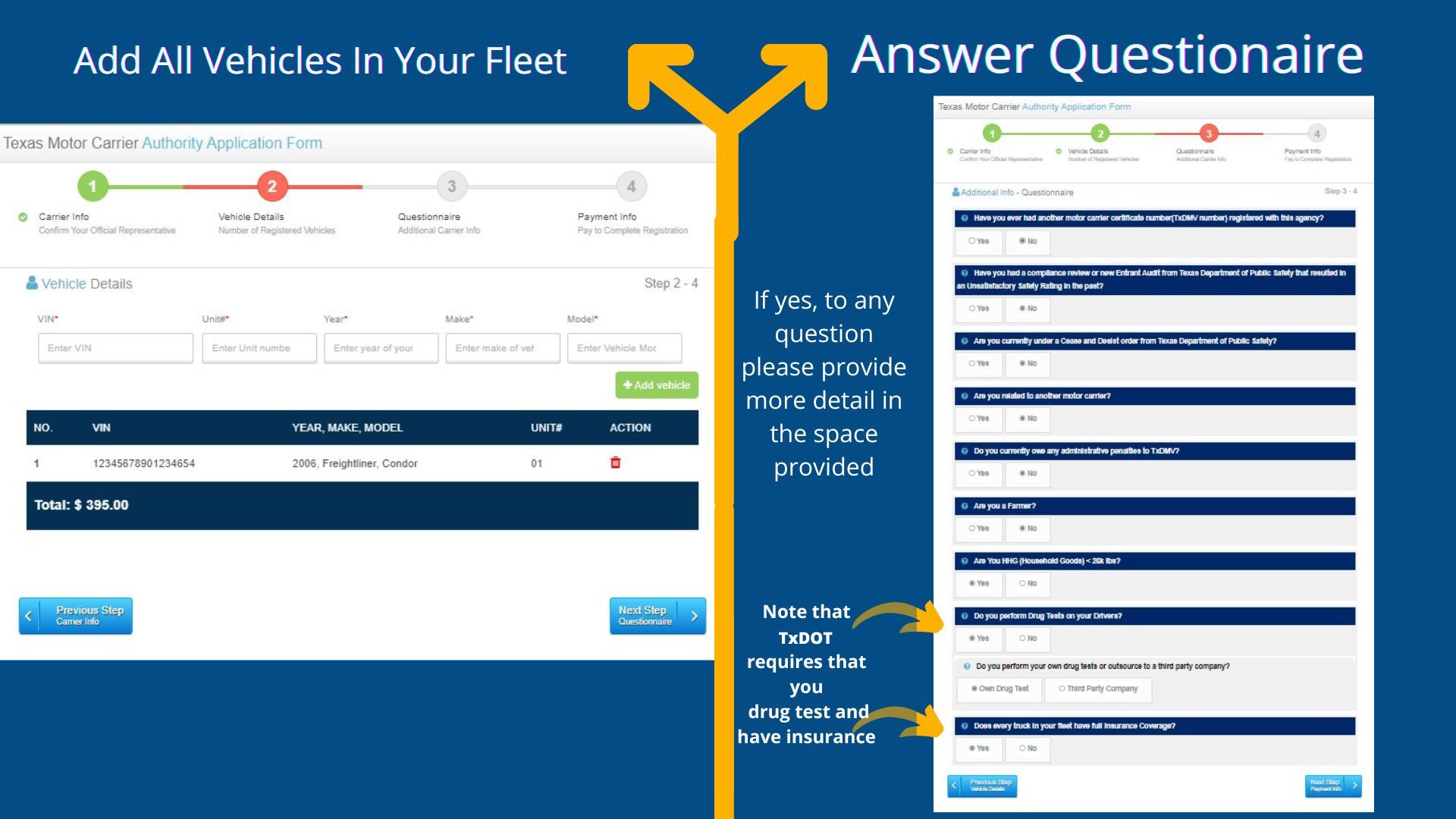
Once all sections of the application are completed, carefully review every piece of information for accuracy. Ensure there are no typos or missing fields. After a thorough review, submit the application electronically.
Step 5: Await Confirmation and Issuance
Upon submission, you will typically receive a confirmation of receipt. The FMCSA will then process your application. If the application is complete and accurate, your DOT number will be assigned and mailed to your business address, or you may be able to view it online. Processing times can vary, but most online applications are processed within a few business days.
Post-Issuance: Maintaining Compliance
Receiving your DOT number is just the beginning. As a DOT-registered entity, you are subject to ongoing safety regulations and compliance requirements designed to ensure the safe operation of commercial vehicles.
New Entrant Safety Assurance Program
For new motor carriers, the FMCSA implements a New Entrant Safety Assurance Program. This program involves a review of your safety performance within the first 18 months of operation. During this period, you may be subject to a compliance review. It is imperative to maintain meticulous records and adhere to all safety regulations to successfully pass this review.
Biennial Updates and Record Keeping
You are required to update your information with the FMCSA every two years. This biennial update ensures that your company details on file are current and accurate. Failure to submit these updates can result in penalties or the deactivation of your DOT number.
- Record Maintenance: Maintain comprehensive records related to driver qualifications, vehicle maintenance, hours of service, accident history, and hazardous materials transportation (if applicable). These records are crucial for compliance reviews and audits.
- Safety Performance: Continuously monitor your safety performance. The FMCSA uses various metrics, such as those found in the Compliance, Safety, Accountability (CSA) program, to assess a carrier’s safety record. Maintaining a strong safety record is vital to avoid penalties and ensure continued operation.
Insurance Requirements
Depending on your operation type and cargo, specific insurance requirements may apply. Ensure you have adequate insurance coverage as mandated by federal and state regulations. This protects your business and the public in case of accidents.
Texas-Specific Compliance
Beyond federal requirements, remain aware of any specific regulations enforced by Texas agencies, such as the TxDPS. This might include specific vehicle inspections, driver licensing requirements, or weight limit enforcement. Staying informed about these state-level mandates is key to operating smoothly within Texas.
Resources and Assistance
Navigating the complexities of DOT number acquisition and compliance can be challenging. Fortunately, several resources are available to assist businesses in Texas.
FMCSA Resources
The Federal Motor Carrier Safety Administration website is the primary source of information. It offers detailed guides, FAQs, application forms, and contact information for their support teams.
Texas Department of Public Safety (TxDPS)
The Texas Department of Public Safety provides information on commercial vehicle safety and enforcement within the state. Their website can be a valuable resource for understanding state-specific compliance.

Third-Party Consultants
Numerous private companies specialize in assisting businesses with DOT and MC number applications, as well as ongoing compliance. These consultants can offer expert guidance, help prepare necessary documentation, and ensure that your application is accurate and complete, potentially saving you time and avoiding costly errors. When considering a consultant, ensure they have a solid reputation and a thorough understanding of both federal and Texas regulations.
By diligently following these steps and remaining committed to ongoing compliance, businesses in Texas can successfully obtain their DOT number and establish a solid foundation for safe and legal commercial transportation operations.
LifeOutOfTheBox is a participant in the Amazon Services LLC Associates Program, an affiliate advertising program designed to provide a means for sites to earn advertising fees by advertising and linking to Amazon.com. Amazon, the Amazon logo, AmazonSupply, and the AmazonSupply logo are trademarks of Amazon.com, Inc. or its affiliates. As an Amazon Associate we earn affiliate commissions from qualifying purchases.