
Navigating the vast and dynamic road networks of Texas can be an exhilarating experience, offering a gateway to diverse landscapes, vibrant cities, and a rich cultural tapestry. Whether you’re embarking on a scenic drive through the Texas Hill Country, exploring the historic streets of San Antonio, or venturing towards the bustling metropolises of Dallas or Houston, understanding the toll payment system is an essential part of smooth and stress-free travel. The Lone Star State boasts an extensive network of toll roads, managed by various entities, each with its own payment methods and policies. This guide aims to demystify the process, ensuring you can traverse these efficient routes without a hitch, whether you’re a seasoned road tripper or a first-time visitor.
Understanding Texas Toll Roads
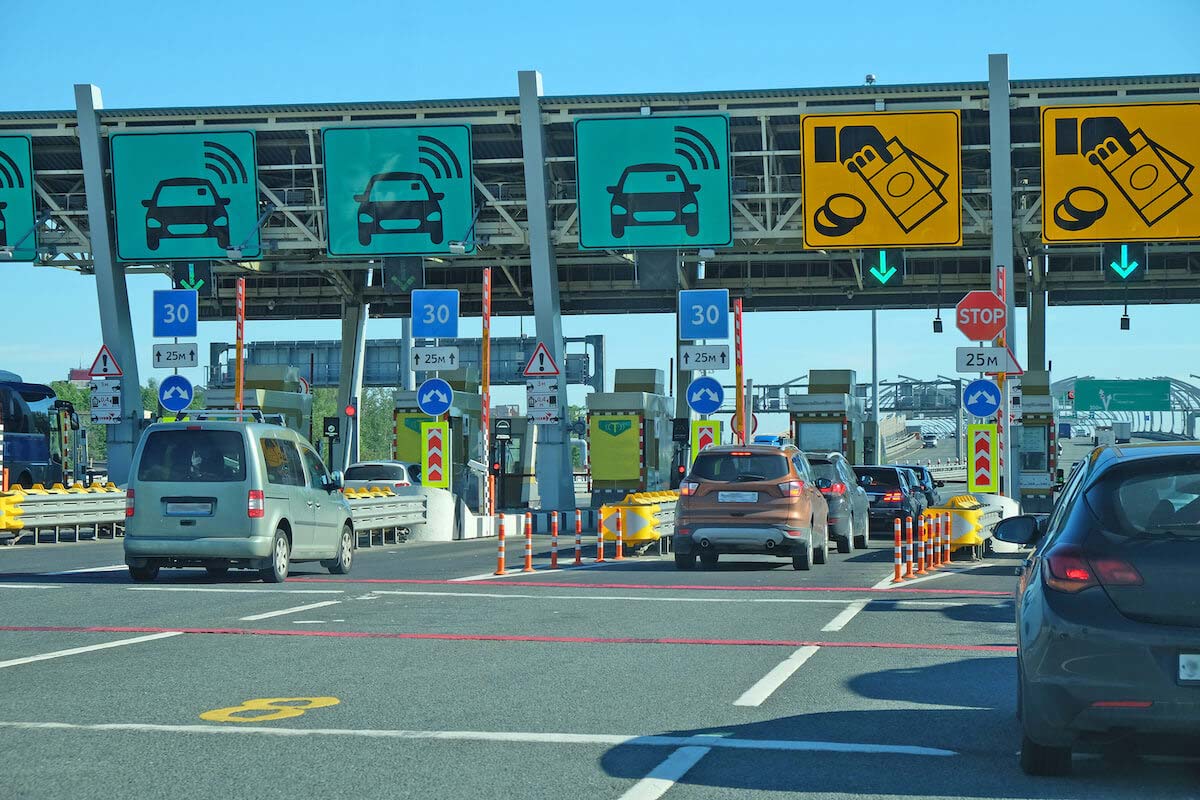
Texas’s commitment to improving transportation infrastructure has led to the development of numerous toll roads, designed to alleviate traffic congestion and provide quicker travel times. These roads are often characterized by their modern design, well-maintained surfaces, and advanced electronic tolling systems. Knowing where these roads are located and how they are operated is the first step to a seamless journey. The primary entities managing toll roads in Texas include the Texas Department of Transportation (TxDOT), regional toll authorities like the North Texas Tollway Authority (NTTA), and the Harris County Toll Road Authority (HCTRA) in the Houston area. Each of these authorities may have slightly different rules regarding payment methods, discounts, and enforcement, so it’s beneficial to be aware of the specific authority governing the toll road you intend to use.
Types of Toll Collection Systems
Texas utilizes a variety of toll collection systems, with a strong emphasis on electronic tolling to expedite the passage of vehicles and reduce the need for physical toll booths.
Toll Tags and Transponders
The most common and often the most cost-effective way to pay tolls in Texas is by using a dedicated toll tag or transponder. These electronic devices are affixed to your vehicle’s windshield and communicate wirelessly with tolling equipment as you pass through.
- ZipCash/TollTag (NTTA): The NTTA, serving the Dallas-Fort Worth metroplex, offers the TollTag. This tag can be used on most toll roads throughout Texas, and even in Oklahoma and Kansas. Residents can manage their accounts online, through a mobile app, or by phone. Visitors can also obtain temporary tags or use other compatible transponders.
- EZ TAG (HCTRA): For those frequently traveling in the Houston area, the EZ TAG is the preferred option. Like the TollTag, it’s a prepaid account that deducts toll charges automatically. The EZ TAG is also accepted on many toll roads across Texas, as well as in Oklahoma and Kansas.
- TxTag (TxDOT): The TxTag is managed by TxDOT and is also interoperable with NTTA and HCTRA systems, offering widespread coverage across the state.
Benefits of Toll Tags:
- Cost Savings: Toll tags typically offer discounted toll rates compared to paying without a tag.
- Convenience: Eliminates the need to stop at toll booths or worry about accumulating unpaid tolls.
- Speed: Allows for faster passage through toll plazas, especially those with dedicated electronic lanes.
Pay-By-Mail and Online Payment
For drivers who do not have a toll tag, Texas toll roads offer a “pay-by-mail” option. When your vehicle passes through a toll plaza without a functioning transponder, a toll authority will capture your license plate information. They will then mail a bill to the registered owner of the vehicle.
- Invoice Mail: This system is designed for infrequent users or visitors. However, it’s crucial to ensure the bill is paid promptly. Unpaid tolls can result in late fees, administrative charges, and even citations.
- Online Portals: Most toll authorities provide online portals where you can register your vehicle, make one-time payments, or set up an account for pay-by-mail customers. These platforms allow you to view toll charges and pay them directly from your computer or mobile device. It is highly recommended to check these portals regularly if you receive a bill to avoid missed payments.
Cash Payment
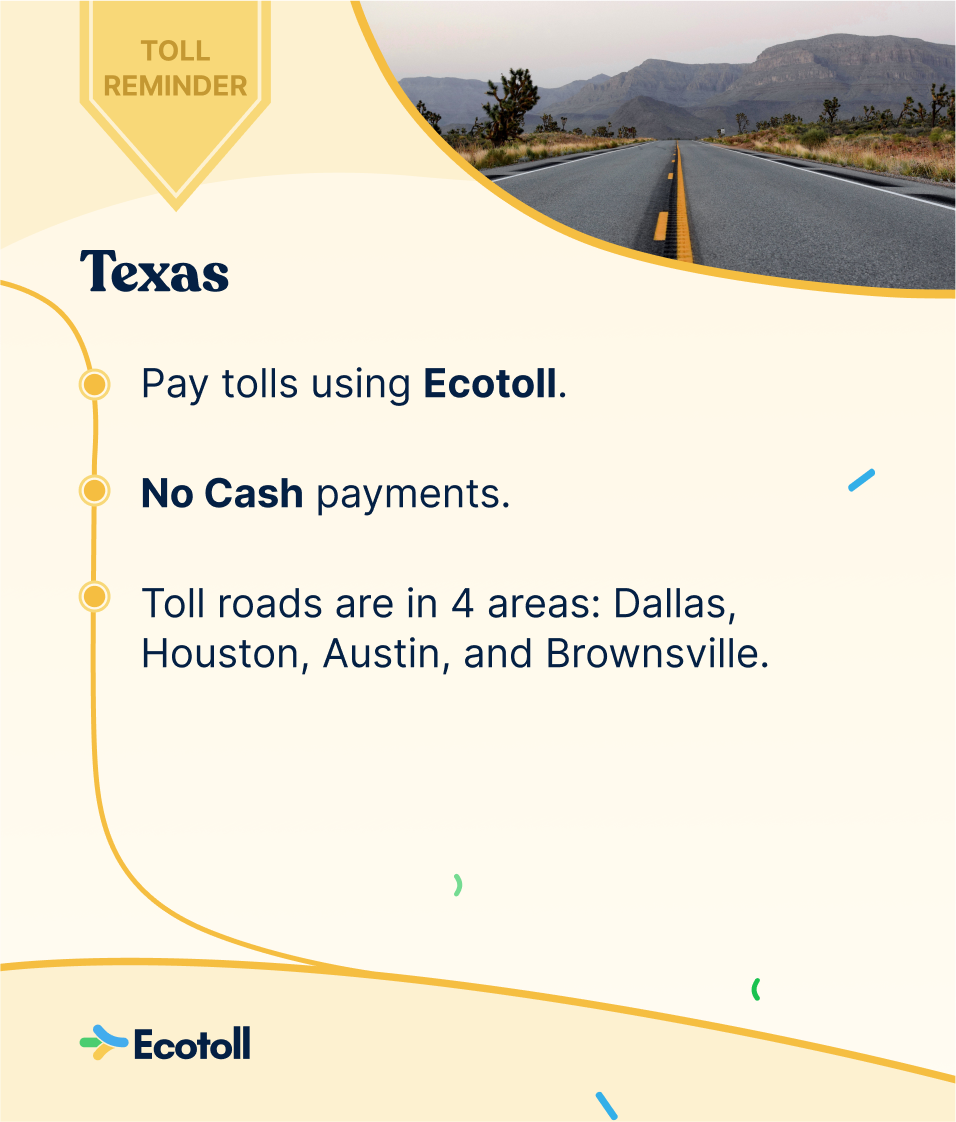
While the trend is moving towards cashless tolling, some older toll plazas or specific toll roads might still accept cash. However, this is becoming increasingly rare, especially on newer, high-speed tollways. It’s always advisable to check the specific toll road’s website or signage beforehand if you plan to use cash. If cash is accepted, there will typically be dedicated lanes for cash transactions.
Planning Your Toll Road Usage
Before embarking on your journey, a little planning can go a long way in ensuring a smooth toll payment experience. Understanding the routes you’ll be taking and the payment options available for those specific roads will save you time and potential headaches.
Researching Toll Roads on Your Route
Texas has an extensive network of toll roads, including major arteries like the Sam Houston Tollway in Houston, the Dallas North Tollway in Dallas, and the Texas State Highway 130 (SH 130) that bypasses the Austin and San Antonio areas.
- Navigation Apps: Modern navigation applications such as Google Maps and Waze are excellent tools for planning your route. You can often set preferences to avoid toll roads altogether if you wish. However, if tolls are unavoidable or you choose to use them for efficiency, these apps can also provide real-time toll estimates and highlight which roads are tolled.
- Toll Authority Websites: For detailed information on specific toll roads, their locations, toll rates, and payment options, consulting the respective toll authority websites is invaluable. Websites for NTTA, HCTRA, and TxDOT provide comprehensive maps, FAQs, and contact information.
Choosing the Right Payment Method
The best payment method for you will depend on your travel frequency and the areas you’ll be visiting.
- Frequent Travelers: If you live in or frequently travel through toll road-heavy areas like North Texas or Greater Houston, obtaining a toll tag (TollTag, EZ TAG, or TxTag) is highly recommended. The initial setup is straightforward, and the long-term convenience and cost savings are significant.
- Occasional Visitors: For visitors or those who travel on toll roads infrequently, the pay-by-mail option is viable. However, be diligent in checking for invoices and paying them promptly to avoid additional fees. Some authorities allow for pre-payment of expected tolls online if you know your route in advance.
- Interoperability: A key advantage of the major Texas toll tags is their interoperability. A TollTag issued by NTTA can be used on HCTRA and TxDOT roads, and vice versa. This simplifies the process considerably if you travel across different regions of the state.
Managing Unpaid Tolls and Avoiding Fines
One of the most critical aspects of using Texas toll roads is understanding the consequences of not paying tolls and how to rectify any outstanding charges. The system is designed to be efficient, but also to enforce payment.
What Happens If You Don’t Pay a Toll?
When a toll is not paid through a transponder, and the subsequent pay-by-mail invoice is not settled, toll authorities initiate an enforcement process.
- Late Fees and Administrative Charges: The initial toll amount will typically be augmented with late fees and administrative charges for each unpaid toll. These can escalate quickly, making a small toll amount significantly larger.
- Violation Notices: If the unpaid tolls and fees remain unresolved, you may receive official violation notices from the toll authority or a collection agency.
- citations and Impact on Driving Record: In more serious cases of persistent non-payment, the matter can be referred to the courts, potentially leading to traffic citations. These citations can result in fines, points on your driving record, and even temporary suspension of your vehicle registration.
Steps to Resolve Unpaid Tolls
If you receive a toll invoice or violation notice, it’s imperative to address it immediately.
- Review the Invoice Carefully: Ensure all details on the invoice are correct, including your vehicle’s license plate number and the date and location of the alleged toll usage.
- Contact the Toll Authority: If you believe there is an error on the invoice or if you have questions, contact the issuing toll authority directly. Their customer service departments are equipped to assist you with resolving discrepancies.
- Pay Online or By Mail: Utilize the provided payment methods – usually online portals or mail-in options – to settle any outstanding charges. Paying promptly will prevent further fees and complications.
- Consider a Toll Tag for the Future: If you find yourself receiving multiple toll invoices, it’s a strong indicator that investing in a toll tag for future travel will be more economical and convenient.
By understanding the nuances of Texas toll road payment systems, proactively planning your routes, and promptly addressing any outstanding charges, you can ensure that your travels across the Lone Star State are as smooth and enjoyable as possible. The efficiency of these toll roads contributes significantly to the state’s modern infrastructure, and with a little knowledge, you can harness their benefits without encountering any unnecessary burdens.
LifeOutOfTheBox is a participant in the Amazon Services LLC Associates Program, an affiliate advertising program designed to provide a means for sites to earn advertising fees by advertising and linking to Amazon.com. Amazon, the Amazon logo, AmazonSupply, and the AmazonSupply logo are trademarks of Amazon.com, Inc. or its affiliates. As an Amazon Associate we earn affiliate commissions from qualifying purchases.