
Navigating the process of registering a vehicle in a new state can often feel like deciphering an ancient scroll. For those embarking on a new chapter in the Lone Star State, understanding how to register a car in Texas from out of state is a crucial step. This guide aims to demystify the procedures, ensuring a smooth transition for your vehicle into the Texan automotive landscape. Whether you’re relocating for business, family, or simply seeking a change of scenery, being prepared is key to avoiding unnecessary delays and complications.
Understanding the Essentials: Key Requirements for Out-of-State Registration
Before you even set foot in a Texas Department of Motor Vehicles (DMV) office, familiarizing yourself with the core requirements will streamline your experience. The state mandates that new residents must register their vehicles within 30 days of establishing residency. This timeframe is critical to avoid potential penalties and ensure your vehicle is legally compliant on Texas roads.
Proof of Residency
Establishing residency is the cornerstone of registering your vehicle in Texas. The Texas Department of Motor Vehicles (DMV) requires specific documentation to verify your intent to reside in the state. Acceptable forms of proof generally include:
- A utility bill in your name showing your Texas address (e.g., electricity, gas, water, internet).
- A lease agreement or mortgage statement for your Texas residence.
- A Texas driver’s license or identification card, which itself requires proof of residency.
- Official mail from government agencies addressed to you at your Texas address.
It’s advisable to have at least two forms of proof of residency readily available to present to the county tax assessor-collector’s office, which handles vehicle registration in Texas.
Vehicle Identification and Inspection
The state of Texas takes vehicle safety and emissions seriously. Therefore, your vehicle will need to undergo a thorough inspection.
Vehicle Inspection Program (VIIP)
Texas has a mandatory Vehicle Inspection Program (VIIP). All vehicles registered in the state must pass an annual safety inspection. For residents in certain metropolitan areas, this inspection also includes an emissions test. These inspections are performed at authorized inspection stations across the state. You will need to present your vehicle for inspection at an authorized station before you can complete your registration. Upon successful completion, you will receive an inspection sticker to be affixed to your windshield, and a corresponding certificate that you’ll need for registration. It’s important to note that if your vehicle is brand new and you are the first owner, you might be exempt from the initial inspection requirement in some cases, but it’s always best to confirm with your local county tax assessor-collector’s office.
Vehicle Identification Number (VIN) Verification
For vehicles brought in from out of state, a VIN verification is often required to ensure the vehicle’s identity matches the documentation. This process confirms that the VIN on the vehicle physically matches the VIN listed on your out-of-state title and registration. This is typically performed by a law enforcement officer or an authorized VIN verifier. You can often get this done at local police departments, sheriff’s offices, or sometimes at specific inspection stations. The completed VIN verification form will be a necessary document for your registration application.
Proof of Ownership and Title Transfer
Demonstrating legal ownership of the vehicle is paramount. The primary document for this is your vehicle’s title.
Out-of-State Title
Your original out-of-state title is the most crucial document you’ll need. This document proves that you are the legal owner of the vehicle. If you have a lien on your vehicle (i.e., you still owe money to a lender), your lienholder will typically hold the title. In such cases, you will need to obtain a lien release or a new title issued in your name before you can transfer it to Texas. It’s essential to ensure your title is free and clear or that you have the necessary documentation from your lienholder.
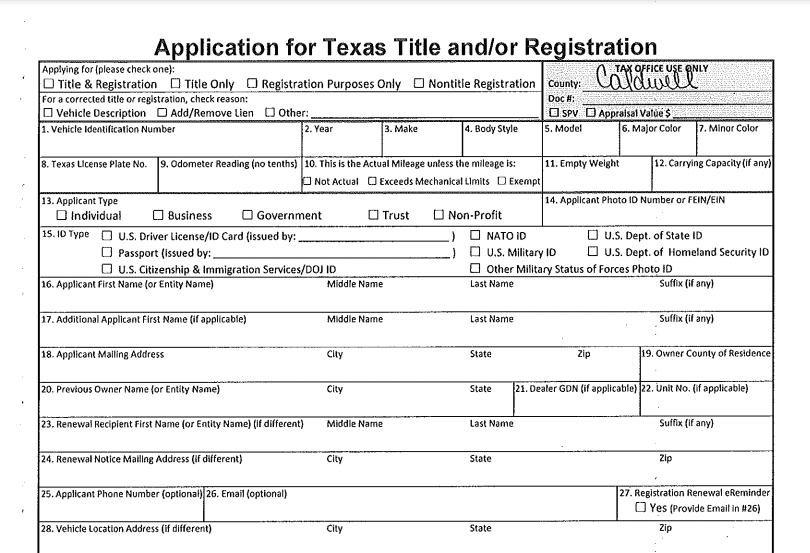
Application for a Texas Title and/or Registration (Form 130-U)
You will need to complete the “Application for a Texas Title and/or Registration” form, also known as Form 130-U. This form collects all the necessary information about you, your vehicle, and your intent to register it in Texas. It’s available for download from the Texas Department of Transportation (TxDMV) website, or you can pick one up at your local county tax assessor-collector’s office.
Proof of Insurance
Texas law requires all drivers to carry a minimum level of liability insurance. You will need to provide proof of Texas liability insurance coverage for your vehicle before it can be registered.
Minimum Liability Coverage
The state’s minimum liability coverage requirements are:
- $30,000 of bodily injury liability per person
- $60,000 of bodily injury liability per accident
- $25,000 of property damage liability per accident
Your insurance provider can help you ensure your policy meets these requirements. You will typically need to present an insurance card or a declaration page from your policy to the county tax assessor-collector’s office. It’s important to note that the insurance policy must be issued by a company licensed to do business in Texas.
The Registration Process: Step-by-Step Guide
With all your documentation in order, you’re ready to navigate the actual registration process. This typically involves a visit to your local county tax assessor-collector’s office.
Step 1: Obtain a Vehicle Inspection
As mentioned earlier, the first practical step is to get your vehicle inspected. Locate an authorized inspection station in your area and have your vehicle undergo the safety and, if applicable, emissions inspection. Ensure you obtain the official inspection certificate.
Step 2: Complete Necessary Forms
Download and fill out the “Application for a Texas Title and/or Registration” (Form 130-U). Have your out-of-state title, proof of residency, and proof of insurance readily accessible as you complete this form.
Step 3: Visit Your Local County Tax Assessor-Collector’s Office
This is where the official registration takes place. The county tax assessor-collector’s office acts as the local branch of the TxDMV for registration purposes. You will need to bring all your gathered documents with you:
- Your out-of-state title (or the necessary documentation if there’s a lien).
- Proof of residency in Texas.
- Proof of Texas liability insurance.
- The completed Vehicle Inspection Report (VIR).
- The completed VIN verification form (if applicable).
- A completed Form 130-U.
You will also need to be prepared to pay the applicable registration fees and taxes.
Step 4: Pay Fees and Taxes
The cost of registering a vehicle in Texas varies depending on the vehicle type, age, and weight. You will also be subject to a motor vehicle inventory tax (also known as the “appraisal tax” or “value tax”), which is assessed based on the value of your vehicle at the time of registration. This tax is a one-time fee when you first register a vehicle in Texas. Subsequent renewals will only involve the registration fee. The county tax assessor-collector’s office can provide an estimate of these costs.
Step 5: Receive Your Texas License Plates and Registration Sticker
Once your application is approved and all fees are paid, you will be issued your Texas license plates and registration sticker. You will typically receive these on the spot. Ensure you affix the registration sticker to your license plate as instructed. Your official Texas title will be mailed to you separately by the TxDMV, usually within a few weeks.
Navigating Special Cases and Considerations
While the general process is straightforward, certain situations may require additional steps or unique considerations.
Transferring a Lienholder
If your vehicle has a lienholder, the process for transferring the title to Texas can be more involved. You will need to coordinate with your current lienholder to have them process the title transfer to Texas or to have them release the lien and issue you a clear title. Once you have the clear title in your name, you can proceed with the registration as outlined above. Some lienholders may work directly with the Texas DMV or a designated third-party service to facilitate this process.
Inherited Vehicles
Registering an inherited vehicle involves different documentation. You will typically need a death certificate of the previous owner, an affidavit of heirship or a probate order, and the vehicle’s title. The specific requirements can vary, so it’s best to consult with your local county tax assessor-collector’s office for precise guidance on registering inherited vehicles.
Salvage or Rebuilt Vehicles
If you are registering a vehicle that has been declared a salvage or rebuilt title in another state, Texas has specific procedures. These vehicles must undergo a rigorous inspection and may require a VIN re-assignment. The process is designed to ensure the structural integrity and safety of such vehicles. You will likely need to present documentation proving the repairs made to the vehicle and pass a special inspection.
Post-Registration: What Comes Next?
After successfully registering your vehicle in Texas, there are a few important follow-up items to keep in mind.
Renewal Process
Texas vehicle registrations are typically valid for one year. You will receive a renewal notice by mail from the TxDMV approximately 60 days before your registration expires. The renewal process can often be completed online, by mail, or in person at your county tax assessor-collector’s office. You will need to have your vehicle inspected annually and maintain your Texas liability insurance to renew your registration.
Driver’s License
Remember that registering your vehicle is only one part of establishing residency. If you are moving to Texas, you will also need to obtain a Texas driver’s license within 90 days of establishing residency. This process also requires proof of residency and typically involves passing a written knowledge test and a driving test (depending on your circumstances).

Understanding Local Regulations
While this guide covers the statewide requirements, it’s always a good practice to be aware of any specific local ordinances or regulations within your chosen city or county in Texas. For instance, some cities may have parking restrictions or specific requirements for commercial vehicles that could impact you.
By diligently following these steps and preparing the necessary documentation, registering your car in Texas from out of state can be a manageable and relatively straightforward process. This ensures you can legally and confidently enjoy your new life in the vast and vibrant landscape of the Lone Star State.
LifeOutOfTheBox is a participant in the Amazon Services LLC Associates Program, an affiliate advertising program designed to provide a means for sites to earn advertising fees by advertising and linking to Amazon.com. Amazon, the Amazon logo, AmazonSupply, and the AmazonSupply logo are trademarks of Amazon.com, Inc. or its affiliates. As an Amazon Associate we earn affiliate commissions from qualifying purchases.