
Navigating the complexities of vehicle ownership in Texas can sometimes lead to intricate situations, and understanding how to manage a bonded title is a crucial piece of knowledge for many Texas residents. A bonded title, often referred to as a “defective title” or “salvage title,” is a type of ownership document issued when the original title has been lost, stolen, or is otherwise unavailable, and the vehicle’s history is unclear. While it serves as a temporary solution to establish ownership, the ultimate goal for most vehicle owners is to replace it with a clear title, unlocking the vehicle’s full market value and simplifying future transactions. This process, while requiring diligence, is entirely achievable for those who understand the necessary steps and requirements set forth by the Texas Department of Motor Vehicles (TxDMV).

Understanding the Bonded Title in Texas
Before delving into the removal process, it’s essential to grasp what a bonded title signifies. In Texas, a bonded title is a mechanism to prove ownership of a vehicle when the usual documentation is missing or questionable. This situation commonly arises when a vehicle has been purchased without a proper title transfer, or when the original title was damaged, lost, or not properly assigned. The “bond” aspect refers to a surety bond, a form of insurance, that the owner must obtain. This bond protects previous owners or lienholders who might have a legitimate claim to the vehicle. It essentially acts as a financial guarantee.
Why Obtain a Bonded Title?
The primary reason for obtaining a bonded title is to legally register and operate a vehicle when a clear title is unobtainable through standard channels. Without a clear title, you cannot:
- Register the vehicle with the TxDMV.
- Obtain license plates.
- Legally drive the vehicle on public roads.
- Sell the vehicle outright without significant complications and a drastically reduced value.
- Obtain full insurance coverage.
Therefore, a bonded title is a necessary step for individuals who find themselves in possession of a vehicle without proper title documentation, allowing them to regularize their ownership and use the vehicle as intended.
The Surety Bond Requirement
The surety bond is a critical component of the bonded title process. It is not obtained from the TxDMV directly but through a licensed insurance provider. The bond amount is typically 1.5 times the vehicle’s fair market value, as determined by the TxDMV. This bond remains active for a specified period, usually three to five years, depending on the state’s regulations. During this period, if any individual or entity can prove a superior claim to the vehicle, they can file a claim against the bond. If the claim is valid, the surety company will compensate the claimant, and the bonded title holder will be responsible for reimbursing the surety company.
Steps to Remove a Bonded Title in Texas
Removing a bonded title in Texas and obtaining a clear title involves a structured process that requires patience and adherence to the TxDMV’s guidelines. The goal is to demonstrate to the state that no valid claims exist against the vehicle during the bond’s active period.
Step 1: Obtain and Maintain Your Surety Bond
The first and most crucial step is securing the required surety bond. This bond is obtained from an insurance company licensed to operate in Texas. You will need to provide information about the vehicle, including its make, model, year, and Vehicle Identification Number (VIN), as well as documentation supporting your claim of ownership and explaining the circumstances surrounding the missing title. The cost of the bond varies based on the vehicle’s value and the insurance provider, but it’s a one-time premium. It is vital to keep this bond active for its entire term.
Step 2: Fulfill the Bond Period and Demonstrate No Claims
Once you have obtained the bonded title and your surety bond is in effect, you must wait for the bond’s duration to expire. The typical term for a surety bond in Texas is three years from the date the bonded title was issued. During this period, the bond serves as protection for any potential claimants. It is imperative that no claims are filed against your bond during this time. If a claim is filed and deemed valid, it could complicate or even prevent the removal of the bonded title. This waiting period is designed to allow any rightful owners or lienholders ample opportunity to come forward.
Step 3: Apply for a Texas Title and Registration
After the bond period has fully elapsed without any claims being filed, you can begin the process of converting your bonded title to a clear title. This involves submitting a comprehensive application to the TxDMV. The specific forms and documentation required may vary slightly, but generally include:
- Application for Texas Title and/or Registration (Form 130-U): This is the primary application form for titling and registering a vehicle in Texas.
- Proof of Surety Bond Completion: You will need to provide documentation from the surety company confirming that the bond period has expired and that no claims were filed against it. This is a critical piece of evidence.
- Original Bonded Title: You will need to surrender the existing bonded title.
- Proof of Texas Liability Insurance: As with any vehicle registration in Texas, valid insurance is mandatory.
- Vehicle Inspection Certificate: The vehicle must pass a state safety inspection.
- Proof of Identity and Residency: Standard documentation like a driver’s license and utility bills will be required.
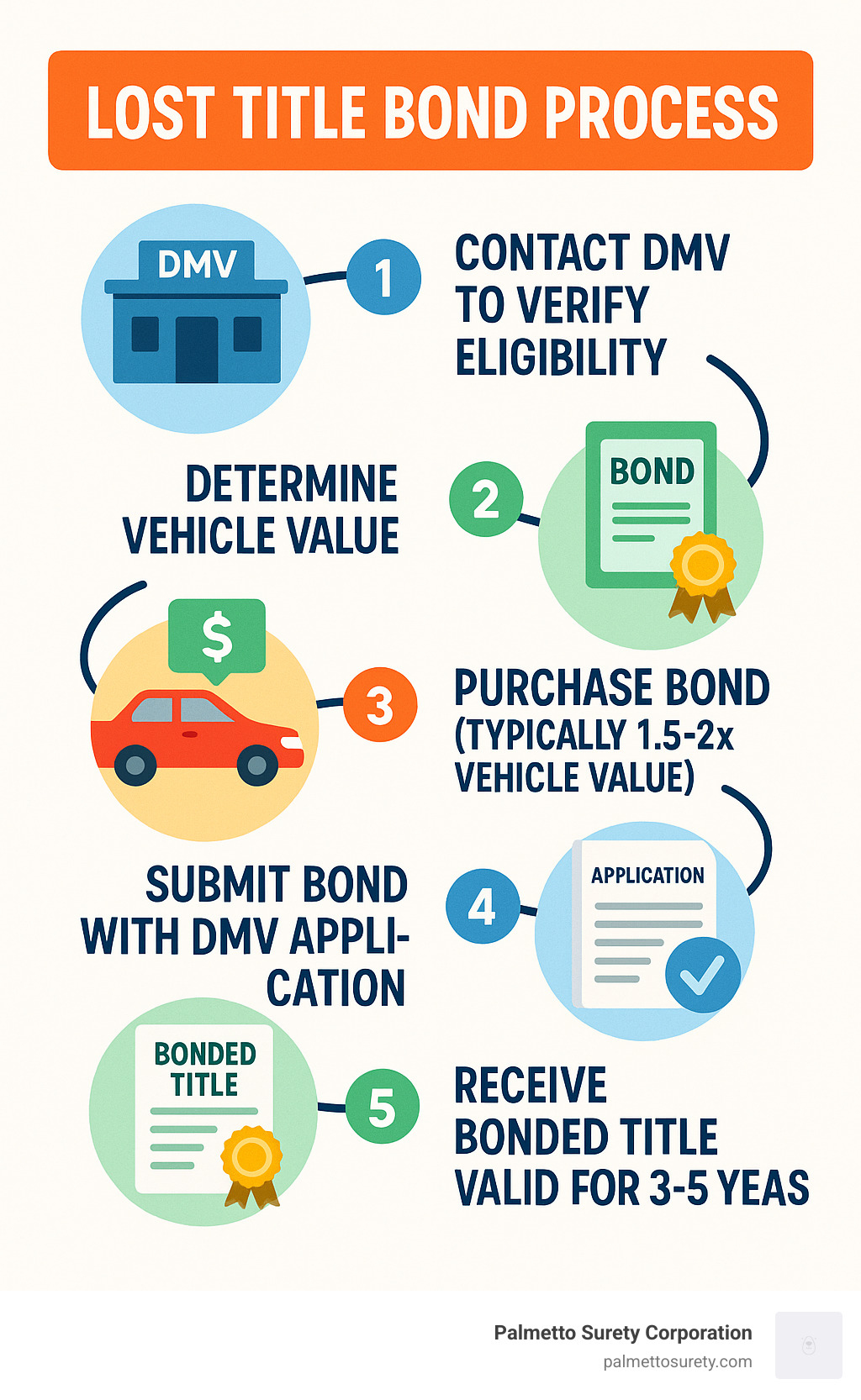
You will typically submit these documents to your local county tax assessor-collector’s office, which acts as an agent for the TxDMV.
Step 4: Pay Applicable Fees and Taxes
As with any title transfer or initial titling process, there will be fees and taxes associated with obtaining your new, clear title. These may include:
- Title transfer fees.
- Registration fees.
- Sales tax (if applicable, based on when the vehicle was acquired and if taxes were previously paid).
The exact amount will depend on the vehicle’s age, value, and your specific circumstances. The county tax assessor-collector’s office can provide a detailed breakdown of all applicable costs.
Step 5: Receive Your Clear Texas Title
Once your application is approved and all fees and taxes have been paid, the TxDMV will issue a new, clear Texas title in your name. This new title will reflect your ownership without the “bonded” or “salvage” designation, providing you with unencumbered ownership of the vehicle. This process can take several weeks, so patience is key. It is advisable to keep copies of all submitted documents for your records.
Potential Challenges and Considerations
While the process of removing a bonded title is outlined clearly, it’s essential to be aware of potential hurdles and to approach the situation with thoroughness.
Filing of Claims Against the Bond
The most significant challenge is the possibility of a claim being filed against your surety bond. This can occur if a previous owner, a lienholder, or someone who believes they have a superior claim to the vehicle comes forward within the bond’s active period. If a claim is filed, the surety company will investigate. If the claim is deemed valid, they may pay the claimant. You, as the bondholder, would then be responsible for reimbursing the surety company. In some cases, a valid claim could prevent you from obtaining a clear title until the matter is resolved, which might involve legal proceedings. This underscores the importance of ensuring your acquisition of the vehicle was legitimate and that you have diligently followed all legal procedures.
Inaccurate Vehicle Valuation
The value of your vehicle plays a crucial role in determining the bond amount. If the TxDMV’s valuation seems inaccurate or significantly lower than the vehicle’s actual market value, it can affect the bond cost and potentially the ease of future sale. It is often possible to appeal the valuation by providing evidence of the vehicle’s worth, such as recent sales data for similar vehicles or professional appraisals.
Vehicle Condition and History
While the bonded title process focuses on ownership, the underlying condition and history of the vehicle are also important. If the vehicle has a salvage history that was not properly disclosed or addressed during your acquisition, it may present additional challenges beyond the bonded title itself. A salvage title, for instance, indicates the vehicle was declared a total loss by an insurance company and requires a thorough inspection and often repairs before it can be legally driven. Understanding the full history of the vehicle before embarking on the bonded title process can save significant time and potential expense.
Delays in Processing
Government processes can sometimes be subject to delays. It is advisable to maintain open communication with the TxDMV and your local county tax assessor-collector’s office. If you encounter unexpected delays or require clarification on any part of the process, don’t hesitate to reach out. Having all your documentation in order and submitting a complete application from the outset can help minimize processing times.

Conclusion: Achieving Clear Ownership
The journey from a bonded title to a clear title in Texas is a testament to meticulous record-keeping and adherence to regulatory requirements. It is a process that demands patience, as the waiting period for the surety bond to expire is a non-negotiable component. By understanding the purpose of the bonded title, fulfilling the surety bond obligations, and diligently submitting all required documentation to the Texas Department of Motor Vehicles, vehicle owners can successfully navigate this system. The ultimate reward is the acquisition of a clear title, which not only solidifies ownership but also unlocks the full potential for using, insuring, and selling your vehicle without the inherent complications associated with a bonded title. This empowers owners to enjoy their vehicles with the confidence and security that comes with legal, unencumbered ownership.
LifeOutOfTheBox is a participant in the Amazon Services LLC Associates Program, an affiliate advertising program designed to provide a means for sites to earn advertising fees by advertising and linking to Amazon.com. Amazon, the Amazon logo, AmazonSupply, and the AmazonSupply logo are trademarks of Amazon.com, Inc. or its affiliates. As an Amazon Associate we earn affiliate commissions from qualifying purchases.