
Navigating the bureaucratic processes of identity verification can often feel like a significant hurdle, especially when it comes to renewing essential identification documents. For residents of the Lone Star State, the Texas Department of Public Safety (DPS) has streamlined the process for renewing your Texas ID, offering a convenient online option for many. This guide aims to demystify the steps involved, ensuring a smooth and efficient renewal experience, allowing you to focus on enjoying all that Texas has to offer.
The Texas ID card, officially known as the Texas Driver License or Texas Personal Identification Certificate, serves as a crucial form of identification for a multitude of purposes, from accessing state services and purchasing age-restricted items to proving your identity when traveling domestically. While the ability to renew online is a boon for convenience, understanding the eligibility requirements and the process itself is paramount. This article will delve into the specifics of renewing your Texas ID online, covering eligibility, necessary documentation, the step-by-step procedure, and what to do if online renewal isn’t an option for you.
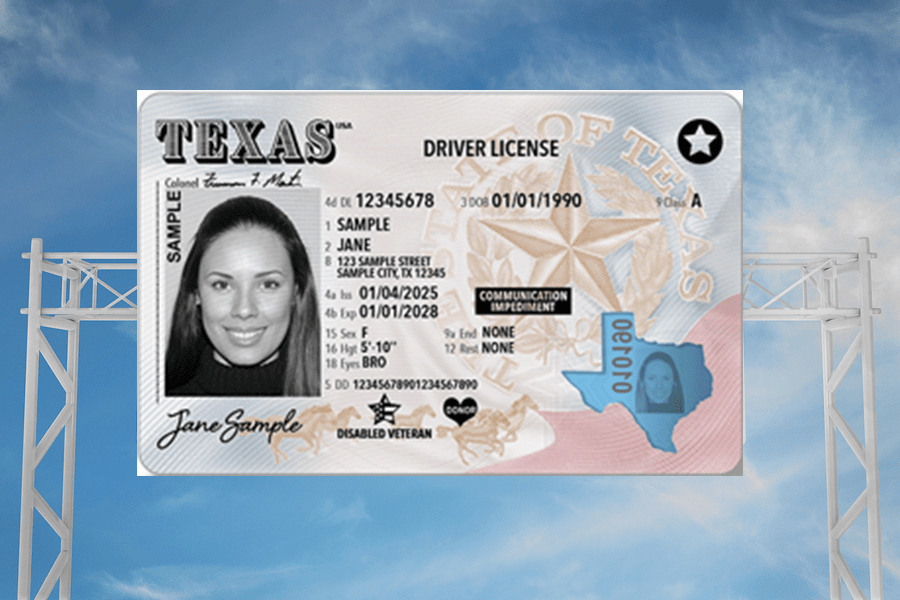
Eligibility for Online Texas ID Renewal
The Texas DPS offers online renewal as a service to eligible individuals to simplify the process and reduce the need for in-person visits. However, not everyone will qualify for this convenient option. Understanding these criteria is the first step to a successful renewal.
Who Can Renew Online?
Generally, you are eligible to renew your Texas ID online if you meet the following conditions:
- Current or Expired Texas Driver License or ID Card: Your most recent Texas driver license or ID card must have been issued by the Texas Department of Public Safety.
- Not Exceeding a Certain Age Threshold: If you are under 79 years old, you are generally eligible. Those 79 and older have different renewal requirements.
- No Significant Physical or Mental Changes: The DPS requires that you have not experienced a physical or mental condition that would prevent you from safely operating a vehicle if you held a driver’s license, or that would impair your ability to see or understand information presented on an ID card.
- Residency in Texas: You must be a current resident of Texas.
- Social Security Number: You must have a Social Security number on file with the Texas DPS.
- Previous Renewal Method: You must have renewed your license or ID in person at least once before, and your previous renewal was not done by mail.
- No Change in Name or Address (Generally): While some minor address updates might be permissible, significant changes to your legal name or address may necessitate an in-person renewal to ensure all documentation is correctly updated.
- Not Surrendered License/ID: Your Texas driver license or ID card must not have been surrendered to any court or law enforcement agency.
- No Outstanding Holds: There should be no outstanding warrants or legal holds placed on your record by any court.
When Online Renewal Isn’t an Option
If you do not meet the criteria above, or if you are unsure, it is always best to visit a Texas Driver License office in person. Common reasons for needing to renew in person include:
- Age 79 or Older: Individuals in this age group have specific renewal requirements that typically involve an in-person visit.
- Major Name Change: If your legal name has changed due to marriage, divorce, or other reasons, you will likely need to present updated legal documentation in person.
- Address Change: While some online address updates might be possible, a permanent change of address often requires an in-person visit.
- Lost or Stolen Card: If your ID or license has been lost or stolen, you will need to apply for a replacement in person, which will also involve a renewal process.
- Expired for More Than Two Years: If your Texas ID or driver’s license has been expired for over two years, you will typically need to reapply as a new applicant and retake any required tests.
- Commercial Driver’s License (CDL) Holders: While some aspects of CDL renewal might be simplified, specific federal regulations often require in-person renewals for CDL holders.
The Online Renewal Process: Step-by-Step
Once you have confirmed your eligibility, the online renewal process for your Texas ID is straightforward and designed for user-friendliness. The primary portal for this service is the Texas Department of Public Safety’s official website.
Accessing the Texas DPS Website
The first step is to navigate to the official Texas Department of Public Safety website. Look for the “Driver Licenses” or “ID Cards” section. The specific portal for renewals is usually clearly marked. You can typically find it by searching for “Texas DPS driver license renewal” or “Texas ID renewal online.”
Required Information and Documentation
Before you begin, ensure you have the following information readily available:
- Your Current Texas Driver License or ID Card: You will need the information from your current card, including your license or ID number, and potentially your date of birth.
- Social Security Number (SSN): Your SSN is a critical piece of information for verification.
- Payment Method: You will need a valid credit or debit card (Visa, MasterCard, Discover, or American Express) to pay the renewal fee.
- Proof of Residency (Potentially): While often not required for a standard online renewal, it’s good practice to have a recent utility bill or bank statement with your current Texas address available, just in case.
- Vision Screening Certificate (If Applicable): If you are required to complete a vision screening, you will need the certificate of completion from an authorized provider. Many facilities that offer vision tests can submit this electronically.
Navigating the Online Renewal Portal
- Start the Application: On the DPS website, locate the “Renew Driver License or ID Card” option. You will likely be prompted to create an account or log in if you have used the service before.
- Enter Personal Information: You will be asked to enter your personal details, including your name, date of birth, and your Texas driver license or ID card number. This information is used to retrieve your existing record.
- Answer Eligibility Questions: The system will present a series of questions to confirm your eligibility for online renewal, similar to the criteria outlined earlier. Answer these questions truthfully and accurately.
- Vision Test Confirmation: The system will check if a recent vision test has been submitted electronically or if you need to complete one. If required, you will be directed on how to proceed. For a driver’s license, passing a vision test is mandatory. For an ID card, it is generally not required unless there are specific concerns raised.
- Review and Update Address (If Necessary): If you need to update your mailing address, there is typically a section for this. However, be mindful that significant changes might trigger an in-person requirement.
- Pay the Renewal Fee: The system will display the applicable renewal fee. Enter your credit or debit card information to process the payment. The fee amount can vary, so check the DPS website for the most current pricing.
- Confirmation and Receipt: Upon successful completion of the renewal process and payment, you will receive a confirmation screen. It is highly recommended to print or save this confirmation page for your records. You may also receive an email confirmation.

Receiving Your New Texas ID Card
After your online renewal is processed, your new Texas ID card will be printed and mailed to the address on file with the DPS. Standard mailing times can vary, so it is advisable to allow several weeks for delivery. In the meantime, your online confirmation or the expired ID card (if still valid for a short grace period) may serve as temporary proof of identification, though it’s best to check the specific grace period policy with the Texas DPS.
Preparing for Your Texas ID Renewal
Proactive preparation can significantly ease the renewal process, whether you are opting for an online renewal or anticipating an in-person visit. Understanding the nuances of the system and being ready with the necessary components will save you time and potential frustration.
Understanding the “Real ID” Compliant Card
Many residents of Texas are now opting for a “Real ID” compliant driver license or ID card. These cards meet federal security standards established by the REAL ID Act of 2005. If you are renewing online and previously had a Real ID compliant card, your renewed card will also be Real ID compliant, provided you meet all other requirements. If you are renewing in person and wish to obtain a Real ID for the first time, you will need to present specific documentation proving your identity, Social Security number, and Texas residency. This typically includes documents like a certified birth certificate or U.S. passport, a Social Security card, and two proofs of Texas residency.
The Importance of a Valid Address
Your mailing address is crucial for receiving your new ID card. Ensure that the address you provide to the Texas DPS is current and accurate. If you have recently moved, confirm that your address has been updated in their system. While online renewal allows for some address updates, a move from out of state to Texas or a significant change in your residential status will likely necessitate an in-person visit to an official driver license office.
Vision Requirements for Driver Licenses
For those renewing a driver’s license, a vision screening is a mandatory component. The Texas DPS accepts vision test results from licensed optometrists, ophthalmologists, and other approved vision screening providers. Many facilities offer convenient on-site vision tests that can be electronically submitted directly to the DPS. It is advisable to get your vision checked before you start the online renewal process to avoid delays. If you require corrective lenses to pass the vision test, this restriction will be noted on your new driver’s license.
Alternatives to Online Renewal
While online renewal offers unparalleled convenience, it is essential to have a clear understanding of the alternatives should you not qualify or if you encounter any issues with the digital platform. The Texas Department of Public Safety provides several options for those who need to renew their ID in person.
Renewing at a Driver License Office
The most common alternative to online renewal is visiting a Texas Driver License office. These offices are equipped to handle all types of renewals, including those that cannot be completed online. To ensure a smooth in-person experience, it is highly recommended to schedule an appointment in advance. You can typically do this through the Texas DPS website.
When visiting a Driver License office, be prepared to bring:
- Your Current Texas Driver License or ID Card.
- Proof of Identity: This might include your previous ID, a birth certificate, or a passport.
- Proof of Social Security Number: A Social Security card or other official documentation.
- Proof of Texas Residency: Two recent documents, such as utility bills, bank statements, or lease agreements.
- Vision Screening Certificate (If Required): If you have not completed a vision test recently.
- Payment: For the renewal fee. The accepted payment methods may vary by office, so it’s wise to check in advance.
Using a Third-Party Renewal Service (Caution Advised)
While not directly managed by the Texas DPS, some private companies offer services to assist with document renewals. However, it is crucial to exercise extreme caution when considering such services. Always ensure that any third-party provider is legitimate and that you understand any additional fees they may charge beyond the official DPS renewal cost. For the most secure and cost-effective renewal, the official Texas DPS website and its authorized channels are always the preferred and recommended methods. Relying on unofficial sources can lead to identity theft or fraudulent charges.
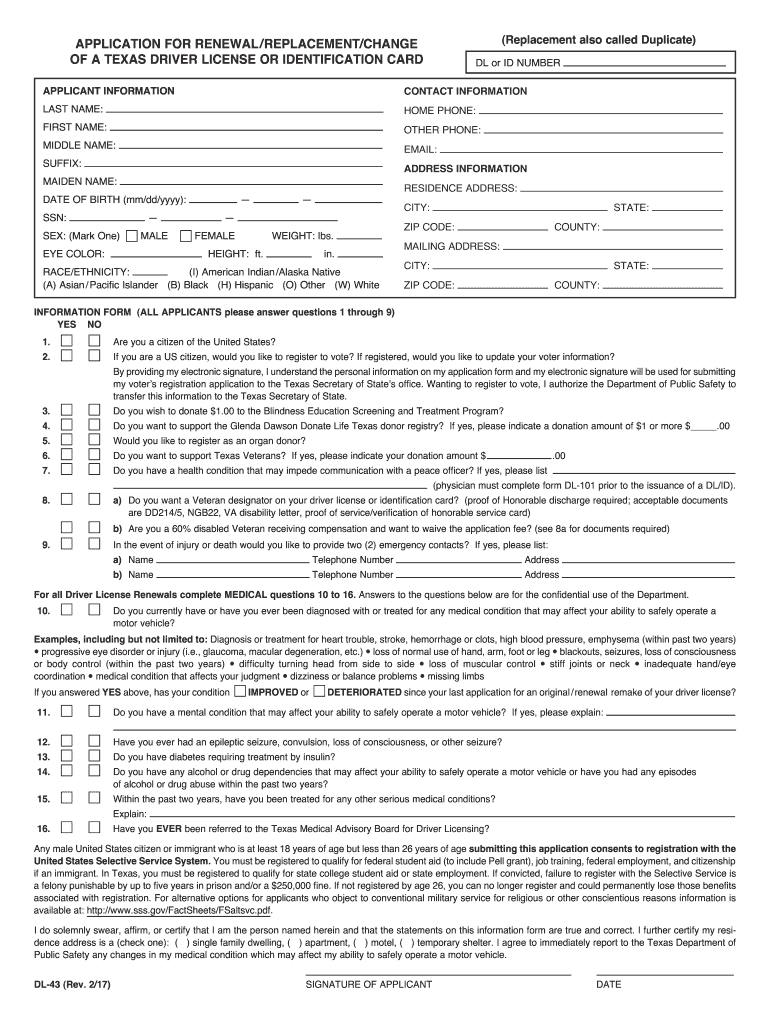
Mail-In Renewal (Limited Circumstances)
Historically, mail-in renewals were more common. However, the Texas DPS has largely shifted towards online and in-person services. Mail-in renewal is typically reserved for specific situations, such as active-duty military personnel stationed outside of Texas or individuals with documented medical conditions that prevent them from visiting an office. If you believe you qualify for a mail-in renewal, you must contact the Texas DPS directly to inquire about eligibility and the specific procedures involved.
By understanding the eligibility criteria, the straightforward online process, and the available alternatives, renewing your Texas ID becomes a manageable task, ensuring you maintain valid identification for all your needs across the great state of Texas and beyond.
LifeOutOfTheBox is a participant in the Amazon Services LLC Associates Program, an affiliate advertising program designed to provide a means for sites to earn advertising fees by advertising and linking to Amazon.com. Amazon, the Amazon logo, AmazonSupply, and the AmazonSupply logo are trademarks of Amazon.com, Inc. or its affiliates. As an Amazon Associate we earn affiliate commissions from qualifying purchases.