
Navigating the process of selling a car in the Lone Star State involves understanding specific regulations, market dynamics, and practical steps to ensure a smooth and profitable transaction. Whether you’re a seasoned seller or a first-timer, this guide will equip you with the knowledge to confidently sell your vehicle in Texas.
Understanding the Texas Car Selling Landscape
Texas boasts a vibrant used car market, fueled by its large population and diverse economic landscape. From the bustling streets of Houston to the cultural hubs of Austin and Dallas, opportunities abound for sellers. However, success hinges on preparation and adherence to state laws.
Vehicle Valuation and Pricing Strategies
Before listing your car, a thorough valuation is crucial. Several factors influence your vehicle’s worth:
- Make, Model, and Year: Popular and reliable models generally retain value better.
- Mileage: Lower mileage typically commands a higher price.
- Condition: Both mechanical and cosmetic condition play a significant role. Regular maintenance, accident history, and interior/exterior wear are key considerations.
- Features and Trim Level: Higher trim levels with desirable features like leather seats, sunroofs, or advanced navigation systems can increase value.
- Market Demand: Researching comparable vehicles for sale in Texas provides a realistic benchmark. Websites like Kelley Blue Book (KBB), Edmunds, and NADAguides are excellent resources for estimating your car’s market value. Consider local market trends in cities like San Antonio or Fort Worth.
Once you have an estimated value, decide on your pricing strategy. You can opt for a firm price, which simplifies negotiations, or a negotiable price, which allows for some flexibility to attract more buyers.
Preparing Your Vehicle for Sale
A well-presented car attracts more attention and can significantly impact its selling price.
Detailing and Minor Repairs
- Professional Detailing: A deep clean, inside and out, can make a world of difference. This includes vacuuming carpets and upholstery, cleaning all surfaces, washing and waxing the exterior, and detailing the engine bay.
- Cosmetic Fixes: Address minor issues like small scratches, dings, or faded paint. Even simple touch-ups can enhance the car’s appeal.
- Mechanical Check-up: Ensure all systems are functioning correctly. Address any minor mechanical issues or leaks. Consider an oil change and tire rotation. A recent inspection report can provide buyers with peace of mind.
Gathering Essential Documents
Having all necessary paperwork ready streamlines the selling process. This typically includes:
- Vehicle Title (Pink Slip): This is the most critical document. Ensure it is free of liens. If you still owe money on the car, you’ll need to work with your lender to pay off the loan and get a clear title.
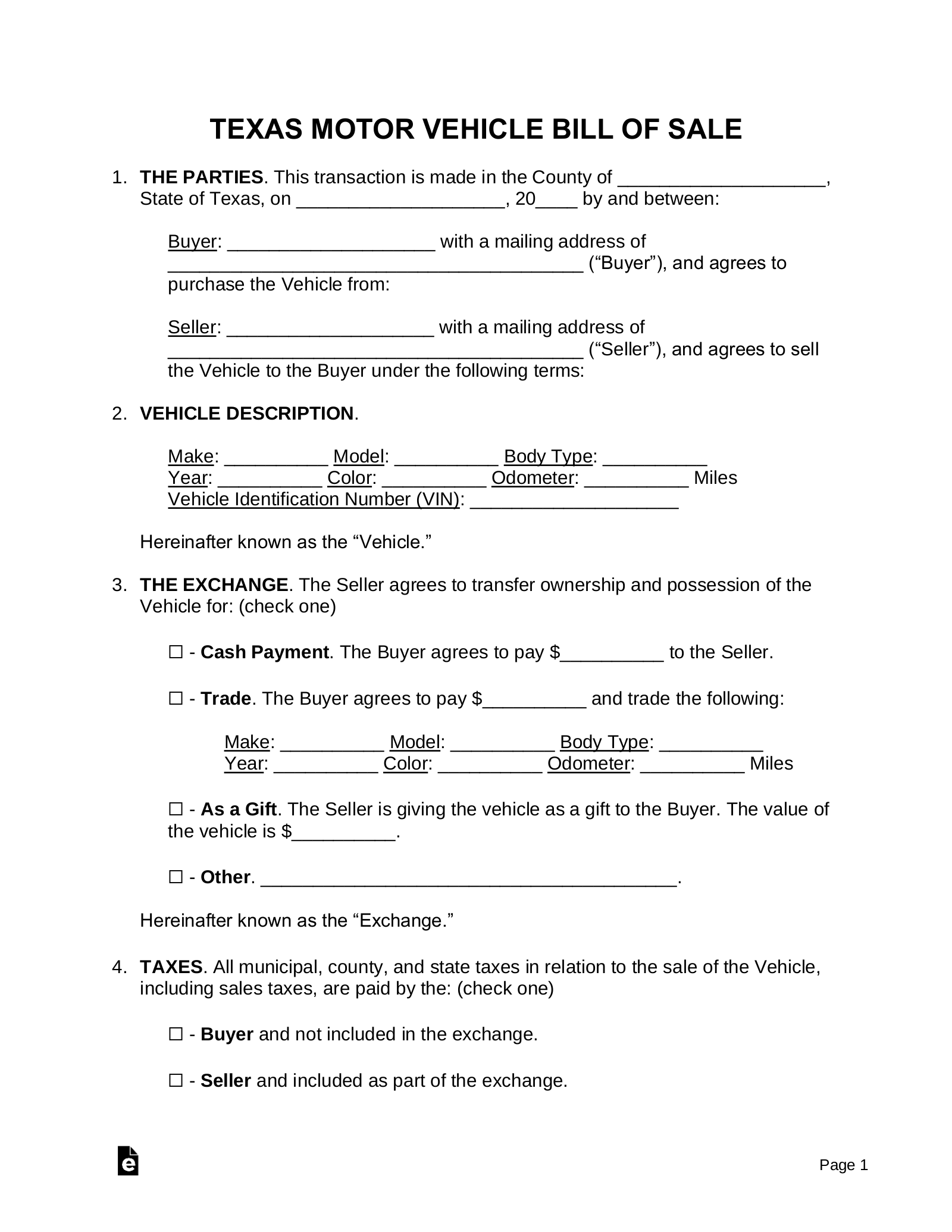
- Bill of Sale: This document details the transaction between the buyer and seller, including the vehicle’s identification number (VIN), sale price, date of sale, and signatures of both parties.
- Maintenance Records: A history of regular maintenance can boost buyer confidence and justify a higher price.
- Vehicle History Report: Services like Carfax or AutoCheck can provide potential buyers with a report on the vehicle’s accident history, title issues, and ownership records.
Selling Methods in Texas
Texas offers several avenues for selling your car, each with its own advantages and disadvantages.
Private Sale
Selling directly to a private buyer generally yields the highest profit margin, as you cut out the dealership’s markup.
Listing Your Vehicle
- Online Marketplaces: Websites like Craigslist, Facebook Marketplace, eBay Motors, and dedicated car selling platforms (e.g., AutoTrader, Cars.com) are popular choices.
- Crafting an Effective Listing:
- High-Quality Photos: Take clear, well-lit photos from multiple angles, showcasing both the interior and exterior. Include shots of the odometer, engine, and any unique features.
- Detailed Description: Be honest and thorough about the car’s condition, mileage, features, and any known issues. Highlight its strengths.
- Keywords: Use relevant keywords in your title and description to attract potential buyers searching for similar vehicles.

Screening Buyers and Negotiating
- Safety First: When meeting potential buyers, choose a public, well-lit location, ideally a police station parking lot or a busy shopping center. Bring a friend or family member along.
- Test Drives: Accompany the buyer on test drives. Ask for their driver’s license before they get behind the wheel.
- Negotiation Tactics: Be prepared for negotiation. Know your lowest acceptable price beforehand and stick to it. Be polite but firm.
Dealership Trade-In
Trading in your car to a dealership is often the most convenient option, but it typically results in a lower payout compared to a private sale.
- Pros: Simplicity, immediate transaction, and the ability to use the trade-in value as a down payment on a new vehicle.
- Cons: Dealerships offer wholesale prices, meaning you’ll likely receive less than the car’s retail value.
When trading in, research the value of your car beforehand and be prepared to negotiate the trade-in amount separately from the price of the new car.
Consignment and Instant Cash Offers
Some dealerships and online services offer to sell your car on consignment or provide an instant cash offer.
- Consignment: You leave your car with a dealership, and they sell it on your behalf, taking a commission from the sale. This can be a good option if you don’t have the time or inclination to handle a private sale, but it still involves a waiting period and a commission fee.
- Instant Cash Offers: Companies like Carvana, Vroom, and CarMax will provide an immediate offer for your car. While incredibly convenient, these offers are often lower than what you could achieve through a private sale. This is a good option if speed and ease are your top priorities.
Completing the Transaction in Texas
Once you’ve found a buyer and agreed on a price, the final steps involve legal transfer of ownership and payment.
The Title Transfer Process
In Texas, transferring ownership of a vehicle requires specific steps handled by the Texas Department of Motor Vehicles (TxDMV).
- Complete the Title: The seller must sign the title over to the buyer in the designated section. Ensure all information is accurate and legible. If there is a lien on the title, it must be satisfied and noted on the title or accompanied by a lien release letter from the lender.
- Provide a Bill of Sale: While not always mandatory for title transfer, a bill of sale is highly recommended for both parties’ protection. It should include the VIN, make, model, year, sale price, date, and signatures of both buyer and seller.
- Buyer’s Responsibility: The buyer is responsible for taking the signed title and bill of sale to their local county tax assessor-collector’s office to register the vehicle and obtain new license plates. They will also need to pay sales tax on the purchase price.
Payment and Finalizing the Sale
- Secure Payment: For private sales, insist on secure payment methods. Cash is often preferred, but be wary of counterfeit bills. For larger sums, consider a cashier’s check from a reputable bank or an escrow service. Avoid personal checks unless you are absolutely certain of the buyer’s identity and financial standing.
- Release of Liability: Once the sale is complete and you have received payment, it is crucial to file a Vehicle Transfer Notification with the TxDMV. This notification informs the state that you are no longer the owner of the vehicle, which protects you from liability for any parking tickets, tolls, or accidents the buyer might incur before registering the car in their name. You can typically do this online or by mail.
Post-Sale Procedures
After the transaction is finalized, there are a few remaining administrative tasks.

Removing License Plates and Notifying Insurance
- License Plates: In Texas, license plates are generally tied to the vehicle, not the owner. However, it’s good practice to remove your plates and turn them in to your local county tax assessor-collector’s office, especially if you are transferring them to a new vehicle or if your registration is still valid. This helps prevent potential issues if the buyer doesn’t properly transfer ownership.
- Insurance: Contact your auto insurance provider to cancel the policy on the sold vehicle. Ensure this is done promptly after the sale to avoid paying for coverage you no longer need.
By following these comprehensive steps, you can ensure a successful and legally compliant car sale in Texas, allowing you to move on to your next automotive chapter with confidence.
LifeOutOfTheBox is a participant in the Amazon Services LLC Associates Program, an affiliate advertising program designed to provide a means for sites to earn advertising fees by advertising and linking to Amazon.com. Amazon, the Amazon logo, AmazonSupply, and the AmazonSupply logo are trademarks of Amazon.com, Inc. or its affiliates. As an Amazon Associate we earn affiliate commissions from qualifying purchases.