
The Texas Two-Step is more than just a dance; it’s a cornerstone of Texas culture, a social lubricant, and a vital part of experiencing the authentic spirit of the Lone Star State. Whether you find yourself at a lively honky-tonk in Fort Worth, a local dance hall in Austin, or a community gathering in a small town, knowing how to Texas Two-Step will unlock a richer and more engaging travel experience. This guide will break down the fundamental steps, etiquette, and cultural significance of this iconic dance, equipping you to confidently hit the dance floor and embrace a quintessential Texan activity.
Understanding the Essence of the Texas Two-Step
At its heart, the Texas Two-Step is a partner dance characterized by its distinctive rhythmic pattern: a quick, quick, slow, slow sequence. However, its appeal extends far beyond the mechanics. It’s a dance of connection, communication, and shared enjoyment.
The Rhythmic Foundation
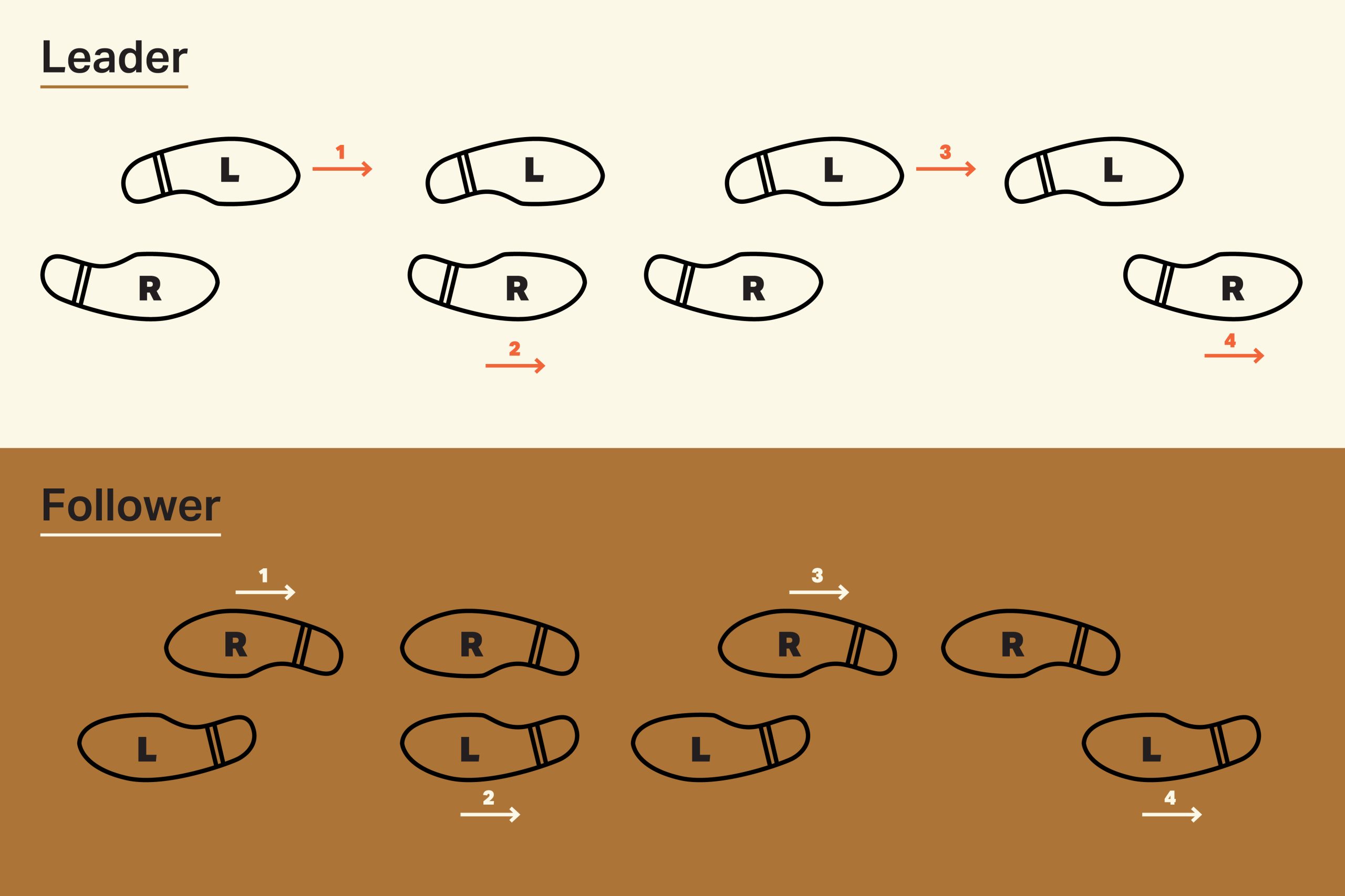
The basic count of the Texas Two-Step is 1-2, 3-4.
- Steps 1 & 2: These are quick, forward steps taken by the lead (typically the man).
- Steps 3 & 4: These are slower, gliding steps that complete the basic pattern.
The “slow” steps are where much of the nuance and style of the dance emerges. They allow for variations, pivots, and a more fluid movement across the dance floor. While the fundamental count remains constant, the interpretation and execution of these steps can vary widely, from simple and elegant to highly elaborate and energetic.
The Role of the Partners
The Texas Two-Step is inherently a partner dance, emphasizing collaboration and responsiveness between the lead and the follow (typically the woman).
- The Lead: The lead initiates the movement and guides the follow through the steps and turns. Clear and confident leading is crucial for a smooth dance.
- The Follow: The follow mirrors the lead’s movements, maintaining connection and responding to the lead’s cues. Good following involves anticipating the lead’s intentions and moving with grace and fluidity.
The beauty of the dance lies in the non-verbal communication between partners. A subtle shift in weight, a gentle tug, or a slight turn of the body are all signals that allow for a seamless dance experience.
Beyond the Steps: The Social Fabric
The Texas Two-Step is deeply embedded in Texan social life. It’s a way for people to connect, converse, and celebrate.
- Community: Dance halls and honky-tonks are vital social hubs, bringing together people from all walks of life. Learning to dance allows you to become a part of this community, even if just for an evening.
- Hospitality: Texans are renowned for their hospitality, and inviting someone to dance is a direct manifestation of this. Accepting an invitation or extending one is a gesture of camaraderie.
- Celebration: Whether it’s a birthday, a wedding, or just a Friday night, the Texas Two-Step often punctuates moments of joy and festivity.
Mastering the Basic Steps and Turns
To begin your journey into the Texas Two-Step, let’s break down the fundamental movements. These are the building blocks upon which all other variations are built.
The Basic Forward and Backward Motion
This is the foundation of the dance.
- Starting Position: Partners face each other, holding hands. The lead’s left hand is usually in the follow’s right, and the lead’s right hand rests on the follow’s back, with the follow’s left hand on the lead’s shoulder.
- Step 1 (Lead): The lead steps forward with their left foot.
- Step 2 (Lead): The lead brings their right foot to meet their left foot, or takes a quick step to the side with their right foot. The timing here is crucial – these are quick movements.
- Step 3 (Lead): The lead steps backward with their left foot. This is a slower, more deliberate step.
- Step 4 (Lead): The lead brings their right foot to meet their left foot, or takes a slower step backward with their right foot.
- The Follow: The follow mirrors the lead’s movements, but in the opposite direction. As the lead steps forward, the follow steps backward. As the lead steps backward, the follow steps forward. The “quick, quick, slow, slow” rhythm applies to both partners.
The Basic Turn
Once you’re comfortable with the forward and backward motion, you can introduce a basic turn.
- Initiating the Turn: The lead will often signal the turn by slightly rotating their body and gently pulling the follow into a turn.
- The Turn Movement: As the partners move through the basic forward/backward steps, the lead will begin to pivot in a counter-clockwise direction. The follow will pivot in a clockwise direction.
- Maintaining Connection: The key is to maintain a consistent hold and communicate the direction of the turn through subtle pressure and body movement. The steps themselves remain “quick, quick, slow, slow,” but the entire pattern is now executed while rotating.
- Completing the Turn: Partners aim to complete a full 360-degree turn within one cycle of the “1-2, 3-4” count, returning to face each other.
Common Variations for Beginners
Once the basic forward and backward steps and the basic turn feel natural, you can explore simple variations to add flair.
- The Side Step: Instead of stepping directly forward or backward, partners can incorporate steps to the side. This adds a more horizontal dimension to the dance.
- The Grapevine: This involves a series of steps that move sideways and then back, creating a crossing motion. It’s a graceful way to travel across the dance floor.
- The Underarm Turn: The lead lifts their left arm, allowing the follow to spin underneath it. This is a common and visually appealing turn that can be incorporated into the basic pattern.
Dance Floor Etiquette and Cultural Nuances
Navigating the social dance floor requires more than just knowing the steps; it involves understanding and respecting the unwritten rules of etiquette that govern these spaces.
Asking Someone to Dance
- Be Polite: A simple “Would you like to dance?” is always appreciated.
- Respect the Answer: If someone declines, do not be discouraged or pushy. They may be waiting for someone, tired, or simply not in the mood. There will be other opportunities.
- Dance with Everyone: If you are a confident dancer, don’t just dance with the best partners. Accepting invitations from less experienced dancers and offering to dance with them is a generous act that contributes to a welcoming atmosphere.
During the Dance
- Safety First: Be aware of your surroundings and the other dancers on the floor. Avoid bumping into other couples or performing moves that could endanger yourself or others.
- Respect Personal Space: While partnered dancing involves close proximity, maintain a comfortable and respectful distance.
- Communicate: Even with non-verbal cues, if something feels off or you need to adjust, a brief spoken word can be helpful.
- Dance the Whole Song: Unless there’s an emergency, commit to dancing the entire song.
After the Dance
- Thank Your Partner: A sincere “Thank you for the dance” is customary and polite.
- Walk Them Back: The lead should escort the follow back to their original spot or to their friends.
- No Critiques: Unless you are in a formal lesson, avoid critiquing your partner’s dancing. The goal is enjoyment.
Specific to the Texas Two-Step
- The “Progressive” Nature: The Texas Two-Step is often danced in a progressive manner, meaning couples move around the dance floor in a counter-clockwise direction. New dancers should try to find a spot and not disrupt the flow of traffic.
- The “Swap”: In some social dance settings, particularly in more casual or beginner-friendly environments, you might encounter a “swap.” After a verse or chorus, partners might switch, allowing individuals to dance with multiple people within one song. This is not universal but is a friendly way to encourage interaction.
Where to Experience the Texas Two-Step
The best way to learn and experience the Texas Two-Step is to immerse yourself in the culture. Texas offers a wealth of venues where this dance thrives.
Iconic Dance Halls and Honky-Tonks
These venues are the heart and soul of Texan country music and dance.
- Gruene Hall (Gruene): The oldest continually operating dance hall in Texas, Gruene Hall has hosted legends and continues to be a vibrant spot for live music and dancing.
- Billy Bob’s Texas (Fort Worth): Known as the “World’s Largest Honky Tonk,” Billy Bob’s Texas offers live music, professional bull riding, and ample space for dancing the Texas Two-Step.
- The Broken Spoke (Austin): A legendary Austin institution, The Broken Spoke offers a genuine Texan experience with nightly live music and free dance lessons.
- John T. Floore’s Country Store (Helotes): A historic venue near San Antonio, Floore’s is renowned for its authentic atmosphere and performances by top country artists.
Local Lessons and Workshops
Many venues and dance studios offer beginner lessons, often preceding the live music. These are invaluable for new dancers.
- Check Venue Schedules: Most of the iconic halls listed above offer lessons.
- Local Dance Studios: Search for country dance studios in cities like Dallas, Houston, and San Antonio.
Embracing the Experience
Learning the Texas Two-Step is a rewarding aspect of any trip to Texas. It’s an invitation to connect with the local culture, meet new people, and create lasting memories. Don’t be afraid to step onto the dance floor; the Texan spirit of hospitality ensures you’ll likely find a friendly partner eager to share this iconic dance. So, put on your boots, find a dance hall, and let the rhythm of the Texas Two-Step guide you through an unforgettable experience.
LifeOutOfTheBox is a participant in the Amazon Services LLC Associates Program, an affiliate advertising program designed to provide a means for sites to earn advertising fees by advertising and linking to Amazon.com. Amazon, the Amazon logo, AmazonSupply, and the AmazonSupply logo are trademarks of Amazon.com, Inc. or its affiliates. As an Amazon Associate we earn affiliate commissions from qualifying purchases.