
Navigating the intricacies of vehicle ownership is a fundamental aspect of life, particularly when it comes to ensuring your automobile is legally registered and recognized in your name. In the great state of Texas, the process of transferring a car title, whether you’re buying a new vehicle, selling your current one, or gifting it to a family member, involves a specific set of steps and documentation. Understanding this procedure is crucial to avoid delays, penalties, and potential legal complications. This guide will walk you through the essential requirements and procedures for a smooth and successful car title transfer in Texas.
Understanding the Texas Title Transfer Process
The transfer of a vehicle title in Texas is primarily managed by the Texas Department of Motor Vehicles (TxDMV). This agency oversees all vehicle registrations, titles, and related transactions. The title itself is a legal document that proves ownership of a vehicle. When you transfer a title, you are essentially transferring that legal ownership from one person or entity to another. This process is vital for both the buyer and the seller. For the seller, it absolves them of liability for the vehicle once it’s no longer theirs. For the buyer, it legally establishes them as the rightful owner, allowing them to register and insure the vehicle.
There are several scenarios that necessitate a title transfer. The most common include:
- Purchasing a Vehicle: Whether from a dealership or a private seller, the buyer is responsible for ensuring the title is transferred into their name.
- Selling a Vehicle: The seller must properly sign over the title to the buyer to complete the transaction.
- Gifting a Vehicle: Even if no money changes hands, a title transfer is required when a vehicle is gifted.
- Inheriting a Vehicle: If you inherit a vehicle, you’ll need to follow specific procedures to transfer the title to your name.
- Adding or Removing a Name from the Title: This often occurs in cases of marriage, divorce, or adding a co-owner.
The core document involved in any Texas title transfer is the Vehicle Title Application (Form VTR-130-T). This application, along with other supporting documents, is submitted to the county tax assessor-collector’s office.
Key Documents Required for a Title Transfer
Successfully transferring a car title in Texas hinges on having the correct documentation. Missing even one item can lead to significant delays. Here are the essential documents you’ll likely need:
The Existing Vehicle Title
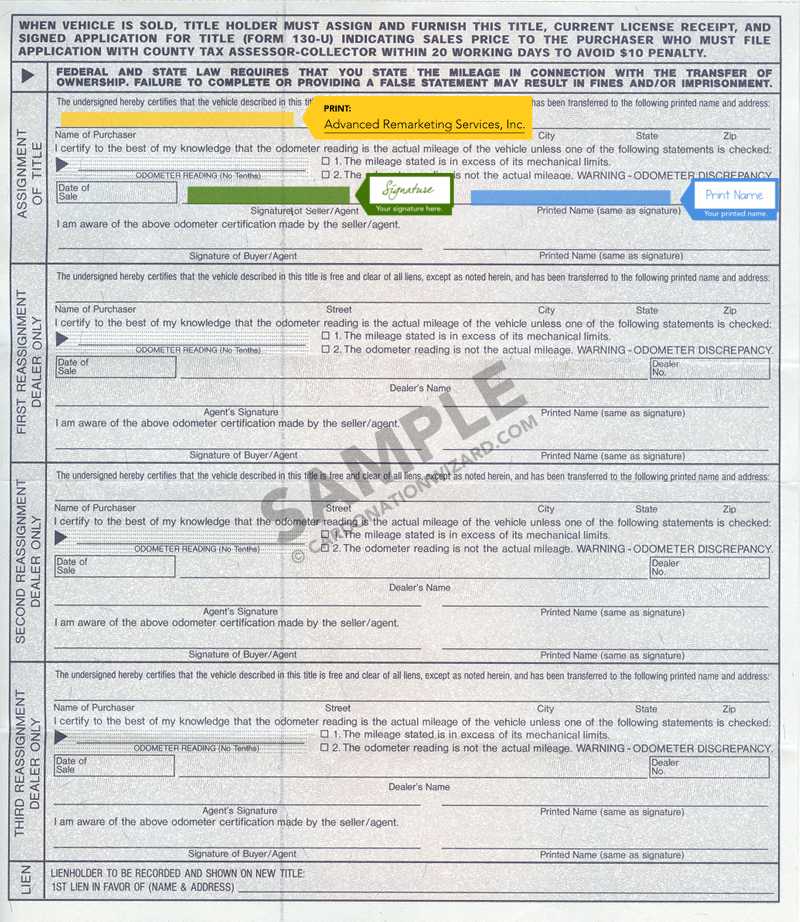
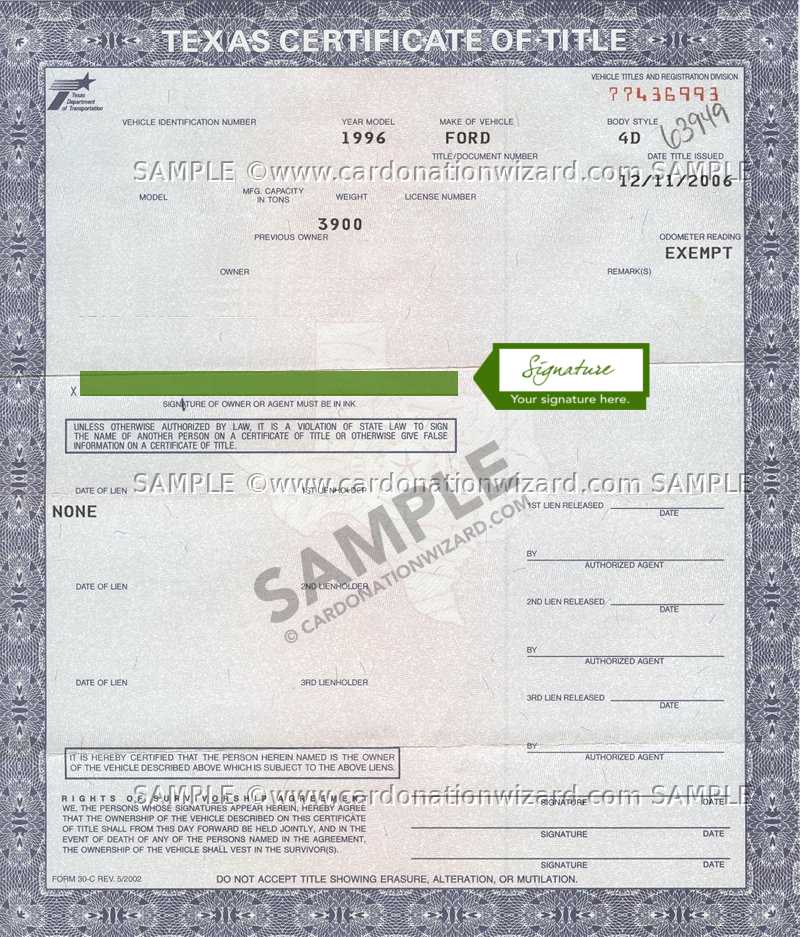
This is the most critical document. The current owner(s) must sign the title over to the new owner(s). Ensure all information on the title is accurate and that there are no liens listed that haven’t been satisfied. If there’s a lienholder noted on the title, they will typically need to sign off on it, indicating the loan has been paid in full, before the transfer can be completed. If you purchased a vehicle from a dealership, they usually handle much of this paperwork, but it’s always wise to verify.
Vehicle Title Application (Form VTR-130-T)
This form is available on the TxDMV website or at your local county tax assessor-collector’s office. Both the buyer and seller will need to complete and sign this application. It includes details about the vehicle, the current owner, the new owner, and the sale price.
Proof of Ownership
The signed title itself serves as the primary proof of ownership. However, in cases where the original title is lost or damaged, you may need to apply for a replacement title through the TxDMV before proceeding with the transfer.
Bill of Sale
While not always mandatory for a title transfer itself if the price is accurately reflected on the title, a bill of sale is highly recommended, especially for private sales. It serves as a legal record of the transaction, detailing the buyer, seller, vehicle information (VIN, make, model, year), sale price, date of sale, and signatures of both parties. This document can be crucial in resolving disputes.
Proof of Texas Vehicle Registration and Insurance
The new owner must obtain valid Texas liability insurance for the vehicle before they can register it and transfer the title. Proof of this insurance will be required at the county tax assessor-collector’s office. If the vehicle is not currently registered, you will need to register it as part of the title transfer process.
Odometer Disclosure Statement
Federal and state laws require an accurate odometer reading at the time of sale. This is typically included on the title or the Vehicle Title Application. Tampering with or misrepresenting the odometer reading is a serious offense.
Identification
Both the buyer and seller will need to present valid government-issued photo identification (e.g., a driver’s license) to verify their identity.
Step-by-Step Guide to Transferring a Car Title in Texas
The actual process of transferring a car title in Texas involves a sequence of actions that must be completed correctly. Following these steps diligently will ensure a smooth transaction.
Step 1: Complete the Required Forms
The buyer and seller must accurately complete the necessary forms. The most critical is the Vehicle Title Application (Form VTR-130-T). Ensure all fields are filled out legibly and accurately. Pay close attention to the Vehicle Identification Number (VIN), make, model, year, and the names and addresses of both parties. If the vehicle has a lien, ensure it is properly released by the lienholder on the title. If the seller is not present, they may grant power of attorney to someone to sign on their behalf, but this requires specific documentation.
Step 2: The Seller’s Responsibilities
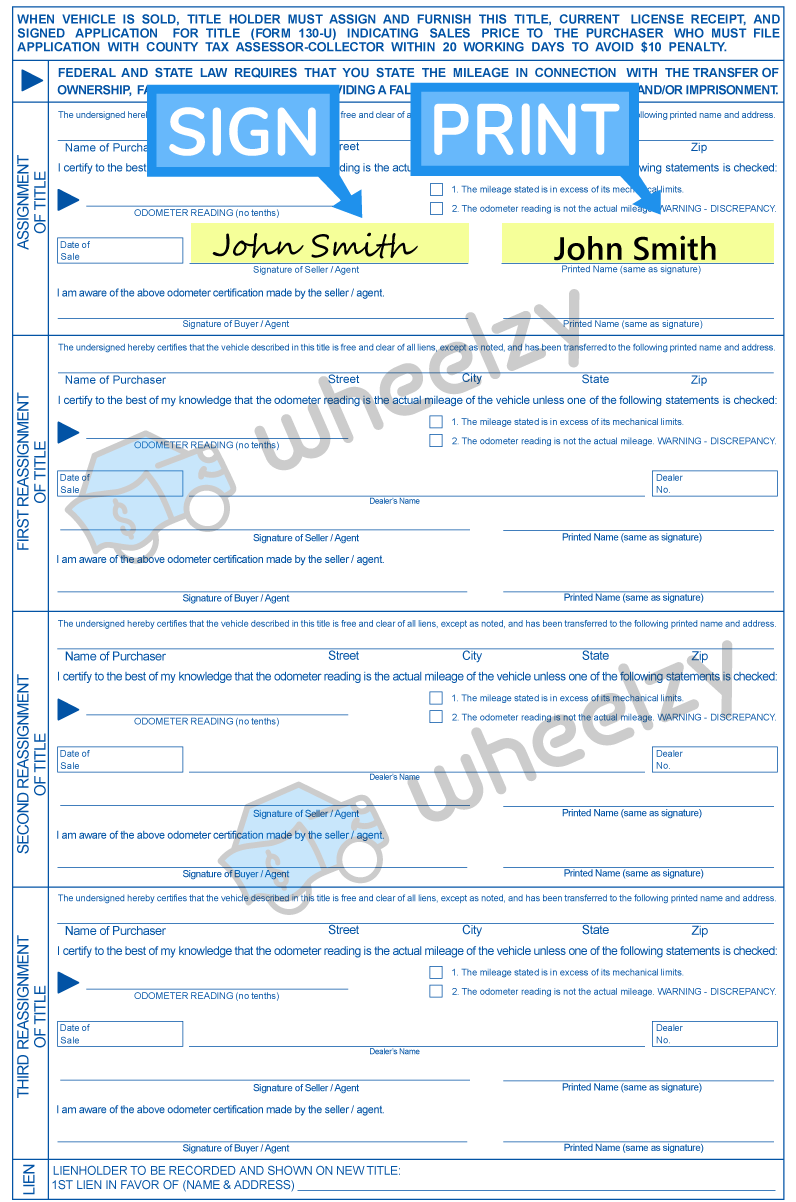
The seller’s primary responsibility is to provide the buyer with a properly assigned title. This means signing the title in the designated section, indicating the sale and transferring ownership to the buyer. They must also accurately record the sale price and mileage. It’s advisable for the seller to keep a copy of the signed title for their records. Additionally, sellers should notify the TxDMV of the sale by submitting a Vehicle Transfer Notification (Form VTR-346). This notification protects the seller from liability for any parking tickets, toll violations, or accidents that occur after the sale.
Step 3: The Buyer’s Responsibilities
The buyer has a more involved set of responsibilities. Within 30 days of purchasing the vehicle, they must submit the completed title application, the signed title, and all other required documents to the county tax assessor-collector’s office. The buyer will also need to:
- Pay Applicable Fees and Taxes: This includes the title transfer fee, registration fees, and sales tax. The amount of sales tax is generally calculated based on the purchase price of the vehicle or its market value, whichever is greater.
- Obtain Proof of Insurance: Valid Texas liability insurance is mandatory.
- Register the Vehicle: If the vehicle is not currently registered, the buyer will register it at this time.
Step 4: Submitting Documents to the County Tax Assessor-Collector
Visit your local county tax assessor-collector’s office. This is where the official transfer of title and registration takes place. Be prepared to present all gathered documents. The clerk will review everything, process the fees and taxes, and issue you a new title and registration. The new title will be mailed to you from the state after processing.
Special Circumstances and Considerations
While the general process is straightforward, certain situations require specific attention. Understanding these nuances can prevent complications and ensure you meet all legal requirements.
Vehicles Purchased from a Dealership
When you purchase a vehicle from a licensed Texas dealership, they typically handle the majority of the title and registration paperwork for you. They will collect the sales tax, title fees, and registration fees and submit them to the county on your behalf. You will usually receive temporary registration and plates, and your new title and permanent registration will be mailed to you directly from the state. Always verify what the dealership has handled and what, if anything, you need to do yourself.
Gifting a Vehicle
If you are gifting a vehicle to a family member or friend, the process is similar to a sale, but the handling of the sale price may differ. For sales tax purposes, if the vehicle is gifted between specific family members (spouse, parent, child, sibling), you may be exempt from paying sales tax. However, you will still need to complete a Vehicle Title Application (Form VTR-130-T) and a Statement of Gifting (Form VTR-274), which is part of the title application. Even with a gift, the title must be legally transferred.
Inheriting a Vehicle
Inheriting a vehicle requires specific documentation. You will need a death certificate of the previous owner and potentially a court order or affidavit of inheritance, depending on whether the estate is being probated. The TxDMV website provides detailed information on the required forms for transferring ownership due to inheritance.
Out-of-State Vehicles
If you are bringing a vehicle from another state into Texas and want to register and title it here, you will need to follow a slightly different process. You will need the vehicle’s out-of-state title, proof of Texas insurance, and a vehicle inspection certificate. Additionally, the vehicle will need to undergo a VIN inspection by a law enforcement officer or authorized VIN inspector. You will then proceed to the county tax assessor-collector’s office with all the necessary documentation, including the completed Vehicle Title Application (Form VTR-130-T).
Liens on the Title
If there is a lien on the title, the lienholder must release their lien before the title can be transferred to a new owner. This is typically done by the lienholder signing a lien release on the existing title or providing a separate lien release document. If the lien has been paid off but not formally released on the title, you may need to obtain a notarized letter from the lienholder confirming the loan has been satisfied.
Common Pitfalls and How to Avoid Them
Even with a clear understanding of the process, mistakes can happen. Being aware of common pitfalls can save you time and frustration when transferring a car title in Texas.
Incomplete or Inaccurate Information
One of the most frequent issues is incomplete or inaccurate information on the application forms or the title itself. Ensure all names are spelled correctly, addresses are current, and the VIN is precise. Any discrepancies can cause the application to be rejected. Double-check all details before submitting.
Missing Signatures
Ensure all required parties have signed the title and application. This includes all owners listed on the title if it’s being sold. If a seller is deceased, specific procedures must be followed, often involving an heir or executor of the estate.
Failure to Submit Within the Deadline
Texas law requires title transfers to be completed within 30 days of the purchase date. Failure to do so can result in penalties and late fees. The seller also has a limited time to submit the Vehicle Transfer Notification.
Not Releasing Liens Properly
If a lien is still active or not properly released on the title, the transfer cannot proceed. It is the seller’s responsibility to ensure any outstanding liens are cleared and documented.
Incorrect Sales Tax Calculation
Sales tax is a significant part of the transaction. Ensure the correct sales tax is calculated and paid based on the purchase price or market value of the vehicle. If the sale price is significantly lower than the market value, the TxDMV may assess sales tax based on the latter.
By thoroughly understanding the requirements and carefully following each step, you can ensure a seamless and efficient car title transfer in Texas, allowing you to legally enjoy your new or newly owned vehicle without unnecessary bureaucratic hurdles.
LifeOutOfTheBox is a participant in the Amazon Services LLC Associates Program, an affiliate advertising program designed to provide a means for sites to earn advertising fees by advertising and linking to Amazon.com. Amazon, the Amazon logo, AmazonSupply, and the AmazonSupply logo are trademarks of Amazon.com, Inc. or its affiliates. As an Amazon Associate we earn affiliate commissions from qualifying purchases.