
The question of whether animal cruelty constitutes a felony in Texas is one that elicits strong emotions and, importantly, requires a clear understanding of the law. For travelers, residents, and anyone concerned with the welfare of animals while visiting or living in the Lone Star State, knowing the legal ramifications is paramount. Texas law has evolved significantly regarding animal protection, moving beyond minor infractions to recognize the severity of certain acts of cruelty. This examination delves into the specifics of Texas statutes, distinguishing between misdemeanors and felonies, and exploring the implications for those who perpetrate or witness animal abuse.
Understanding Texas Animal Cruelty Laws
Texas law categorizes animal cruelty into different levels of offenses, largely dependent on the severity of the act and the intent of the perpetrator. While minor instances might be treated as misdemeanors, more egregious acts can indeed rise to the level of a felony. The Texas Penal Code provides the framework for these classifications, with specific sections dedicated to the protection of animals.
Misdemeanors vs. Felonies in Animal Cruelty Cases
In Texas, animal cruelty can be classified as either a misdemeanor or a felony. The distinction is crucial and is primarily determined by the nature and extent of the harm inflicted upon the animal, as well as the intent of the person committing the act.
Class A Misdemeanor Cruelty
Under Texas Penal Code § 42.09, a person commits an offense if, without justification, they intentionally, knowingly, recklessly, or with criminal negligence, tortures, overworks, or mistreats an animal in a manner that causes it unjustifiable physical pain, suffering, or death. This also extends to failing to provide adequate shelter, food, or water to an animal in the person’s custody. Such an offense is typically a Class A misdemeanor, punishable by a fine of up to $4,000 and/or jail time of up to one year. This classification applies to a wide range of actions, from neglect to direct physical abuse that doesn’t meet the higher felony threshold. For instance, a pet owner in Austin who fails to adequately feed or provide water for their dog, leading to severe emaciation, could be charged with a Class A misdemeanor. Similarly, leaving an animal in a vehicle in extreme heat without ventilation, resulting in distress, would likely fall under this category.
Felony Cruelty Charges
The law escalates animal cruelty to a felony in more severe circumstances, specifically when an individual intentionally or knowingly tortures an animal or causes serious bodily injury to an animal. This is defined as a felony of the third degree. The penalties for a third-degree felony include imprisonment for two to ten years and/or a fine of up to $10,000.
Furthermore, Texas Penal Code § 42.092 addresses “Cruelty to Livestock Animals” and “Cruelty to Non-Livestock Animals.” For non-livestock animals, such as pets, a third-degree felony is charged if the person:
- Intentionally, knowingly, or recklessly tortures an animal or causes serious bodily injury to an animal.
- Causes the death of an animal by intentionally, knowingly, or recklessly torturing the animal.
A second-degree felony offense for animal cruelty occurs if the person has been previously convicted of an animal cruelty offense under this section and commits another offense under this section. This carries a prison sentence of two to twenty years and/or a fine of up to $10,000.
Exceptions and Defenses
It is important to note that Texas law includes certain exceptions. For instance, lawful hunting, trapping, and fishing activities conducted in accordance with Texas Parks and Wildlife regulations are not considered animal cruelty. Similarly, generally accepted veterinary practices, scientific research conducted under humane conditions, and the humane euthanasia of animals by authorized individuals are also exempt.
Notable Cases and Enforcement
The enforcement of animal cruelty laws in Texas is a complex undertaking involving law enforcement agencies, animal control officers, and dedicated animal welfare organizations. While specific high-profile cases can sometimes go unnoticed by the general public, the legal framework is in place to prosecute those who inflict harm on animals.
The Role of Law Enforcement and Animal Control
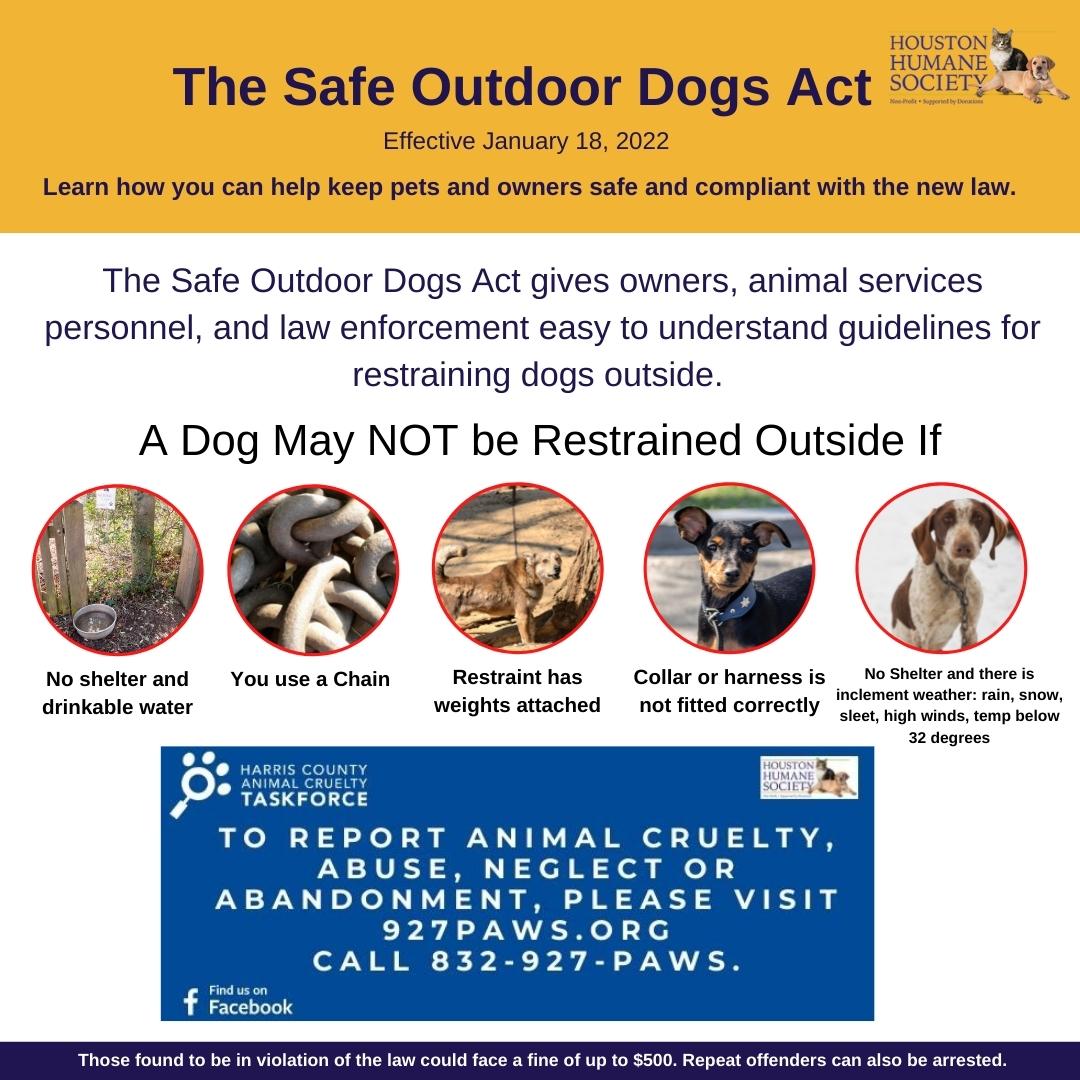
In most Texas cities, including Houston and Dallas, animal control departments play a critical role in responding to complaints of animal abuse and neglect. They are often the first responders, investigating reports and gathering evidence. Depending on the severity of the situation, they may work in conjunction with local police departments or county sheriffs’ offices to file charges.
The Texas Department of Public Safety also has a role in investigating animal cruelty, particularly in cases that cross jurisdictional lines or involve organized criminal activity. The Texas Humane Society and numerous local rescue groups tirelessly advocate for stricter enforcement and provide resources for reporting and rescuing abused animals across the state, from the plains of West Texas to the beaches of Galveston.
Impact on Travelers and Tourists
For visitors to Texas, understanding these laws is not just a matter of civic duty but also a way to ensure responsible tourism. Respecting local laws, even those pertaining to animals, is a fundamental aspect of ethical travel. If a traveler witnesses an act of animal cruelty while visiting a popular destination like the San Antonio Riverwalk or attending a rodeo in Fort Worth, they should know how to report it. Typically, this involves contacting local animal control or the police department. Providing clear details about the location, the animal involved, and the nature of the observed cruelty will aid authorities in their investigation.
Reporting Animal Cruelty in Texas
Knowing how to report suspected animal cruelty is vital for anyone concerned about animal welfare in Texas. Prompt reporting can make a significant difference in rescuing an animal from a dangerous situation and holding the perpetrator accountable.
Steps to Take When Witnessing Cruelty
If you witness an act of animal cruelty in Texas, the following steps are recommended:
- Assess the Situation Safely: Ensure your own safety before intervening or approaching the situation.
- Gather Information: Note the exact location, date, and time of the incident. If possible, document the circumstances, including descriptions of the animal(s), the alleged perpetrator, and any vehicles involved. Taking photos or videos can be helpful, but only if it can be done safely and without escalating the situation.
- Contact Local Authorities:
- Animal Control: Most cities and counties have dedicated animal control services. This is often the primary agency to contact for non-emergency animal cruelty situations.
- Police Department or Sheriff’s Office: For immediate threats, severe abuse, or if animal control is unavailable, contact your local police department or county sheriff. In an emergency, dial 911.
- Provide Detailed Information: When you call, be prepared to provide all the information you have gathered. The more details you can offer, the more effectively the authorities can investigate.
- Follow Up (If Necessary): If you do not see any action taken or if the situation is ongoing, you may consider following up with the agency you contacted.
The Importance of Documentation
Thorough documentation is crucial for any animal cruelty investigation. This can include:
- Photographs and Videos: Visual evidence of the animal’s condition, the living environment, and the alleged abuse.
- Witness Statements: If there are other witnesses, their accounts can strengthen a case.
- Veterinary Records: If an animal is examined by a veterinarian, their findings can provide critical evidence of abuse or neglect.
Animal Welfare Organizations and Advocacy
Beyond legal statutes and enforcement, a robust network of animal welfare organizations and advocates works tirelessly to protect animals in Texas. These groups are instrumental in rescuing animals, providing rehabilitation, educating the public, and lobbying for stronger animal protection laws.
Support and Resources
Organizations such as the SPCA of Texas and Austin Pets Alive! provide essential services, including rescue operations, adoption programs, and community outreach. They often work closely with law enforcement and can offer valuable resources and guidance to individuals concerned about animal welfare. These organizations also play a significant role in advocating for legislative changes that enhance animal protection, ensuring that the laws in Texas continue to evolve to reflect a growing societal understanding of animal sentience and the need for robust safeguards. Their efforts contribute to making Texas a safer place for all its inhabitants, including its non-human ones, by promoting responsible pet ownership and combating animal cruelty in all its forms, from the bustling streets of El Paso to the quiet ranches of the Panhandle.
Conclusion: A Evolving Landscape of Animal Protection
In conclusion, the answer to “Is Animal Cruelty A Felony In Texas?” is unequivocally yes, under specific circumstances. Texas law recognizes that certain acts of cruelty, particularly those involving intentional torture or serious bodily injury to animals, are serious offenses deserving of felony charges. This legal framework, coupled with the dedicated efforts of law enforcement and animal welfare organizations, reflects a growing commitment to protecting animals from abuse and neglect. For anyone living in or visiting Texas, understanding these laws and knowing how to report suspected cruelty is an essential part of contributing to a more humane and compassionate society for all creatures. The legal landscape of animal protection in Texas is dynamic, continually adapting to better safeguard the welfare of animals.
LifeOutOfTheBox is a participant in the Amazon Services LLC Associates Program, an affiliate advertising program designed to provide a means for sites to earn advertising fees by advertising and linking to Amazon.com. Amazon, the Amazon logo, AmazonSupply, and the AmazonSupply logo are trademarks of Amazon.com, Inc. or its affiliates. As an Amazon Associate we earn affiliate commissions from qualifying purchases.