
Austin, Texas, often touted as the “Live Music Capital of the World,” is a city that sparks considerable debate and intrigue when considering it as a place to call home. Its reputation precedes it, painting a vibrant picture of a progressive, culturally rich, and economically booming metropolis. But beyond the accolades and the undeniable allure, what is it truly like to establish roots in this dynamic Texan city? Delving into the facets of life in Austin reveals a multifaceted experience, shaped by its unique culture, burgeoning economy, distinct lifestyle, and the ever-present considerations of cost of living and community.
The Austin Vibe: Culture and Lifestyle
At its core, Austin is defined by its eclectic and fiercely independent spirit. This spirit manifests in its thriving arts scene, its dedication to outdoor recreation, and its famously laid-back, yet forward-thinking, atmosphere. The city’s commitment to live music is more than just a moniker; it’s a way of life. Venues like the Continental Club and the Broken Spoke are institutions, hosting everything from legendary honky-tonk to cutting-edge indie rock. Beyond music, Austin boasts a burgeoning culinary landscape, celebrated for its innovative food trucks, authentic Tex-Mex, and a growing fine-dining scene.
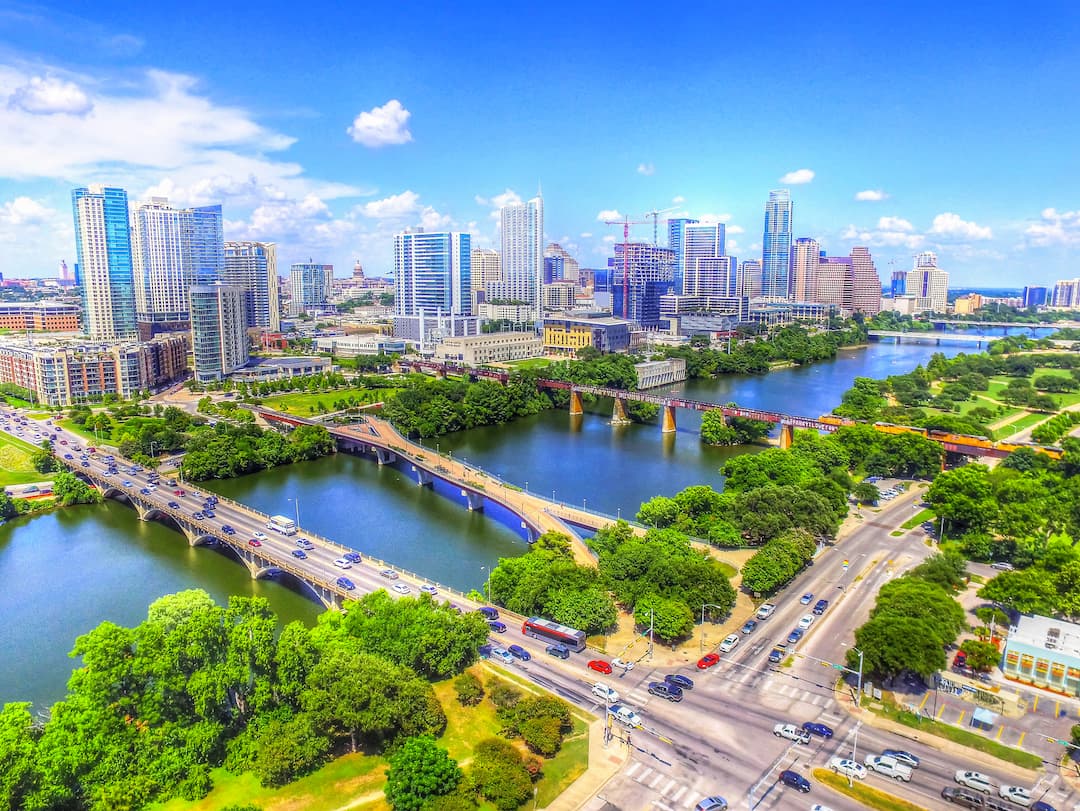
The city’s proximity to nature is another significant draw. Zilker Park, a sprawling urban oasis, offers ample space for recreation, from picnicking and swimming in Barton Creek Pool to attending the iconic Austin City Limits Music Festival. The Lady Bird Lake Hike-and-Bike Trail provides a scenic escape for runners, cyclists, and walkers, offering stunning views of the city skyline. This emphasis on outdoor activity contributes to a generally healthy and active lifestyle for its residents.
A Hub for Innovation and Technology
Austin has experienced a dramatic economic transformation in recent decades, largely driven by the growth of its technology sector. Often referred to as “Silicon Hills,” the city has attracted major tech giants like Dell, Apple, Google, and Facebook, as well as a vibrant ecosystem of startups. This influx of tech companies has created a robust job market, particularly for those in engineering, software development, and related fields. The presence of major universities like the University of Texas at Austin further fuels this innovation, providing a steady stream of talent and research.
The economic boom, while offering significant opportunities, has also contributed to rising living costs, a point of contention for many long-time residents and newcomers alike. Nonetheless, the city’s commitment to fostering a diverse economy, extending beyond tech into areas like government, education, and creative industries, provides a degree of resilience and a broad spectrum of employment possibilities.
Navigating the Cost of Living in Austin
The question of whether Austin is a “nice” place to live is inextricably linked to its cost of living, which has become a defining characteristic in recent years. Property values and rental rates have surged, making it one of the more expensive cities in Texas and the nation. The median home price has climbed considerably, outpacing wage growth for many. This affordability challenge is a significant factor for individuals and families considering a move to the city.
Housing Market Dynamics
The rapid growth of Austin has placed immense pressure on its housing market. Demand consistently outstrips supply, leading to bidding wars and a fast-paced real estate environment. While the city offers a diverse range of housing options, from historic bungalows in older neighborhoods to modern apartments in downtown high-rises, affordability remains a primary concern. Many residents find themselves commuting from surrounding suburbs, such as Round Rock or Georgetown, to find more affordable housing, though this too is becoming increasingly expensive.

Everyday Expenses
Beyond housing, other everyday expenses in Austin can also be higher than in many other parts of Texas. Groceries, utilities, and transportation costs are generally in line with national averages, but can feel more substantial when combined with high housing expenditures. However, the availability of free outdoor activities, a robust public transportation system (though still developing), and numerous cost-effective entertainment options can help to offset some of these expenses. The abundance of food trucks, for instance, offers a more budget-friendly dining alternative to traditional restaurants.
Community and Diversity in Austin
Austin prides itself on its progressive and inclusive atmosphere, a stark contrast to some of its more conservative Texan neighbors. The city has a strong sense of community, often characterized by its friendly demeanor and a shared appreciation for its unique culture. This is reflected in its numerous neighborhood events, farmers’ markets, and community gardens, which foster local connections and a sense of belonging.
A Melting Pot of Ideas and People
The demographic makeup of Austin is increasingly diverse, attracting people from all walks of life and corners of the globe. This diversity contributes to the city’s rich cultural tapestry, evident in its varied culinary offerings, artistic expressions, and social discourse. The city is a known haven for LGBTQ+ individuals and families, with a vibrant and visible community. This spirit of acceptance and inclusivity is a significant factor for many who choose to make Austin their home.
Challenges to Inclusivity
Despite its progressive reputation, Austin faces challenges in maintaining its inclusive identity. The rapid influx of new residents, particularly those from more affluent backgrounds, has led to concerns about gentrification and the displacement of long-time residents, particularly within historically Black and Latino neighborhoods. The rising cost of living exacerbates these issues, making it harder for lower and middle-income individuals and families to remain in the city. Efforts are underway to address these challenges, but it remains an ongoing conversation and a critical aspect of Austin’s evolving identity.

Conclusion: Is Austin the Right Fit for You?
Ultimately, whether Austin is a “nice” place to live is a subjective question, dependent on individual priorities, financial situations, and lifestyle preferences. For those drawn to a vibrant cultural scene, a booming job market in the technology sector, and a progressive, outdoor-oriented lifestyle, Austin offers a compelling proposition. The city’s energy, its unique blend of creativity and innovation, and its commitment to individuality are undeniable attractions.
However, potential residents must also be prepared to navigate the realities of its high cost of living, particularly concerning housing. The rapid growth and economic prosperity that make Austin so attractive also present significant challenges to affordability and can impact the city’s once-accessible charm. It is a city in constant evolution, striving to balance its rapid expansion with its core values.
A thorough understanding of these dynamics is crucial for anyone contemplating a move. Visiting the city, exploring different neighborhoods, and speaking with residents can provide invaluable insights. For those who can embrace its dynamic nature and its evolving landscape, Austin can indeed be a wonderfully rewarding place to live, offering a unique and engaging experience in the heart of Texas.
LifeOutOfTheBox is a participant in the Amazon Services LLC Associates Program, an affiliate advertising program designed to provide a means for sites to earn advertising fees by advertising and linking to Amazon.com. Amazon, the Amazon logo, AmazonSupply, and the AmazonSupply logo are trademarks of Amazon.com, Inc. or its affiliates. As an Amazon Associate we earn affiliate commissions from qualifying purchases.