
The Lone Star State, a place synonymous with vast ranches, independent spirit, and a distinctive cultural tapestry, also grapples with a complex and often debated aspect of its legal system: capital punishment. Texas has long been at the forefront of implementing the death penalty, a practice that elicits strong opinions and significant national attention. Understanding the legality of capital punishment in Texas is not just a matter of legal technicality but also an exploration of the state’s historical, social, and ethical landscape.
The Legal Framework of Capital Punishment in Texas
Capital punishment, or the death penalty, is unequivocally legal in Texas. It is a key component of the state’s criminal justice system, reserved for the most egregious offenses, primarily first-degree murder under specific aggravating circumstances. The legal basis for capital punishment is deeply rooted in both federal and state law.
Constitutional Authority
The United States Supreme Court has affirmed the constitutionality of capital punishment, provided it is administered fairly and without cruel and unusual punishment, as prohibited by the Eighth Amendment. This foundational ruling allows individual states to enact and implement death penalty statutes. Texas, like several other states, has exercised this authority.
Texas Statutes and Penal Code
In Texas, capital punishment is governed by specific provisions within the Texas Penal Code. The definition of a “capital offense” is critical. Generally, a person commits a capital felony if they commit murder and one or more of the following circumstances exist:
- The murder was committed during the commission or attempted commission of a felony, such as kidnapping, burglary, robbery, aggravated sexual assault, arson, or obstruction of a highway.
- The murder was committed for remuneration, or the person hired another to commit the murder.
- The murder was committed for the purpose of escaping detention or preventing the arrest or incarceration of himself or another for an offense.
- The murder was committed by an inmate who was under sentence of life imprisonment for a felony.
- The murder was committed by a person who has been convicted of murder or another capital felony.
- The murder was committed against a peace officer, judge, or correctional officer while engaged in the performance of official duties, or in retaliation for or on account of the officer’s performance of official duties.
- The murder was committed during the commission of a terroristic act.
These criteria are designed to narrow the scope of capital offenses, ensuring that the death penalty is reserved for the most severe cases. The determination of whether a crime warrants capital punishment is made through a bifurcated trial process.
The Bifurcated Trial Process
The legal process for a capital case in Texas is a two-stage proceeding, known as a bifurcated trial.
Stage One: Guilt/Innocence Determination
In the first stage, the jury hears evidence and determines whether the defendant is guilty of the capital offense. This phase is similar to a regular felony trial, focusing on establishing the facts of the crime and the defendant’s culpability. If the jury finds the defendant not guilty, the death penalty is not an option.
Stage Two: Penalty Phase
If the defendant is found guilty of a capital offense, the trial proceeds to the second stage: the penalty phase. In this phase, the jury hears additional evidence, including arguments for and against the imposition of the death penalty. The prosecution typically presents evidence of the defendant’s future dangerousness and the heinousness of the crime, while the defense may present evidence of mitigating factors, such as mental illness, intellectual disability, or a history of abuse.
Crucially, in Texas, the jury must answer two specific questions during the penalty phase:
- Future Dangerousness: Is there a probability that the defendant would commit criminal acts that would constitute a continuing threat to society?
- Mitigating Circumstances: Whether, taking into consideration all the evidence, including the circumstances of the offense, the defendant’s character and background, and the personal moral culpability of the defendant, there is a sufficient mitigating circumstance to warrant that a sentence of life imprisonment rather than a death sentence be imposed?
If the jury unanimously answers “yes” to the future dangerousness question and “no” to the mitigating circumstances question, the judge is then required by law to sentence the defendant to death. If the jury fails to reach a unanimous decision on either of these questions, the judge must sentence the defendant to life imprisonment without parole. This unanimity requirement is a significant safeguard within the capital punishment process.
Historical Context and Trends
Texas has a long and prominent history with capital punishment. Since the reinstatement of the death penalty nationwide in 1976, Texas has consistently led the country in the number of executions carried out. This statistic often places the state at the center of national debates surrounding the death penalty’s morality, effectiveness, and fairness.
Evolution of the Death Penalty in Texas
The practice of capital punishment in Texas has evolved over time, reflecting societal changes and legal challenges. Methods of execution have varied, from hanging to electrocution and, most recently, lethal injection. Lethal injection became the primary method of execution in Texas in 1976.

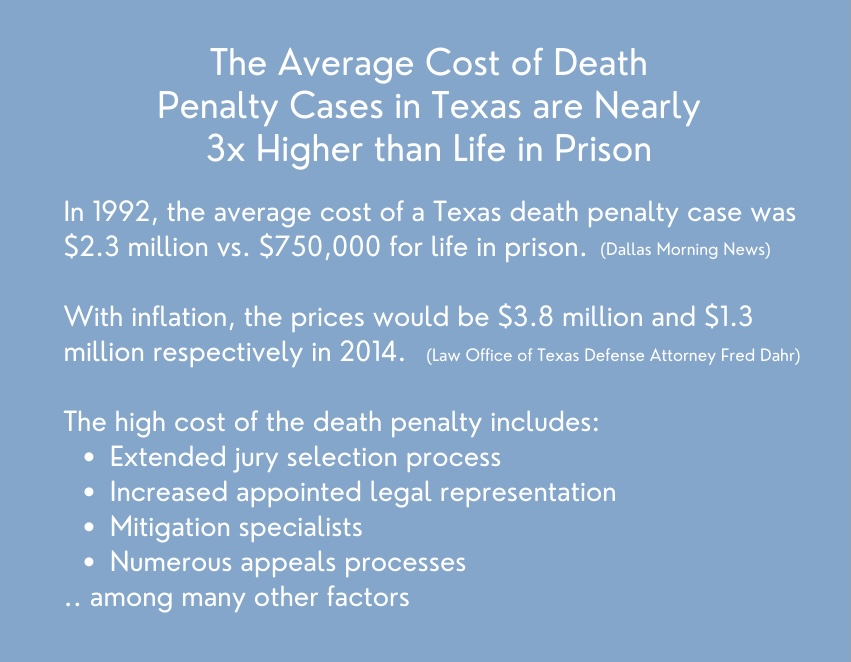
The state’s robust use of the death penalty has been driven by a combination of factors, including legislative will, public opinion, and the specific nature of crimes committed within its borders. Advocates for capital punishment often cite its deterrent effect and its role in delivering justice for victims and their families. Opponents, conversely, raise concerns about the risk of executing innocent individuals, racial disparities in sentencing, the high cost of capital cases, and the ethical implications of state-sanctioned killing.
National Impact and Public Opinion
Texas’s approach to capital punishment has a significant impact on the national conversation. The state’s sheer volume of executions often shapes the broader debate and influences legal challenges to the death penalty. Public opinion in Texas has historically shown strong support for capital punishment, though this support has seen fluctuations over the decades, mirroring national trends towards greater skepticism.
The ongoing discussion involves legal scholars, human rights organizations, religious groups, and the general public, all contributing to the complex dialogue surrounding the death penalty’s place in a modern justice system.
Legal Challenges and Safeguards
Despite its legality, capital punishment in Texas is subject to numerous legal challenges and safeguards designed to ensure fairness and prevent irreversible errors. These challenges are often at the heart of appeals and post-conviction reviews.
Appeals and Post-Conviction Review
Once a death sentence is imposed, the defendant enters a lengthy and complex appeals process. This process involves multiple levels of review, from state appellate courts to federal courts. The appeals focus on various potential errors, including:
- Ineffective assistance of counsel.
- Issues with jury selection.
- Improper admission or exclusion of evidence.
- Constitutional violations during the trial or sentencing.
- Newly discovered evidence that may prove innocence.
The writ of habeas corpus is a critical tool in post-conviction review, allowing individuals to challenge the legality of their detention. In capital cases, these reviews are particularly thorough due to the finality of the death penalty.
Innocence and Wrongful Convictions
A significant concern surrounding capital punishment is the risk of executing an innocent person. While Texas has mechanisms in place to prevent this, the possibility remains a potent argument for abolitionists. The Texas Innocence Project and other organizations work to identify and exonerate individuals who have been wrongfully convicted, including those on death row. The development of DNA testing technology has played a crucial role in overturning wrongful convictions, and in several instances, it has led to the exoneration of individuals sentenced to death in Texas.
Mental Health and Intellectual Disability
Legal precedent from the United States Supreme Court prohibits the execution of individuals with intellectual disabilities. Texas law and judicial decisions have incorporated this prohibition, establishing procedures for determining intellectual disability in capital defendants. Similarly, the mental state of a defendant at the time of the offense and their competency to stand trial are critical considerations that can impact the imposition of a death sentence.
The Future of Capital Punishment in Texas
The debate over capital punishment in Texas is ongoing, and its future remains a subject of intense discussion and potential change. Several factors are likely to influence its trajectory.
Legislative and Judicial Influence
Legislative sessions in Texas can and sometimes do consider bills related to capital punishment, ranging from expanding its application to restricting or abolishing it. Judicial decisions, both at the state and federal levels, can also set new precedents that shape how capital punishment is applied, potentially leading to further limitations or modifications.
Shifting Public Opinion and Societal Values
As societal values evolve and new information emerges regarding the death penalty’s efficacy and fairness, public opinion can shift. A sustained trend towards greater skepticism or opposition could eventually translate into legislative action or judicial reconsideration. The growing number of states that have abolished capital punishment, alongside national trends towards criminal justice reform, may also exert pressure on Texas to re-evaluate its stance.

International Comparisons
Globally, there is a trend towards abolition of the death penalty. Many developed nations have done away with capital punishment. While Texas operates within the legal framework of the United States, international perspectives on human rights and justice can sometimes influence domestic discussions and policies.
In conclusion, capital punishment is legal in Texas, governed by a detailed legal framework and subject to a rigorous, albeit complex, judicial process. The state’s long-standing application of the death penalty ensures its continued prominence in discussions about justice, punishment, and human rights within the United States.
LifeOutOfTheBox is a participant in the Amazon Services LLC Associates Program, an affiliate advertising program designed to provide a means for sites to earn advertising fees by advertising and linking to Amazon.com. Amazon, the Amazon logo, AmazonSupply, and the AmazonSupply logo are trademarks of Amazon.com, Inc. or its affiliates. As an Amazon Associate we earn affiliate commissions from qualifying purchases.