
Understanding the legal ramifications of actions that put a child at risk is paramount for residents and visitors alike in Texas. The question of whether child endangerment constitutes a felony in the Lone Star State is a critical one, impacting families, communities, and those involved in child welfare. This exploration delves into the specifics of Texas law, clarifying the severity of such offenses and the potential legal consequences.
Defining Child Endangerment in Texas
Child endangerment, broadly defined, refers to any act or omission that exposes a child to a substantial risk of harm, either physical or mental. In Texas, this concept is enshrined within the state’s penal code, primarily under statutes related to child endangerment and child abuse. The law seeks to protect minors, who are considered vulnerable and incapable of protecting themselves from dangerous situations.

Key Elements of the Offense
To be convicted of child endangerment in Texas, the prosecution must typically prove beyond a reasonable doubt that:
- A child was in the person’s care, custody, or control.
- The person knowingly engaged in conduct that placed the child in imminent danger of death, bodily injury, or serious mental deficiency, impairment, or injury.
- The conduct was intentional or knowing.
The definition of “danger” is broad and can encompass a wide range of scenarios. It’s not limited to direct physical abuse but extends to situations where a child is left unsupervised in a hazardous environment, exposed to illegal drug use, or subjected to neglect that compromises their well-being.
Scope of “Child”
In Texas, a “child” is legally defined as a person under 18 years of age who is not and has not ever been married or been the subject of a court order under Chapter 264 of the Texas Family Code relating to a child before the court. This broad definition underscores the state’s commitment to protecting all individuals below the age of majority from endangerment.
Felony Classifications and Penalties in Texas
The classification of child endangerment as a felony in Texas depends on the severity of the circumstances and the specific charges filed by prosecutors. While some instances might be treated as misdemeanors, many forms of child endangerment are indeed classified as felonies, carrying significant penalties.
Misdemeanor vs. Felony Charges
- Class A Misdemeanor: Certain lesser offenses of child endangerment, often involving less severe risk or a lack of intent to cause serious harm, might be charged as a Class A misdemeanor. Penalties for a Class A misdemeanor can include up to one year in county jail and a fine of up to $4,000.
- Third-Degree Felony: More serious offenses, where substantial risk of serious bodily injury or death is evident, are typically charged as a third-degree felony. Conviction for a third-degree felony can result in imprisonment for two to ten years and a fine of up to $10,000.
- Second-Degree Felony: If the child endangerment results in serious bodily injury to the child, the offense can be elevated to a second-degree felony. Penalties can include imprisonment for two to twenty years and a fine of up to $10,000.
- First-Degree Felony: The most severe charges, often involving intentional or knowing acts that lead to the death of the child or a pattern of extreme endangerment, can be prosecuted as first-degree felonies. This carries a potential prison sentence of five to 99 years or life, along with a fine of up to $10,000.
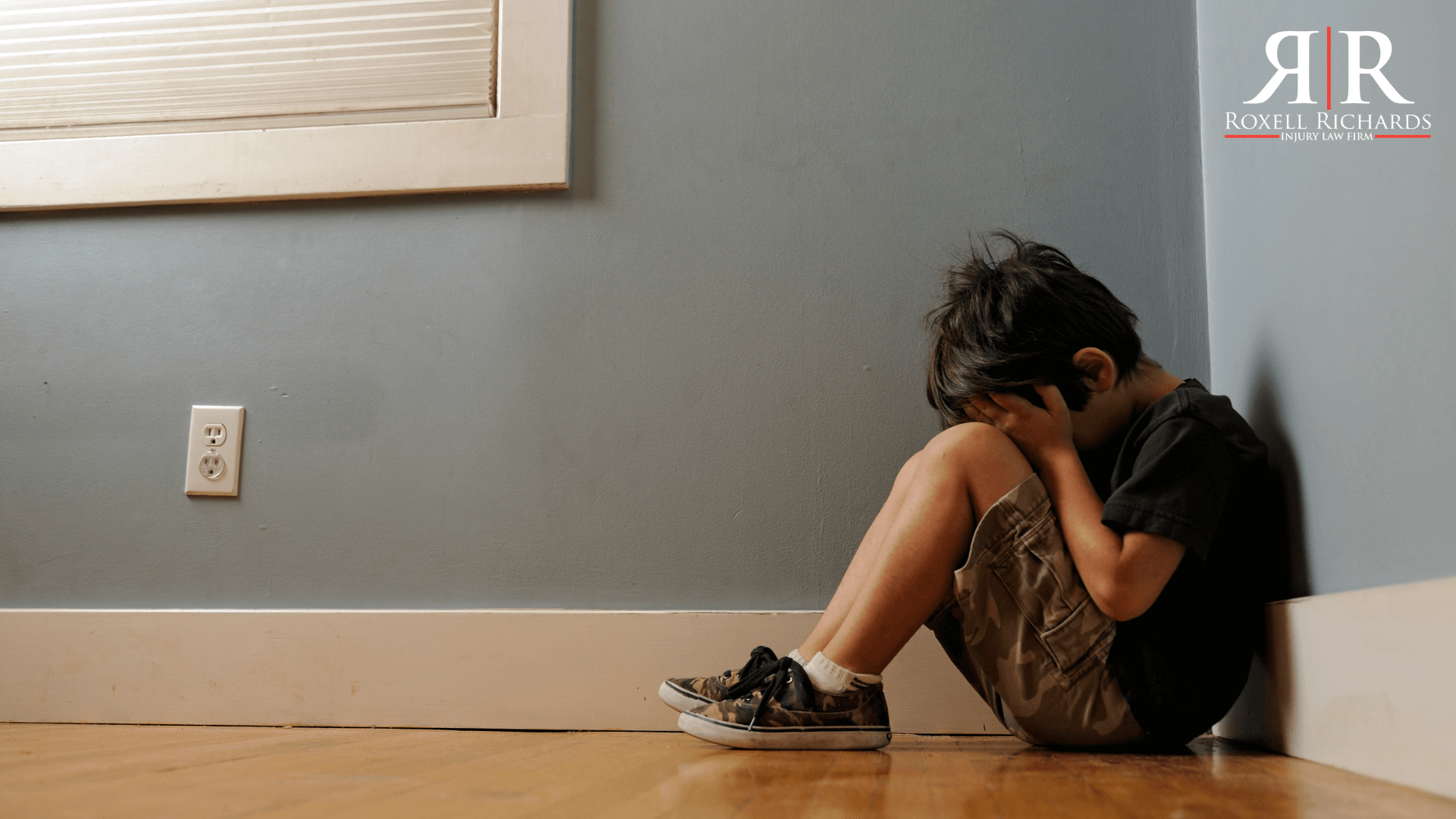
The specific classification is determined by the prosecutor based on the evidence, the degree of risk to the child, and any resulting harm.
Common Scenarios Leading to Child Endangerment Charges
Understanding the types of situations that can lead to child endangerment charges is crucial for prevention and awareness. These scenarios often arise from neglect, recklessness, or the presence of dangerous elements within a child’s environment.
Examples of Endangering Situations
- Substance Abuse in the Home: Allowing a child to be present in a home where illegal drugs are manufactured or used, or where there is significant alcohol abuse that impairs a caregiver’s ability to provide adequate supervision, can constitute child endangerment. This includes leaving a child with an intoxicated caregiver.
- Unsafe Living Conditions: Housing a child in an environment that is unsanitary, infested with pests, or poses physical hazards such as exposed wiring, unsecured firearms, or easily accessible toxic substances.
- Neglectful Supervision: Leaving young children unsupervised for extended periods, particularly in situations where they are vulnerable to accidents or exploitation. This can include leaving them in a car unattended or allowing them to wander in dangerous areas.
- Exposure to Violence: Exposing a child to domestic violence or other violent criminal activity within the home can be considered child endangerment, as it can cause significant mental and emotional harm.
- Improper Transportation: Operating a motor vehicle while intoxicated with a child in the vehicle, or using improper safety restraints, can lead to endangerment charges, especially if an accident occurs.
- Medical Neglect: Failing to seek necessary medical attention for a child’s serious illness or injury, leading to worsening conditions or permanent harm.
The Role of Intent and Knowledge
While some endangerment cases involve direct intent to harm, many hinge on the caregiver’s knowledge of the risk and their failure to act reasonably to mitigate it. For instance, knowingly leaving a firearm accessible to a young child, even without intending for the child to use it, can be sufficient for an endangerment charge if the child is subsequently harmed. The legal standard often focuses on whether a reasonable person would have recognized the danger and taken steps to prevent it.
Legal Defenses and Considerations
Facing child endangerment charges in Texas is a serious matter, and individuals accused often seek legal counsel to navigate the complex legal landscape. Several defenses may be available, depending on the specifics of the case.
Potential Defenses
- Lack of Knowledge or Intent: The defense may argue that the accused did not know, and could not reasonably have known, about the dangerous situation or that their actions did not constitute a knowing placement of the child in danger.
- Reasonable Care: In some instances, the defense might demonstrate that the caregiver took all reasonable steps to ensure the child’s safety, and the incident was an unforeseen accident despite their best efforts.
- False Accusations: If the charges stem from a dispute or an accusation made by another party, the defense may aim to disprove the credibility of the accuser or present evidence that contradicts the allegations.
- Misinterpretation of Actions: The actions that led to the charges might be subject to interpretation. A defense attorney can work to reframe these actions in a less incriminating light.

The Importance of Legal Representation
Given the severe penalties associated with felony child endangerment charges, including lengthy prison sentences and a permanent criminal record, obtaining experienced legal representation is crucial. An attorney specializing in Texas criminal defense can:
- Investigate the facts of the case thoroughly.
- Advise on the strengths and weaknesses of the prosecution’s evidence.
- Negotiate with prosecutors for potential plea bargains.
- Build a robust defense strategy.
- Represent the accused in court proceedings.
The legal system in Texas places a high priority on child protection. Understanding the seriousness of child endangerment and the potential for felony charges is vital for all citizens to ensure the safety and well-being of children.
LifeOutOfTheBox is a participant in the Amazon Services LLC Associates Program, an affiliate advertising program designed to provide a means for sites to earn advertising fees by advertising and linking to Amazon.com. Amazon, the Amazon logo, AmazonSupply, and the AmazonSupply logo are trademarks of Amazon.com, Inc. or its affiliates. As an Amazon Associate we earn affiliate commissions from qualifying purchases.