
Navigating the legal landscape of cannabis consumption, particularly when traveling, can be a complex endeavor. For those planning a visit to the Lone Star State, understanding the current regulations surrounding marijuana is paramount to avoiding unintended legal entanglements. While Texas has seen some shifts in its cannabis laws in recent years, the reality for recreational marijuana users remains largely unchanged: possession and consumption are generally illegal and can lead to significant penalties. This guide aims to provide a clear overview of the legal status of smoking weed in Texas, distinguishing between different types of cannabis products and offering insights for travelers.
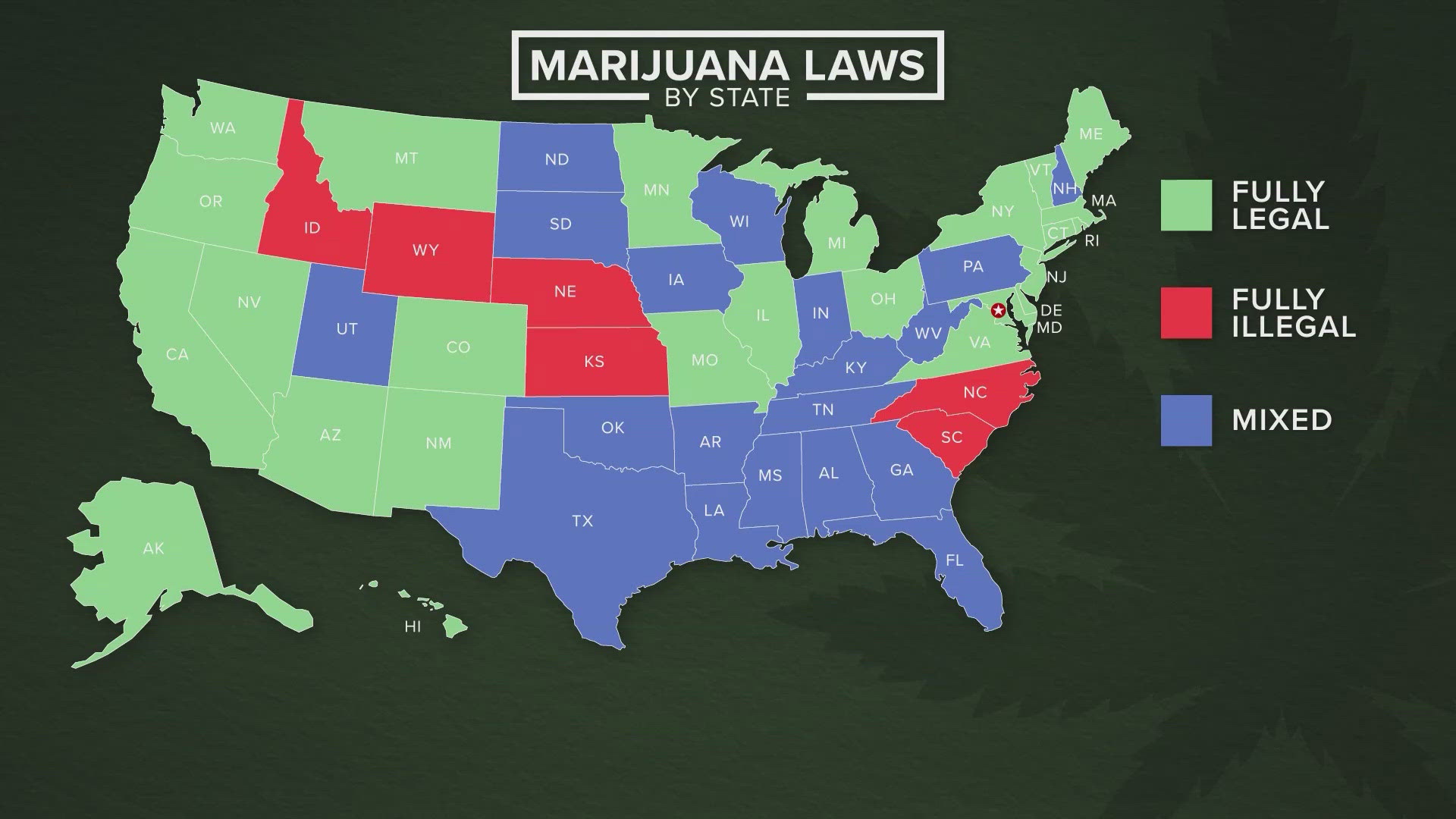
Understanding Texas’s Cannabis Laws
Texas operates under some of the strictest cannabis laws in the United States. Unlike many other states that have legalized recreational or medical marijuana, Texas has taken a more conservative approach. The primary piece of legislation governing controlled substances in the state is the Texas Controlled Substances Act. This act classifies cannabis, commonly referred to as marijuana or weed, as a Schedule VI controlled substance, making its possession, cultivation, and distribution illegal.
Recreational Marijuana
For the vast majority of visitors and residents, recreational marijuana remains illegal in Texas. This means that possessing, using, or distributing any amount of marijuana for non-medical purposes can result in criminal charges. The penalties vary depending on the quantity of marijuana involved.
- Small Amounts: Possession of less than two ounces of marijuana can be classified as a Class B misdemeanor. A conviction for a Class B misdemeanor can lead to fines of up to $2,000 and jail time of up to 180 days. This is a significant consequence for what many might consider a minor offense in other jurisdictions.
- Larger Amounts: As the quantity of marijuana increases, so do the penalties. Possession of two to four ounces is typically a Class A misdemeanor, carrying potential jail time of up to one year and fines up to $4,000. For amounts exceeding four ounces, charges escalate to felony offenses, with penalties ranging from state jail felonies to first-degree felonies, resulting in substantial prison sentences and hefty fines.
- Intent to Distribute: Even small amounts of marijuana can lead to more severe charges if law enforcement believes there is intent to distribute. Factors such as the presence of packaging materials, scales, or larger quantities can contribute to such charges.
It is crucial for travelers to be aware that ignorance of the law is not a valid defense. Even if you are visiting from a state where marijuana is legal, Texas laws will apply once you are within its borders. This means that bringing any cannabis products into Texas, even if legally purchased elsewhere, can lead to arrest and prosecution.
Medical Marijuana
Texas has a limited medical marijuana program, established by the Texas Compassionate Use Program (TCUP). However, this program is significantly more restrictive than those found in many other states.
- Qualifying Conditions: TCUP allows patients with certain low-THC cannabis prescriptions to obtain medication. The qualifying conditions are strictly defined and include epilepsy and other seizure disorders, multiple sclerosis, spasticity, amyotrophic lateral sclerosis, autism, terminal cancer, and incurable neurological diseases.
- Low-THC Definition: The law defines “low-THC cannabis” as cannabis that contains no more than 0.5% tetrahydrocannabinol (THC) by weight. This means that the products available through the medical program are not designed for the psychoactive effects typically associated with recreational marijuana.
- Prescription and Dispensing: Patients must be a resident of Texas and receive a prescription from a physician registered with the Compassionate Use Registry of Texas (CURT). The prescription can then be filled at one of the state’s licensed dispensaries.
For travelers who may have a medical marijuana prescription from another state, it is important to understand that Texas does not recognize out-of-state medical marijuana cards or prescriptions. Therefore, even individuals with a legitimate medical need and prescription from their home state cannot legally obtain or use low-THC cannabis in Texas under the TCUP.

Navigating Texas Without Violating Cannabis Laws
Given the stringent laws, travelers visiting Texas should exercise extreme caution regarding cannabis. The most straightforward advice is to avoid possessing or consuming any form of marijuana while in the state.
What Travelers Need to Know
- No Legal Recreational Use: Reiterate that recreational marijuana is illegal for all individuals in Texas, regardless of age or residency.
- Strict Penalties: Be aware that penalties for possession can be severe, including significant fines and jail time. These penalties can have long-lasting effects on your travel plans, future employment, and immigration status if you are not a U.S. citizen.
- No Recognition of Out-of-State Medical Cards: If you are traveling from a state with a medical marijuana program, your out-of-state medical cannabis card will not be recognized in Texas.
- THC Vapes and Edibles: The legality of THC-infused products, including vapes and edibles, mirrors that of marijuana itself. Unless they are specifically prescribed under Texas‘s low-THC program and obtained from a licensed dispensary, they are illegal. This includes products that may be derived from hemp but contain THC, such as Delta-8 THC, which has been a subject of legal debate and varying interpretations. While some lower-THC products might exist in a legal gray area, relying on such interpretations for travel is risky.
- Airport and Border Security: Airports within Texas, such as Dallas/Fort Worth International Airport or Houston George Bush Intercontinental Airport, are subject to federal law enforcement. While marijuana may be legal in some states, it remains illegal under federal law. Therefore, possession of any amount of marijuana at an airport can lead to federal charges. Similarly, crossing state lines with marijuana is a federal offense.
Alternatives and Considerations
For travelers seeking relaxation or alternative experiences while in Texas, several options exist that do not involve cannabis. The state boasts a rich cultural tapestry, vibrant cities like Austin and San Antonio, and numerous outdoor attractions like Big Bend National Park.
- Exploring Local Culture: Immerse yourself in Texas‘s unique culture. Visit historical sites like the Alamo in San Antonio, explore the live music scene in Austin, or discover the art galleries and museums in Dallas or Houston.
- Culinary Delights: Texas is renowned for its distinct cuisine. Enjoy authentic Tex-Mex, savor world-class barbecue, and explore the diverse culinary landscape of its major cities. From food trucks to fine dining, there are plenty of gastronomic adventures to be had.
- Outdoor Activities: For nature enthusiasts, Texas offers a wide range of activities. Hike or camp in its state parks, explore the scenic beauty of the Hill Country, or enjoy water sports on its many lakes.
- CBD Products: While THC-containing products are generally illegal, Texas has a more permissive stance on hemp-derived cannabidiol (CBD) products, provided they contain less than 0.3% THC. These products are often available in health stores and online. However, it is always advisable to verify the specific THC content and local regulations regarding CBD before purchasing or consuming any such products.
The Evolving Legal Landscape
It is important to note that the legal status of cannabis is a dynamic issue across the United States, and Texas is not immune to ongoing discussions and potential legislative changes. While comprehensive legalization of recreational marijuana does not appear imminent in Texas, there have been legislative efforts and public debates surrounding the issue.
- Legislative Proposals: In past legislative sessions, bills have been introduced to decriminalize or further expand the medical marijuana program. However, these proposals have faced significant opposition and have not yet passed into law.
- Public Opinion: Public opinion on marijuana legalization is evolving, and Texas is gradually seeing a shift, though it remains more conservative compared to national trends.
- Future Possibilities: As more states legalize cannabis, Texas may eventually face increased pressure to reconsider its policies. However, for the foreseeable future, travelers should operate under the assumption that smoking weed in Texas remains illegal.
Staying informed about potential legislative changes is advisable for frequent travelers or those with a particular interest in Texas cannabis law. However, for immediate travel planning, adhering to the current laws is the safest course of action.

Conclusion for Travelers
For anyone planning a trip to Texas, the message regarding marijuana is clear: it is illegal to smoke weed recreationally. The state’s laws are strictly enforced, and the consequences for possession can be severe. Understanding these regulations is crucial to ensure a safe and enjoyable visit. By respecting Texas‘s laws and exploring the many legal and exciting activities the state has to offer, travelers can have a memorable experience without encountering legal trouble related to cannabis. Always err on the side of caution and abstain from possessing or consuming marijuana while in Texas.
LifeOutOfTheBox is a participant in the Amazon Services LLC Associates Program, an affiliate advertising program designed to provide a means for sites to earn advertising fees by advertising and linking to Amazon.com. Amazon, the Amazon logo, AmazonSupply, and the AmazonSupply logo are trademarks of Amazon.com, Inc. or its affiliates. As an Amazon Associate we earn affiliate commissions from qualifying purchases.