
Navigating the diverse legal landscape of Texas can be a complex endeavor, especially when it comes to activities that intersect with public spaces and local ordinances. For travelers and residents alike, understanding the legality of certain behaviors is crucial for a smooth and lawful experience. Among these frequently asked questions is whether panhandling is illegal in the Lone Star State. The answer, much like many legal questions, is nuanced and depends heavily on the specific municipality and the context of the solicitation.
While there is no statewide ban on panhandling in Texas, individual cities and counties have enacted their own ordinances. These local laws can range from outright prohibitions in certain areas to regulations concerning the manner and location of solicitation. This patchwork of rules means that what might be permissible in one Texas city could be considered a violation in another. This guide aims to shed light on these regulations, offering insights for those visiting or residing in Texas, particularly in major urban centers.

The Legal Framework: State vs. Local Authority
The concept of regulating public solicitation in Texas primarily resides with local governments. The state legislature has generally deferred to cities and counties to manage public order and safety within their jurisdictions. This delegation of authority has led to a variety of approaches across Texas.
State-Level Considerations
At the state level, the focus is less on outright prohibition and more on addressing associated issues. For instance, laws exist regarding aggressive panhandling, which often involves intimidation, harassment, or impeding the flow of traffic. These provisions are intended to protect the public from undue pressure or danger, rather than to criminalize the act of asking for assistance itself. The distinction is important: while asking for money is not inherently illegal statewide, the method of asking can be.
Municipal Ordinances: A Mosaic of Rules
The real complexity arises when examining the ordinances of individual Texas cities. Major metropolitan areas like Dallas, Houston, San Antonio, and Austin have all grappled with this issue and have implemented specific regulations.
- Dallas: In Dallas, for example, ordinances often target panhandling in specific zones, such as near ATMs, parking meters, or in the roadway. These rules are designed to prevent disruptions to commerce and ensure pedestrian and vehicular safety. The Dallas City Code outlines restrictions that are enforced by local law enforcement.
- Houston: Houston has also seen various ordinances debated and enacted over the years. Historically, Houston has had regulations that define aggressive solicitation and prohibit panhandling in certain congested areas. The specifics of these regulations can evolve, making it important for individuals to be aware of the current Houston Police Department guidelines.
- San Antonio: San Antonio‘s approach has similarly focused on public safety and the prevention of nuisance activities. Ordinances may restrict where and how panhandling can occur, often with an emphasis on not blocking public access or engaging in aggressive tactics.
- Austin: Austin has experienced significant legal challenges and changes regarding its panhandling ordinances. Following court decisions, particularly those that consider such ordinances as infringing upon free speech rights, Austin has had to adjust its regulations. The city’s current approach often emphasizes less restrictive measures, focusing on public safety without a broad ban.
Understanding these local variations is paramount. A tourist exploring downtown Austin might encounter different rules than someone visiting the Arts District in Dallas. The interpretation and enforcement of these ordinances can also vary, adding another layer of complexity.
Defining “Panhandling” and “Aggressive Panhandling”
To grasp the legality, it’s essential to define what constitutes panhandling and, more critically, aggressive panhandling. Generally, panhandling is the act of soliciting money or other donations from strangers in public places. However, the legal interpretation often hinges on whether the solicitation is deemed “aggressive.”
Aggressive Panhandling: A Common Focus
Many Texas cities have laws specifically targeting aggressive panhandling. While definitions vary, common elements include:
- Physical Contact: Touching or grabbing the person being solicited.
- Verbal Harassment: Using offensive, abusive, or threatening language.
- Intimidation or Coercion: Making someone feel threatened or forced to give money.
- Obstruction: Blocking the path of a pedestrian or vehicle, or preventing access to a building or service.
- Persistent Solicitation: Continuing to solicit after being clearly refused.
- Solicitation Near Specific Locations: Panhandling too close to ATMs, bus stops, public transportation entrances, or in roadway medians where it poses a safety risk.
If a panhandler’s actions fall into these categories, they are more likely to face legal consequences, even in cities with more lenient general panhandling rules. These laws are not typically aimed at the act of asking itself, but at the behavior that infringes upon the rights and safety of others.
Free Speech Considerations
The debate around panhandling is also intertwined with First Amendment rights, specifically freedom of speech. Courts have, in many instances, recognized that soliciting money can be a form of expression. This has led to legal challenges against overly broad bans on panhandling. As a result, many Texas cities have had to craft ordinances that are narrowly tailored to address public safety and order without unduly restricting protected speech. This means that while a city can regulate how and where solicitation occurs, a complete ban on simply asking for help is often difficult to uphold legally.
Navigating Texas Cities: Practical Advice for Travelers
For visitors to Texas, understanding these nuances can help avoid uncomfortable situations or unintended legal entanglements. While the primary focus is often on the legality of panhandling itself, it’s also about being aware of the broader urban environment.
Awareness of Local Ordinances
The most crucial piece of advice is to be aware that ordinances differ from city to city. Before arriving in a new Texas city, a quick online search for “[City Name] panhandling laws” can provide valuable insights. Many city government websites offer accessible information on local codes and regulations.
Observing Surroundings
When in public spaces, whether it’s the bustling streets of Downtown Houston, the historic Riverwalk in San Antonio, or the vibrant entertainment districts of Austin, pay attention to the general atmosphere and any posted signs. These can often indicate restricted areas or specific rules.
Understanding the Distinction
It’s important to differentiate between someone passively asking for help and someone engaging in aggressive behavior. While observing the latter might be concerning, understanding the legal framework helps to contextualize it. Most travelers will not encounter aggressive panhandling, but being informed is always beneficial.
Focus on Travel Experiences
When planning a trip to Texas, the focus should remain on the incredible travel experiences the state offers. From exploring the historic Alamo in San Antonio to enjoying the live music scene in Austin, or visiting the Museum District in Houston, there is a wealth of culture and activity to discover. Understanding local laws related to public conduct, including panhandling, is simply a part of being a responsible and informed traveler.
Common Scenarios and Legal Interpretations
To further clarify the legal landscape, let’s consider some common scenarios encountered in Texas cities.
Scenario 1: A Person Sitting on a Sidewalk with a Sign
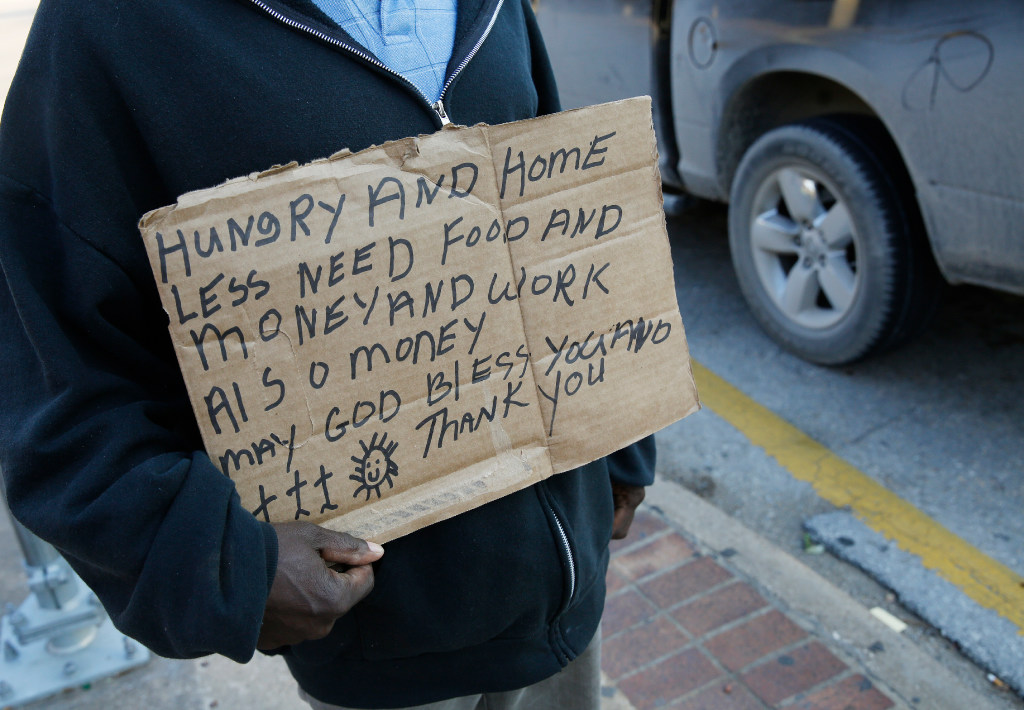
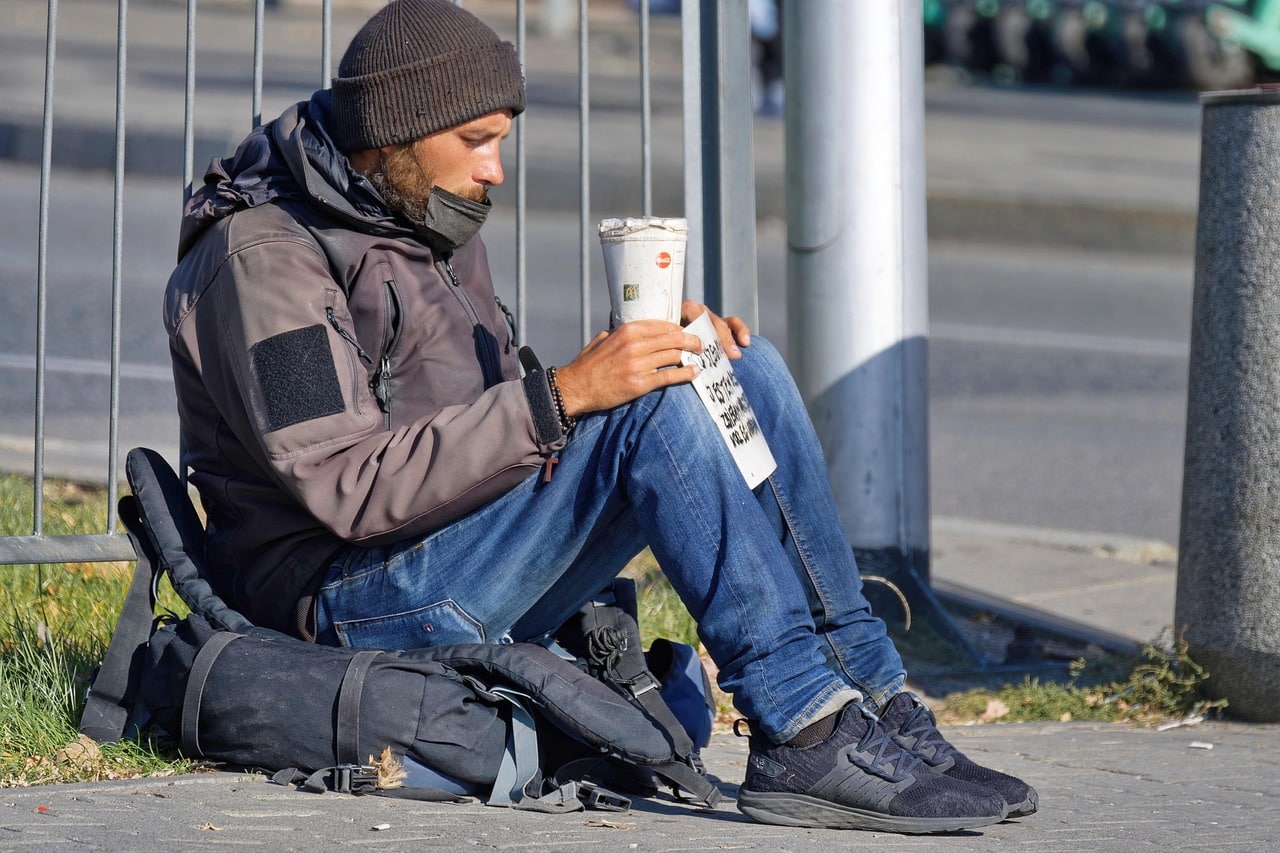
In most Texas cities, a person passively sitting on a public sidewalk with a sign requesting donations, without blocking pedestrian traffic or engaging in any form of harassment, is generally not violating the law. This is often protected under free speech principles. However, some ordinances might still restrict panhandling in specific downtown business districts or near certain commercial establishments, even if the solicitation is passive.
Scenario 2: Panhandling in Traffic
Soliciting money from drivers in active traffic lanes, especially on busy highways or major intersections, is almost universally prohibited across Texas. This is due to significant safety concerns. Drivers are focused on traffic, and approaching vehicles can lead to accidents, injuries, or fatalities. Cities often have explicit ordinances against this, and it falls under the category of potentially dangerous or disruptive behavior.
Scenario 3: Panhandling Outside a Private Business
The rules can become more complex when panhandling occurs immediately outside the entrance of a private business, such as a Starbucks or a Walmart. While public sidewalks are generally subject to city ordinances, businesses often have the right to control access to their private property. If a panhandler is on private property without permission, or is obstructing access to the business, the business owner or manager can typically ask them to leave and may involve law enforcement.
Scenario 4: Aggressive Tactics
Any instance where panhandling involves the behaviors described earlier (touching, threats, intimidation, blocking access, persistent refusal) is likely to be considered aggressive panhandling. Law enforcement officers have the authority to issue citations or make arrests in such cases, regardless of the specific city’s general panhandling rules.
Conclusion: A Matter of Local Governance and Conduct
In conclusion, the question “Is Panhandling Illegal In Texas?” does not have a simple yes or no answer. There is no blanket state law prohibiting it. Instead, the legality is determined by the specific ordinances of individual Texas cities and counties, and critically, by the conduct of the person soliciting.
While basic, non-disruptive solicitation is often protected as a form of expression, aggressive tactics, solicitation in dangerous locations like roadways, or actions that obstruct public access or private property rights are subject to legal penalties. For travelers exploring the vibrant cities and diverse attractions of Texas, staying informed about local regulations and observing public behavior is key to a respectful and lawful visit. The focus of Texas law is consistently on maintaining public safety and order, and these principles guide the regulation of panhandling across the state. Whether you are enjoying the cultural riches of San Antonio, the culinary delights of Houston, or the unique vibe of Austin, understanding these local legalities contributes to a more informed and positive travel experience.
LifeOutOfTheBox is a participant in the Amazon Services LLC Associates Program, an affiliate advertising program designed to provide a means for sites to earn advertising fees by advertising and linking to Amazon.com. Amazon, the Amazon logo, AmazonSupply, and the AmazonSupply logo are trademarks of Amazon.com, Inc. or its affiliates. As an Amazon Associate we earn affiliate commissions from qualifying purchases.