
The designation of a city as “sanctuary” is a complex one, often carrying significant political and social weight, and sometimes, a degree of misunderstanding. When the question arises, “Is San Antonio, Texas a Sanctuary City?”, it’s essential to delve beyond simple labels and explore the city’s actual policies, practices, and the broader context of immigration and law enforcement. While San Antonio is a vibrant and historically rich destination, its approach to immigration enforcement and its relationship with federal agencies is what truly defines its stance.
Understanding the “Sanctuary City” Debate
The term “sanctuary city” doesn’t have a single, universally agreed-upon legal definition. Generally, it refers to a municipality that limits its cooperation with federal immigration enforcement agents, particularly when it comes to the detention or deportation of undocumented immigrants. This often translates into policies that prohibit local law enforcement from inquiring about an individual’s immigration status or holding individuals solely on the basis of a federal detainer request without a judicial warrant.

The debate surrounding these policies is multifaceted. Proponents argue that such policies foster trust between immigrant communities and local law enforcement, encouraging reporting of crimes and improving public safety. They emphasize that local police resources are better utilized for local concerns rather than federal immigration enforcement. Critics, however, contend that these policies obstruct federal law, can lead to the release of individuals who may pose a risk to public safety, and encourage further undocumented immigration.
It is crucial to note that “sanctuary city” is often a political descriptor rather than a formal legal classification. Many cities that are labeled as such do not explicitly declare themselves as such. Instead, their policies and actions lead to this designation. The specific nature of cooperation (or lack thereof) between local law enforcement and federal agencies like Immigration and Customs Enforcement (ICE) is the primary determinant.
Legal Frameworks and Local Ordinances
The question of whether San Antonio is a sanctuary city hinges on its adherence to or deviation from specific federal mandates and the presence of local ordinances that might influence cooperation with federal immigration authorities.
In Texas, the landscape has been particularly active regarding immigration policies. In 2017, Texas passed Senate Bill 4 (SB4), a controversial law that sought to penalize “sanctuary cities” by fining them and prohibiting local law enforcement from adopting policies that restrict enforcement of immigration laws. This law aimed to compel local law enforcement to comply with federal immigration detainers and to inquire about the immigration status of individuals they lawfully detain.
SB4 faced significant legal challenges and was temporarily blocked by federal courts. However, after a lengthy legal battle, aspects of the law were allowed to take effect, creating a complex legal environment for cities within Texas. This legislation significantly impacted the ability of Texas cities to limit their cooperation with federal immigration enforcement.
San Antonio’s Stance on Immigration Enforcement
When examining San Antonio, it’s important to understand the specific directives and practices of its law enforcement agencies. The San Antonio Police Department (SAPD) and the Bexar County Sheriff’s Office operate under the laws of the state of Texas and federal mandates.
Historically, like many large cities, San Antonio has aimed for a balance between public safety and community relations. However, the passage and subsequent legal battles surrounding SB4 have placed significant constraints on any local policies that might be construed as restrictive of immigration enforcement. The law generally prohibits local jurisdictions from preventing their peace officers from cooperating with federal immigration enforcement or from establishing policies that forbid the inquiry of immigration status.
Therefore, while San Antonio may not have explicitly declared itself a “sanctuary city” in a way that would contravene state law, its law enforcement agencies are largely bound by the state’s directives. This means that they are expected to cooperate with federal immigration officials to a greater extent than might be the case in states or cities with more permissive policies.
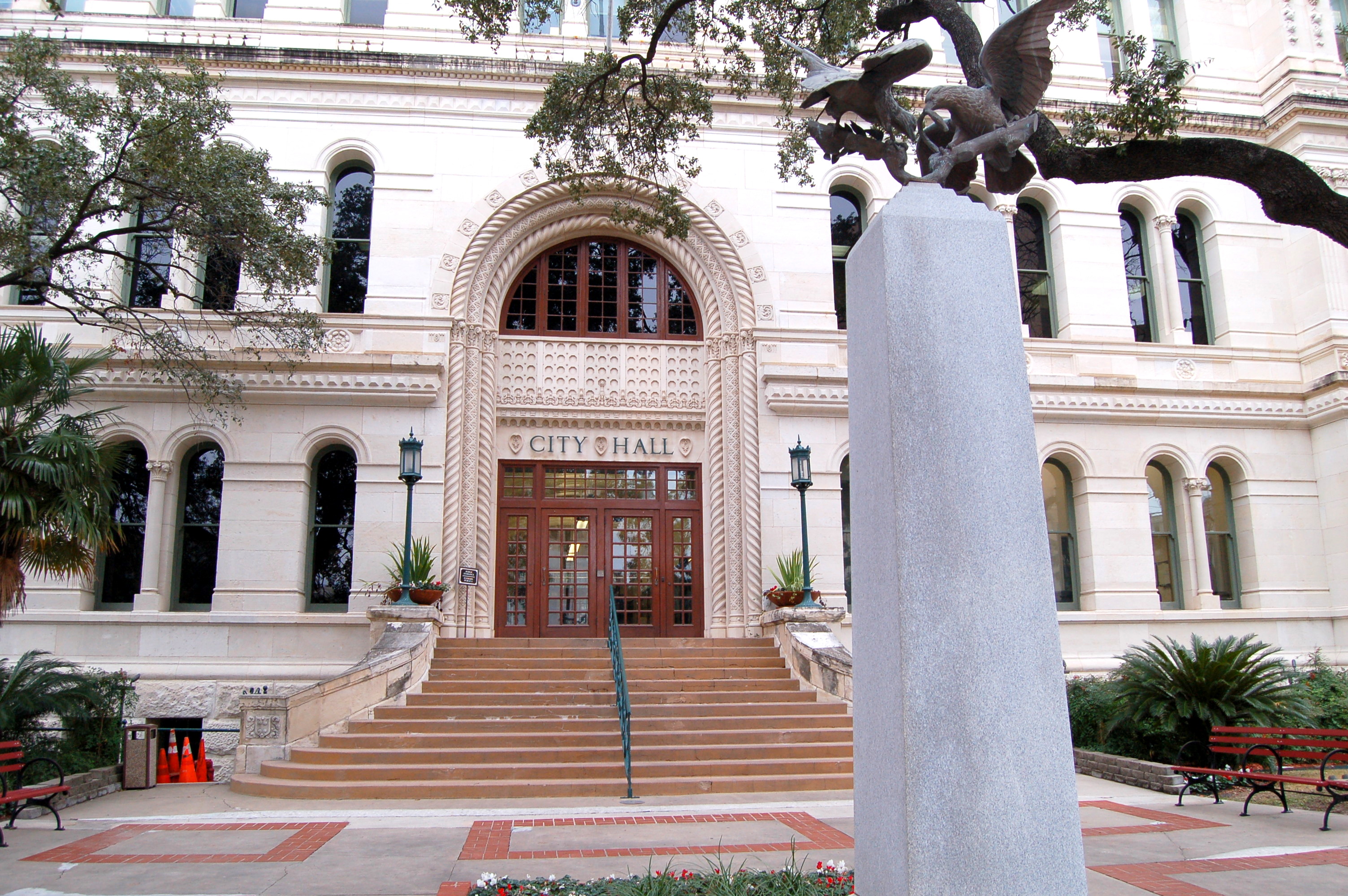
Cooperation with Federal Agencies
The degree of cooperation between local law enforcement and federal agencies is a key indicator. In Texas, due to SB4 and related directives, local law enforcement agencies are generally required to honor federal immigration detainers when they are accompanied by a judicial warrant or sufficient probable cause as defined by federal law. They may also be required to notify ICE when an individual in their custody is scheduled to be released.
The San Antonio Police Department and the Bexar County Sheriff’s Office have publicly stated their adherence to state law. This implies a level of cooperation with federal immigration enforcement that is mandated by the state, rather than voluntarily restricted by local policy. The nuances here are critical: a city might not actively seek out undocumented immigrants, but it is largely prohibited from actively shielding them from federal authorities.
Community Impact and Perceptions
Regardless of the legal and policy definitions, the perception of a city’s stance on immigration can significantly impact its communities, particularly immigrant populations. In cities where there is a perception of limited cooperation with federal immigration authorities, immigrant communities may feel more comfortable reporting crimes or engaging with local authorities without fear of reprision related to their immigration status.
In San Antonio, a city with a rich Hispanic heritage and a significant immigrant population, this dynamic is particularly relevant. While the legal framework may mandate a certain level of cooperation, community leaders and advocates often work to ensure that local law enforcement interactions remain professional and respectful, aiming to build trust where possible.
However, the broader political climate surrounding immigration and the enforcement of laws like SB4 can create an environment of fear and uncertainty for some residents. This can affect their willingness to access essential services, participate in civic life, or report incidents, even if the direct policies of local law enforcement are not the primary source of concern.
The Tourist Experience in San Antonio
For visitors, the “sanctuary city” debate is unlikely to directly impact their travel experience in San Antonio. The city remains a premier tourist destination, renowned for its historic sites, vibrant culture, and culinary scene.
Visitors can explore the iconic Alamo, stroll along the picturesque River Walk, and immerse themselves in the rich history of the Spanish missions, a UNESCO World Heritage Site. The city offers a plethora of attractions, from world-class museums like the San Antonio Museum of Art to lively entertainment districts.
The policies surrounding immigration enforcement are a matter of governance and law, distinct from the day-to-day experiences of tourists. Visitors will find San Antonio to be a welcoming city, eager to share its unique heritage and attractions. The focus for travelers remains on exploring the city’s cultural tapestry, enjoying its diverse cuisine, and discovering its historical significance.

Conclusion: A Nuanced Reality
In conclusion, the question of whether San Antonio, Texas is a “sanctuary city” is not a simple yes or no answer. Legally and operationally, the city is significantly influenced by the state of Texas and its stringent immigration enforcement laws, particularly SB4. These laws generally mandate cooperation with federal immigration authorities and limit the ability of local law enforcement to enact policies that would restrict such cooperation.
Therefore, by many common definitions of a “sanctuary city” — particularly those that emphasize a deliberate restriction of cooperation with federal immigration enforcement — San Antonio does not fit the mold as clearly as cities in states with different legislative approaches. Its actions are largely dictated by state law, which compels a higher degree of cooperation than is found in jurisdictions that actively seek to limit it.
However, it is always crucial to look at specific policies and their implementation rather than relying solely on labels. For the purposes of travel and tourism, San Antonio remains a captivating destination, offering a wealth of historical, cultural, and recreational experiences that draw visitors from around the globe. The complexities of its immigration policies do not detract from the city’s appeal as a place to explore, celebrate, and enjoy.
LifeOutOfTheBox is a participant in the Amazon Services LLC Associates Program, an affiliate advertising program designed to provide a means for sites to earn advertising fees by advertising and linking to Amazon.com. Amazon, the Amazon logo, AmazonSupply, and the AmazonSupply logo are trademarks of Amazon.com, Inc. or its affiliates. As an Amazon Associate we earn affiliate commissions from qualifying purchases.