
Texas, a state synonymous with vast landscapes, a booming economy, and a fierce independent spirit, is increasingly turning its gaze towards the sun for its energy needs. The question of whether solar power is a worthwhile investment in the Lone Star State is a complex one, involving a confluence of environmental considerations, economic incentives, and the unique energy landscape of Texas. For homeowners, businesses, and even tourists considering an extended stay or investing in property, understanding the nuances of solar adoption is paramount.
The Sunshine State’s Solar Potential
Texas boasts an incredible amount of sunshine, a fundamental prerequisite for effective solar energy generation. With an average of over 200 sunny days per year across much of the state, the potential for harnessing solar power is immense. From the arid West Texas plains to the humid Gulf Coast, the sun consistently shines, offering a reliable and abundant renewable energy source.
Geographic Advantages and Insolation Rates
The sheer size of Texas means that insolation rates – the measure of solar radiation received on a given surface – vary, but remain generally high. West Texas, in particular, offers some of the highest insolation rates in the United States, making it an ideal location for large-scale solar farms. However, even densely populated areas like Dallas and Houston receive ample sunlight for residential and commercial rooftop installations to be highly effective. The flat, open terrain in many parts of the state also simplifies the installation of solar arrays, whether they are small residential systems or sprawling utility-scale projects.
Environmental Imperatives
Beyond the sheer availability of sunshine, the environmental benefits of solar power are a significant driver for its adoption in Texas. As a state with a large energy consumption footprint, transitioning to cleaner energy sources is crucial for reducing greenhouse gas emissions and combating climate change. Solar power offers a path towards energy independence and a more sustainable future, aligning with the growing global awareness of environmental responsibility. This is particularly relevant for eco-conscious travelers and residents who prioritize sustainability in their choices.
Economic Viability: Costs, Incentives, and ROI
The economic aspect is often the deciding factor for individuals and businesses considering solar. While the upfront cost of solar panel installation can seem substantial, a variety of factors make it increasingly attractive in Texas.
Declining Panel Costs and Technological Advancements
The cost of solar photovoltaic (PV) panels has plummeted over the last decade due to technological advancements and increased manufacturing scale. This has made solar power more accessible than ever before. Furthermore, the efficiency of solar panels has improved, meaning fewer panels are needed to generate the same amount of electricity, further reducing installation costs and the physical footprint required. This makes it a more feasible option for properties of all sizes, from small vacation rentals in the Texas Hill Country to larger commercial operations.
Federal and State Incentives
While Texas does not offer a state-wide solar tax credit, homeowners and businesses can still benefit from the Federal Investment Tax Credit (ITC). This credit allows individuals to deduct a percentage of the cost of their solar energy system from their federal taxes. The ITC has been instrumental in driving solar adoption across the country, including in Texas.
Additionally, many local municipalities and utility companies in Texas offer their own incentives, such as property tax exemptions for solar installations or rebates. Some electricity providers, particularly those with renewable energy portfolios, may offer net metering programs. Net metering allows solar system owners to receive credits on their electricity bills for the excess energy their panels send back to the grid. The specific policies vary significantly by utility, so researching options with your local provider, such as Austin Energy or CPS Energy in San Antonio, is crucial.
Return on Investment (ROI) and Energy Bill Savings
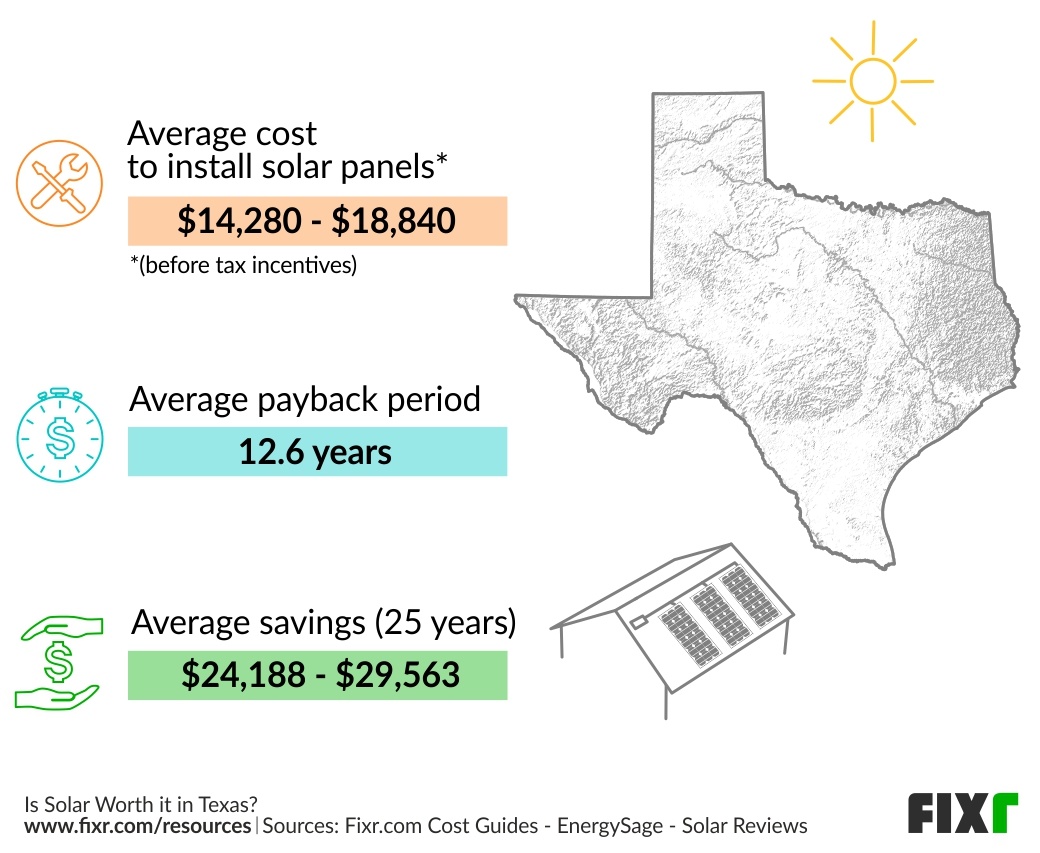
The return on investment for solar panels in Texas is often attractive, primarily due to significant savings on electricity bills. By generating your own power, you reduce your reliance on grid electricity, which can be subject to price fluctuations. The payback period for a solar installation can range from 5 to 15 years, depending on factors like system size, electricity rates, and available incentives. Once the system has paid for itself, the electricity generated is essentially free, providing long-term savings and increased property value. For those considering long-term stays or purchasing property in Texas, a solar installation can be a significant financial advantage.
Navigating the Texas Energy Market
Texas has a unique energy market, often referred to as the “Energy Capital of the World.” This deregulated market, while offering choice, also presents specific considerations for solar adoption.

Deregulation and Electricity Providers
In most of Texas, consumers can choose their electricity provider from a variety of retail electric providers (REPs). This deregulation has fostered competition, but it also means that net metering policies and solar buy-back programs are not standardized. Some REPs are more solar-friendly than others, offering better rates for excess generation or specialized solar plans. It is essential to research and compare plans from different providers before installing solar to maximize your savings. Understanding the nuances of these plans is critical, especially for budget travelers or those looking to manage their energy expenses carefully.
Grid Integration and Storage Solutions
As more solar power comes online, integrating it effectively into the Texas grid becomes increasingly important. Issues like intermittency – the fact that solar panels only generate power when the sun is shining – can pose challenges. This is where battery storage solutions come into play. Pairing solar panels with battery systems allows homeowners and businesses to store excess energy generated during the day for use at night or during peak demand periods. This not only increases energy independence but also provides a reliable power source, even during grid outages. For areas prone to extreme weather, like the Gulf Coast, battery storage can offer crucial backup power.
The Role of Solar in Energy Resilience
For Texas, a state that has experienced significant weather-related grid disruptions in recent years, solar power coupled with battery storage offers a compelling solution for energy resilience. Microgrids, powered by solar and storage, can provide reliable electricity to critical facilities and communities during emergencies. This ability to operate independently of the main grid is a significant advantage, offering peace of mind and a more secure energy future. This aspect can be particularly appealing to luxury travelers or those investing in properties in remote or vulnerable areas.
Factors to Consider for Your Texas Solar Journey
Before embarking on a solar installation in Texas, several key considerations will help ensure a successful and beneficial outcome.
Rooftop Suitability and Homeowner Association (HOA) Rules
The condition and orientation of your roof are critical. South-facing roofs generally receive the most sunlight, maximizing energy generation. However, east and west-facing roofs can also be effective. It’s essential to have a professional solar installer assess your roof’s condition, age, and suitability for panels. Additionally, while Texas has laws protecting homeowners’ rights to install solar, some Homeowner Associations (HOAs) may have aesthetic guidelines. Reviewing HOA rules early in the process is advisable to avoid potential conflicts.
Choosing a Reputable Installer
The quality of the installation is as important as the quality of the equipment. Selecting a reputable and experienced solar installer is paramount. Look for companies with a strong track record, positive customer reviews, and proper licensing and insurance. Obtaining multiple quotes from different installers will allow you to compare pricing, equipment options, and warranties. A well-done installation by a company like SunPower or Tesla Energy can ensure optimal performance and longevity.
Understanding Warranties and Maintenance
Solar panels typically come with performance warranties, often guaranteeing a certain percentage of their original output for 25 years. Inverters, the devices that convert DC electricity from the panels to AC electricity for your home, usually have shorter warranties (10-12 years). Battery storage systems also have their own specific warranties. Understanding these warranties and the expected maintenance requirements for your system will help you plan for the long term. Most residential solar systems require minimal maintenance, often just occasional cleaning.
The Verdict: A Bright Future for Solar in Texas
The evidence strongly suggests that solar power is not just worth it in Texas; it’s a smart, sustainable, and increasingly economical choice. The state’s abundant sunshine, coupled with declining technology costs and a growing array of incentives, makes solar a compelling investment for a wide range of individuals and businesses.
Empowering Homeowners and Businesses
For homeowners, solar offers a pathway to significantly reduced electricity bills, increased home value, and greater energy independence. For businesses, it presents an opportunity to lower operating costs, enhance their brand image as environmentally responsible entities, and contribute to a cleaner economy. Even short-term visitors staying in solar-powered accommodations can appreciate the reduced environmental impact and potentially lower energy costs passed on to them.

Contributing to a Sustainable Texas
As Texas continues its rapid growth, embracing renewable energy sources like solar is vital for a sustainable future. The state’s commitment to energy innovation, exemplified by its leadership in wind power, can now be further bolstered by a robust solar sector. From the vibrant cityscape of Austin to the vast ranches of West Texas, the sun offers a clean, abundant, and increasingly cost-effective energy solution, illuminating a brighter future for all. Whether you’re a permanent resident, a business owner, or a tourist exploring the diverse attractions of Texas, the benefits of solar are becoming undeniable.
LifeOutOfTheBox is a participant in the Amazon Services LLC Associates Program, an affiliate advertising program designed to provide a means for sites to earn advertising fees by advertising and linking to Amazon.com. Amazon, the Amazon logo, AmazonSupply, and the AmazonSupply logo are trademarks of Amazon.com, Inc. or its affiliates. As an Amazon Associate we earn affiliate commissions from qualifying purchases.