
Navigating Admissions for Prospective Aggies
The question of whether a university requires standardized test scores for admission has become a significant point of consideration for many prospective students. For those aspiring to join the ranks of the Aggies, the governing question is: “Is Texas A&M University test optional?” This inquiry delves into the university’s approach to admissions, the flexibility offered, and the broader implications for applicants seeking to secure a place within this esteemed institution. Understanding Texas A&M’s current policy is crucial for crafting a competitive application strategy.
Understanding the Test-Optional Landscape
The landscape of college admissions has undergone a notable transformation in recent years, with a growing number of institutions adopting test-optional policies. This shift has been influenced by various factors, including a desire to broaden access to higher education, a recognition of the limitations of standardized tests in capturing a student’s full potential, and the disruptions caused by the COVID-19 pandemic. A test-optional policy allows students to choose whether or not to submit their SAT or ACT scores as part of their application. This decision can be strategic, particularly for students who feel their scores do not accurately reflect their academic abilities or who come from backgrounds where test preparation resources were less accessible.

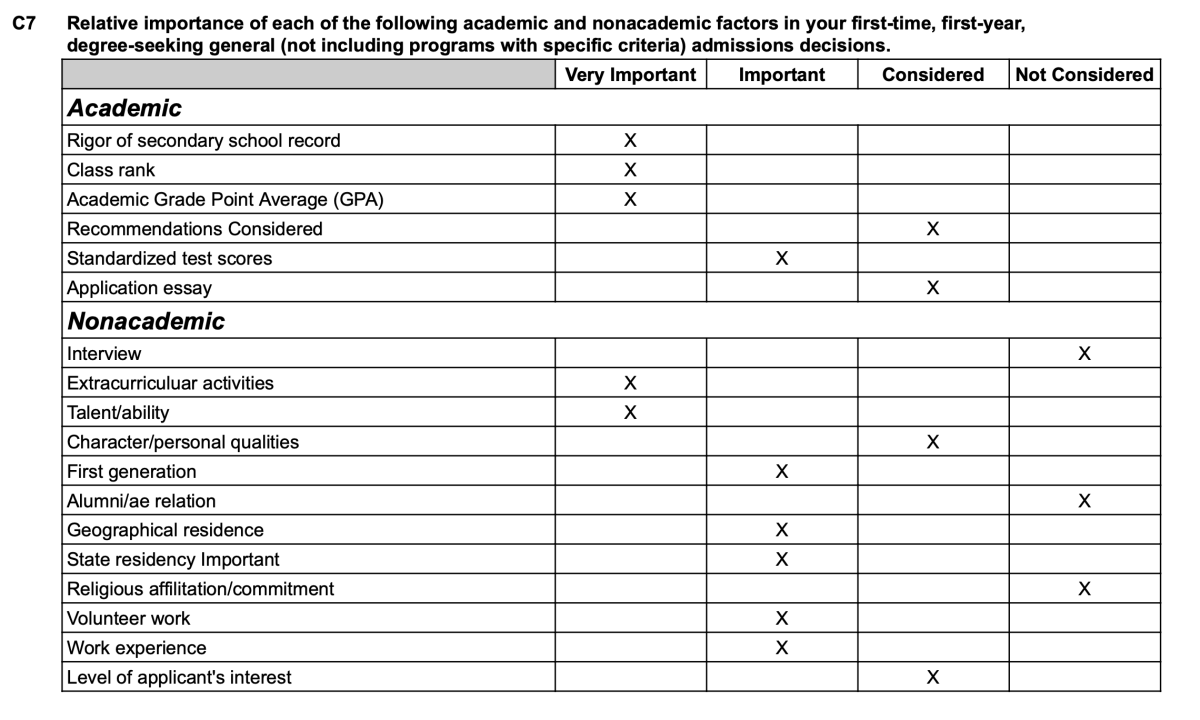
For institutions like Texas A&M, adopting or maintaining a test-optional approach requires careful consideration of how to evaluate applicants holistically. When test scores are not a mandatory component, admissions committees often place greater emphasis on other aspects of the application, such as high school GPA, the rigor of coursework, letters of recommendation, essays, and extracurricular activities. This multifaceted approach aims to provide a more comprehensive picture of each applicant’s readiness for university-level study and their potential contributions to the campus community.
Texas A&M University’s Official Stance
As of the most recent admissions cycles, Texas A&M University has indeed moved towards a more flexible testing policy, aligning with the broader trend of test-optional admissions. Prospective students can generally expect that submitting SAT or ACT scores will be an option rather than a requirement for undergraduate admission. This policy aims to reduce barriers for qualified students and acknowledge that standardized test performance is not the sole determinant of academic success.
However, it is imperative for applicants to consult the most current admissions guidelines directly from Texas A&M University’s official admissions website. University policies can evolve, and specific programs or colleges within the university might have nuanced requirements or recommendations. While the general undergraduate admissions may be test-optional, certain competitive majors or scholarships could still strongly encourage or, in rare instances, require test scores for evaluation. Therefore, diligent research into the specific requirements for one’s intended major and any scholarships being pursued is highly recommended.
Implications of the Test-Optional Policy
The adoption of a test-optional policy by Texas A&M has significant implications for how applicants should approach their college applications. For students who have achieved high scores on the SAT or ACT and feel these scores represent their academic capabilities, submitting them can still be a valuable way to strengthen their application. Strong test scores can provide an additional data point that supports an applicant’s academic preparedness.
Conversely, for students who may not have performed as well on standardized tests, or for whom test preparation was a challenge, the test-optional policy offers a welcome opportunity. These students can focus on highlighting their strengths in other areas of their application. This includes demonstrating academic excellence through a strong GPA, pursuing challenging coursework such as Advanced Placement or International Baccalaureate classes, and crafting compelling essays that showcase their personality, experiences, and aspirations. A robust portfolio of extracurricular activities, leadership roles, volunteer work, and relevant internships can also serve as powerful evidence of a student’s potential and fit for Texas A&M.
Strategies for a Strong Texas A&M Application

Given Texas A&M University’s flexible testing policy, aspiring Aggies must adopt a strategic approach to their applications. The emphasis shifts towards presenting a well-rounded and compelling narrative that showcases their suitability for the university.
Holistic Review and Key Application Components
Texas A&M employs a holistic review process, meaning that admissions officers consider all aspects of an applicant’s file to make informed decisions. This approach recognizes that academic achievement is multifaceted and that a student’s potential extends beyond a single test score.
- Academic Record: The high school GPA remains a cornerstone of any college application. Texas A&M will scrutinize the rigor of your coursework. Have you challenged yourself with AP or IB classes? Have you maintained a strong performance in these demanding courses? Demonstrating a consistent upward trend in grades can also be beneficial.
- Essays: The personal essay is a vital opportunity for applicants to showcase their voice, personality, values, and unique experiences. Texas A&M seeks students who can articulate their thoughts clearly and thoughtfully. This is where you can explain what motivates you, how you have overcome challenges, and what makes you a good fit for the Aggie family. Crafting a compelling essay requires introspection and careful revision.
- Extracurricular Activities: Involvement beyond the classroom is highly valued. This includes participation in clubs, sports, arts, community service, leadership positions, part-time jobs, or internships. Admissions committees look for depth of involvement, leadership potential, and commitment. It’s not just about listing activities, but about demonstrating impact and growth.
- Letters of Recommendation: Strong letters from teachers, counselors, or mentors can provide invaluable third-party perspectives on your character, academic abilities, and potential. Choose individuals who know you well and can speak specifically to your strengths and contributions in an academic or extracurricular setting.
- Standardized Test Scores (Optional): If you have strong SAT or ACT scores that you believe enhance your application, you are welcome to submit them. However, if your scores do not reflect your academic performance or if you did not have ample opportunity to prepare or take the tests, the test-optional policy allows you to emphasize other aspects of your application.
Specific Considerations for Texas A&M
When applying to Texas A&M University, it is important to understand the university’s core values and its unique culture, often referred to as the “Aggie Spirit“. Demonstrating an understanding of and alignment with these values can significantly strengthen an application. This might involve reflecting on how your experiences have shaped your leadership skills, your commitment to service, or your desire to contribute to a community.
Prospective students should also research specific colleges and programs within Texas A&M, such as the Mays Business School or the Dwight Look College of Engineering. Some of these programs may have specific prerequisites or preferences that applicants should be aware of. For example, while general undergraduate admission might be test-optional, a highly competitive engineering program might still benefit from strong STEM-focused academic achievements and potentially, if submitted, strong math and science sections on standardized tests.
Deciding Whether to Submit Test Scores
The decision of whether to submit SAT or ACT scores to Texas A&M University is a personal one that should be made after careful consideration of your individual circumstances.
When Submitting Scores Might Be Beneficial
- Strong Performance: If your SAT or ACT scores are strong and align with or exceed the average scores of admitted students at Texas A&M, submitting them can serve as a positive reinforcement of your academic qualifications.
- Filling Gaps: If your GPA has some inconsistencies or if you attended a school with less rigorous academic offerings, strong test scores can help to demonstrate your readiness for college-level work.
- Scholarship Opportunities: Some scholarships, both internal to Texas A&M and external, may use standardized test scores as a component of their evaluation criteria. If you are applying for such scholarships, submitting scores might be advantageous.
When Not Submitting Scores Might Be the Better Choice
- Suboptimal Scores: If your scores are significantly below the average range for admitted students, or if they do not accurately reflect your academic potential or hard work in the classroom, it may be strategic not to submit them.
- Limited Preparation: If you had limited access to test preparation resources, were unable to take the test multiple times due to external factors, or felt the test did not accurately gauge your knowledge and skills, then opting out of submission is a valid choice.
- Focus on Other Strengths: If your application is exceptionally strong in other areas – such as a stellar GPA, impactful extracurriculars, compelling essays, and strong recommendations – these can speak volumes about your capabilities without the need for test scores.
Ultimately, Texas A&M University aims to build a diverse and talented student body. By embracing a test-optional approach, the university provides greater flexibility for applicants to present themselves in the best possible light. Prospective Aggies should leverage this opportunity to build a robust and authentic application that showcases their unique strengths and their readiness to thrive at Texas A&M.
LifeOutOfTheBox is a participant in the Amazon Services LLC Associates Program, an affiliate advertising program designed to provide a means for sites to earn advertising fees by advertising and linking to Amazon.com. Amazon, the Amazon logo, AmazonSupply, and the AmazonSupply logo are trademarks of Amazon.com, Inc. or its affiliates. As an Amazon Associate we earn affiliate commissions from qualifying purchases.