
The question of whether a Texas Driver License is a REAL ID compliant is a frequent one for residents of the Lone Star State, particularly as federal regulations for air travel and access to certain federal facilities become more stringent. Understanding the nuances of the REAL ID Act and how it applies to your Texas identification is crucial for seamless travel and everyday life. This guide will delve into what constitutes a REAL ID, how Texas has adapted, and what you need to know to ensure your Texas driver’s license or ID card meets federal standards for domestic air travel and other secure access requirements.

Understanding the REAL ID Act
The REAL ID Act of 2005 was passed by Congress in response to the September 11, 2001, terrorist attacks. Its primary goal is to establish minimum security standards for the issuance and production of state driver’s licenses and identification cards, which are to be accepted for various federal purposes. These purposes include boarding federally regulated commercial aircraft and entering certain federal facilities, including military bases and nuclear power plants.
Key Provisions of the REAL ID Act:
- Minimum Security Standards: States must implement enhanced security features on their identification cards to prevent fraud and counterfeiting. This includes requirements for the card’s material, design, and the information it displays.
- Verification of Identity: The Act mandates rigorous verification processes for applicants. This means individuals must provide proof of identity, date of birth, Social Security number, and two proofs of residency in the state when applying for a REAL ID-compliant license or ID.
- Federal Acceptance: Identification that meets these standards will be required for specific federal uses. Importantly, it does not create a national ID card, nor does it change existing state laws regarding the issuance of driver’s licenses or identification cards.
What a REAL ID is NOT:
It’s important to clarify what the REAL ID Act does not entail. It does not create a federal database of driver’s license information. It does not require states to share information they are not already permitted to share. Furthermore, it does not mandate that all citizens obtain a REAL ID; standard driver’s licenses and state ID cards will still be valid for driving and other state-specific purposes. The distinction lies in their acceptability for federal purposes.
Texas and the REAL ID Compliance Journey
Texas, like all other states, has been working to bring its driver’s licenses and identification cards into compliance with the REAL ID Act. The process involves upgrading the technology and procedures used by the Texas Department of Public Safety (DPS) to issue these credentials. The state has introduced new card designs and verification processes to meet the federal requirements.
The Evolution of Texas Driver’s Licenses:
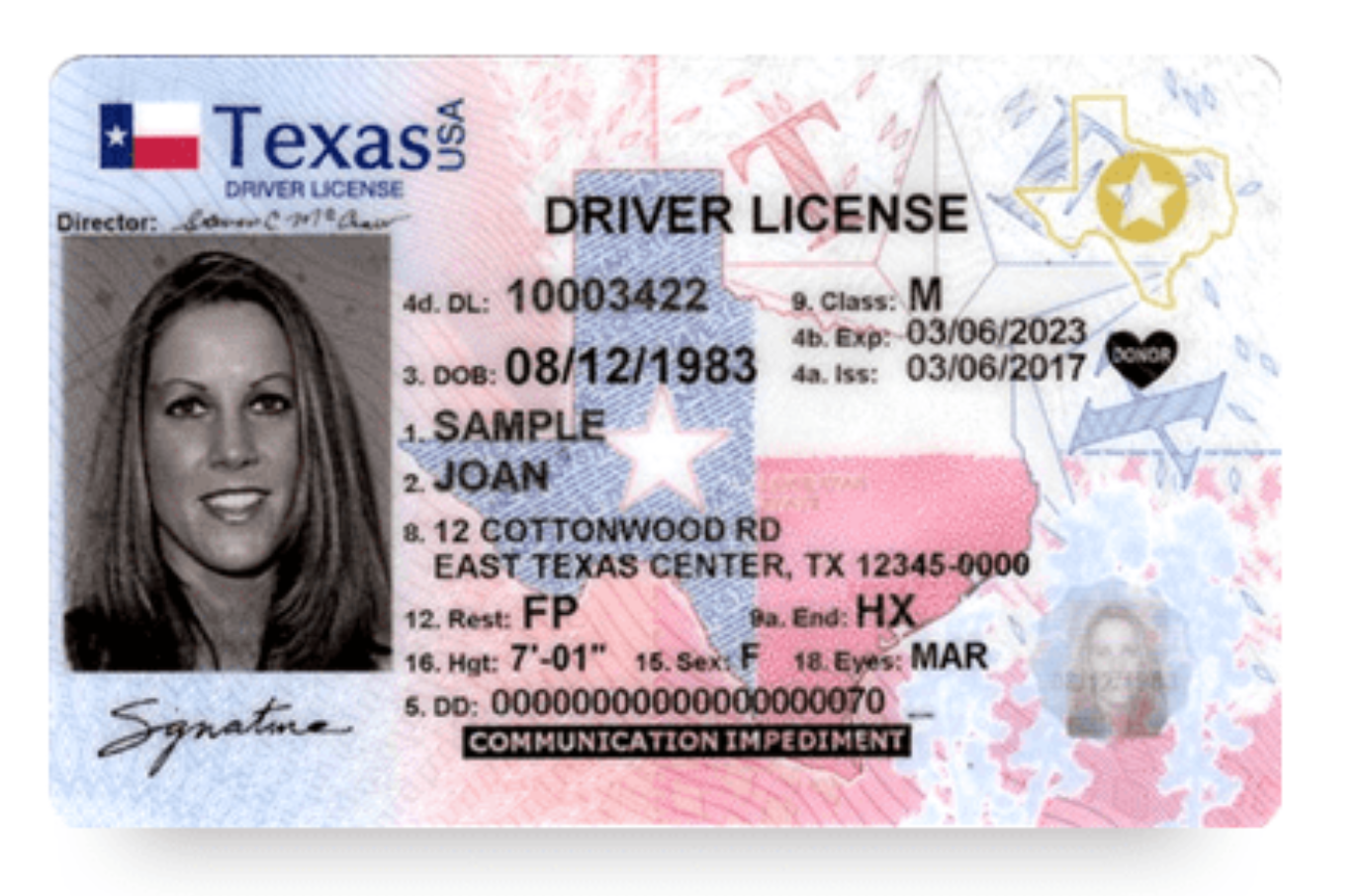
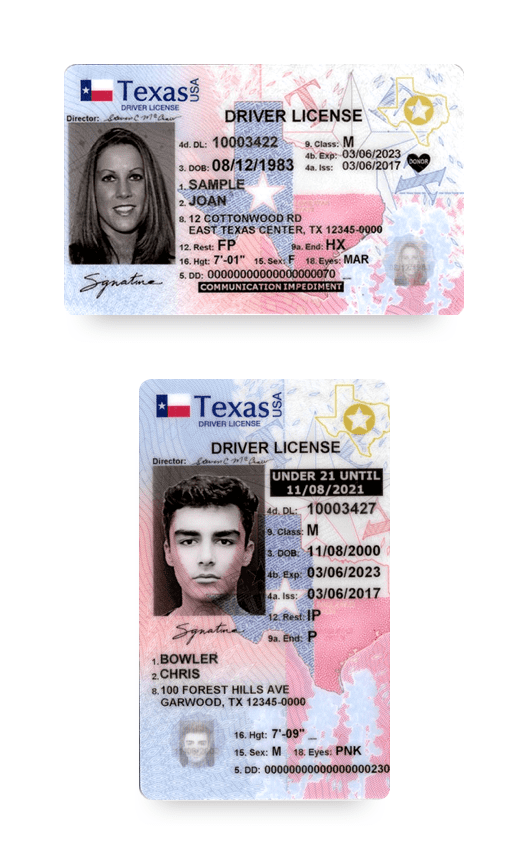
Initially, Texas implemented a phased approach to REAL ID compliance. Residents could choose between a standard Texas driver’s license/ID or a REAL ID-compliant one. The latter is easily distinguishable by a star symbol in the upper right corner of the card. This star is the federal indicator that the card meets the REAL ID Act’s security and verification standards.
Obtaining a REAL ID-Compliant Texas Driver License:
To obtain a REAL ID-compliant driver’s license or ID card in Texas, individuals must visit a local Texas DPS driver license office. The application process requires presenting specific documentation to prove identity, Social Security number, and residency. It’s essential to check the official Texas DPS website for the most up-to-date list of acceptable documents, as requirements can vary.
Required Documents Typically Include:
- Proof of Identity and Date of Birth: Such as a certified copy of a birth certificate or a U.S. passport.
- Proof of Social Security Number: Your Social Security card or a W-2 form.
- Proof of Texas Residency: Utility bills, lease agreements, or bank statements showing your name and current Texas address.
- Proof of U.S. Citizenship or Lawful Presence: U.S. passport, original or certified birth certificate, or other acceptable documentation.
The DPS employs rigorous verification procedures to ensure the authenticity of these documents and the applicant’s identity. This thoroughness is a core component of meeting the REAL ID standards.
The Star Indicator: Your Key to Federal Acceptance
The most direct way to determine if your Texas driver’s license or ID card is REAL ID compliant is to look for a specific marking on the card. Since the implementation of REAL ID requirements in Texas, compliant licenses and ID cards feature a small, prominent star symbol, often in a metallic or gold color, located in the upper right corner of the card.
What the Star Means:
- Federal Recognition: The presence of this star signifies that your credential has been issued by the Texas DPS after a stringent verification process, meeting all federal security and identity verification standards outlined in the REAL ID Act.
- Travel and Access: A Texas driver’s license or ID card with the star will be accepted by the Transportation Security Administration (TSA) for boarding commercial flights within the United States. It will also grant access to federal facilities that require identification under the Act.
What If Your License Doesn’t Have a Star?
If your current Texas driver’s license or ID card does not have the star symbol, it is not REAL ID compliant. While it remains a valid form of identification for driving and other state-specific purposes, you will eventually need a REAL ID-compliant credential if you intend to use it for federal purposes like air travel after the enforcement deadline.
Deadlines and Future Travel Implications
The implementation of the REAL ID Act has had several enforcement deadlines that have been extended over the years. As of the latest information, the full enforcement date for requiring REAL ID-compliant identification for domestic air travel is May 7, 2025. After this date, standard, non-compliant driver’s licenses or state ID cards will no longer be accepted for boarding federally regulated commercial aircraft.
Planning Your Travel:
- Check Your Credentials: Before your next flight or visit to a federal facility, examine your Texas driver’s license or ID card. Look for the star.
- If You Need a REAL ID: If your card lacks the star, plan a visit to a Texas DPS driver license office. Be prepared to present the required documentation. It is advisable to schedule an appointment to minimize wait times.
- Alternative Federal IDs: It’s important to note that other forms of federally accepted identification will still be valid for air travel, such as a U.S. passport, a U.S. passport card, or a Department of Homeland Security trusted traveler program card.
Impact on Other Federal Facilities:
Beyond air travel, REAL ID-compliant licenses will be necessary for entering certain federal buildings and military installations. If your travel plans include visiting national parks managed by the National Park Service or accessing facilities on military bases, a REAL ID-compliant credential will likely be required. Always check the specific requirements of the facility you plan to visit in advance.
Conclusion: Ensuring Smooth Travel with Your Texas ID
In summary, whether your Texas Driver License is a REAL ID depends on whether it bears the distinctive star symbol in the upper right corner. This star is the visual confirmation that your credential meets the enhanced security and verification standards set forth by the REAL ID Act of 2005. For residents of Texas, especially frequent travelers or those who may need to access federal facilities, ensuring your identification is REAL ID compliant is a proactive step towards hassle-free journeys and access. By understanding the requirements and preparing the necessary documentation, you can navigate the evolving landscape of federal identification with confidence, ensuring your Texas driver’s license or ID card facilitates your travel and access needs without interruption.
LifeOutOfTheBox is a participant in the Amazon Services LLC Associates Program, an affiliate advertising program designed to provide a means for sites to earn advertising fees by advertising and linking to Amazon.com. Amazon, the Amazon logo, AmazonSupply, and the AmazonSupply logo are trademarks of Amazon.com, Inc. or its affiliates. As an Amazon Associate we earn affiliate commissions from qualifying purchases.