
The question of whether Texas residents will receive a state-issued stimulus check has become a recurring point of discussion, particularly as economic uncertainties and the lingering effects of past financial relief programs remain fresh in the minds of many. While the federal government has historically played a significant role in distributing stimulus funds during times of national crisis, the landscape of financial aid can be complex, with state-level initiatives also emerging. This article aims to demystify the current situation regarding stimulus checks in Texas, examining the factors that influence such decisions and exploring alternative avenues for economic support that might be available to individuals and families across the Lone Star State.
Understanding Stimulus Checks: A Federal vs. State Perspective
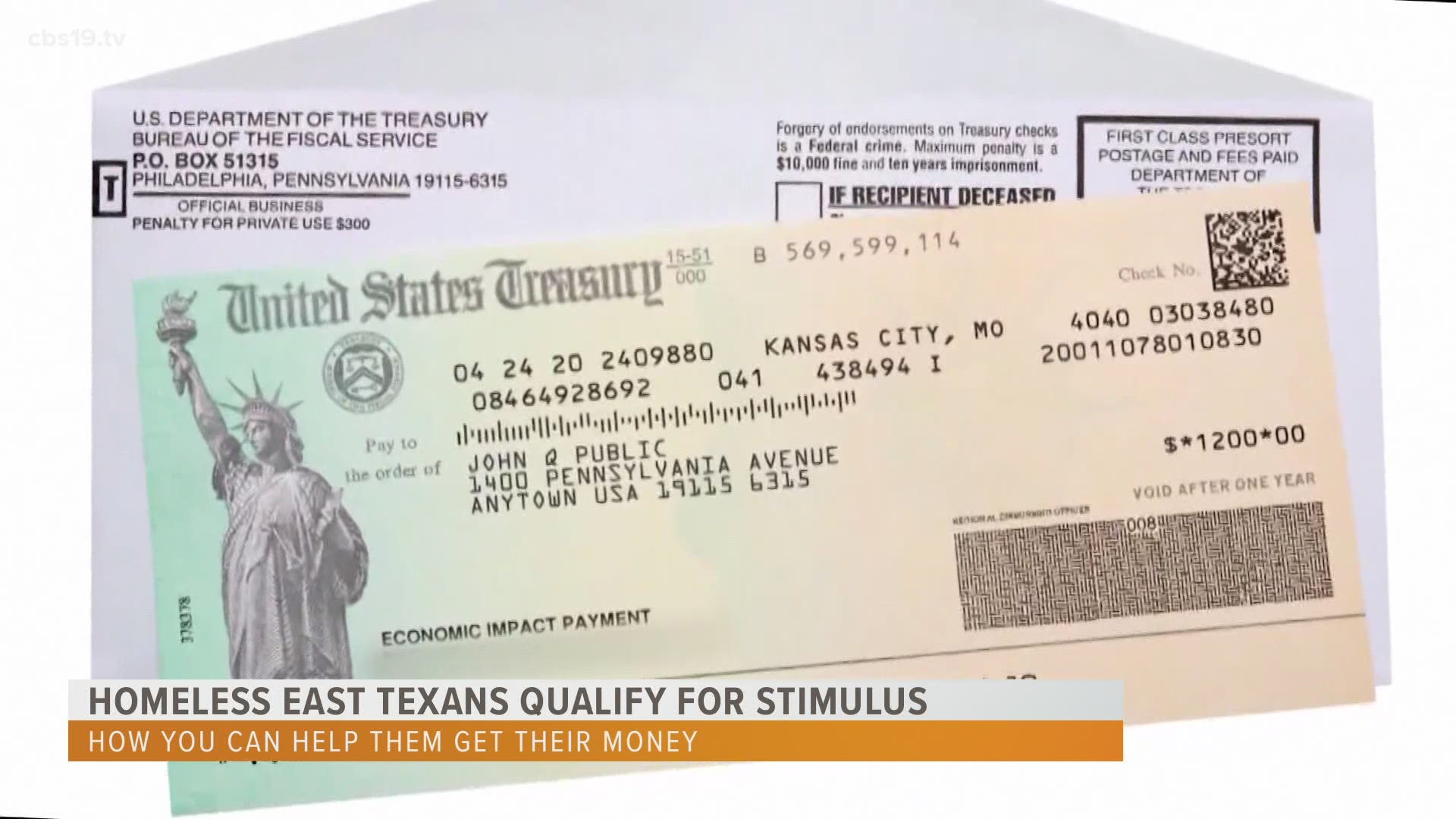
Stimulus checks, broadly defined, are direct cash payments issued by governments to individuals or households with the aim of boosting consumer spending and stimulating economic activity. Historically, these interventions have been most prominent during periods of economic recession or significant disruption, such as the COVID-19 pandemic.
Federal Stimulus Initiatives
The most well-known stimulus programs in recent years were implemented at the federal level in the United States. These included payments under the CARES Act, the Consolidated Appropriations Act of 2021, and the American Rescue Plan Act of 2021. These federal programs provided substantial financial relief to millions of Americans, with eligibility and payment amounts often tied to income levels and household composition. The economic rationale behind these federal checks was to inject money directly into the economy, enabling people to cover essential expenses, support businesses, and mitigate the impact of widespread job losses.
The Role of State Governments
While federal initiatives often dominate headlines, state governments also possess the authority and sometimes the inclination to implement their own economic relief programs. These state-level efforts can take various forms, including direct cash payments, tax rebates, grants, or enhanced unemployment benefits. The decision to launch such programs typically depends on several factors:
- State Budgetary Health: A state’s fiscal condition is paramount. If a state has a healthy budget surplus and sufficient reserves, it may have more flexibility to allocate funds towards direct economic assistance.
- Economic Conditions within the State: State officials closely monitor local economic indicators, such as unemployment rates, inflation, and business activity. If a particular Texas region or the state as a whole is experiencing significant economic hardship, there might be greater pressure to provide direct relief.
- Legislative and Gubernatorial Priorities: The political will of state lawmakers and the governor plays a crucial role. If there is a consensus among elected officials that direct financial support is necessary, they can champion and pass legislation to authorize such programs.
- Specific Needs and Demographics: Some states may identify specific populations or sectors that are disproportionately affected by economic downturns and tailor relief programs accordingly.
Current Landscape for Stimulus Checks in Texas
As of the latest available information and public statements from Texas officials, there are no active state-sponsored stimulus check programs currently being distributed in Texas. The state has not announced plans for a new round of direct cash payments that mirror the federal stimulus efforts seen during the pandemic.
This does not mean that economic relief has entirely ceased. However, the nature of that support often shifts from broad, direct cash infusions to more targeted programs.
Why No Broad Stimulus Checks in Texas?
Several factors likely contribute to the absence of a widespread state stimulus check program in Texas:
- Economic Resilience: While Texas has experienced economic challenges, it has also demonstrated considerable resilience, particularly in its energy sector and through robust business growth in cities like Austin, Dallas, and Houston. This general economic strength may lead policymakers to believe that broad stimulus is not as critical as in other states.
- Fiscal Conservatism: Texas has a history of fiscal conservatism, often prioritizing lower taxes and limited government spending. Implementing a large-scale stimulus program would require significant budget allocation, which may not align with these prevailing fiscal philosophies.
- Focus on Other Relief Avenues: Instead of direct stimulus checks, the state might be focusing its resources on other forms of assistance, such as infrastructure projects, job training programs, or targeted support for specific industries facing difficulties.
- No Federal Mandate or Funding: Without a new federal stimulus package that includes direct funding for states to distribute, Texas would need to allocate its own funds, which, as mentioned, faces fiscal considerations.

Alternative Avenues for Financial Support in Texas
While direct stimulus checks may not be on the immediate horizon for Texas residents, individuals and families facing financial difficulties can explore a range of other existing programs and resources. These often provide essential support, though they may be more targeted than a broad stimulus payment.
State and Local Assistance Programs
Texas offers various state and local programs designed to assist residents with essential needs. These can include:
- Housing Assistance: Programs administered by agencies like the Texas Department of Housing and Community Affairs or local housing authorities can provide rental assistance, utility assistance, and support for homeowners facing foreclosure.
- Food Assistance: The Supplemental Nutrition Assistance Program (SNAP), administered by the Texas Health and Human Services Commission, provides benefits to low-income individuals and families to help them purchase food.
- Unemployment Benefits: If you have lost your job, Texas Workforce Commission (TWC) provides unemployment benefits to eligible individuals. While not a stimulus check, these benefits offer crucial income replacement.
- Energy Assistance Programs: Programs like the Low Income Home Energy Assistance Program (LIHEAP) can help eligible households pay their heating and cooling bills, especially during extreme weather.
- Child Care Assistance: The Texas Workforce Commission also offers programs to help eligible low-income parents afford quality child care, enabling them to work or attend school.
Federal Programs Accessible in Texas
Many federal programs continue to offer support to Texas residents. These include:
- Earned Income Tax Credit (EITC): This is a refundable tax credit for low- to moderate-income working individuals and couples. Filing taxes is essential to claim this credit, which can result in a significant refund.
- Child Tax Credit (CTC): While recent expansions may have expired, the CTC can still provide valuable tax relief for families with children.
- Temporary Assistance for Needy Families (TANF): This federal program, administered at the state level, provides temporary cash assistance to families with children.
Navigating Tax Season for Potential Refunds
For many individuals, the most reliable form of direct financial relief comes through the tax system. Beyond the EITC and CTC, individuals may be eligible for other tax credits and deductions that can lead to a refund. It is advisable for Texas residents to consult with a tax professional or utilize free tax preparation services (such as those offered by VITA – Volunteer Income Tax Assistance) to ensure they are claiming all eligible benefits.

Looking Ahead: Economic Trends and Future Possibilities
The economic landscape is constantly evolving. While Texas currently does not have state stimulus checks planned, future economic conditions could prompt a reconsideration of this stance. Factors that might influence a shift include:
- Worsening Economic Downturn: A significant and prolonged recession impacting Texas more severely than anticipated could trigger calls for direct financial relief.
- New Federal Stimulus Measures: If the federal government were to initiate a new broad stimulus program, it might include provisions or funding that encourages or enables states to participate.
- Changes in State Fiscal Policy: Evolving political priorities or a sustained period of exceptional budget surpluses could create an opportunity for new state-led financial assistance initiatives.
It is essential for residents to stay informed about economic news, legislative developments in Austin, and announcements from state agencies. Reputable news sources and official government websites are the best places to seek accurate and up-to-date information.
In conclusion, while the specific promise of a Texas-issued stimulus check may not be present, the state and federal governments offer a network of support systems designed to assist residents facing financial challenges. Understanding these existing programs and diligently exploring all avenues for financial aid remains the most effective strategy for individuals and families seeking to improve their economic well-being.
LifeOutOfTheBox is a participant in the Amazon Services LLC Associates Program, an affiliate advertising program designed to provide a means for sites to earn advertising fees by advertising and linking to Amazon.com. Amazon, the Amazon logo, AmazonSupply, and the AmazonSupply logo are trademarks of Amazon.com, Inc. or its affiliates. As an Amazon Associate we earn affiliate commissions from qualifying purchases.