
Embarking on a journey, whether it’s a cross-country adventure or a new chapter in a vibrant city, often comes with a checklist of essentials. For those setting their sights on the Golden State, securing a California ID card is more than just a bureaucratic step; it’s a key to unlocking seamless travel, comfortable accommodations, and a fulfilling lifestyle within this diverse landscape. From traversing the sun-drenched beaches of San Diego to exploring the bustling metropolises of Los Angeles and San Francisco, an official identification card simplifies countless aspects of daily life and leisure.
This comprehensive guide will demystify the process of obtaining your California ID card, illustrating its significance beyond mere identification. We’ll delve into how this small but mighty card facilitates everything from checking into a luxurious Hyatt Regency in downtown Sacramento to renting a car for a scenic drive along the Pacific Coast Highway, truly integrating you into the Californian experience. Understanding the requirements, navigating the Department of Motor Vehicles (DMV) process, and appreciating the practical benefits will ensure your time in California is as smooth and enjoyable as possible, whether you’re a long-term resident or a new arrival.
Essential for Your California Lifestyle and Travels
A California ID card is far more than just a piece of plastic; it’s an indispensable tool that simplifies numerous facets of life and travel throughout the state. In a region as expansive and popular as California, having official identification is paramount for everything from verifying your identity for domestic flights to enjoying local attractions and ensuring smooth hotel check-ins. It empowers you to navigate the state’s vibrant tourism scene, secure accommodation effortlessly, and embrace the Californian lifestyle without unnecessary hurdles.
Navigating California’s Wonders with Ease
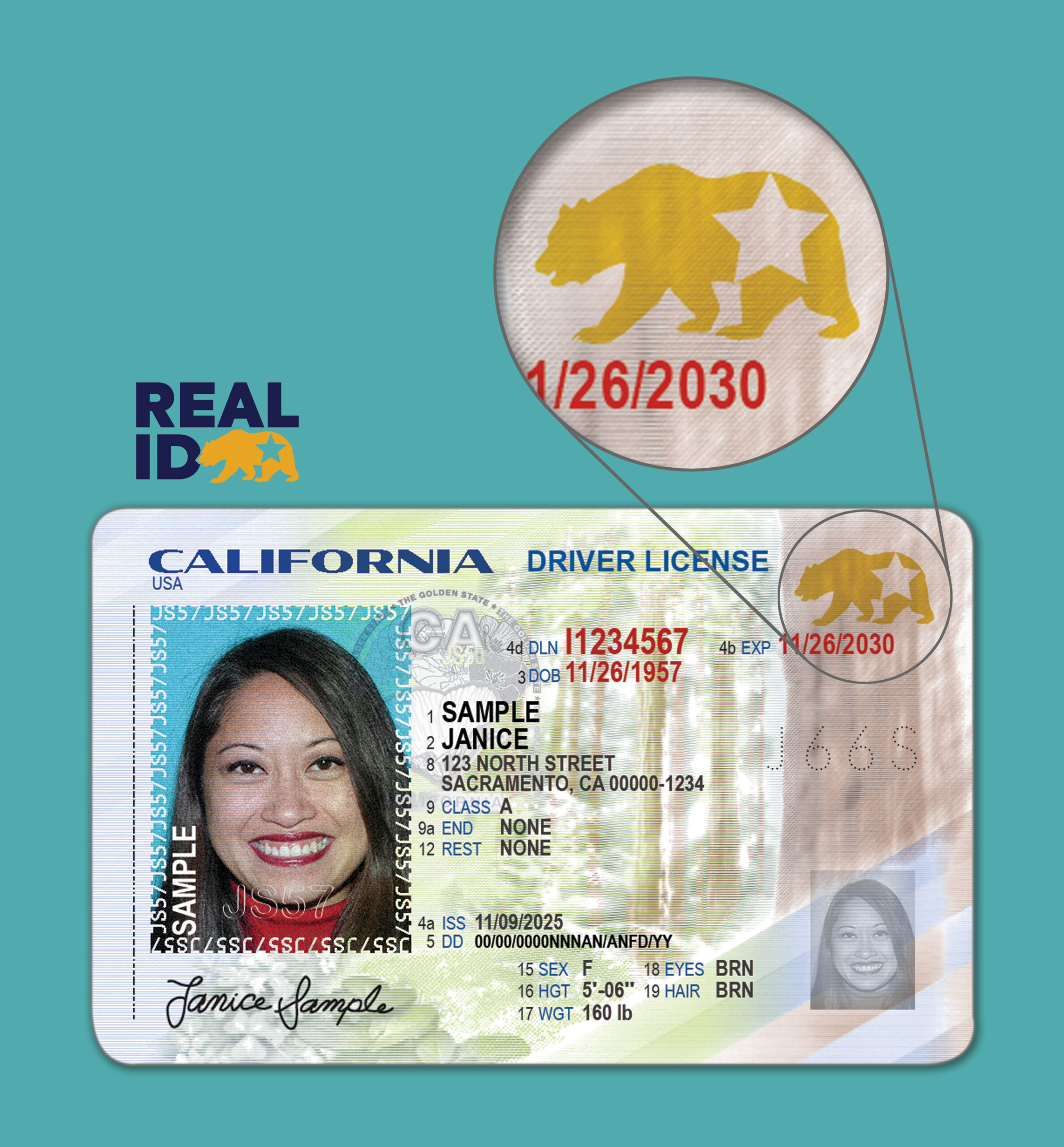
Imagine planning a dream vacation to California, eagerly anticipating visits to world-renowned landmarks like the Golden Gate Bridge, the magical realms of Disneyland in Anaheim, or the breathtaking natural beauty of Yosemite National Park. Your California ID card acts as your primary credential for these experiences. For domestic air travel, while a Real ID-compliant card or passport is generally required, a standard California ID card can still be invaluable for verifying your identity in various non-airport scenarios, and it serves as proof of age when enjoying Napa Valley wine tours or accessing nightlife in cities like Hollywood.
Beyond major attractions, an ID card is crucial for mundane yet critical tasks like renting a car to explore the rugged coastline of Big Sur or venturing into the serene landscapes of Joshua Tree National Park. Most rental agencies require a valid, government-issued photo ID, and your California ID card fits this bill perfectly. It ensures smooth transactions, allowing you to pick up your vehicle and hit the road without delays, transforming your travel plans from aspirations into reality. For those considering a more extended stay, perhaps a month-long exploration of different destinations from Santa Barbara to Lake Tahoe, an ID card streamlines countless interactions, from purchasing train tickets to securing passes for various local activities and experiences.
Seamless Stays and Accommodations
When it comes to accommodation, your California ID card is an absolute necessity. Whether you’re checking into a luxury suite at The Ritz-Carlton, Laguna Niguel for a weekend getaway or settling into a long-term apartment in Pasadena, hotels and rental properties universally require a valid form of identification upon arrival. This is not only for security purposes but also to verify your booking details and ensure compliance with age restrictions. Without a proper ID, you could face significant delays or even be denied access to your pre-booked hotel or rental, disrupting your entire travel itinerary.
For those planning extended stays, perhaps combining work and leisure or looking for temporary residency, an ID card facilitates the process of signing leases and contracts. It serves as irrefutable proof of identity, essential for establishing trust and completing necessary paperwork with landlords or property management companies. Even for short-term vacation rentals through platforms like Airbnb, hosts often request a copy of a government ID to confirm the identity of their guests. Having a California ID card ensures these transitions are smooth, allowing you to focus on enjoying your stay rather than dealing with verification hassles. Furthermore, should you decide to explore local attractions that offer resident discounts, such as the California Academy of Sciences in San Francisco or the Monterey Bay Aquarium, your ID card will be your ticket to savings, enhancing your overall tourism budget.
The Step-by-Step Guide to Obtaining Your California ID
Securing a California ID card is a structured process designed to be straightforward, provided you understand the requirements and gather the necessary documentation beforehand. While it might seem daunting at first glance, breaking it down into manageable steps makes it an achievable goal, ensuring you’re well-equipped for your California adventures.
Eligibility and Initial Requirements
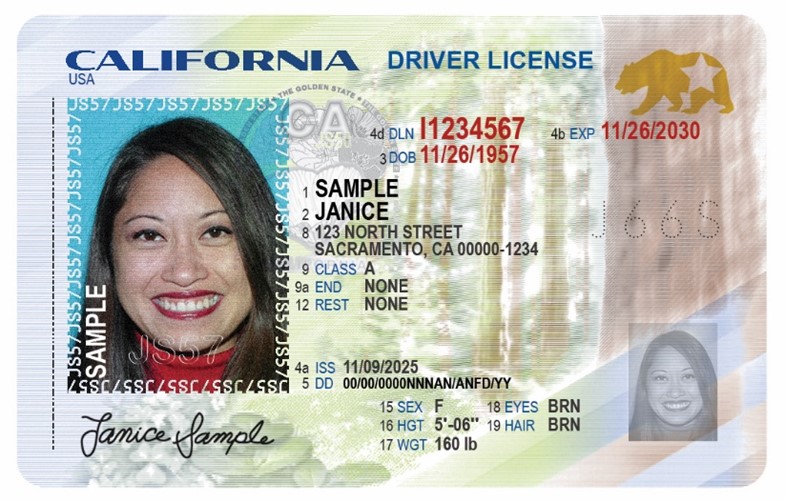
The first step is to determine your eligibility. A California ID card is available to any California resident who is at least six years old. Unlike a driver’s license, there are no driving tests involved, making it an ideal identification solution for those who do not drive, are not yet old enough to drive, or simply prefer to use public transportation or ride-sharing services.
The most critical part of the application process is compiling the required documents. The DMV has strict guidelines to prevent fraud, requiring multiple proofs of identity and residency. Generally, you will need:
- Proof of Identity: This typically includes a U.S. birth certificate, U.S. passport, foreign passport with a valid U.S. visa and I-94 form, or a permanent resident card. The document must contain your full legal name and date of birth. For new residents, foreign documents must often be accompanied by certified English translations if not originally in English.
- Proof of Residency: You’ll need at least two different documents proving your California residency. These can include utility bills (gas, electric, water, cell phone), rental agreements or mortgage statements, school documents, employment documents, or bank statements. These documents must show your current physical address in California and match the name on your identity documents. This is especially pertinent for individuals planning a long-term accommodation in the state, as their rental agreement will serve as key evidence.
- Proof of Social Security Number (SSN): This can be your Social Security card, a W-2 form, a pay stub with your full SSN, or a SSA-1099 form. If you do not have an SSN, you may still be eligible to apply; however, you will need to provide a letter from the Social Security Administration stating your ineligibility.
- Name Change Documents (if applicable): If your current name differs from the name on your primary identity document (e.g., due to marriage or divorce), you will need to provide original or certified copies of legal documents proving the name change, such as a marriage certificate or divorce decree.

Collecting these documents meticulously is crucial. Any discrepancies or missing information will lead to delays or rejection of your application, prolonging the time until you can fully enjoy your California lifestyle.
Preparing for Your DMV Visit
Once you have gathered all the necessary documents, the next step is to prepare for your visit to the DMV. While walk-ins are often accommodated, scheduling an appointment online is highly recommended to minimize wait times, especially in bustling cities like Oakland or Long Beach. The DMV website allows you to fill out an online application form in advance, which can also save time during your appointment. This preliminary step asks for your personal information and allows you to indicate that you are applying for an ID card, not a driver’s license.
Before heading to the DMV office, double-check your checklist of documents one last time. Ensure you have the original documents, not just copies, as the DMV staff will need to verify them. It’s also wise to bring extra forms of identification or residency, just in case one document isn’t deemed sufficient.
Finally, be prepared to pay the application fee. As of my last update, the fee for a California ID card is relatively modest, but it’s essential to check the current fee on the official DMV website before your visit, as it can change. The DMV typically accepts various payment methods, including cash, debit cards, and checks. Being fully prepared will make your DMV experience efficient, freeing you up to plan your next California adventure, perhaps a visit to Universal Studios Hollywood or a trip to Palm Springs.
What to Expect at the DMV and Beyond
Your visit to the DMV is the central part of obtaining your California ID card. Knowing what to expect during this appointment, and understanding the subsequent steps, will help manage expectations and ensure a smooth journey to receiving your official identification.
The Application Process at the Department of Motor Vehicles (DMV)
Upon arriving at your scheduled appointment (or after a potentially longer wait for walk-ins), you will be directed to a customer service representative. This is where your meticulous preparation pays off. The representative will review all the documents you’ve brought to verify your identity, residency, and Social Security number. They will cross-reference your online application (if you completed one) and enter any remaining data. Be ready to answer questions about your application truthfully and clearly.
Following the document verification, you will proceed to the next stages of the application. These typically include:
- Thumbprint Scan: For security purposes, a digital scan of your thumbprint will be taken.
- Photo Capture: A photo will be taken for your ID card. It’s a good idea to present yourself neatly, as this photo will represent you for the next few years.
- Signature Capture: You will provide a digital signature, which will also appear on your California ID card.
Once these steps are completed, you will be issued a temporary California ID card. This temporary document is usually a paper printout and serves as immediate proof that you have applied for an ID. While it is generally accepted as valid identification for most purposes, it’s always wise to carry a secondary form of ID (like a passport) if you have one, especially for critical transactions or for accessing establishments like Six Flags Magic Mountain or Knott’s Berry Farm where strict ID policies might be in place. This temporary ID allows you to continue your travels or settle into your accommodation with peace of mind while awaiting the permanent card.
Receiving Your Official California ID Card
After your DMV visit, the waiting game begins for your official, permanent California ID card. The DMV processes applications and mails the cards from a central facility. The typical waiting period for your card to arrive in the mail is usually two to four weeks. However, during peak periods or due to unforeseen circumstances, it could take a bit longer. It’s crucial that the mailing address you provided to the DMV is accurate and secure, especially if you are in a new accommodation or transient living situation.
If your permanent California ID card does not arrive within the expected timeframe, it’s important to contact the DMV promptly. They have procedures in place to track mailed documents and can advise you on the next steps, which may include reporting the card as lost or initiating a new application if it appears to have gone astray. Never assume it will eventually show up; proactive communication with the DMV is key to resolving any issues. Once you receive your permanent card, it’s valid for several years, typically expiring on your birthday in the fifth year after issuance. This period gives you ample time to enjoy the benefits of having official California identification without immediate renewal worries, paving the way for countless lifestyle and travel opportunities.
Benefits and Beyond: Enhancing Your California Experience
Possessing a California ID card extends far beyond merely meeting identification requirements; it significantly enhances your daily life and travel experiences across the Golden State. This essential document opens doors to various conveniences, reinforcing its value as a fundamental aspect of the Californian lifestyle for both residents and long-term visitors.
More Than Just an ID: Practical Perks
With your California ID card in hand, you unlock a range of practical benefits that streamline interactions and offer valuable perks. For instance, many local businesses, cultural institutions, and tourism operators offer resident discounts. Imagine visiting the renowned Getty Center in Los Angeles, taking a scenic ride on the Palm Springs Aerial Tramway, or exploring the vibrant exhibits at the San Diego Zoo with reduced admission fees just by presenting your valid California ID card. These savings, while seemingly small individually, can add up significantly, especially for families or individuals planning an extensive tour of California’s many landmarks and attractions.
Beyond discounts, the card serves as irrefutable proof of age, essential for countless activities. From enjoying the sophisticated wine tasting rooms of Napa Valley to experiencing the lively bar scene in San Francisco or purchasing age-restricted items, your ID ensures smooth sailing. This eliminates the potential awkwardness or delays associated with trying to verify your age using less recognized forms of identification, contributing to a hassle-free and enjoyable lifestyle.
Furthermore, a California ID card is crucial for accessing various government and private services. Opening a bank account, registering for educational courses, applying for certain jobs, or even receiving medical services often require a robust form of state-issued identification. For those new to California, obtaining this card is a foundational step towards establishing roots and participating fully in the community. It provides a sense of security and peace of mind, knowing that you have a universally accepted document for identity verification in almost any situation, whether you’re renting a bike along Santa Monica Pier or checking into a Marriott in San Jose.
In essence, the California ID card is an investment in convenience and confidence. It’s a tool that supports both the practicalities of daily life and the pursuit of memorable travel and tourism experiences within one of the world’s most captivating states. Its utility spans from checking into a cozy guesthouse near Sequoia National Park to proving residency for local library access in Fresno, making it an indispensable item for anyone embracing the California lifestyle.
In conclusion, obtaining a California ID card is a straightforward process that offers profound benefits, deeply intertwined with the joys of travel, the comfort of secure accommodation, and the richness of the California lifestyle. By understanding the requirements, preparing diligently for your DMV visit, and appreciating the broad utility of this document, you empower yourself to explore California’s diverse destinations and landmarks with unprecedented ease and confidence. This small card is truly your passport to a fuller, more enriched experience in the Golden State.
LifeOutOfTheBox is a participant in the Amazon Services LLC Associates Program, an affiliate advertising program designed to provide a means for sites to earn advertising fees by advertising and linking to Amazon.com. Amazon, the Amazon logo, AmazonSupply, and the AmazonSupply logo are trademarks of Amazon.com, Inc. or its affiliates. As an Amazon Associate we earn affiliate commissions from qualifying purchases.