
Navigating the nuances of sales tax can be a crucial aspect of planning any trip, especially when it comes to budgeting for meals. For travelers venturing into the great state of Texas, understanding the tax implications on food is essential for a smooth and enjoyable experience. This guide delves into the specifics of how food is taxed in Texas, ensuring you can confidently plan your culinary adventures across its diverse cities and landscapes.
Understanding Texas Sales Tax on Food
The Texas tax system generally applies sales tax to tangible personal property. However, when it comes to food and beverages, the rules can be a bit more intricate, depending on where and how the food is purchased and consumed. The primary distinction lies between “food for home consumption” and “prepared food” or “food for immediate consumption.”
Groceries vs. Prepared Meals
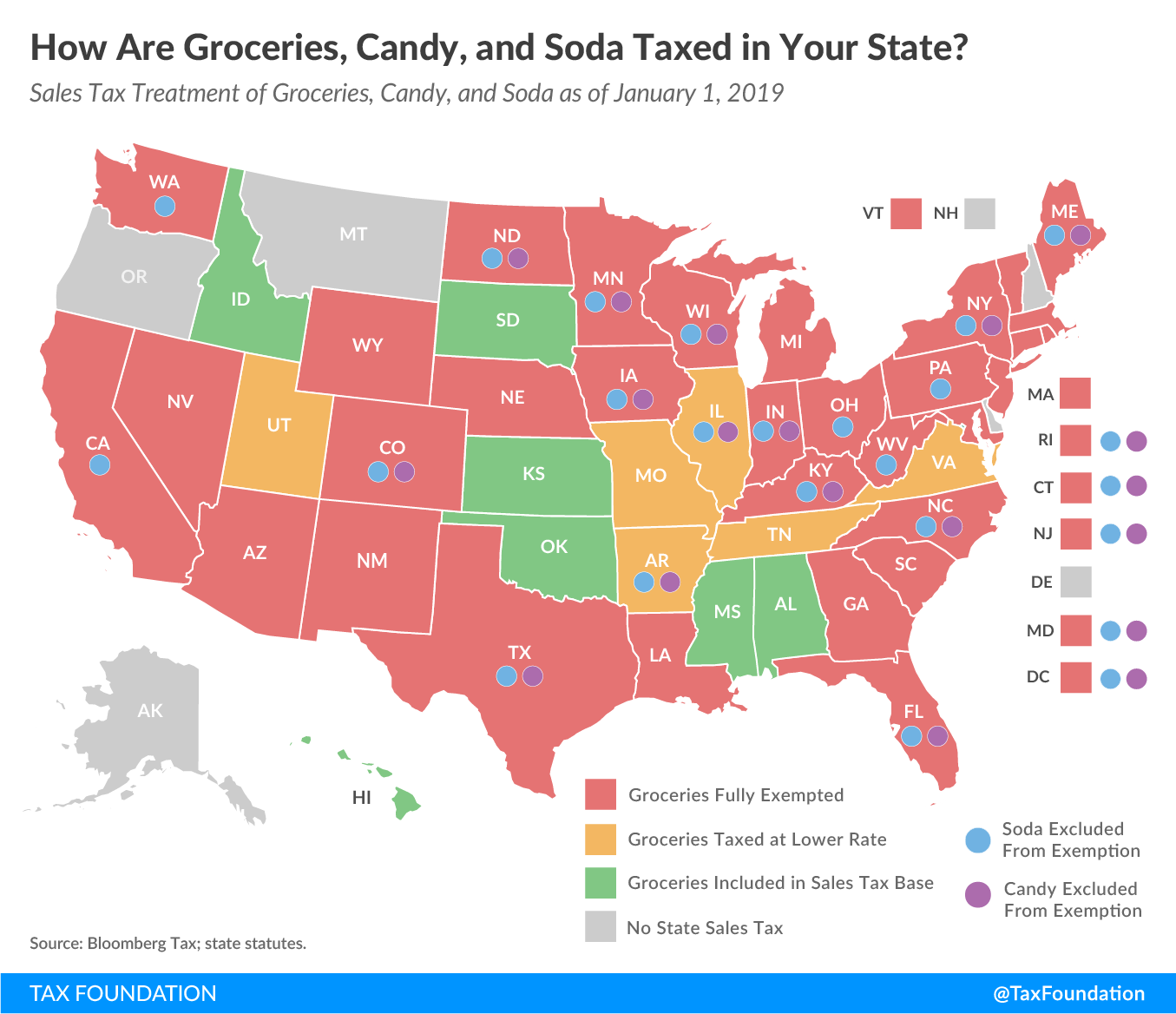
In Texas, most grocery items intended for consumption at home are exempt from state sales tax. This includes staple goods like fruits, vegetables, meats, dairy products, bread, and canned goods. The rationale behind this exemption is to alleviate the financial burden on residents for essential food items. However, it’s important to note that local city and county taxes can still apply to these items, though the state’s portion of the tax is waived.
Conversely, food and beverages that are prepared and sold for immediate consumption are generally subject to sales tax. This category encompasses a wide range of items commonly found in restaurants, cafes, delis, and convenience stores.
What Qualifies as Prepared Food?
The Texas Comptroller of Public Accounts defines “prepared food” as items that are sold in a heated state, or that consist of two or more ingredients mixed or combined for sale as a single item, or that are sold for consumption on or in the premises. This definition covers a broad spectrum of culinary offerings, from a hot sandwich purchased at a diner to a salad kit from a grocery store’s prepared foods section.
- Heated Food: Any food sold hot, such as pizza, soup, or rotisserie chicken, is typically taxed.
- Mixed or Combined Ingredients: This includes items like sandwiches, salads (even if not heated), and pre-made meals that are assembled from multiple components.
- Food Sold for On-Premise Consumption: Even if the food isn’t heated or a combination of ingredients, if it’s sold in an establishment where you are expected to consume it (like a sit-down restaurant), it will likely be taxed.
The “Staple Food” Exception
While most groceries are exempt, there are some nuances. For instance, candy, soft drinks, and alcoholic beverages are generally considered taxable, even when purchased at a grocery store. These items are often categorized separately from staple foods.
Dining Out in Texas
When you dine at restaurants, cafes, or food trucks across Texas, expect to see sales tax added to your bill. This applies to all food and non-alcoholic beverages purchased for consumption at the establishment or to go. The standard state sales tax rate in Texas is 6.25%. However, local jurisdictions can add their own percentages, bringing the combined state and local sales tax rate to a maximum of 8.25% in most areas.
- Restaurants and Cafes: From fine dining establishments in Dallas to casual eateries in Austin, your meal will be subject to sales tax.
- Food Trucks and Mobile Vendors: The same principles apply to food trucks. If they are selling prepared food for immediate consumption, sales tax is applicable.
- Takeout and Delivery: Even if you’re taking your meal to enjoy elsewhere, if it’s prepared food, it remains taxable. This includes orders placed through delivery services like DoorDash or Uber Eats.
Special Considerations for Certain Food Items
Some food items, due to their nature or how they are marketed, can create confusion regarding taxability.
Beverages
- Soft Drinks and Carbonated Beverages: These are almost always taxable in Texas, regardless of where they are purchased.
- Coffee and Tea: Generally, hot coffee and tea prepared and sold for immediate consumption are taxable. If you purchase coffee beans or tea bags from a grocery store for home brewing, they are typically considered exempt groceries.
- Water: Bottled water intended for home consumption is usually exempt from state sales tax, similar to other groceries. However, bottled water sold at a restaurant or convenience store as a beverage is generally taxable.
Sweets and Confections
- Candy: Candy is almost universally considered taxable in Texas, even when purchased from a grocery store. The definition of candy often includes items with flour or sugar as a primary ingredient, and which are sold as a confectionery product.
- Baked Goods: While basic bread and rolls sold at a grocery store for home consumption are usually exempt, items like cakes, pies, cookies, and pastries sold in a bakery or restaurant are typically taxable, especially if they are considered “prepared food.”
Snacks
- Chips, Crackers, and Pretzels: These items can be a gray area. If sold as part of a grocery purchase for home consumption, they might be considered exempt if they are considered staple food items. However, if purchased at a convenience store or restaurant as a ready-to-eat snack, they are often taxed. The specific classification can depend on the product’s ingredients and marketing.
Local Taxes and Their Impact
As mentioned, Texas allows cities, counties, and special districts to levy their own local sales taxes, which are in addition to the state sales tax. This means the total sales tax rate can vary significantly from one location to another.
For example, a traveler might notice a higher tax on their restaurant bill in a bustling metropolitan area like Houston compared to a smaller town. While the state rate remains constant, the local add-ons can push the combined rate closer to the maximum of 8.25%.

Where to Find Local Tax Rates
The Texas Comptroller’s office provides resources for checking local sales tax rates. This information is invaluable for businesses operating within the state, but also for travelers who want a clearer picture of potential expenses in different destinations. Understanding these rates can help in budgeting for dining and other purchases.
Tax on Special Food Occasions and Services
The taxability of food can also extend to specific services and events.
Catering Services
Catering services in Texas are generally considered the sale of tangible personal property, meaning the food provided is subject to sales tax. Whether the caterer is providing the food alone or a full service including setup and cleanup, the value of the food itself is taxable.
Bakeries and Delicatessens
Bakeries selling cakes, pastries, and other prepared sweets are typically required to collect sales tax on these items. Similarly, delicatessens that offer prepared sandwiches, salads, and hot foods will charge sales tax on those items. If a deli also sells bulk groceries like meats and cheeses for home preparation, those items may be exempt from state sales tax.
Vending Machines
Food and beverage items dispensed from vending machines are generally taxable. This applies to both cold drinks and snacks, as well as any heated food items offered.
Exceptions and Exemptions
While the general rules are straightforward, there are always specific exceptions and exemptions to be aware of.
Food for Immediate Consumption vs. Home Consumption
The core distinction remains paramount: food for home consumption is largely exempt from state sales tax, while prepared food for immediate consumption is taxable. This principle is applied broadly.
Meals Provided by Institutions
Certain institutions may have specific tax rules regarding food. For instance, meals provided by schools, hospitals, and correctional facilities might have exemptions or different tax treatments.
Donations and Charitable Events
Food donated for charitable purposes or consumed at certain charitable events may also have specific tax regulations.
Budgeting for Food in Texas
When planning your Texas itinerary, it’s wise to factor in sales tax for your dining expenses. While you won’t be taxed on that carton of milk or bag of apples from the grocery store, your restaurant meals, coffee shop visits, and even that ice cream cone on a hot day will likely have sales tax added.
Estimating Your Food Bill
A good rule of thumb is to add approximately 6.25% to 8.25% to your estimated dining costs. This will give you a reasonable buffer and help avoid unexpected expenses. For example, if you anticipate spending $50 per day on meals in San Antonio, you might budget an additional $3.13 to $4.13 per day to account for sales tax.
Tips and Gratuities
It’s important to note that in Texas, tips and gratuities given to service staff are generally not taxable. They are considered separate from the cost of the food itself.

Conclusion
In summary, while Texas offers a sales tax exemption on most groceries intended for home consumption, prepared food and beverages sold for immediate consumption are subject to state and local sales taxes. Understanding this distinction will allow you to better budget for your culinary experiences and enjoy the diverse gastronomic landscape of the Lone Star State without any unwelcome surprises. From the barbecue pits of Austin to the Tex-Mex delights of El Paso, your taste buds will be well-catered to, and your wallet will be prepared for the associated taxes.
LifeOutOfTheBox is a participant in the Amazon Services LLC Associates Program, an affiliate advertising program designed to provide a means for sites to earn advertising fees by advertising and linking to Amazon.com. Amazon, the Amazon logo, AmazonSupply, and the AmazonSupply logo are trademarks of Amazon.com, Inc. or its affiliates. As an Amazon Associate we earn affiliate commissions from qualifying purchases.