
Navigating the Landscape of Fantasy Sports in the Lone Star State
The dynamic world of fantasy sports continues to captivate enthusiasts across the United States, and Texas is no exception. As participation grows, so do the questions surrounding the legality of various platforms. One such platform that frequently surfaces in discussions is Underdog Fantasy. This article delves into the current legal standing of Underdog Fantasy within Texas, exploring the nuances of fantasy sports law and how it applies to residents of the Lone Star State. Understanding these regulations is crucial for anyone looking to engage with these popular forms of sports entertainment.

The core of the legality debate for fantasy sports often hinges on their classification. Are they games of chance, akin to gambling, or are they games of skill, where strategic decision-making and knowledge of sports prevail? Most jurisdictions, including Texas, have generally leaned towards classifying fantasy sports as games of skill. This distinction is paramount because it often places them outside the traditional gambling prohibitions.
The Legal Framework of Fantasy Sports in Texas
Texas has a somewhat unique approach to regulating contests and games. Unlike many states that have explicitly legalized or prohibited daily fantasy sports (DFS), Texas has not enacted specific legislation that clearly defines DFS or fantasy sports. Instead, the state relies on its existing laws regarding gambling and lotteries, interpreted through legal opinions and court decisions.
Gambling Laws and Their Interpretation
In Texas, gambling is generally defined as risking money or other possessions on the outcome of a contest of chance. The key phrase here is “contest of chance.” For a contest to be considered illegal gambling, it must primarily rely on luck. Fantasy sports, proponents argue, are predominantly driven by a player’s ability to research statistics, understand team matchups, and make informed roster selections, rather than pure luck.
A significant factor in the legal assessment of fantasy sports in Texas has been the stance of the [Texas] Attorney General. In 2015, the [Texas] Attorney General issued an opinion stating that fantasy sports, in which participants select teams of real athletes and score points based on those athletes’ performances, could be considered games of skill and therefore not illegal gambling. This opinion, while not a definitive law passed by the legislature, has had a significant impact on how fantasy sports are perceived and operated within the state.
The opinion emphasized that if a contest “requires the exercise of skill, by which the participants’ efforts determine the outcome, and the element of chance is not predominant,” then it is not considered gambling. This interpretation has allowed platforms like Underdog Fantasy to operate, provided their gameplay is structured to emphasize skill over chance.
The Role of Skill vs. Chance
Underdog Fantasy offers a variety of game formats, including “Best Ball” and “Pick’em” style games. The legality of these formats in Texas hinges on whether they can be reasonably argued as games of skill.
In “Best Ball” formats, users draft a team of players at the beginning of a season or tournament, and their highest-scoring players automatically fill their lineup each week. The skill in this format lies in the pre-draft analysis, understanding player projections, identifying potential sleepers, and anticipating team performance throughout the season. While unforeseen events like injuries introduce an element of chance, the strategic decisions made during the draft are seen as the primary determinants of success.
The “Pick’em” style games offered by Underdog Fantasy involve projecting whether individual athletes will exceed or fall short of certain statistical thresholds (e.g., over/under on passing yards for a quarterback). Here, the skill is in the player’s ability to analyze matchups, player form, historical performance, and any other relevant data to make informed predictions. Again, while player performance can be affected by unpredictable factors, the success of the participant is largely attributed to their analytical prowess and sports knowledge.
The key legal argument for platforms like Underdog Fantasy in Texas is that the predominant element determining a player’s success is their skill in predicting athlete performance and assembling advantageous lineups, not simply random chance.
Underdog Fantasy Operations in Texas
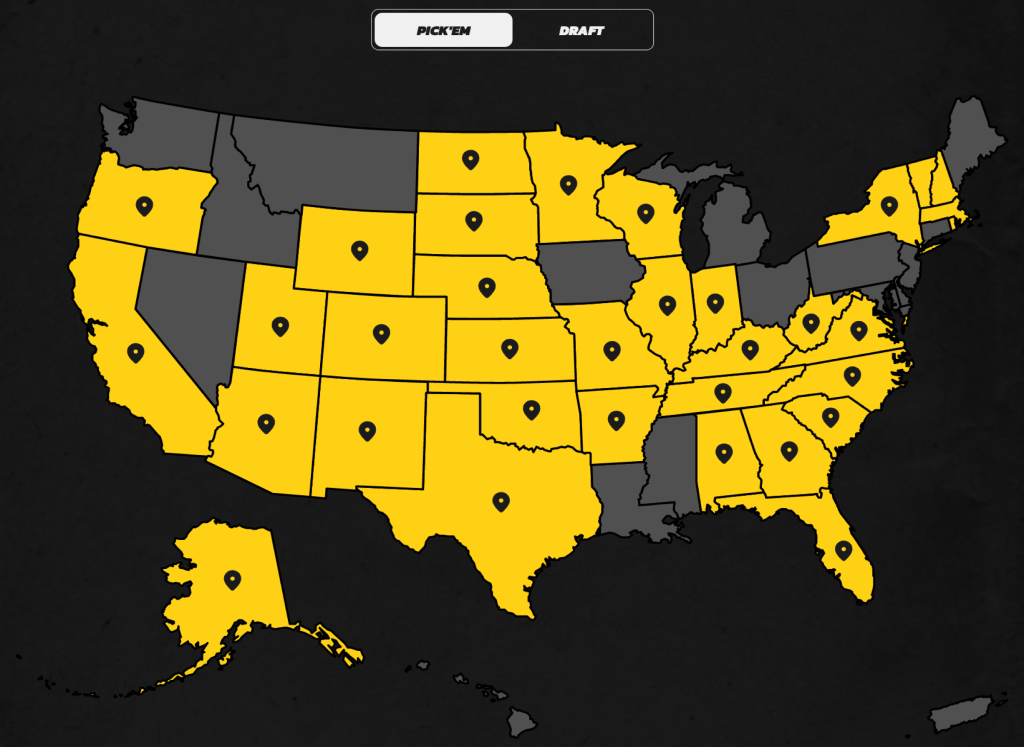
Given the [Texas] Attorney General’s opinion and the general legal climate surrounding fantasy sports, Underdog Fantasy has operated within Texas. The platform allows Texan residents to participate in various fantasy sports contests. This continued operation suggests that, under the current interpretation of [Texas] law, the platform is considered legal for individuals residing in the state.
However, it is important to note that the legal landscape for fantasy sports is not static. As technology evolves and new forms of sports engagement emerge, laws may be revisited or clarified by state legislatures. While the current interpretation favors the legality of skill-based fantasy sports, it’s always advisable for users to stay informed about any potential legislative changes.
The distinction between “games of skill” and “gambling” is a critical one. If a platform were to introduce elements that significantly tilted the balance towards chance, its legal standing could be jeopardized. For instance, games with extremely short time horizons and unpredictable outcomes that heavily rely on luck rather than strategic player selection might face greater scrutiny. Underdog Fantasy, by focusing on season-long drafts and player projections, has largely positioned itself within the “game of skill” framework.
Considerations for Texan Users
For Texan residents interested in using Underdog Fantasy, there are a few practical considerations:
- Age Restrictions: Like most regulated gaming and fantasy sports platforms, users must typically be of legal age (usually 18 or 21, depending on the specific platform and state regulations) to participate. In Texas, the minimum age for fantasy sports participation is generally 18 years old.
- Location Verification: Platforms like Underdog Fantasy employ geolocation technology to ensure that users are physically located within the state where the platform is legally permitted to operate. This means that even if you are a Texan resident, you must be within the state’s borders when playing.
- Platform Terms of Service: Always review the terms of service provided by Underdog Fantasy. These documents outline the rules of engagement, user responsibilities, and the platform’s commitment to operating within legal frameworks.
The appeal of fantasy sports lies in its ability to deepen engagement with athletic events. For fans in Texas, platforms like Underdog Fantasy offer an exciting avenue to test their sports knowledge and potentially win rewards, all within the accepted legal boundaries as currently understood.
The Future of Fantasy Sports Regulation in Texas
While the current legal status of Underdog Fantasy in Texas appears to be favorable, the evolving nature of the sports betting and fantasy sports industries means that regulatory landscapes can shift. Many states have been actively debating and implementing specific legislation for fantasy sports. It is plausible that Texas may eventually see more explicit legislative action that either further clarifies or modifies the rules surrounding these games.
For instance, the rise of sports betting in other states could influence [Texas]’s approach. However, the state has historically maintained a more conservative stance on gambling compared to some other jurisdictions. The classification as a “game of skill” has been the protective shield for fantasy sports, and any legislative changes would likely need to demonstrate a clear shift in how these contests are viewed.
The continued popularity of platforms like Underdog Fantasy and the increasing consumer demand for these types of entertainment options suggest that any legislative discussions will likely involve balancing consumer protection with the desire to foster innovation and economic activity within the state.
Conclusion: A Green Light for Texan Players (for now)
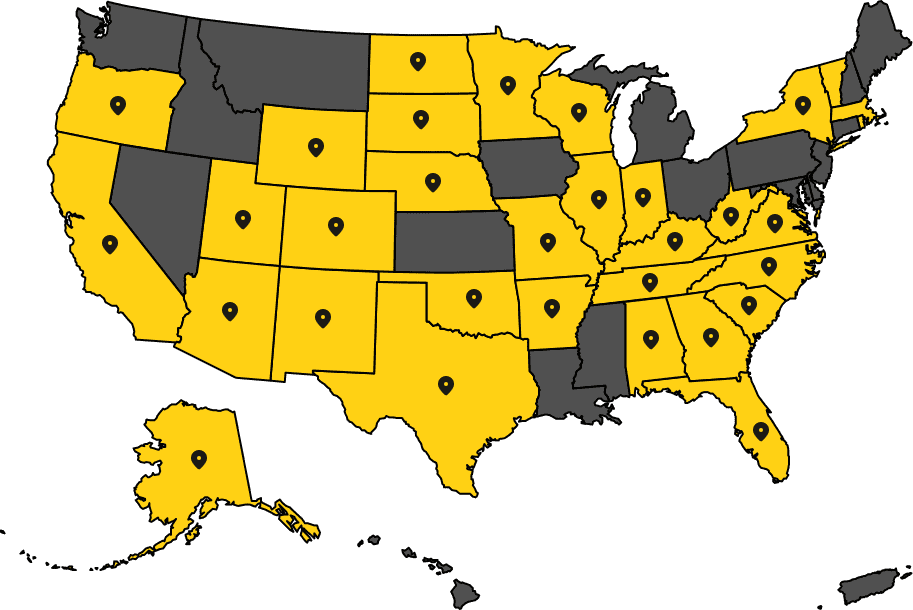
Based on the current interpretation of [Texas] law, particularly the [Texas] Attorney General’s opinion from 2015, and the operational practices of platforms like Underdog Fantasy that emphasize skill, the answer to “Is Underdog Fantasy legal in Texas?” is generally yes. Texan residents can participate in the platform’s offerings, provided they meet age requirements and are physically located within the state.
The legal framework, which views fantasy sports as games of skill rather than chance, has provided a stable environment for these platforms to thrive. However, as with any rapidly evolving industry, it is prudent for users to remain aware of potential future legal developments. For now, fans of fantasy sports in Texas can continue to enjoy the strategic challenges and excitement that Underdog Fantasy provides. The continued operation and lack of explicit prohibition within Texas underscore the state’s current stance on skill-based fantasy sports.
LifeOutOfTheBox is a participant in the Amazon Services LLC Associates Program, an affiliate advertising program designed to provide a means for sites to earn advertising fees by advertising and linking to Amazon.com. Amazon, the Amazon logo, AmazonSupply, and the AmazonSupply logo are trademarks of Amazon.com, Inc. or its affiliates. As an Amazon Associate we earn affiliate commissions from qualifying purchases.