
As Dallas, Texas continues to evolve as a vibrant hub for tourism and local experiences, understanding the legal landscape surrounding certain amenities is crucial for visitors planning their itineraries. While not directly a topic of traditional tourism guides, the legal status of cannabis, commonly referred to as “weed,” can impact a traveler’s awareness and choices when exploring the city. This article aims to clarify the current legal standing of marijuana in Dallas, Texas, in 2024, providing context for those interested in local regulations that might touch upon their visit, particularly concerning low-THC cannabis products.
Understanding Texas’s Cannabis Laws
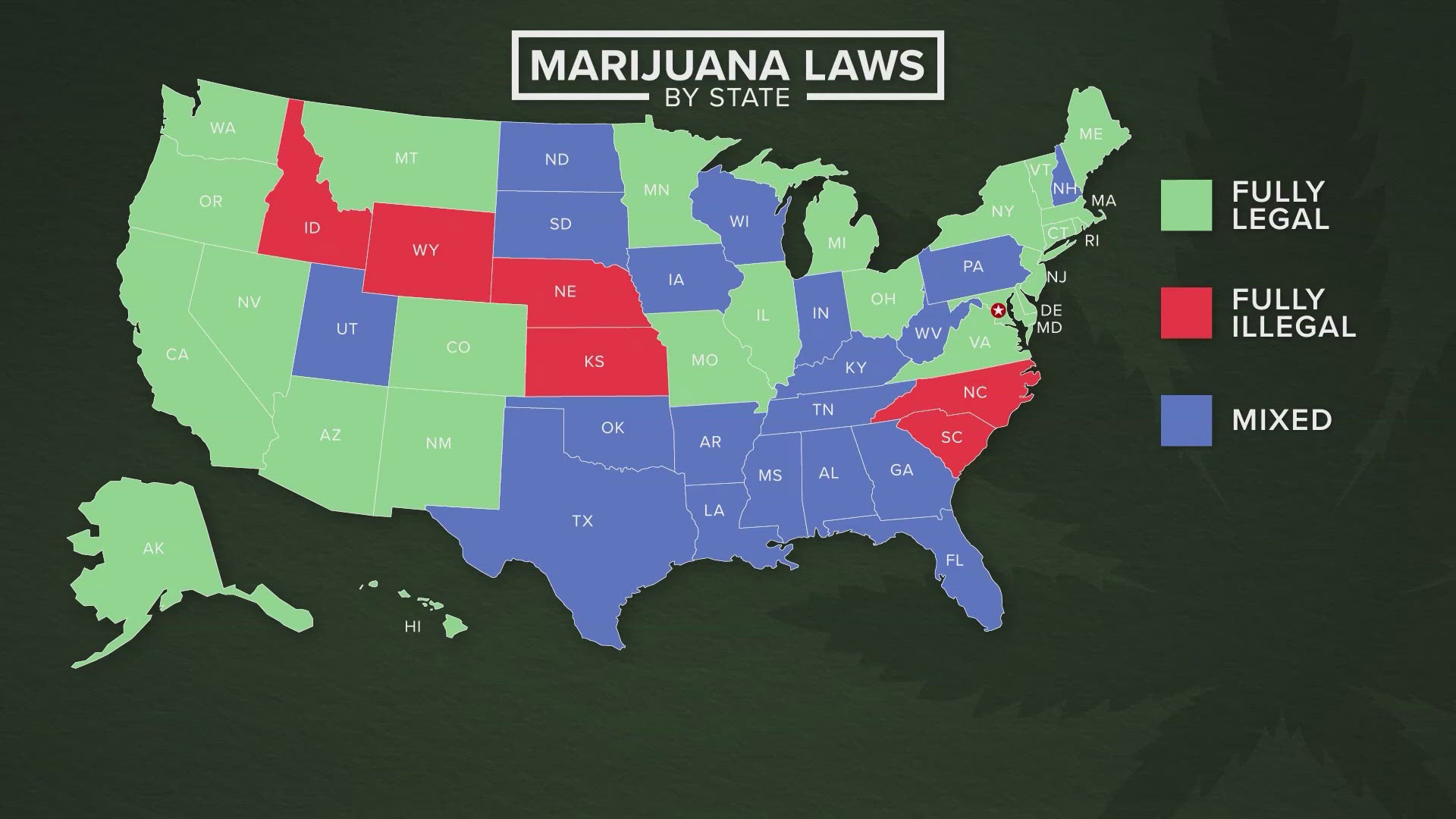
Texas has historically maintained some of the strictest cannabis laws in the United States. However, recent legislative changes have introduced nuances, particularly concerning medical use and low-THC products. It’s essential to differentiate between recreational marijuana, medical marijuana, and low-THC cannabis, as their legal statuses vary significantly.
The Compassionate Use Program (CUP)
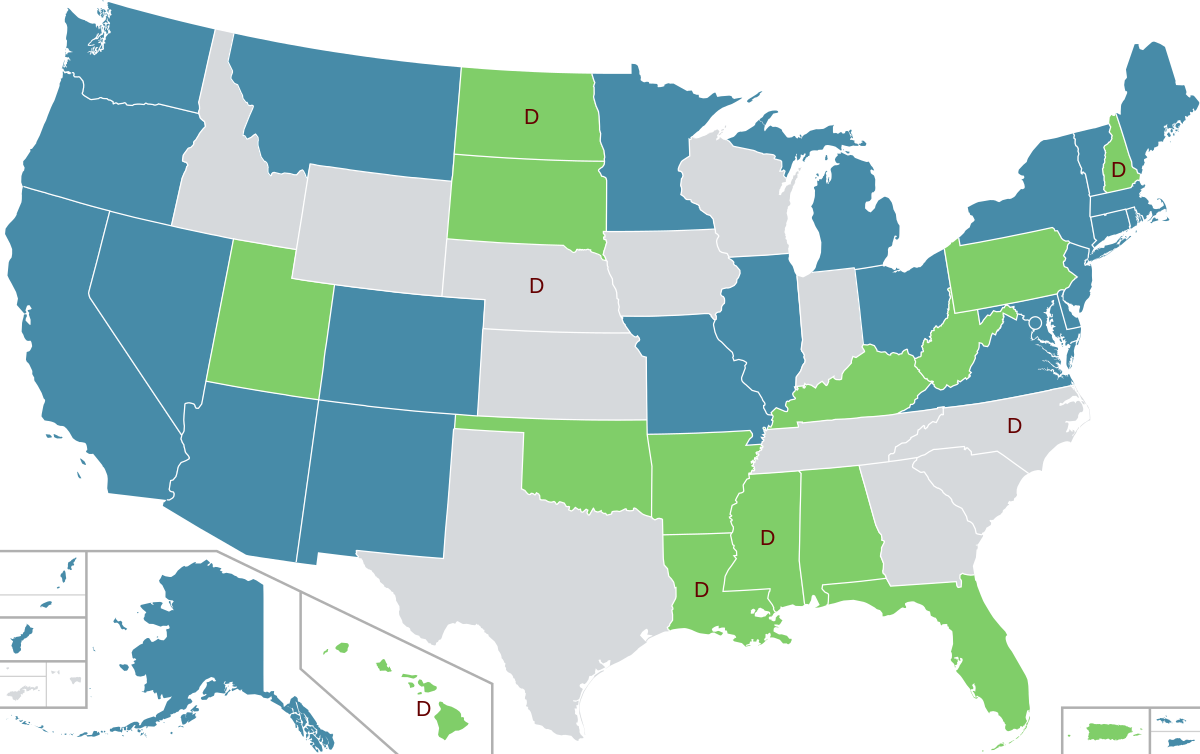
In 2015, Texas enacted the Texas Compassionate Use Program (CUP), which legalized low-THC cannabis for patients with specific debilitating medical conditions. This program allows registered physicians to prescribe cannabis with a THC content of no more than 0.5% by weight, along with a CBD content of at least 10%.
Qualifying Conditions
The list of qualifying conditions for the CUP has expanded over the years. Initially limited to epilepsy and seizure disorders, it now includes:
- Epilepsy and other seizure disorders
- Multiple sclerosis
- Spasticity
- Amyotrophic lateral sclerosis (ALS)
- Autism
- Terminal cancer
- Incurable neurological disease
It is important to note that the CUP is a strictly medical program. Possession of cannabis outside of the prescriptions authorized by the CUP carries legal penalties.
Recreational Marijuana in Texas
As of 2024, recreational marijuana remains illegal in Texas, including in Dallas. Possession of any amount of marijuana not covered by the CUP can result in criminal charges, fines, and potential jail time. The penalties vary depending on the quantity of marijuana possessed. Even small amounts for personal use can lead to misdemeanor charges.
Decriminalization Efforts in Texas Cities
While state law prohibits recreational marijuana, some cities in Texas have taken steps to reduce penalties for low-level marijuana possession. These actions, often referred to as decriminalization, do not make marijuana legal but rather reduce the likelihood of arrest and prosecution for small amounts.
Dallas has not officially decriminalized marijuana possession at the city level in the same way some other Texas cities have. However, the Dallas Police Department has, at times, implemented policies to reduce arrests for very small amounts of marijuana. These policies are subject to change and do not alter the underlying state law. Travelers should be aware that these local enforcement practices do not equate to legality and that possessing marijuana outside of the CUP remains a risk.
Low-THC Cannabis Products in Dallas
The legality of low-THC cannabis products in Dallas is directly tied to the Texas Compassionate Use Program. Licensed dispensaries in Texas are permitted to sell these products to registered patients with a valid prescription from a qualified physician.
Where to Find Low-THC Cannabis
For individuals who qualify for the CUP, access to low-THC cannabis is available through licensed dispensaries across Texas. These dispensaries are regulated by the state and adhere to strict guidelines for product quality and sales. It is crucial for patients to obtain a prescription and be registered in the state’s medical marijuana program to legally purchase these products.

Implications for Tourists and Visitors in Dallas
Understanding the legal status of cannabis in Dallas is important for visitors to ensure they do not inadvertently break the law. While the city offers a wealth of attractions and experiences, it’s prudent to be informed about local regulations.
What Visitors Should Know
- Recreational Use is Illegal: Visitors should be aware that possessing or consuming recreational marijuana in Dallas is against the law. This includes products purchased from states where marijuana is legal.
- Medical Use is Restricted: The Texas Compassionate Use Program is for Texas residents who have been diagnosed with a qualifying condition and have a prescription. Tourists and visitors generally cannot participate in this program during their stay.
- Enforcement: While enforcement priorities can vary, travelers should assume that possession of illegal substances will be treated seriously by law enforcement.
- CBD Products: Non-psychoactive CBD products derived from hemp (containing less than 0.3% THC) are generally legal under federal and state law, provided they are sourced from licensed producers. However, it’s always wise to verify the THC content and source of any CBD products purchased.
Navigating Dallas Safely
When planning a visit to Dallas, focusing on the city’s rich cultural offerings, culinary scene, and entertainment options will ensure a memorable and legally compliant experience. The city boasts world-class museums, vibrant arts districts, diverse dining experiences, and numerous sporting events.
For example, visitors can explore the Dallas Arts District, home to institutions like the Dallas Museum of Art and the Nasher Sculpture Center. The Sixth Floor Museum at Dealey Plaza offers a significant historical perspective. For entertainment, the Bishop Arts District provides unique boutiques and restaurants, while Deep Ellum is known for its live music venues.
Legal Alternatives for Relaxation and Well-being
For visitors seeking relaxation or ways to enhance their travel experience without engaging in activities that are legally restricted, Dallas offers numerous alternatives.
- Spa and Wellness Centers: Many hotels and standalone establishments offer spa services, yoga classes, and wellness treatments that can help visitors unwind.
- Culinary Experiences: Exploring the diverse culinary landscape of Dallas, from Tex-Mex to fine dining, can be a highly rewarding part of any visit.
- Outdoor Activities: Dallas offers parks and recreational areas for walking, cycling, or simply enjoying the outdoors. Klyde Warren Park, built over a freeway, is a popular urban green space.
The Future of Cannabis Laws in Texas
The conversation around cannabis legalization is ongoing in many states, and Texas is no exception. While significant changes to recreational marijuana laws are not anticipated in the immediate future, the Texas Legislature continues to debate and consider reforms related to medical cannabis and THC limits.
Legislative Trends
Advocates for broader legalization point to the growing number of states that have legalized recreational or expanded medical marijuana programs. Public opinion in Texas also appears to be shifting, with a majority of Texans reportedly supporting some form of marijuana legalization.
However, the conservative political climate in Texas means that legislative changes are often incremental. The focus has been primarily on expanding the Compassionate Use Program rather than outright legalization. Any significant shifts in the legal status of cannabis in Texas would likely require substantial political will and broad public support to overcome existing legislative hurdles.
Impact on Tourism and Business
Should Texas move towards broader legalization, it could have a notable impact on its tourism industry and local businesses. States with legal cannabis markets often see an increase in tourism, with visitors seeking out dispensaries and cannabis-themed experiences. Businesses in ancillary sectors, such as cannabis tourism operators, product manufacturers, and related retail, could also see significant growth.
For Dallas, a city that actively promotes its tourism sector, such a shift would present new opportunities for economic development and diversification. However, these potential changes remain speculative as of 2024, and current laws and enforcement practices in Texas are still the primary considerations for visitors.
Conclusion
In summary, as of 2024, recreational marijuana remains illegal in Dallas, Texas. The Texas Compassionate Use Program allows for the legal use of low-THC cannabis for registered medical patients with specific qualifying conditions. Visitors to Dallas should adhere to these laws and avoid possession of any non-medical cannabis to prevent legal issues. While the legal landscape of cannabis is evolving, current regulations prioritize strict control. Tourists and locals alike can enjoy the many attractions and activities that Dallas has to offer by staying informed and compliant with state and local laws.
LifeOutOfTheBox is a participant in the Amazon Services LLC Associates Program, an affiliate advertising program designed to provide a means for sites to earn advertising fees by advertising and linking to Amazon.com. Amazon, the Amazon logo, AmazonSupply, and the AmazonSupply logo are trademarks of Amazon.com, Inc. or its affiliates. As an Amazon Associate we earn affiliate commissions from qualifying purchases.