
Navigating the nuanced regulations surrounding vehicle modifications can often feel like traversing a labyrinth, especially when it comes to aesthetic enhancements like window tinting. In the vast state of Texas, where sunshine is a constant companion and vehicle ownership is deeply ingrained in the culture, understanding the legality of windshield tint is paramount for drivers seeking to personalize their vehicles while remaining compliant with state law. This guide delves into the specifics of Texas tint laws, offering clarity and practical advice for motorists.
Understanding Texas Tint Laws: The Windshield Front and Center
The legal framework governing window tint in Texas is primarily defined by Texas Transportation Code § 547.324. This statute outlines the permissible levels of light transmission for various windows on a vehicle. When it comes to the windshield, the regulations are particularly stringent, designed to ensure unobstructed visibility for the driver and to facilitate law enforcement’s ability to see into the vehicle’s cabin.
Front Windshield Tint: The Strict Rule
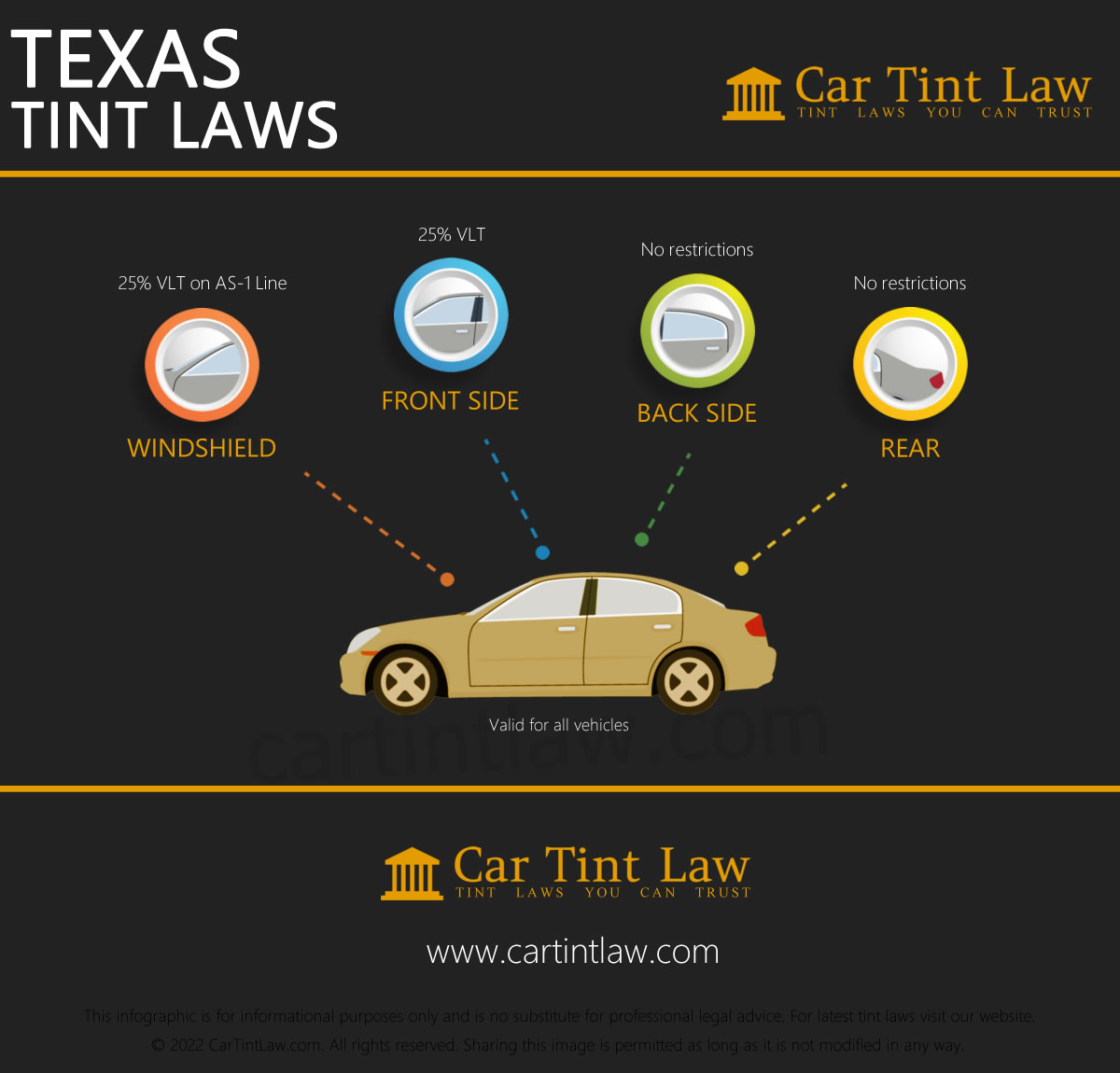
In Texas, the front windshield is subject to the most restrictive tinting laws. The state mandates that the tint applied to the front windshield cannot extend below the American Automobile Association (AAA) safety line, often referred to as the AS-1 line. This line is typically marked with a black band or a series of etched numbers on the windshield itself, usually located about 5 to 6 inches down from the top of the windshield.
The purpose of this regulation is critical: to maintain a clear and unobstructed view of the road and potential hazards for the driver. Even a slight deviation from this rule can result in a citation. It’s important to note that even this allowed tinting must still permit a certain amount of light to pass through. The law specifies a minimum of 70% of Visible Light Transmission (VLT) for the front windshield. VLT refers to the percentage of the sun’s light that passes through the tinted film and into the vehicle. Therefore, any tint applied below the AS-1 line must allow at least 70% of light to enter. This effectively means that most aftermarket tint films, even those considered very light, would likely violate the law if applied to the entire windshield.
Exceptions and Considerations for Windshield Tint
While the general rule is quite clear, there are specific circumstances and valid reasons why a driver might seek tint on their front windshield. Texas law does provide for limited exceptions, primarily related to medical necessity.
Medical Exemptions
Individuals with documented medical conditions that are exacerbated by exposure to sunlight may be eligible for an exemption to the standard tinting laws. This typically includes conditions such as lupus, certain skin cancers, or photosensitivity disorders. To obtain a medical exemption, a driver must acquire a written statement from a licensed physician. This statement must clearly detail the medical condition and explain why tinted windows are necessary for the patient’s health.
The exemption, once granted, will usually specify the type and extent of tinting permitted. It is crucial for drivers with a medical exemption to carry this documentation with them at all times while driving. This document serves as proof to law enforcement that their vehicle is in compliance with the law due to a medically recognized need. Without this official documentation, any tint on the windshield beyond the AS-1 line would be considered a violation.
Professional Installation and Compliance Checks
When considering any form of window tinting in Texas, professional installation is highly recommended. Experienced installers are well-versed in the state’s regulations and can advise on the darkest legal tint for side and rear windows. They can also ensure that any tint applied to the front windshield adheres strictly to the AS-1 line or falls within the guidelines of a medical exemption.
Before committing to any tinting service, it’s advisable to discuss the legalities with the installer. They can often provide samples of tint films and explain their respective VLT percentages. A reputable tint shop will prioritize legal compliance and guide you toward choices that will not put you at risk of receiving a ticket. Furthermore, some jurisdictions may have handheld devices to measure VLT, so adhering to the precise legal requirements is essential.
Legal Tint Percentages for Other Windows in Texas
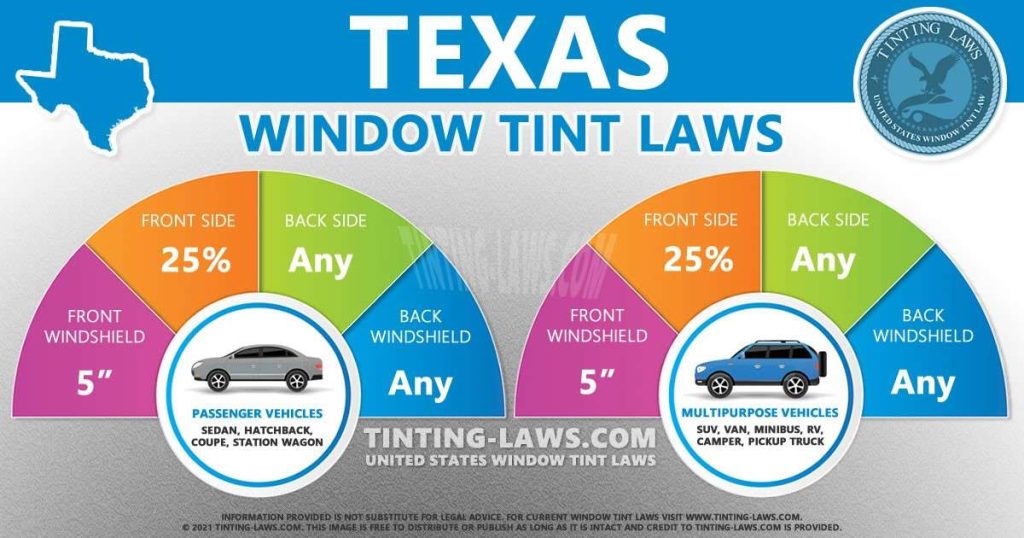
While the front windshield has its specific, stringent rules, the laws for the side and rear windows offer a bit more flexibility, though still with clear guidelines. Understanding these percentages is key for a fully compliant vehicle.
Side and Rear Window Tint Regulations
For passenger vehicles, Texas law dictates the maximum darkness for the side and rear windows.
- Front Side Windows: These windows, meaning the windows to the left and right of the driver and front passenger, must allow at least 30% of VLT. This means the tint applied can be no darker than 70%.
- Rear Window: The rear window can have a tint of up to 25% VLT. This means it can be tinted to be as dark as 75%.
It is important to note that these percentages apply to the tint film itself. Manufacturers often list the VLT of their films, and installers should be able to provide this information.
Dual-Toned Vehicles and Tint
A specific consideration for Texas tint laws involves vehicles with dual-toned paint schemes or certain commercial vehicles. The law makes a distinction for these types of vehicles, allowing for darker tints on the rear windows than might otherwise be permissible. However, for the vast majority of passenger vehicles, the 30% VLT for front side windows and 25% VLT for the rear window remain the standard.
Tint Reflectivity Standards
Beyond light transmission, Texas law also addresses the reflectivity of window tint. For all vehicle windows, including the front windshield, side, and rear windows, the tint should not exceed 25% of the total reflective light. This measure is in place to prevent excessive glare that could be hazardous to other drivers on the road. High-gloss or highly reflective tint films could potentially cause dangerous reflections, particularly when sunlight bounces off them.
Consequences of Non-Compliance and Tips for Avoiding Tickets
Driving a vehicle with illegal window tint in Texas can lead to more than just an unsightly ticket; it can be a recurring issue if not addressed. Law enforcement officers are trained to identify vehicles with non-compliant tint, and citations can be issued.
Potential Penalties for Illegal Tint
A citation for illegal window tint in Texas is typically a misdemeanor offense. The penalties can vary by jurisdiction, but often include a fine. In some cases, officers may issue a “fix-it ticket,” giving the driver a specific period to have the illegal tint removed or altered to comply with the law. Failure to do so can result in further penalties, including court appearances and increased fines.
Moreover, illegal tint can sometimes be a contributing factor in traffic stops. If an officer has another reason to stop a vehicle, they may also note the illegal tint as a secondary offense. This can compound the inconvenience and potential cost for the driver.

Practical Advice for Texas Drivers
To avoid issues with Texas window tint laws, drivers should:
- Know the Law: Familiarize yourself with Texas Transportation Code § 547.324. Understanding the AS-1 line for the windshield and the VLT percentages for side and rear windows is crucial.
- Consult Professionals: Always use reputable and licensed window tinting professionals. They are knowledgeable about the law and can ensure your tint is installed legally.
- Seek Medical Exemptions: If you have a medical condition that necessitates darker tint, obtain the proper documentation from your physician.
- Carry Documentation: If you have a medical exemption, always carry the physician’s statement with you.
- Regular Inspections: Periodically check your vehicle’s tint to ensure it hasn’t deteriorated or been altered in a way that makes it non-compliant.
- Be Wary of “Too Good to Be True” Offers: If a tint shop offers excessively dark tint for all windows at a very low price, it’s a red flag that they might not be adhering to legal standards.
By staying informed and making compliant choices, Texas drivers can enjoy the benefits of window tint—such as reduced heat, UV protection, and enhanced privacy—without risking legal repercussions. The key lies in understanding the specific regulations set forth by the state and working with professionals who prioritize safety and legality. The Lone Star State is a place where personal expression is often valued, but when it comes to vehicle modifications like window tint, adherence to the law is essential for the safety and well-being of all road users.
LifeOutOfTheBox is a participant in the Amazon Services LLC Associates Program, an affiliate advertising program designed to provide a means for sites to earn advertising fees by advertising and linking to Amazon.com. Amazon, the Amazon logo, AmazonSupply, and the AmazonSupply logo are trademarks of Amazon.com, Inc. or its affiliates. As an Amazon Associate we earn affiliate commissions from qualifying purchases.