
Navigating the legalities surrounding marriage, especially when planning a wedding in a new destination, is crucial for a smooth and memorable experience. For couples considering tying the knot in the Lone Star State, understanding the marriage age requirements in Texas is a fundamental step. This guide delves into the specifics of Texas marriage laws, ensuring that your dream wedding aligns with state regulations, whether you’re a local resident or a visitor planning a destination wedding.
Legal Age for Marriage in Texas
In Texas, the general legal age for marriage is 18 years old. This aligns with the age of majority in most jurisdictions, signifying that individuals aged 18 and above are considered adults with the legal capacity to enter into a contract, including marriage.
Standard Requirements for Individuals Aged 18 and Over
For individuals who have reached their 18th birthday, the process of obtaining a marriage license in Texas is relatively straightforward. Key requirements include:
- Valid Identification: Both parties must present valid, government-issued photo identification. This can include a driver’s license, state-issued ID card, passport, or military ID. The identification must be current and not expired.
- Social Security Numbers: While not always required to be physically present, individuals will typically need to know their Social Security numbers.
- Marriage License Application: The couple must appear in person at a county clerk’s office in Texas to apply for a marriage license. The application requires personal information for both individuals, such as full names, dates of birth, places of birth, and parents’ full names.
- Waiting Period: Texas has a mandatory 72-hour waiting period between the issuance of the marriage license and the solemnization of the marriage. This means the ceremony cannot take place until at least 72 hours after the license is granted. This waiting period can be waived under certain circumstances, such as if one of the applicants is on active duty in the United States armed forces or if the waiting period has been waived by a judge.
- License Expiration: A Texas marriage license is valid for 90 days from the date of issuance. If the wedding does not occur within this 90-day window, the license expires, and a new one must be obtained.
Marriage Without Parental Consent
Individuals who are 18 years or older are considered adults and can marry without the consent of their parents or guardians. They are legally empowered to make their own decisions regarding marriage.
Marriage Under the Age of 18 in Texas
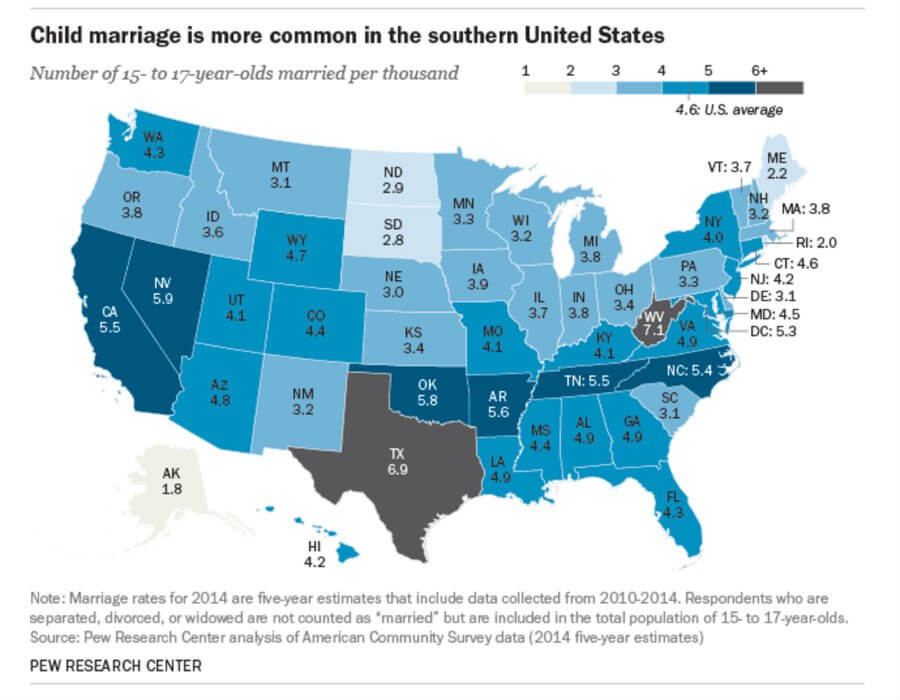
Texas law has specific provisions for individuals under the age of 18 who wish to marry. These provisions were significantly updated in recent years to protect minors and ensure that marriages involving minors are entered into with careful consideration and legal oversight.
The Current Legal Landscape for Minors
As of September 1, 2017, Texas law prohibits marriage for individuals under the age of 18, with very limited exceptions. Previously, individuals as young as 16 could marry with parental consent. However, legislative changes have raised the minimum age to 18, effectively ending marriage for most individuals under this age.
Exceptions to the Minimum Age Requirement
While the general rule now prohibits marriage for those under 18, there remains a narrow exception that allows individuals who are 16 or 17 years old to marry if they obtain a court order granting permission. This is a significant departure from the previous law and reflects a strong emphasis on safeguarding minors.
- Judicial Consent: To obtain a court order, an applicant who is 16 or 17 years old must petition a judge. The judge will consider various factors before granting permission. These factors often include:
- Maturity of the Applicants: The judge will assess the maturity level of both individuals, considering their ability to understand the responsibilities and implications of marriage.
- Best Interest of the Minor: The court’s primary concern is the best interest of the minor applicant. This involves evaluating whether the marriage is in their overall well-being and future prospects.
- Absence of Coercion: The judge must be satisfied that the marriage is not the result of coercion, duress, or undue influence. Both parties must demonstrate their free will in pursuing the marriage.
- Financial Stability (Potentially): While not always a direct legal requirement, a judge may inquire about the couple’s ability to support themselves, especially if they are young and lack independent means.
- Parental or Guardian Consent (Not Required but Considered): Unlike the previous law, parental consent is not a direct requirement for a judicial waiver. However, the judge might still consider the views of parents or legal guardians as part of their assessment of the minor’s circumstances.
It is crucial to understand that obtaining a court order is not guaranteed and involves a rigorous legal process. The judge has the discretion to deny the petition if they believe the marriage is not in the minor’s best interest.
Prohibited Marriages for Minors
Even with a court order, individuals under the age of 16 cannot marry in Texas, regardless of parental or judicial consent. This hard limit is in place to prevent exploitative situations and protect very young individuals.

Planning Your Texas Wedding: Important Considerations
For any couple planning to marry in Texas, regardless of age, careful planning and attention to legal details are paramount. Understanding these requirements ensures that your wedding day is not only beautiful but also legally sound.
Obtaining Your Marriage License
The process of obtaining a marriage license is the first official step towards marriage in Texas.
- Where to Apply: Marriage licenses are issued by the County Clerk in any county within Texas. You do not have to apply in the county where you reside or where the wedding will take place.
- Application Process: Both applicants must be present at the County Clerk’s office. Be prepared to provide the required identification and information. Some counties may offer online pre-application services to expedite the process, but the final application and signing must be done in person.
- Fees: There is a fee associated with obtaining a marriage license, which varies slightly by county. It’s advisable to check the specific fee with the county clerk’s office beforehand. Some counties may offer a discount on the marriage license fee if the couple completes a premarital education course approved by the state.
The Marriage Ceremony and License Return
Once the marriage license is issued and the 72-hour waiting period has passed, the couple can proceed with their wedding ceremony.
- Officiant Requirements: The marriage ceremony must be performed by an authorized officiant. This typically includes:
- Licensed or ordained Christian ministers.
- Priests.
- Rabbis.
- Judges of federal, state, or municipal courts.
- Retired judges or justices of the peace.
- Chaplains in the armed forces.
- Signing the License: After the ceremony, the officiant, the couple, and often a witness will sign the marriage license.
- Returning the License: The officiant is responsible for returning the signed marriage license to the County Clerk’s office that issued it within a specified timeframe, usually within 30 days of the ceremony. Once recorded by the County Clerk, the marriage is legally registered.
Destination Weddings in Texas
Texas is a popular destination for weddings, offering a diverse range of venues from the vibrant cityscapes of Austin and Dallas to the scenic Hill Country and the coastal charm of Galveston. For couples planning a destination wedding, it’s important to note that the marriage license requirements remain the same for non-residents as they do for residents.
- Out-of-State Residents: If you are not a Texas resident, you can still obtain a marriage license from any Texas county clerk. You do not need to be a resident of the state to marry there.
- Pre-marital Counseling Discount: As mentioned, completing a state-approved premarital education course can waive the 72-hour waiting period and also provide a discount on the marriage license fee. This can be a significant advantage for destination wedding couples who may have limited time in the state.
- Legal Recognition: Marriages legally performed in Texas are recognized in all other states and jurisdictions.
Protecting Minors and Ensuring Responsible Marriage
The evolution of marriage laws in Texas, particularly concerning minors, underscores a broader societal commitment to protecting vulnerable individuals and ensuring that marriage is a well-considered and consensual union.
The Rationale Behind Age Restrictions
The age restrictions for marriage are not arbitrary. They are based on a recognition of developmental stages, legal capacity, and the potential risks associated with early marriage.
- Maturity and Decision-Making: Adolescence is a period of significant personal development. While some individuals may exhibit maturity beyond their years, the legal system generally presumes that individuals under 18 may not have fully developed the capacity for making life-altering decisions like marriage.
- Protection Against Exploitation: Historically, younger individuals have been more susceptible to coercion and exploitation in marriage. The current laws aim to mitigate these risks by establishing higher age thresholds and requiring judicial oversight for any exceptions.
- Educational and Life Opportunities: Early marriage can sometimes disrupt educational pursuits and limit future life and career opportunities. The extended period of adolescence, as defined by the legal age of 18, provides a crucial window for education, personal growth, and the establishment of independence.

Resources for Legal Guidance
For individuals considering marriage in Texas, especially those who are under the age of 18, seeking legal counsel is highly recommended.
- County Clerk’s Office: The Texas Association of Counties provides resources and information on county services, including marriage licenses.
- Legal Aid Societies: For those who may have financial constraints, local legal aid societies can offer assistance and guidance on family law matters.
- Private Attorneys: Consulting with a family law attorney in Texas can provide personalized advice tailored to specific circumstances, particularly for those navigating the judicial consent process for minors.
By understanding and adhering to these legal frameworks, couples can confidently plan their wedding in Texas, ensuring their union is both a joyous celebration and a legally recognized commitment.
LifeOutOfTheBox is a participant in the Amazon Services LLC Associates Program, an affiliate advertising program designed to provide a means for sites to earn advertising fees by advertising and linking to Amazon.com. Amazon, the Amazon logo, AmazonSupply, and the AmazonSupply logo are trademarks of Amazon.com, Inc. or its affiliates. As an Amazon Associate we earn affiliate commissions from qualifying purchases.