
For many, the allure of Texas’s diverse waterways—from the shimmering Gulf Coast to the tranquil Hill Country rivers—is a powerful draw. Whether you’re a seasoned angler or a curious novice looking to cast a line for the first time, understanding the regulations surrounding fishing in the Lone Star State is paramount. A fundamental aspect of this is knowing when a fishing license becomes a necessity. This guide delves into the specific age requirements for fishing licenses in Texas, ensuring your outdoor adventures are both enjoyable and compliant with state law.

Understanding Texas Fishing License Requirements
The Texas Parks and Wildlife Department (TPWD) oversees the regulation of fishing and hunting activities across the state. Their primary goal is to conserve natural resources while providing opportunities for Texans and visitors to enjoy the outdoors. A key component of this conservation effort is the fishing license system, which generates revenue used to fund habitat restoration, fish stocking programs, and wildlife management.
The Critical Age Threshold
In Texas, the requirement for a fishing license hinges on age. Children under a specific age are generally exempt from needing a license. This policy is designed to encourage participation in outdoor activities from a young age, fostering a connection with nature without imposing financial or regulatory burdens on the youngest aspiring anglers.
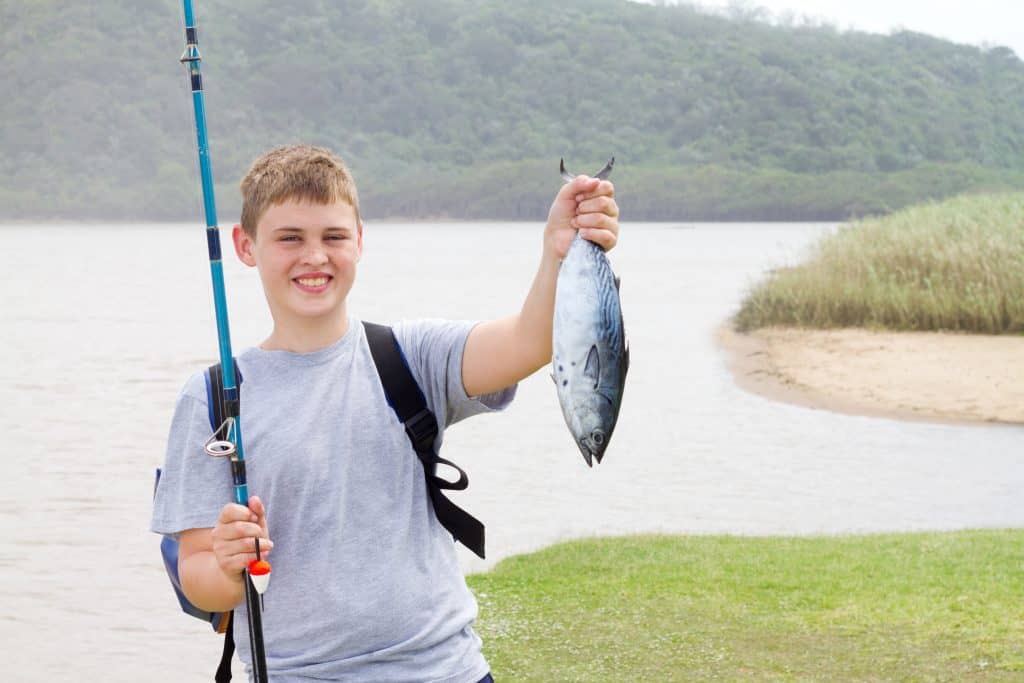
- The Age of Exemption: Anglers in Texas do not need a fishing license until they reach 17 years of age. This means that individuals aged 16 and younger can fish in public waters without purchasing a license. This exemption applies to both residents and non-residents alike.
This straightforward rule makes it easy for families to introduce their children to the joys of fishing. Parents and guardians can take their young ones to local lakes like Lake Fork or rivers like the Guadalupe River without the need for additional permits for the children.
When Does the Requirement Kick In?
Conversely, once an individual turns 17, they are required to obtain a valid Texas fishing license before they can legally fish in public waters. This applies to all types of fishing, whether it’s freshwater or saltwater, shore fishing, or from a boat. The license must be carried by the angler while fishing and presented upon request by a game warden or other law enforcement officer.
- Purchasing Your First License: For those turning 17, the process of obtaining a fishing license is simple. Licenses can be purchased online through the TPWD website, at authorized license vendors (such as sporting goods stores, bait and tackle shops, and some large retail chains), or by phone.
The TPWD offers various license options to suit different needs, including annual licenses, short-term licenses (e.g., 1-day, 3-day, or 30-day), and endorsements for specific types of fishing (like saltwater or certain game fish).
Different License Types for Diverse Anglers
While the age requirement is uniform, the specific type of fishing license needed can vary. Texas offers a range of licenses catering to different needs, whether you’re a Texas resident or a visitor.
Resident vs. Non-Resident Licenses
A significant distinction in Texas fishing licenses is between resident and non-resident.
-
Resident Licenses: These are available to individuals who have been residents of Texas for at least six months. Resident licenses are typically less expensive than their non-resident counterparts, reflecting the state’s commitment to its citizens. Proof of residency, such as a Texas driver’s license or ID card, may be required when purchasing.
-
Non-Resident Licenses: Visitors to Texas who wish to fish in its waters will need to purchase a non-resident license. These are available for various durations, allowing tourists to enjoy fishing during their stay. Options include 1-day, 16-day, and annual non-resident licenses.
Freshwater vs. Saltwater Endorsements
Beyond the basic license, certain fishing activities may require additional endorsements.
- Freshwater Fishing: A standard resident or non-resident fishing license generally covers freshwater fishing. However, it’s always advisable to check the latest regulations on the TPWD website, as specific regulations can change.
- Saltwater Fishing: To fish in saltwater areas—which includes the bays and the Gulf of Mexico along the Texas coast, from Galveston Island State Park to South Padre Island—anglers aged 17 and older must possess a Saltwater Fishing Stamp in addition to their valid fishing license. This stamp is crucial for anyone targeting marine species.
Special Licenses and Permits
The TPWD also offers specialized licenses and permits for specific situations:
-
All-Water Licenses: These comprehensive licenses cover both freshwater and saltwater fishing, along with the necessary endorsements, providing a convenient option for anglers who plan to fish in both environments.
-
Senior Citizens: While there is no fee for those under 17, Texas offers a discounted fishing license for residents aged 65 and older. This allows seniors to continue enjoying their passion for fishing without a significant financial outlay.
-
Disability Licenses: Specific licenses are available for individuals with certain disabilities, often at a reduced cost, further promoting inclusivity in outdoor recreation.
-
Youth Exempt: As mentioned, youth under 17 are exempt from requiring a license. This includes youth participating in organized fishing tournaments or events.
The Importance of Compliance and Conservation
Adhering to fishing license regulations is not merely about avoiding fines; it’s about contributing to the sustainability of Texas’s rich aquatic ecosystems. The revenue generated from license sales directly supports the conservation efforts that ensure future generations can experience the thrill of catching a Texas-sized bass or a prize-winning redfish.
What Constitutes “Fishing”?
It’s important to understand that “fishing” for the purposes of license requirements includes more than just using a rod and reel. Any attempt to catch, take, or possess fish in public waters typically requires a license for those aged 17 and older. This can include using nets, traps, or other passive methods.
Penalties for Non-Compliance
Fishing without a valid license where one is required can result in significant penalties. These can include fines, which vary depending on the severity of the offense and whether it’s a first-time violation. In some cases, repeated violations can lead to the suspension of future hunting and fishing privileges. Game wardens are diligent in enforcing these regulations to protect Texas’s natural resources.
Contributing to Conservation
By purchasing a fishing license, anglers become active participants in conservation. The TPWD uses these funds for a multitude of vital programs:
- Habitat Restoration: Protecting and improving fish habitats in lakes, rivers, and coastal areas.
- Stocking Programs: Introducing hatchery-raised fish into waters to supplement natural populations and support recreational fishing.
- Fisheries Management: Conducting research and implementing strategies to ensure healthy fish populations for the long term.
- Law Enforcement and Education: Funding the game warden force and educational outreach programs that promote responsible outdoor ethics.
Planning Your Texas Fishing Excursion
When planning a fishing trip to Texas, whether you’re a local or a visitor heading to popular fishing destinations like Lake Sam Rayburn or the Colorado River, always check the most up-to-date regulations. The Texas Parks and Wildlife Department’s website is the definitive source for license information, fishing regulations, and catch limits.

Key Takeaways for Anglers
- Under 17: No fishing license required.
- 17 and Older: A valid Texas fishing license is mandatory.
- Saltwater: A Saltwater Fishing Stamp is required in addition to the basic fishing license for saltwater fishing.
- Residency Matters: Resident licenses are more affordable than non-resident licenses.
- Compliance is Key: Always carry your license and adhere to all fishing regulations to support conservation and avoid penalties.
By understanding and respecting these age requirements and licensing regulations, you can ensure your fishing adventures in Texas are not only successful and enjoyable but also contribute to the preservation of the state’s magnificent aquatic environments for years to come. Happy fishing!
LifeOutOfTheBox is a participant in the Amazon Services LLC Associates Program, an affiliate advertising program designed to provide a means for sites to earn advertising fees by advertising and linking to Amazon.com. Amazon, the Amazon logo, AmazonSupply, and the AmazonSupply logo are trademarks of Amazon.com, Inc. or its affiliates. As an Amazon Associate we earn affiliate commissions from qualifying purchases.