
Texas, a state synonymous with vast landscapes, rich history, and diverse cultures, is often best understood by exploring its distinct geographical and cultural regions. While its sheer size might suggest a monolithic identity, Texas is a tapestry woven from the unique threads of its four primary regions. Each offers a different perspective, from the sun-drenched coastlines to the rolling plains and the rugged mountains, presenting an unparalleled array of attractions, activities, and local experiences for any traveler. Understanding these regions is key to unlocking the full spectrum of what the Lone Star State has to offer.
The Panhandle Plains
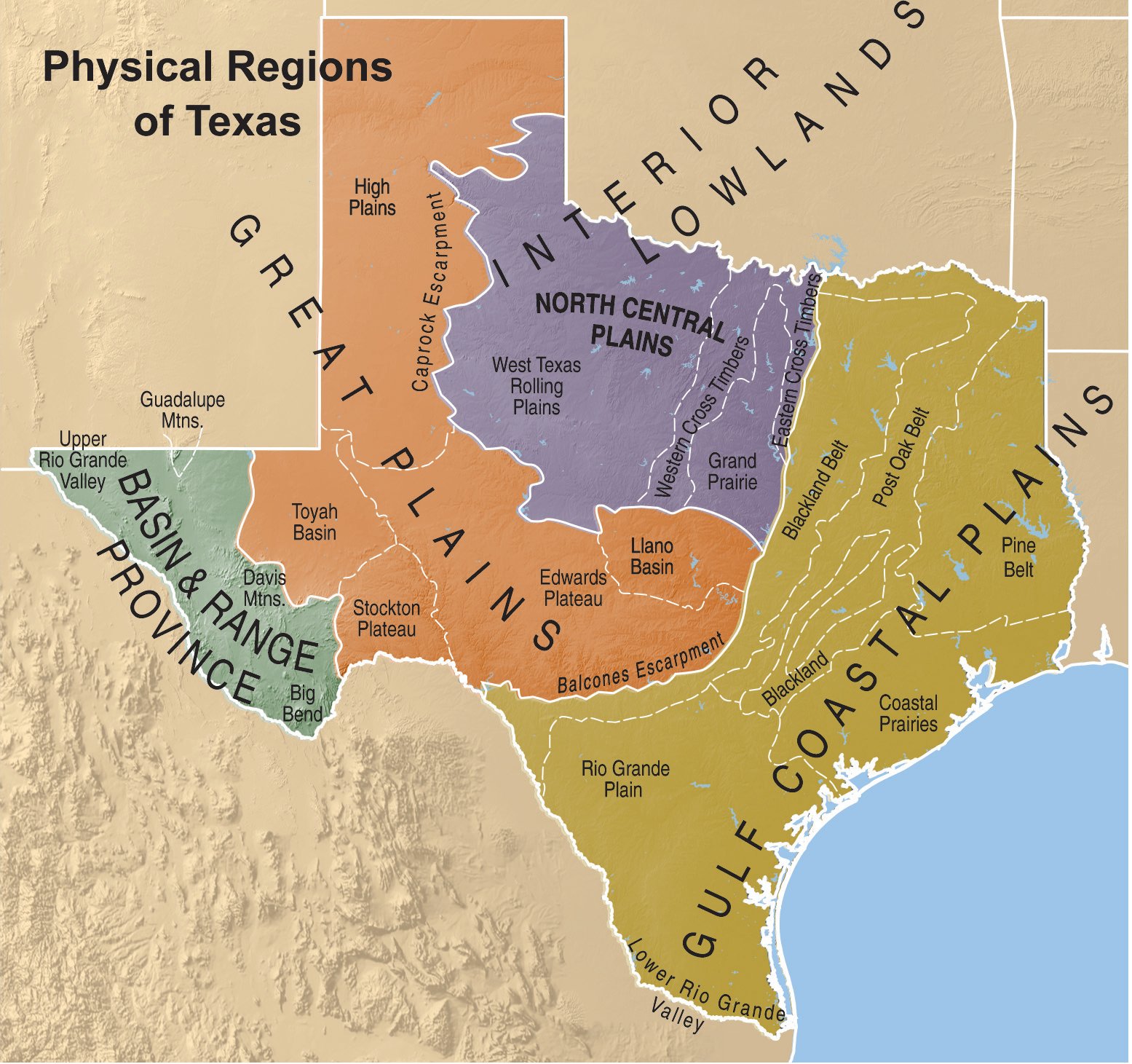
The Panhandle Plains region, situated in the northernmost part of Texas, is characterized by its flat, wide-open spaces, a direct result of its geological history as a former seabed. This area evokes images of classic American West landscapes, with ranches, agricultural fields, and a strong sense of pioneer spirit.
Natural Wonders and Outdoor Adventures
The most striking natural landmark here is Palo Duro Canyon State Park, often referred to as the “Grand Canyon of Texas.” This immense canyon, carved by the Prairie Dog Town Fork of the Red River, offers breathtaking vistas, challenging hiking trails, and opportunities for camping and horseback riding. The vibrant colors of the canyon walls, particularly at sunrise and sunset, are a photographer’s dream. For those interested in paleontology, the region is a treasure trove of fossils, with numerous sites offering glimpses into prehistoric life.
Cultural Hubs and Historical Significance
Amarillo, the largest city in the Panhandle, serves as a vibrant cultural and economic center. It’s famous for its Route 66 heritage, with iconic attractions like the Cadillac Ranch, an art installation where visitors can spray paint on buried Cadillacs. The city also boasts a thriving steakhouse scene, most notably The Big Texan Steak Ranch, known for its 72-ounce steak challenge. The Panhandle-Plains Historical Museum in Canyon provides an in-depth look at the region’s cowboy culture, Native American history, and early pioneer life, making it an essential stop for history buffs.
Experiencing the Panhandle Lifestyle
Life in the Panhandle Plains often revolves around agriculture and the enduring legacy of ranching. Visitors can experience this firsthand by visiting working ranches, attending local rodeos, or simply enjoying the unhurried pace of life. The vast skies are perfect for stargazing, far from the light pollution of major cities, offering a profound connection to the natural world.
North Texas
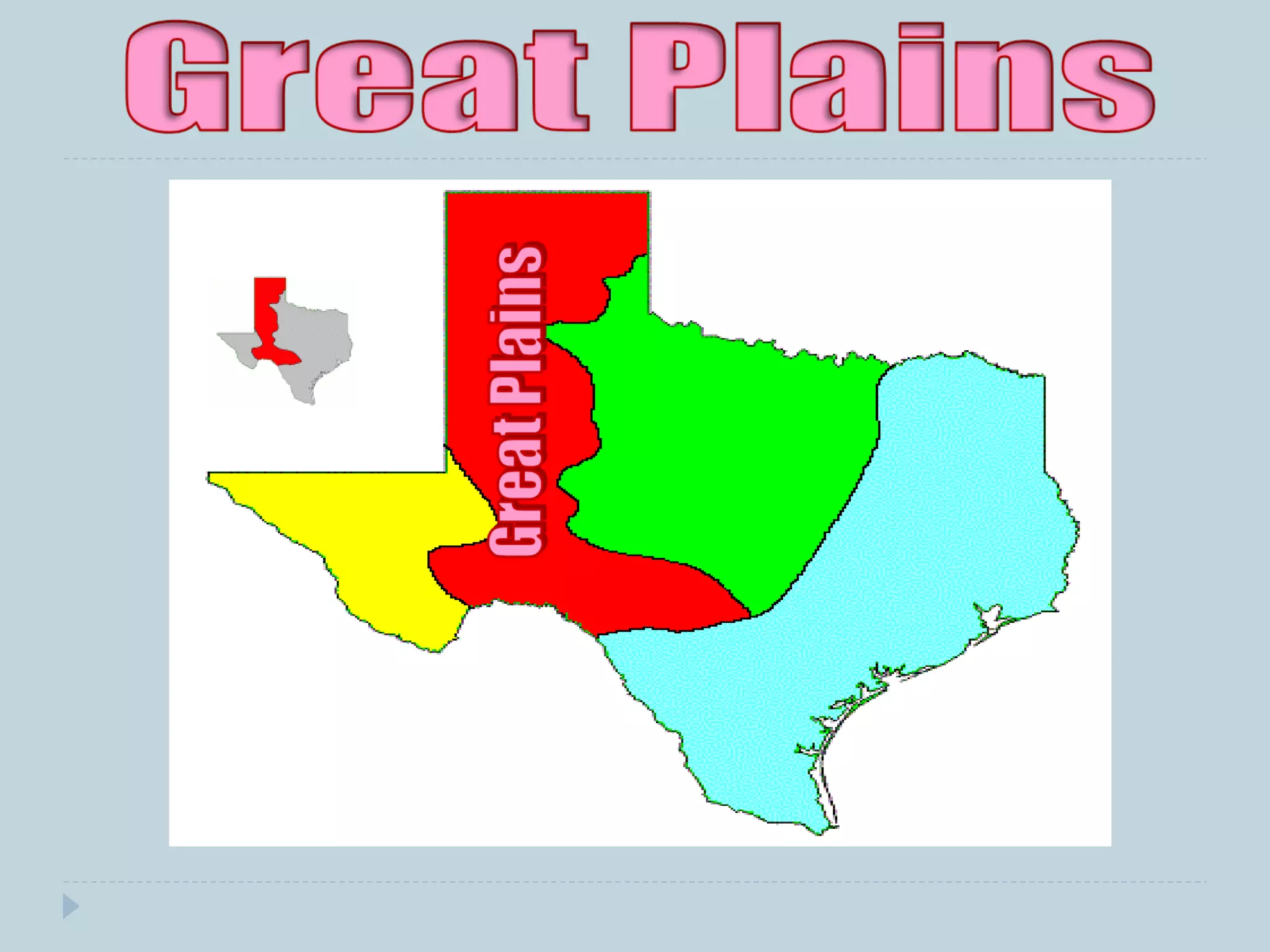
North Texas is a dynamic region, a blend of sprawling metropolises and charming smaller towns, where modernity meets a rich historical past. It’s a hub of commerce, culture, and innovation, yet it retains a distinct Texan identity shaped by its early settlement and industrial growth.
The Heartbeat of the Metroplex
The Dallas-Fort Worth Metroplex, the region’s undeniable epicenter, offers an overwhelming array of attractions. In Dallas, visitors can explore the Sixth Floor Museum at Dealey Plaza, a poignant memorial to President John F. Kennedy. The city also boasts world-class museums like the Dallas Museum of Art and the Perot Museum of Nature and Science. For sports enthusiasts, the Dallas Cowboys at AT&T Stadium and the Texas Rangers at Globe Life Field are major draws.
Fort Worth, often seen as Dallas’s more traditional counterpart, preserves its Western heritage with attractions like the Fort Worth Stockyards National Historic District. Here, visitors can witness daily cattle drives, explore Western wear shops, and soak in the authentic cowboy atmosphere. The Kimbell Art Museum and the Modern Art Museum of Fort Worth offer sophisticated cultural experiences.
Beyond the Cities: Charm and History
North Texas is also dotted with picturesque towns that offer a different pace. Grapevine, known for its wineries and Christmas festivities, provides a delightful escape. Denton is a vibrant college town with a lively music scene and a charming downtown square. The region is also home to significant historical sites related to the Civil War and the early days of Texas statehood, offering a deeper understanding of the state’s formation.
Culinary Delights and Entertainment
The culinary scene in North Texas is as diverse as its population. From authentic Tex-Mex and world-class steakhouses in Dallas to the down-home cooking found in smaller towns, there’s something to satisfy every palate. The region is a prime destination for live music, theater, and a wide range of entertainment options, ensuring that every visitor finds their perfect experience.
Central Texas
Central Texas is often considered the cultural and political heart of the state, characterized by its rolling hills, verdant landscape, and a vibrant, progressive spirit that contrasts with some of the more traditional Texan stereotypes. This region is a melting pot of music, food, and outdoor recreation.
The Live Music Capital and Beyond
Austin, the state capital and the undisputed “Live Music Capital of the World,” is the anchor of Central Texas. Its eclectic atmosphere, known for its “Keep Austin Weird” ethos, attracts artists, musicians, and free spirits from all walks of life. Visitors can immerse themselves in the city’s vibrant music scene by exploring venues on South Congress Avenue or attending festivals like South by Southwest (SXSW). Beyond music, Austin offers beautiful natural escapes like Barton Creek Greenbelt and Zilker Park, perfect for hiking, swimming in Barton Springs Pool, and enjoying the outdoors.
Hill Country Charm and Wine Trails
West of Austin lies the Texas Hill Country, a picturesque region of rolling hills, clear rivers, and charming German heritage towns like Fredericksburg. This area has become a renowned wine-producing region, with numerous vineyards and wineries offering tastings and tours, rivaling some of the best wine regions in the country. The scenic drives through the Hill Country, particularly along the Twisted Sisters routes, are a highlight for motorcyclists and car enthusiasts alike.
Historical Significance and Culinary Innovation
San Antonio, a city steeped in history, is also a jewel of Central Texas. Its most famous landmark, the Alamo, stands as a testament to Texas’s struggle for independence. The San Antonio River Walk, a network of walkways along the San Antonio River, is a charming urban oasis filled with restaurants, shops, and cultural attractions. The city’s rich Hispanic heritage is evident in its cuisine, art, and festivals. Central Texas is also at the forefront of culinary innovation, particularly in the realm of barbecue, with legendary joints drawing crowds from across the globe.
South Texas
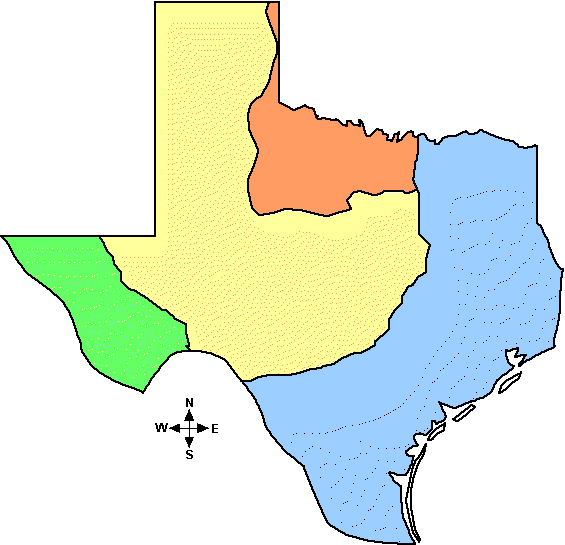
South Texas is a region of stark contrasts, from the vast coastal plains to the subtropical borderlands, offering a unique blend of cultures, natural beauty, and historical depth. It’s a place where the influence of Mexico is palpable, creating a rich tapestry of traditions, flavors, and experiences.
Coastal Treasures and Wildlife Sanctuaries
The Texas Coastline offers a different kind of Texan experience, with sandy beaches and a thriving ecosystem. Galveston Island, with its historic architecture and lively beach town atmosphere, is a popular destination. Further south, the Padre Island National Seashore preserves the longest stretch of undeveloped barrier island in the world, a haven for birdwatching and a critical nesting ground for sea turtles. The Laguna Madre, a shallow hypersaline lagoon, supports a unique array of marine life.
Borderlands and Cultural Exchange
The border region, stretching along the Rio Grande, is where much of South Texas’s distinct cultural identity is forged. Cities like Brownsville, McAllen, and Laredo are vibrant centers of commerce and culture, showcasing a unique blend of American and Mexican influences. The region’s history is deeply intertwined with Spanish exploration, Mexican independence, and the Texas Revolution, with numerous historic missions and battle sites to explore.
The Flavors and Rhythms of South Texas
The culinary landscape of South Texas is heavily influenced by its proximity to Mexico, resulting in an explosion of authentic Tex-Mex and traditional Mexican flavors. Expect an abundance of fresh seafood along the coast, along with hearty, flavorful dishes inland. The music scene is equally vibrant, with Tejano music, a fusion of traditional Mexican folk music and American country and blues, playing a central role. The warmth of the people and the relaxed pace of life invite visitors to slow down and savor the unique charm of this captivating region.
LifeOutOfTheBox is a participant in the Amazon Services LLC Associates Program, an affiliate advertising program designed to provide a means for sites to earn advertising fees by advertising and linking to Amazon.com. Amazon, the Amazon logo, AmazonSupply, and the AmazonSupply logo are trademarks of Amazon.com, Inc. or its affiliates. As an Amazon Associate we earn affiliate commissions from qualifying purchases.